

BFS Swimming Badges 2026: Learning to swim safely
Many parents believe that the Seahorse swimming badge makes their child water-safe. However, experts warn: The first swimming badge is just the beginning of a longer learning journey. The BFS swimming badge system offers a structured, progressive path from water familiarization to advanced rescue skills. This guide explains how parents and coaches can guide children through the different badge levels, what requirements apply, and why continuous training is crucial for true water safety.
Table of Contents
- The BFS Swimming Badge System: An Overview
- The Individual Swimming Badges and Their Content
- Safety and Pool Rules: The Foundation for Responsible Swimming
- Practice and Motivation: How Parents and Coaches Can Support Children
- Swimming Badges and Accessories at Pimpertz
- FAQ on the BFS Swimming Badge
Key Messages
| Point | Details |
|---|---|
| Standardized System | The BFS system offers uniform examination standards from Seahorse to Gold for all organizations. |
| Progressive Development | Each badge builds on the previous one and systematically expands swimming skills and safety knowledge. |
| Pool Rules as Foundation | Theoretical knowledge of safety rules is tested from Bronze level and is essential. |
| Recommended Starting Age | Swimming courses should ideally start at five years of age, when children are motorically ready. |
| Motivation through Success | Each achieved badge strengthens self-confidence and motivates further practice in the water. |
The BFS Swimming Badge System: An Overview
The Federal Association for the Promotion of Swimming Education (Bundesverband zur Förderung der Schwimmausbildung), or BFS for short, unites various organizations such as DLRG, Wasserwacht, and DSV under one roof. This cooperation ensures that all swimming badges are awarded according to uniform standards. Regardless of whether your child learns with the DLRG, in a swimming club, or at an adult education center: The requirements remain identical.
The system is divided into four main stages. The Seahorse badge marks the entry point and confirms initial swimming skills. Bronze, Silver, and Gold follow as youth swimming badges with increasing requirements. This gradation is no coincidence: It reflects the natural development of water competence.
Why is this structure so important? Children develop swimming skills in phases. First, they learn to stay above water. Then comes endurance, later technique, and finally rescue competence. The BFS system respects this development and does not overwhelm anyone.
The four badge levels at a glance:
- Seahorse: Water familiarization and first 25 meters of swimming
- Bronze: Basic endurance with 200 meters and first pool rules
- Silver: Advanced technique with 400 meters and practical rescue exercises
- Gold: Advanced performance with 1000 meters and complex rescue scenarios
Experts recommend starting swimming courses from the age of five. At this age, children have the necessary motor skills and concentration. Earlier is often counterproductive, as physical maturity is lacking. Later means unnecessarily delayed water safety.
The standardized examination regulations create transparency. Parents know exactly what their child needs to be able to do. Coaches work according to clear guidelines. And children receive the same recognition everywhere. This uniformity makes the German swimming badge system internationally exemplary.
Pro tip: Don't let your child pause after the Seahorse badge. The requirements for the Seahorse badge are deliberately set low to create a sense of achievement. True safety only comes through continuous training up to at least Bronze.
The Individual Swimming Badges and Their Content
Each badge requires specific skills that build on each other. Here are the detailed requirements:
Seahorse: The First Step
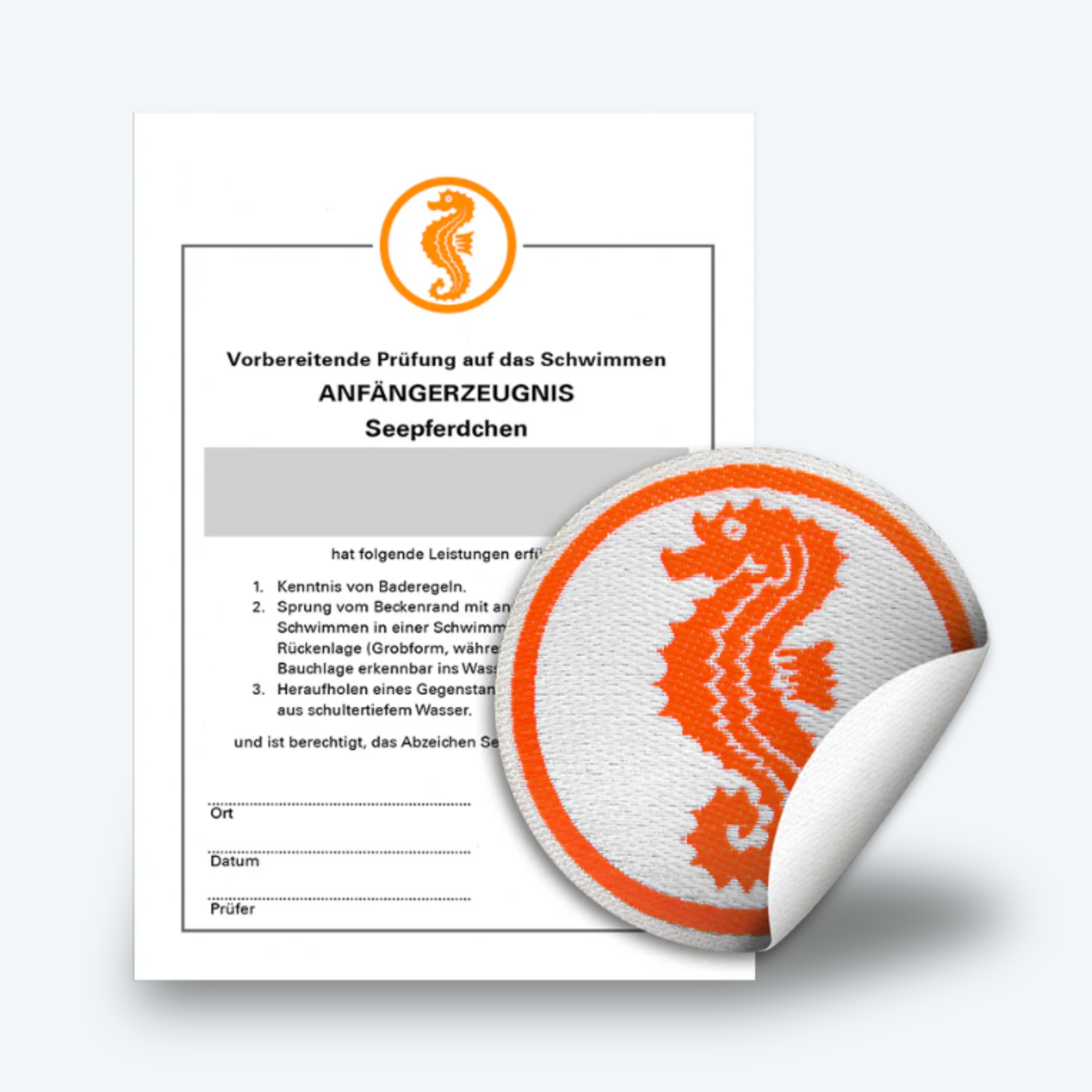
The Seahorse badge confirms basic water familiarity. Children must swim 25 meters, retrieve an object from shoulder-deep water, and jump from the edge of the pool. This sounds simple, but for five- to six-year-olds, it's a real achievement.
Important: The Seahorse badge does not make children water-safe. It is a motivational badge, not a safety certificate. Parents should never leave children unattended in the water after they have earned the Seahorse badge.
Bronze: Basic Swimming Ability
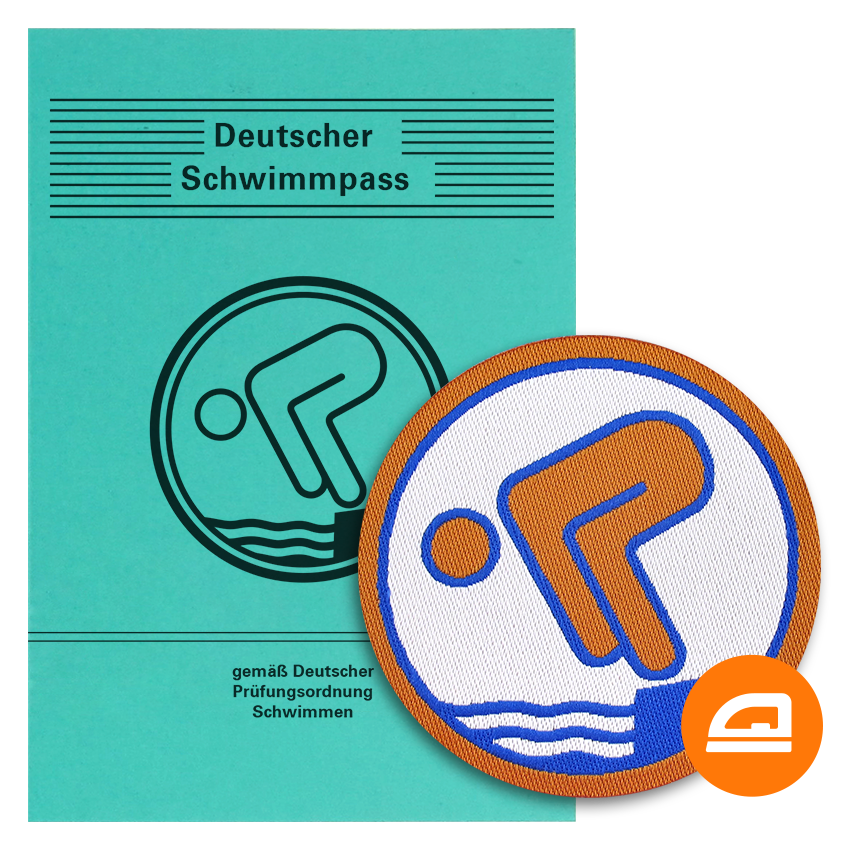
Bronze marks the transition to a safe swimmer. The requirements include swimming 200 meters in a maximum of 15 minutes, jumping from a one-meter height, and retrieving an object from two meters deep. In addition, there is theoretical knowledge: Children must know and be able to explain the pool rules.
This combination of practice and theory is crucial. Swimming means more than technique. It requires an understanding of dangers and correct behavior.
Silver: Advanced Competence
Silver requires swimming 400 meters in a maximum of 25 minutes, 300 meters of which in the prone position and 100 meters in the backstroke position. Children must dive twice from two meters deep and achieve ten meters of underwater swimming. The practical rescue exercise simulates emergencies: Children pull a person 10 meters through the water.
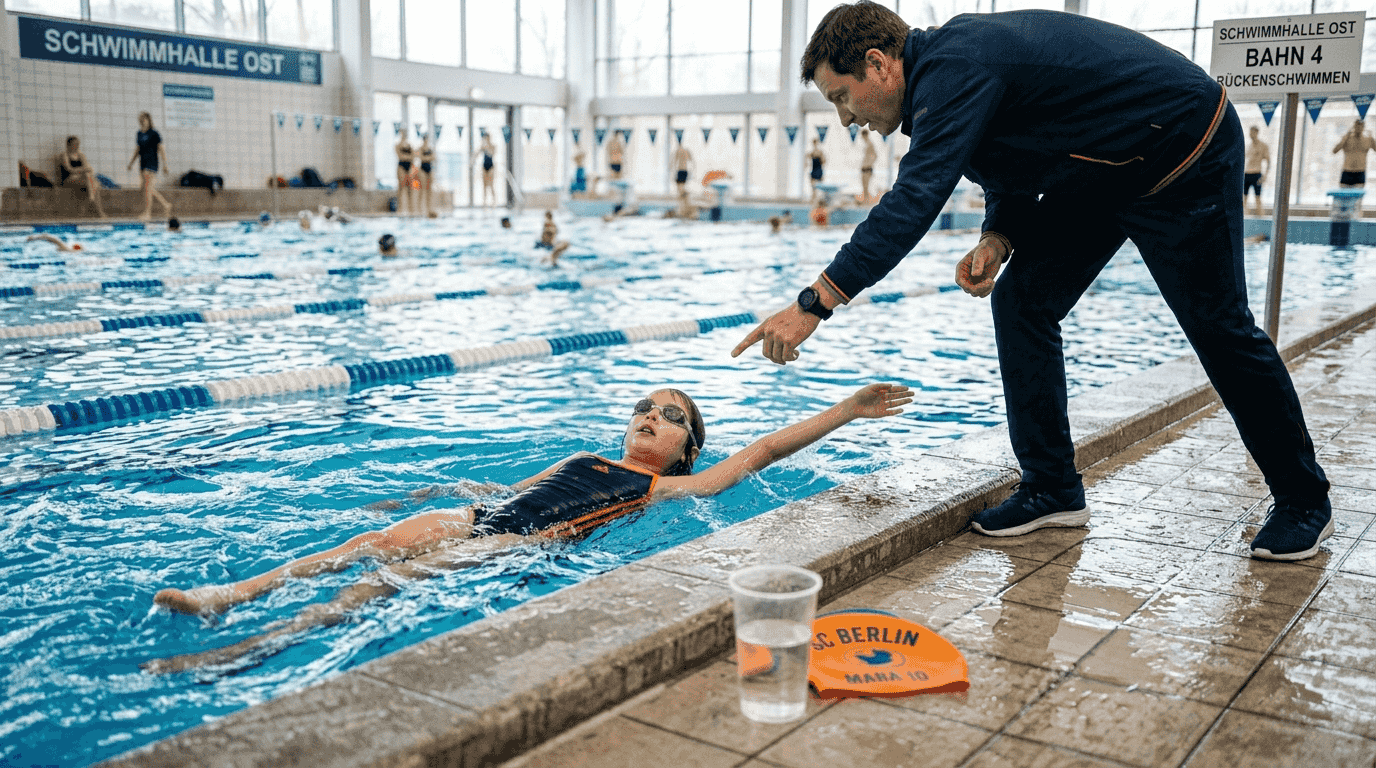
The pool rules are thoroughly tested. Children should not only memorize but also be able to assess situations. Why can't you swim during a thunderstorm? What do you do if you get cramps? This understanding saves lives.
Gold: Advanced Rescue Ability
Gold is the highest youth swimming badge. It requires swimming 1000 meters in a maximum of 24 minutes, 800 meters of which in the prone position and 200 meters in the backstroke position. In addition, there are 15 meters of underwater swimming and retrieving three objects from two meters deep in three minutes.
The rescue exercise becomes more demanding: 50 meters of transporting a person, 25 meters in the prone position and 25 meters in the backstroke position. This simulates realistic rescue scenarios and prepares for emergencies.
| Badge | Swimming Distance | Rescue Exercise | Theory Exam | | — | — | — | | Seahorse | 25 m | Object from shoulder height | None | | Bronze | 200 m (15 min.) | Object from 2 m depth | Basic pool rules | | Silver | 400 m (25 min.) | 10 m person transport | Advanced pool rules | | Gold | 1000 m (24 min.) | 50 m person transport | Extended pool rules |
Pro tip: Plan at least three to six months of regular training for each badge. Children need time to develop endurance and technique. Hasty exams lead to frustration and setbacks.
Safety and Pool Rules: The Foundation for Responsible Swimming
The pool rules are not a bothersome theoretical part, but life-saving basics. From the Bronze level onwards, they are queried in every exam. But it's not about memorization. Examiners want to see understanding, not recitation.
Typical exam questions are: "Why shouldn't you swim on a full stomach?" or "What do you do if a thunderstorm approaches?" Children must explain the logic behind the rules. This method ensures that they react correctly in an emergency.
The Most Important Pool Rules at a Glance
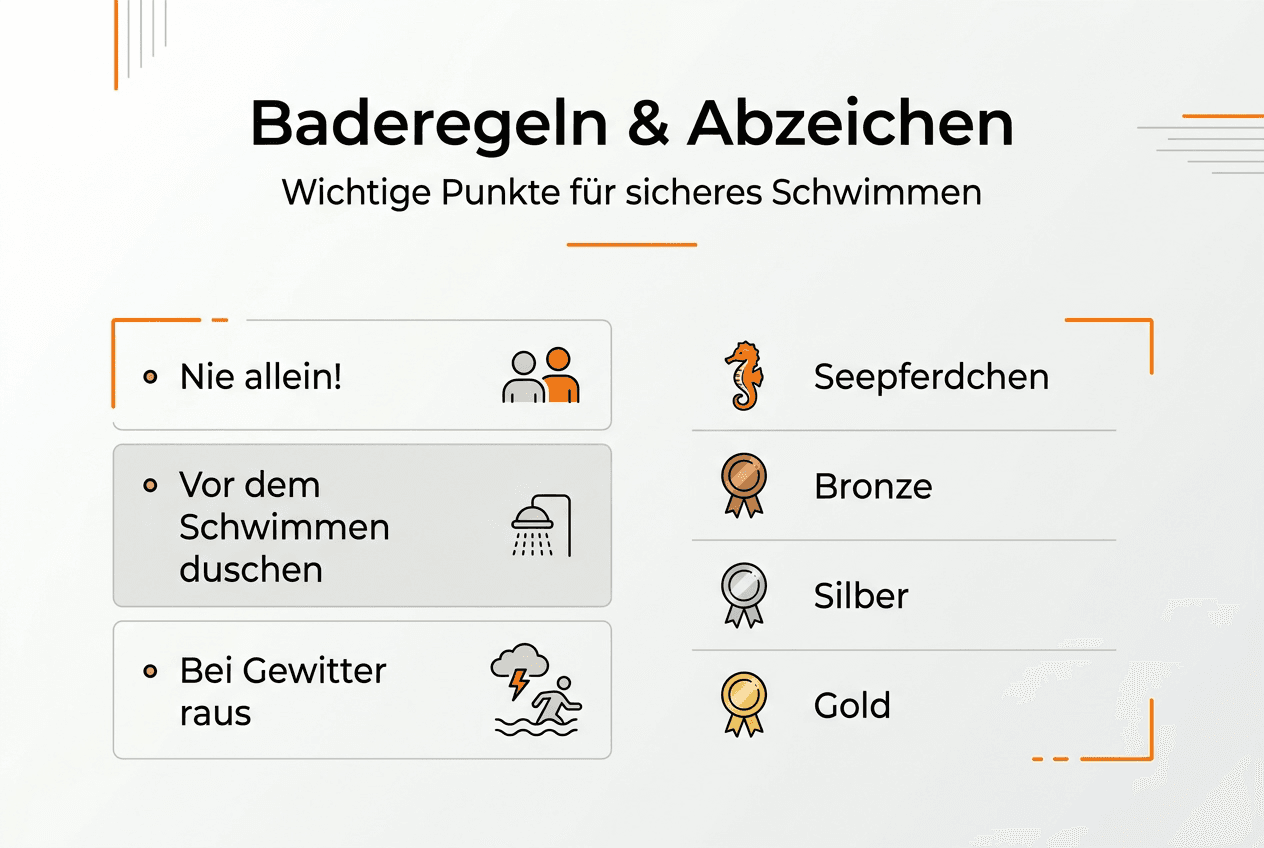
The DLRG has formulated ten central pool rules that all swimmers should know:
- Only go swimming if you feel well
- Never swim on a full or completely empty stomach
- Shower before swimming and cool down slowly
- Never jump into unknown waters
- Air mattresses and swimming aids do not provide safety
- Leave the water immediately during a thunderstorm
- Do not swim near ships and locks
- Do not overestimate your strength and endurance
- Never call for help if you are not in danger
- Keep the water clean
These rules cover the most common dangerous situations. Children who have internalized them can better assess risks. This makes them responsible swimmers.
Why Theory is Just as Important as Practice
Many swimming accidents happen not due to a lack of swimming technique, but due to misjudgment. A child may be able to swim 400 meters in a heated indoor pool, but fail in a cold lake with currents. The DLRG swimming rules teach these differences.
Theoretical knowledge sharpens danger awareness. Children learn to evaluate situations before entering the water. They understand why rivers are more dangerous than swimming pools and why alcohol and swimming never go together.
"Pool rules are not dry theory, but practical life protection. Children who understand why rules exist will also follow them."
The examination of the pool rules is usually oral. Coaches present everyday scenarios: "You're at the lake and it's getting dark. Are you allowed to swim?" Children should explain, not just answer with yes or no. This method promotes critical thinking.
Pro tip: Practice pool rules in everyday life. Before each visit to the swimming pool, ask: "What rules apply today?" This way, safety awareness becomes a habit, not an exam requirement.
Practice and Motivation: How Parents and Coaches Can Support Children
Theory and requirements are clear, but how do you best prepare your child? Here are practical strategies for parents and coaches.
Practice Without Goggles
Many children want to wear goggles for the Seahorse test. However, experts advise against it. When jumping into the water, the goggles can slip or get lost. Children should practice jumping without goggles to be prepared for emergencies.
Gradually get your child used to swimming with open eyes underwater. Start in the bathtub with games like "treasure hunt". In the swimming pool, follow with short dives with open eyes. After a few weeks, this will feel normal.
Early Water Familiarization
The earlier children have positive water experiences, the easier it is for them to learn to swim. Baby swimming from six months builds familiarity. Toddlers can splash and play in shallow pools. These playful experiences reduce fear.
Pay attention to your child's signals. Some are aquaphobic and need more time. Coercion is counterproductive. Better: patiently build trust through positive experiences.
Motivation Through Small Successes
Learning to swim is exhausting. Children need success experiences to stay motivated. Celebrate every step forward: The first five meters without help, the first time head underwater, the first jump from the edge of the pool.
Set realistic intermediate goals. Instead of "You have to swim 200 meters for Bronze," say "Let's try 50 meters without a break this week." Small steps prevent overwhelming them.
Seahorse is Just the Beginning
Many parents relax after the Seahorse badge. A fatal mistake. The Seahorse marks the beginning, not the end of swimming education. Children with a Seahorse badge can stay above water for a short time, nothing more.
Plan the next course directly. Breaks of several months cause skills to atrophy. Children forget technique and lose their feel for the water. Continuous training up to at least Bronze is indispensable.
Practical Tips for Exam Preparation
- Simulate exam conditions: Practice the exact distance under time pressure
- Vary practice environments: Don't just train in the familiar swimming pool
- Integrate pool rules into everyday life: Discuss them before every visit to the swimming pool
- Avoid performance pressure: Children develop at different speeds
- Celebrate progress: Even small improvements deserve recognition
Coaches should create individual development plans. Some children need more technical training, others need to work on endurance. General course programs do not suit everyone.
Pro tip: Keep a swimming diary. After each training session, note what went well and what your child still needs to practice. This documentation shows progress and helps to work specifically towards the Seahorse exam.
What You Need for the Exam
The equipment is manageable. For the Seahorse badge, children need swimwear and possibly a swimming cap. What exactly is needed for the Seahorse badge varies minimally depending on the examination location. Some pools require swimming caps for hygienic reasons, others do not.
Avoid unnecessary frills. Swim wings, pool noodles, or diving rings are training tools, not exam equipment. Children must show that they can swim without aids.
Swimming Badges and Accessories at Pimpertz
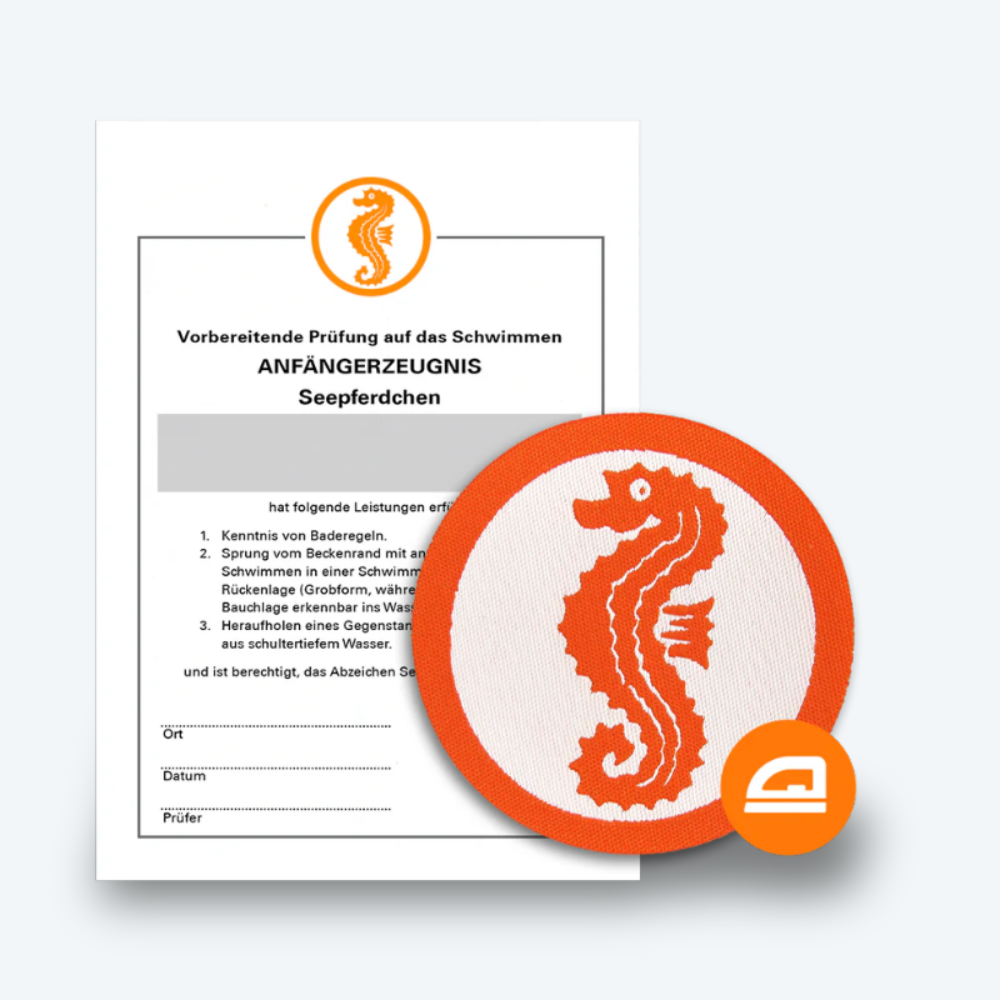
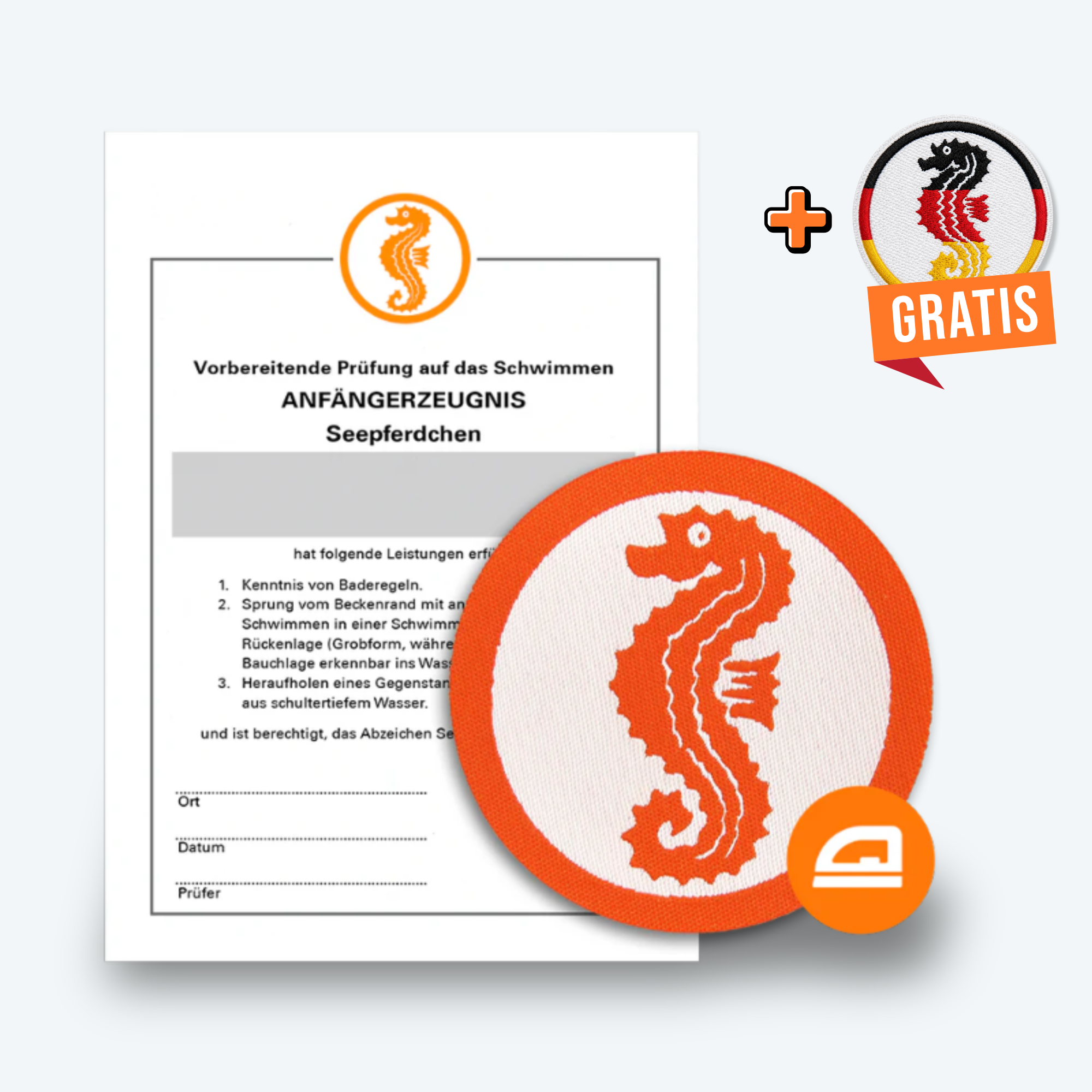
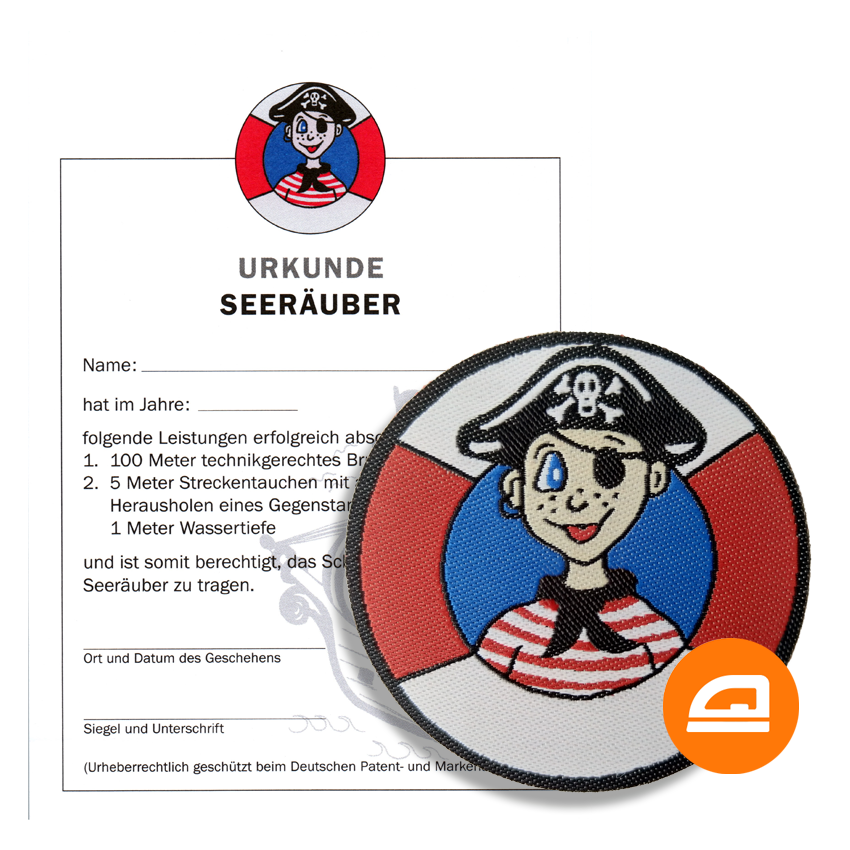
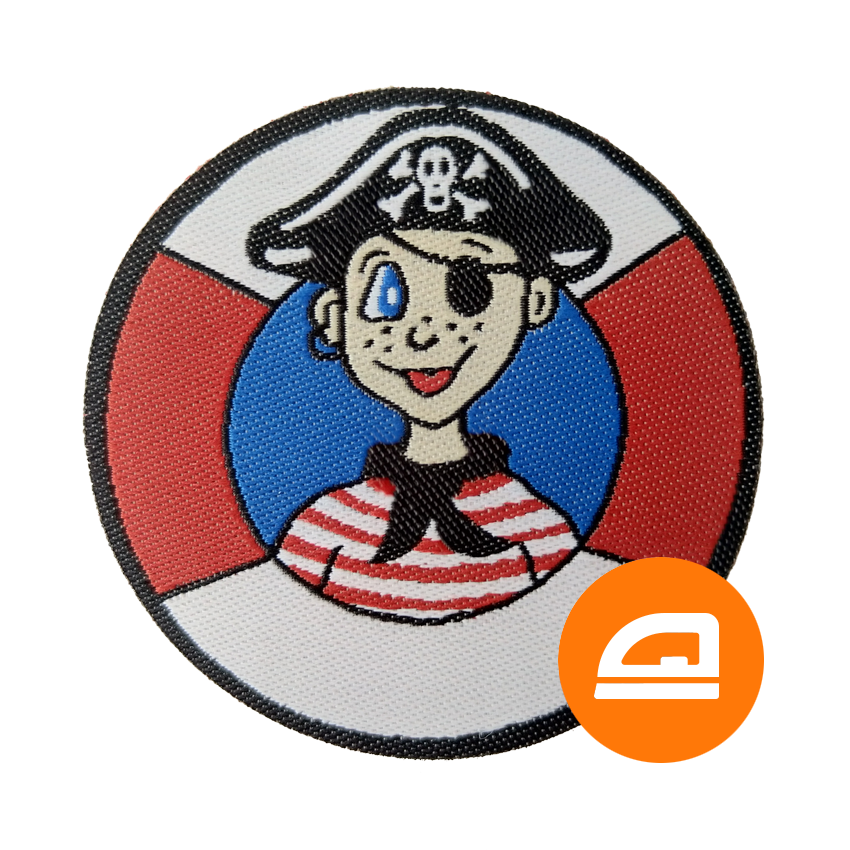
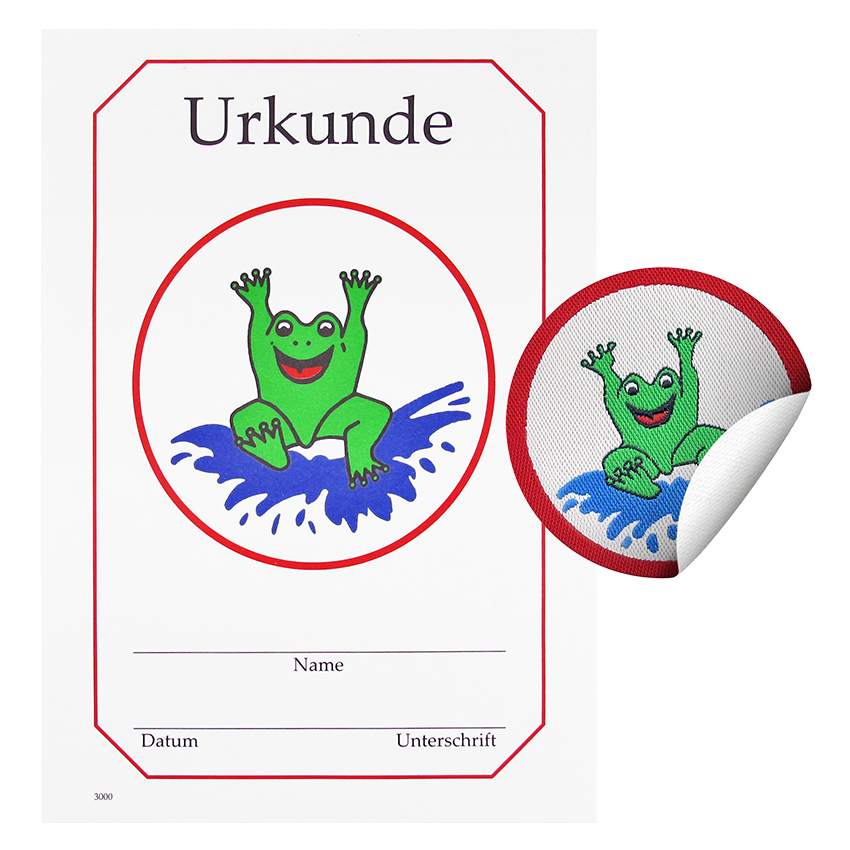
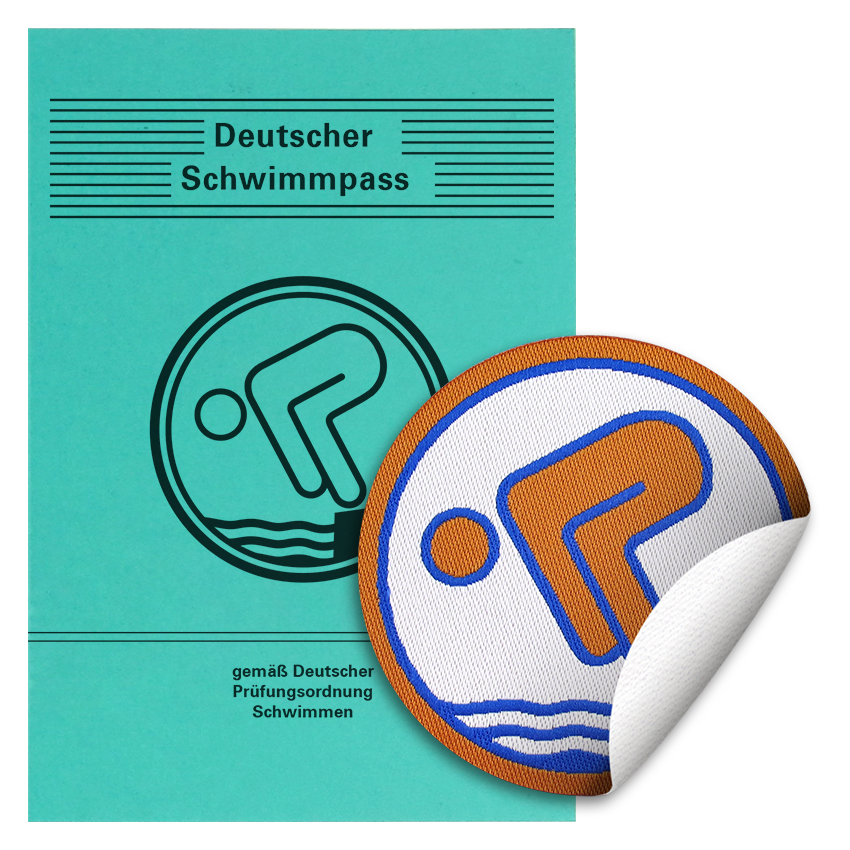
After successfully passing the exam, the well-deserved reward follows: the official swimming badge. At Pimpertz, you will find all BFS swimming badges from Seahorse to Gold in the highest quality. As an official partner of the DLRG and the BFS, we guarantee original certified badges that meet the strict requirements.
Our range includes not only badges, but also matching certificates for ceremonial awards. Coaches and clubs appreciate our fast delivery and quantity discounts for bulk orders. Parents will find motivating gift sets that honor their children's pride.
Particularly practical: Our swimming accessories range offers waterproof cases for collecting badges, collection albums for all swimming achievements, and collector cards that document the journey from Seahorse to Gold. This makes every milestone visible and keeps children motivated to continue.
FAQ on the BFS Swimming Badge
At what age are swimming courses useful?
Experts recommend starting swimming courses from the age of five. At this age, children have the necessary motor skills, concentration, and physical strength to learn swimming movements. Earlier courses such as baby swimming serve for water familiarization but do not replace structured swimming training. Some children are only ready at six or seven years old, which varies individually.
How do I best prepare my child for the Seahorse badge?
Regular practice is crucial. Visit the swimming pool at least once a week and let your child playfully try out swimming movements. Get them used to diving with open eyes and jumping from the edge of the pool. Avoid pressure and celebrate every progress. A professional swimming course offers structured guidance and social learning with other children.
Does the Seahorse badge guarantee complete safety?
No, the Seahorse badge is not a safety certificate. It confirms initial swimming skills, but children with the Seahorse badge are not yet safe swimmers. They can stay above water for a short time but tire quickly. Parents must continue to supervise children after the Seahorse badge. True water safety only comes through continuous training up to at least the Bronze badge.
How long does it take to get to the Gold badge?
This depends on training intensity and individual development. With weekly training, children reach the Seahorse badge after three to six months. Bronze follows after another six to twelve months, Silver after an additional year, and Gold after a total of three to four years of regular swimming. Breaks significantly extend this period. Continuous, not rushed, training is important.
Does my child have to earn all badges in order?
Yes, the badges build on each other. Each level requires skills from the previous one. A child cannot jump directly to Silver without fulfilling Bronze requirements. This system ensures that swimmers develop all necessary competencies. Exceptions are only made for very experienced swimmers who come from other countries and already have comparable qualifications.
What happens if my child fails the exam?
That's not a drama. Children develop at different rates, and some need more practice time. Coaches provide constructive feedback on which areas still need training. The exam can be retaken after a few more weeks of practice. It is important that parents and coaches avoid pressure and encourage the child. Swimming should be fun, not stressful.