


DLRG Swimming Rules Bronze: The Complete Guide
Did you know that almost 60 percent of ten-year-olds in Germany cannot swim safely? For many parents and children, the DLRG Bronze badge is therefore much more than just a swimming diploma. It lays the foundation for safety, self-confidence, and fun in the water. Knowing the rules and requirements gives your child an important advantage on the path to swimming proficiency.
Table of Contents
- DLRG Swimming Rules Bronze: Definition and Goal
- Prerequisites and Age Restrictions in Detail
- Exam Tasks: Technique, Endurance, Rescue
- Safety Rules and Common Sources of Error
- Comparison to Silver and Gold Badges
Key Takeaways
| Point | Details |
|---|---|
| Significance of the Bronze Badge | The DLRG Bronze badge is a fundamental step in swimming education, promoting safety and independence. |
| Exam Requirements | The exam includes swimming technique, endurance, and rescue elements to ensure comprehensive swimming proficiency. |
| Prerequisites | Children must be at least 7 years old and demonstrate basic swimming skills, with individual maturity being crucial. |
| Difference from Higher Badges | Bronze forms the basis for swimming training and differs from Silver and Gold through simpler techniques and requirements. |
DLRG Swimming Rules Bronze: Definition and Goal
The DLRG Bronze badge is an important milestone in swimming education for children and adolescents. It defines basic swimming skills and safety standards that are much more than just athletic performance. The goal is to train children to become independent and safe swimmers who can not only swim but also understand the necessary safety aspects.
The requirements for the Bronze badge are clearly structured and cover various essential areas:
- Mastery of basic swimming techniques
- Proof of endurance and strength
- Understanding of water safety
- Completion of specific swimming distances
The DLRG Bronze badge is not just about swimming a distance, but also about developing self-confidence and safety awareness in the water. Swimming instructors and parents see this badge as an important indicator of children's swimming proficiency.
The practical examination typically includes various disciplines such as swimming in different techniques, jumping into the water, simple rescue exercises, and demonstrating water behavior in dangerous situations. It is a holistic approach that teaches children not only technical skills but also mental strength and safety competence.
Prerequisites and Age Restrictions in Detail
For the DLRG Bronze badge, specific prerequisites apply to ensure that children and adolescents possess the necessary physical and mental abilities. Typically, children aged 7 and above can take the exam, with individual maturity and swimming skills playing a crucial role.
Key prerequisites include:
- Minimum age of 7 years
- Basic swimming skills (ideally the Seepferdchen badge)
- Physical fitness and endurance
- Mental readiness and ability to concentrate
- Ability to swim in breaststroke or freestyle technique
In swimming courses for 5-year-olds, important foundations are already laid that will later be crucial for the Bronze badge. Parents should not pressure their children, but rather introduce them to the swimming requirements individually and playfully.
The age restriction not only serves safety but also takes into account the motor and cognitive development of children.
 While 7 years is the minimum age, some children may only fully develop the required competencies at 8 or 9 years old. The individual abilities are always decisive, not the age alone.
Exam Tasks: Technique, Endurance, Rescue
The DLRG Bronze badge comprehensively tests swimmers in three main areas that are crucial for safety and competence in the water. The exam tasks are designed to assess not only technical skills but also mental strength and reaction capability.
The exam is divided into the following core areas:
- Swimming Technique
- Correct execution of breaststroke and crawl swimming
- Precise movements
- Even and efficient swimming movements
- Endurance
- Swimming a specified distance (typically 200 meters)
- Constant swimming speed
- Energy management during the distance
- Rescue Elements
- Targeted water jumps
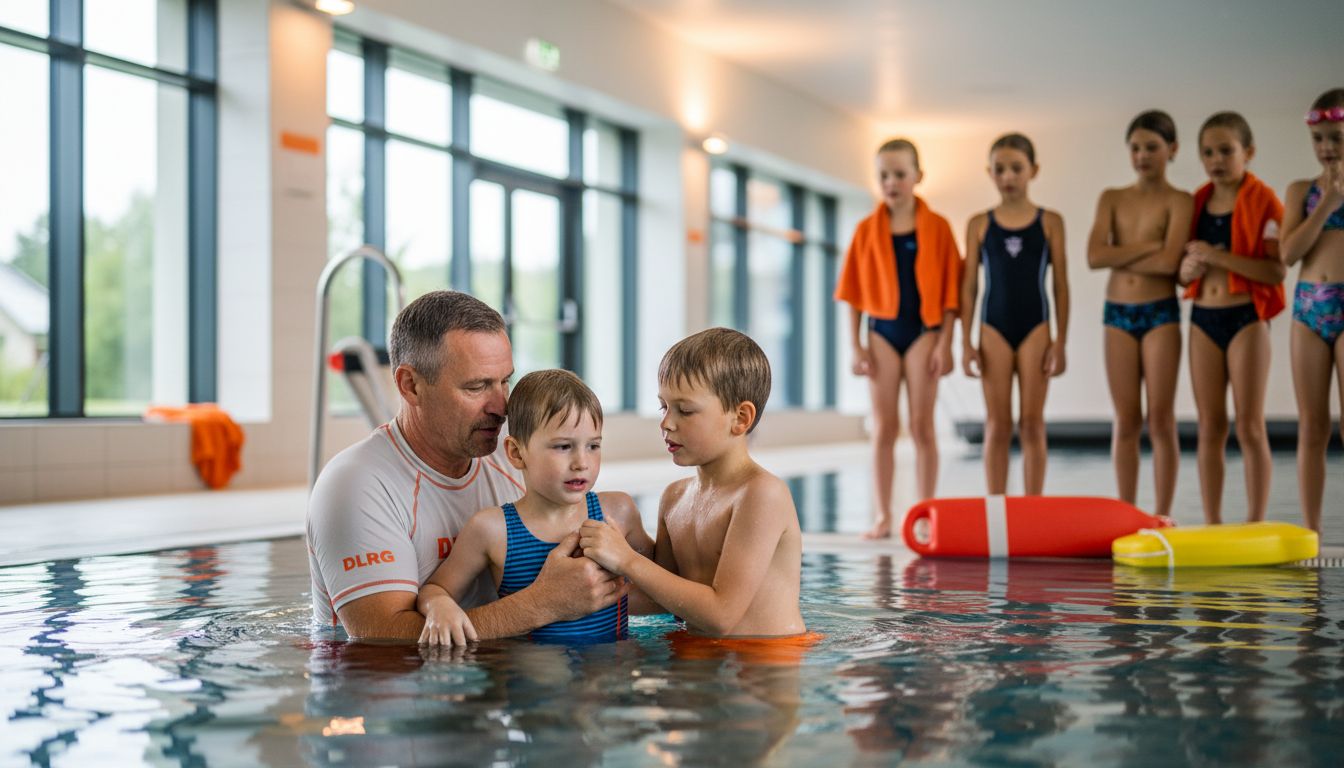
- Basic rescue grips
- Behavior in dangerous situations
For swimming badge requirements, particular attention is paid to the holistic development of swimming skills. The exam is designed to challenge children without overwhelming them.
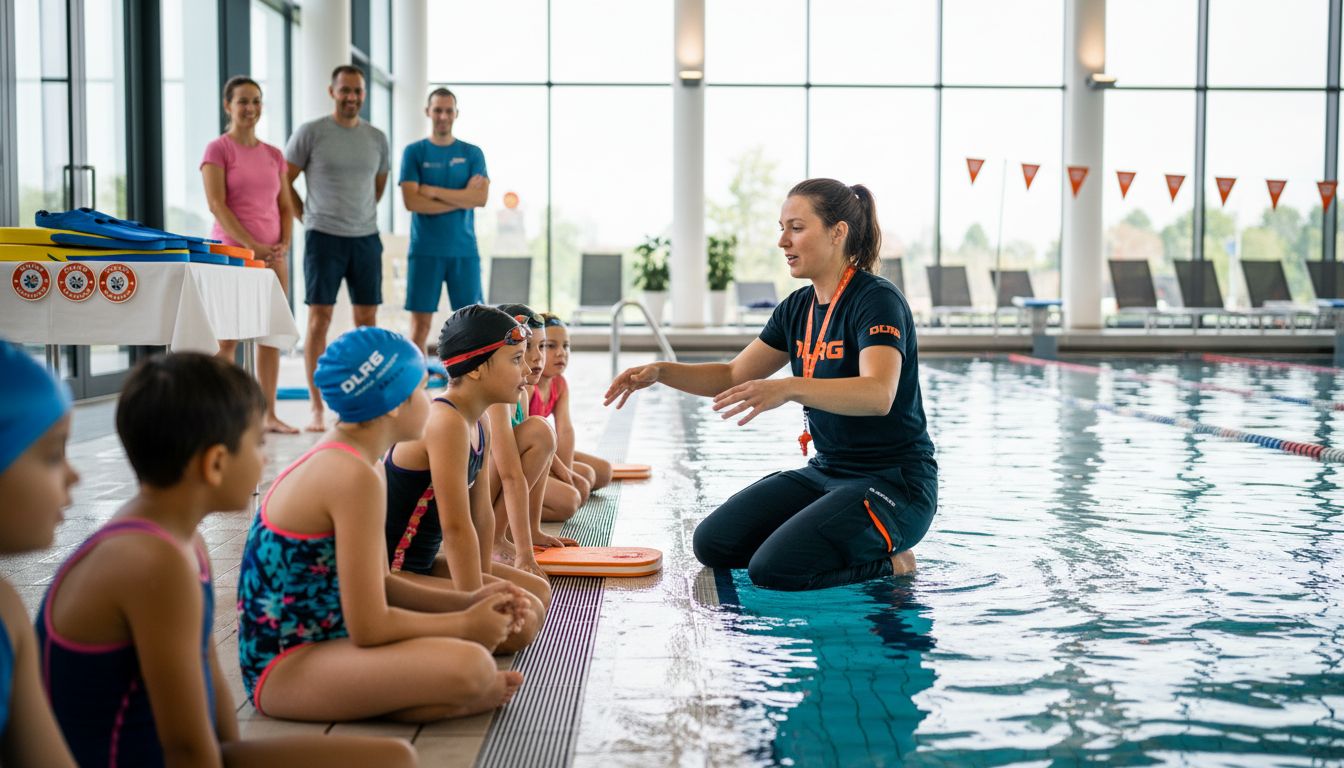
The practical exam is conducted by qualified DLRG trainers who assess not only the technical execution but also the safety awareness and mental strength of the participants. It is important that the exam is understood as a learning process and not just a performance test.
Safety Rules and Common Sources of Error
When acquiring the DLRG Bronze badge, safety rules play a crucial role. The most common sources of error often arise from a lack of understanding of basic water safety aspects and an overestimation of one's own abilities. Swimmers must learn to realistically assess risks and act proactively.
Common sources of error in swimming include:
- Incorrect assessment of one's own swimming abilities
- Inadequate technique in swimming movements
- Lack of concentration on dangerous situations
- Ignoring swimming rules and instructions
- Overconfident behavior in the water
In Safety in the Swimming Pool, central behaviors and prevention strategies are explained in detail. It is important that children not only learn to swim but also develop an awareness of potential dangers.
The DLRG places great emphasis on swimmers learning to correctly assess situations. This includes recognizing one's own limits, adhering to pool rules, and understanding safety aspects. Trainers and parents should continuously sensitize children and integrate practical safety exercises.
Comparison to Silver and Gold Badges
The DLRG Bronze badge forms the basis of systematic swimming training and differs significantly from the higher badges Silver and Gold. It represents the entry into professional swimming education with clearly defined learning objectives and safety standards.
The main differences between the badges include:
Here is a comparison of the DLRG swimming badges Bronze, Silver, and Gold:
| Badge | Swimming Techniques | Rescue Requirements | Swimming Distances |
|---|---|---|---|
| Bronze | Basic techniques Breaststroke Crawl |
Simple rescue exercises Jump into water |
200 meters |
| Silver | Advanced techniques Back crawl Starting dive |
More complex rescue tasks Third-party rescue |
400 meters |
| Gold | Professional techniques e.g., Head-first dive |
Demanding rescue Multiple scenarios |
800 meters or more |
- Bronze
- Basic swimming techniques
- Simple rescue exercises
- Short swimming distances
- Focus on water acclimatization
- Silver
- Advanced swimming techniques
- More complex rescue scenarios
- Longer swimming distances
- Higher physical requirements
- Gold
- Professional swimming techniques
- Demanding rescue methods
- Very long swimming distances
- Highest physical and mental resilience
In Prerequisites for the Silver Swimming Badge, the specific requirements for the next training step are described in detail.
For children and adolescents, Bronze is the most important first step.
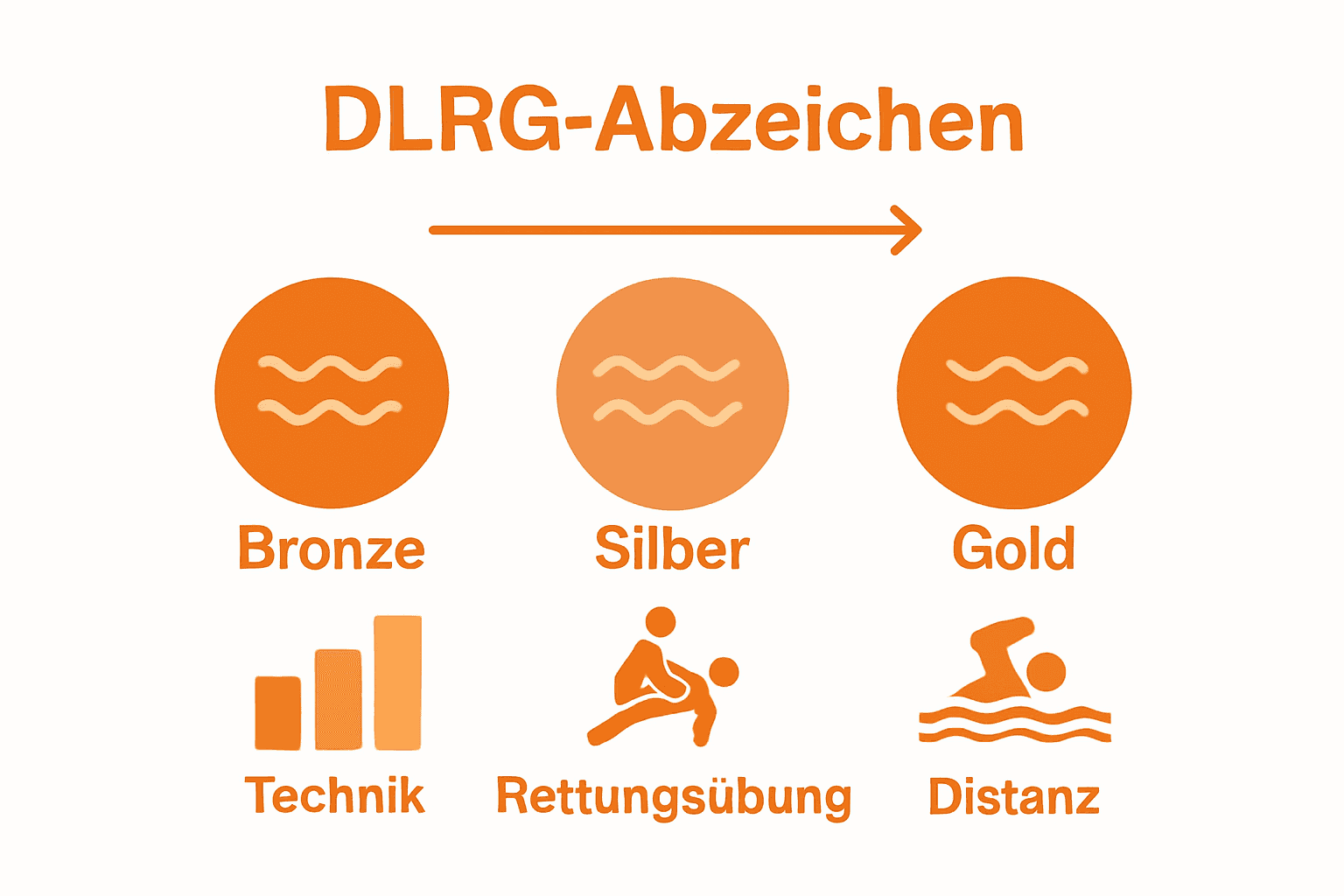 Here, fundamental skills and safety awareness are developed that form the basis for all further swimming badges. Parents and trainers should view the Bronze section not as a mere transit station but as a crucial learning phase.
Safely Award Swimming Proficiency with Pimpertz
The DLRG Bronze badge is more than just a swimming test. It shows that children can not only swim but also know how to move safely in the water. This is exactly where the right equipment strikes a chord with parents and swimming instructors. The challenges in preparation lie in learning technique, endurance, and rescue elements. High-quality badges and certificates are the perfect motivational boost for little swimmers.
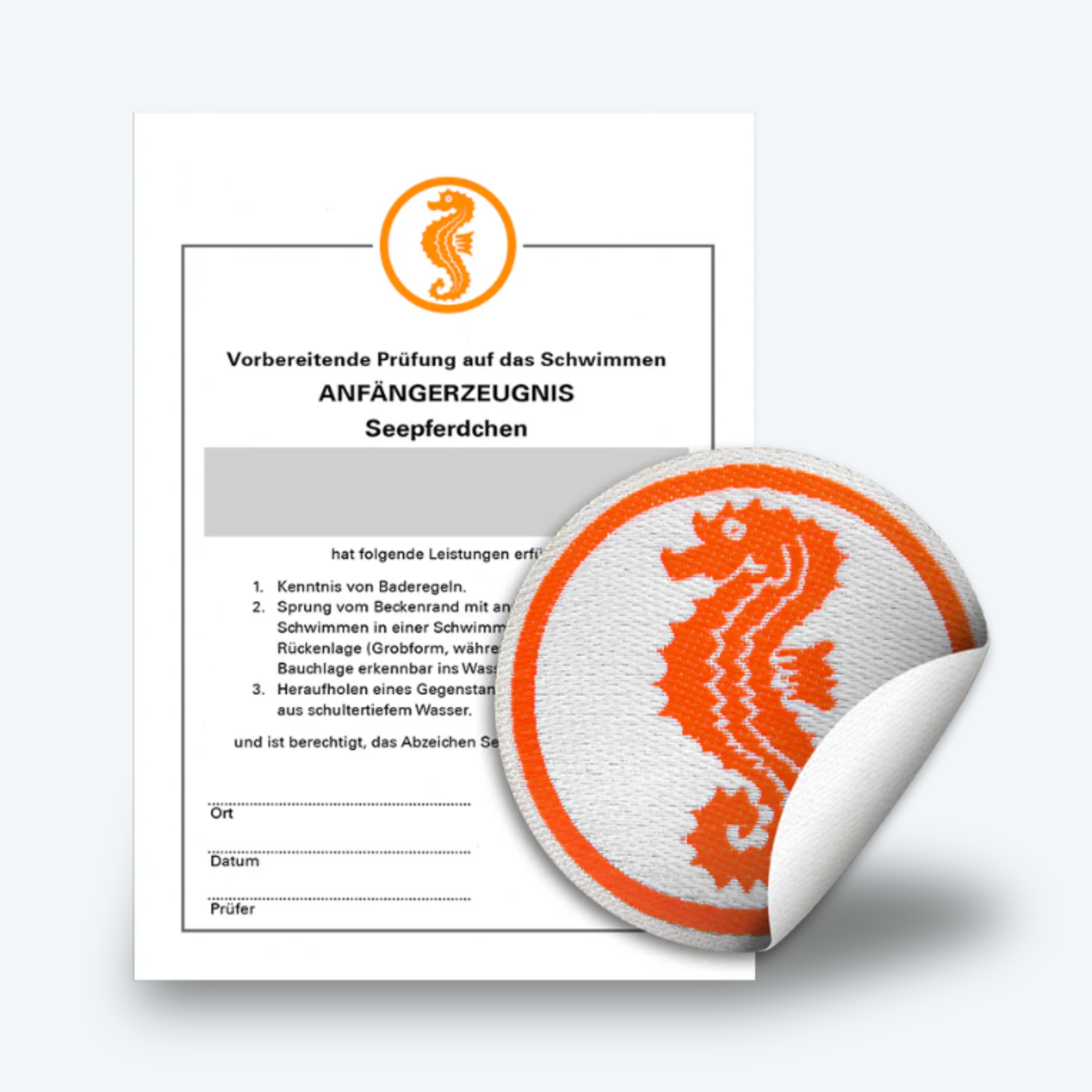
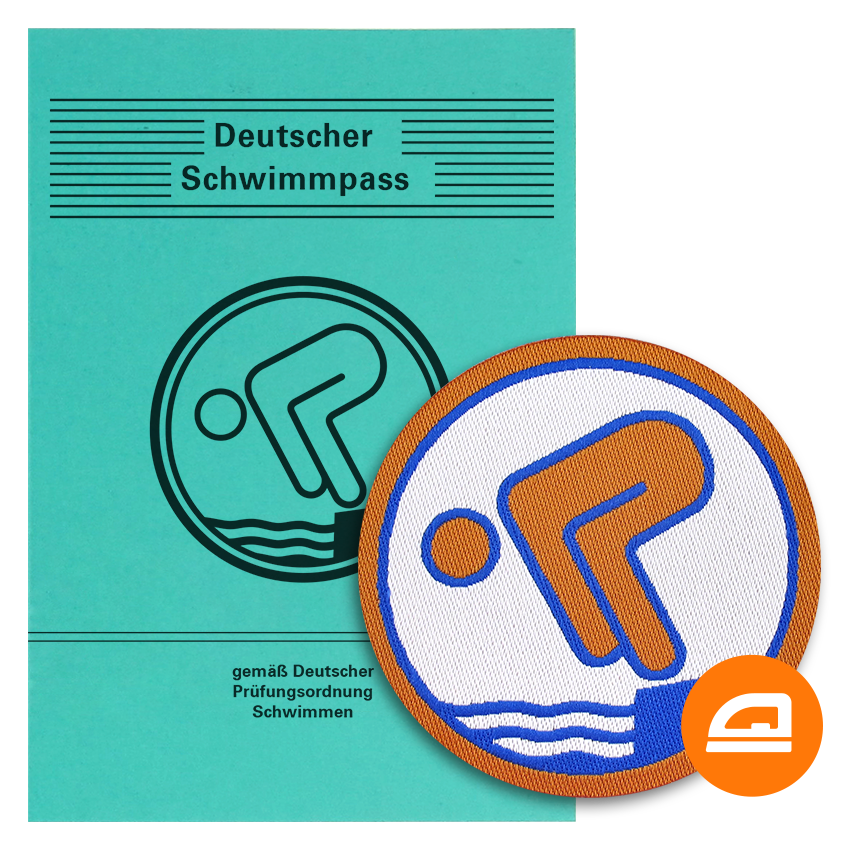
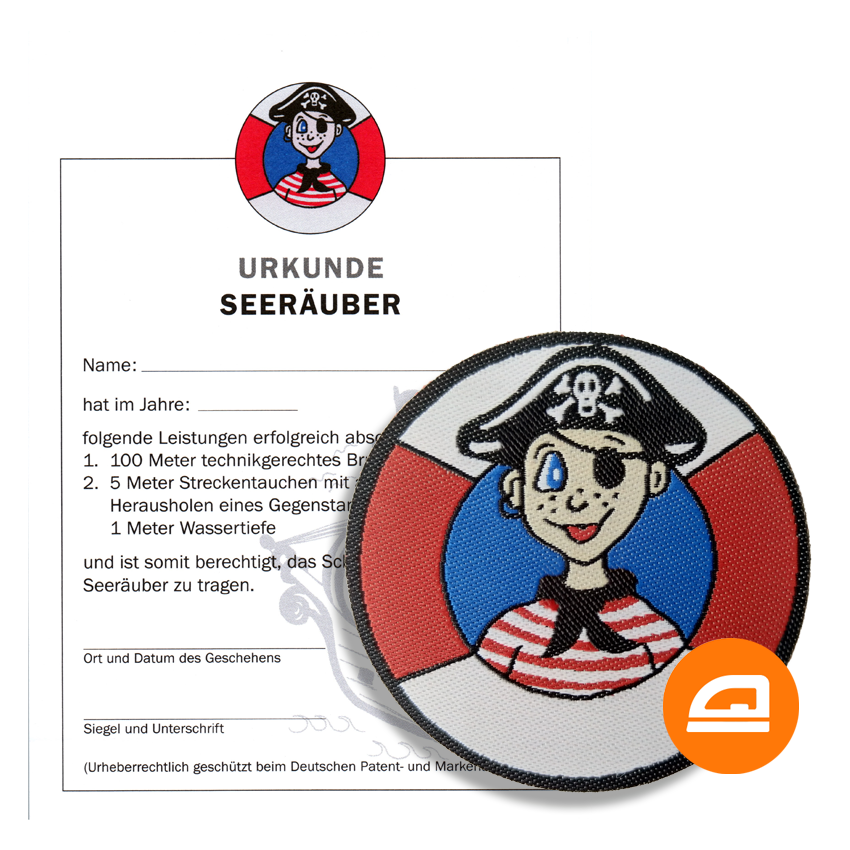
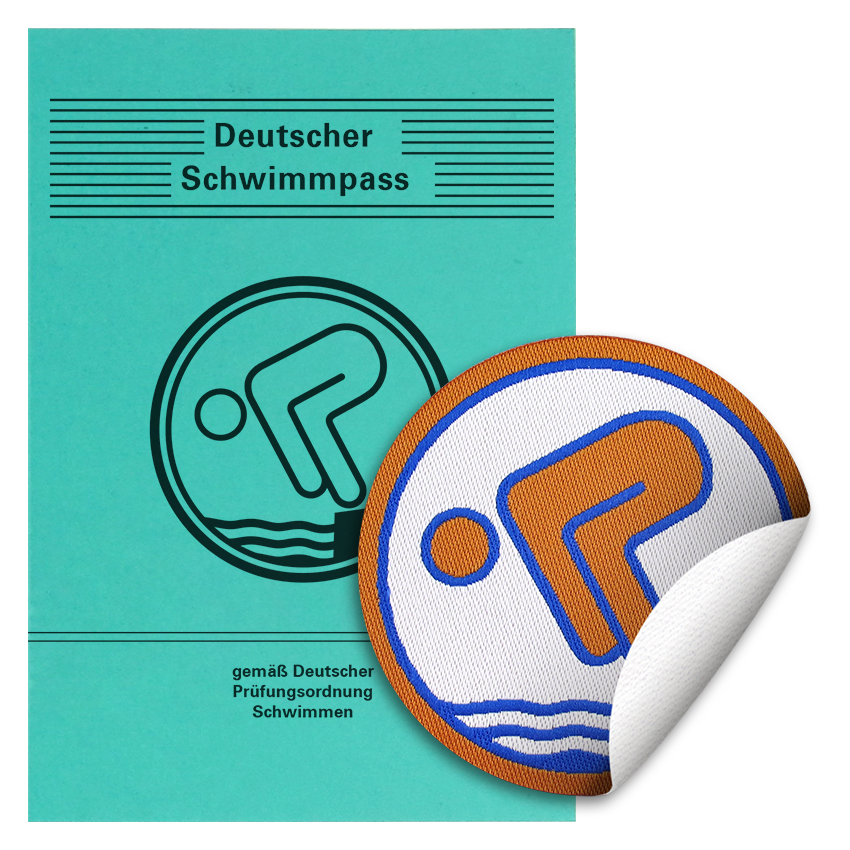
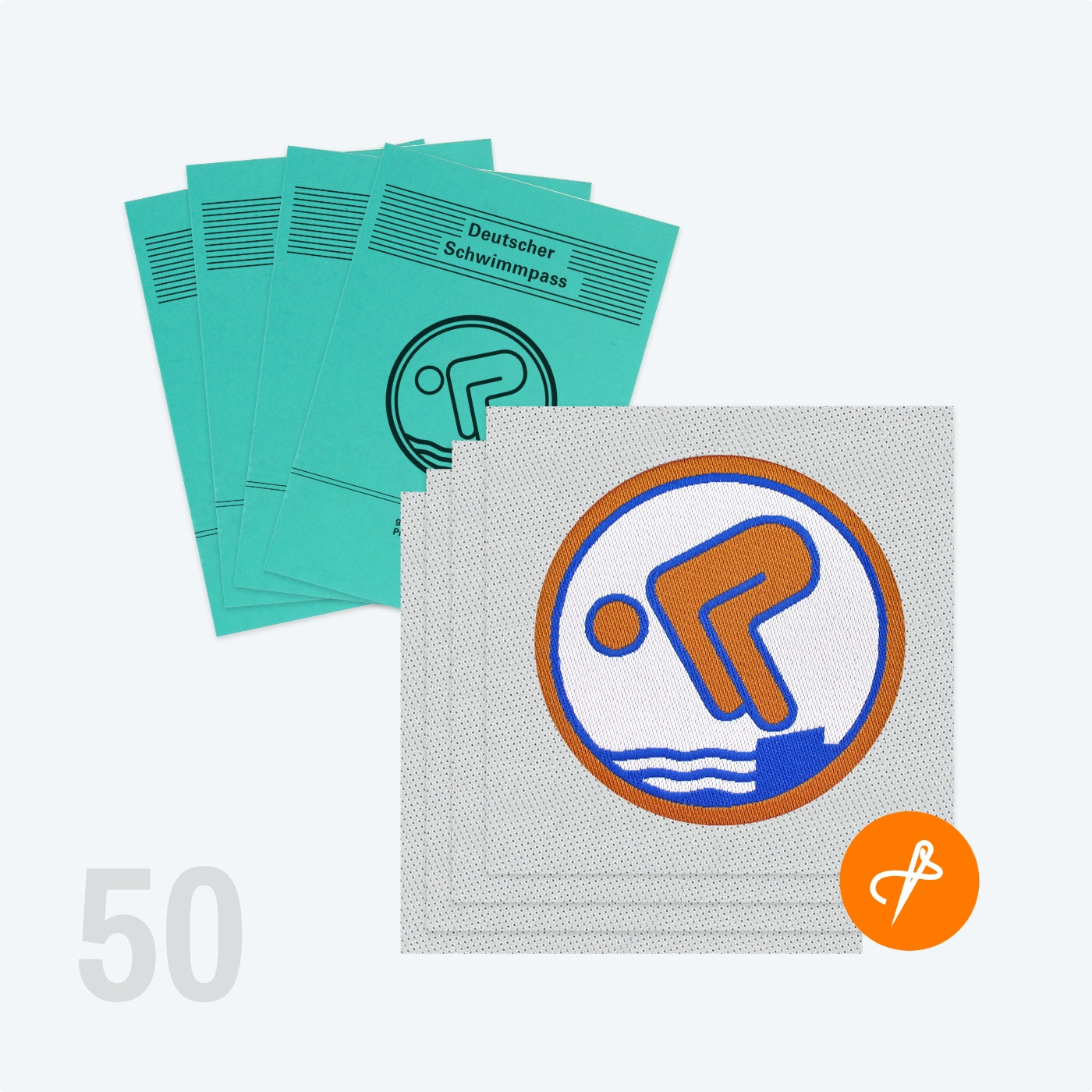
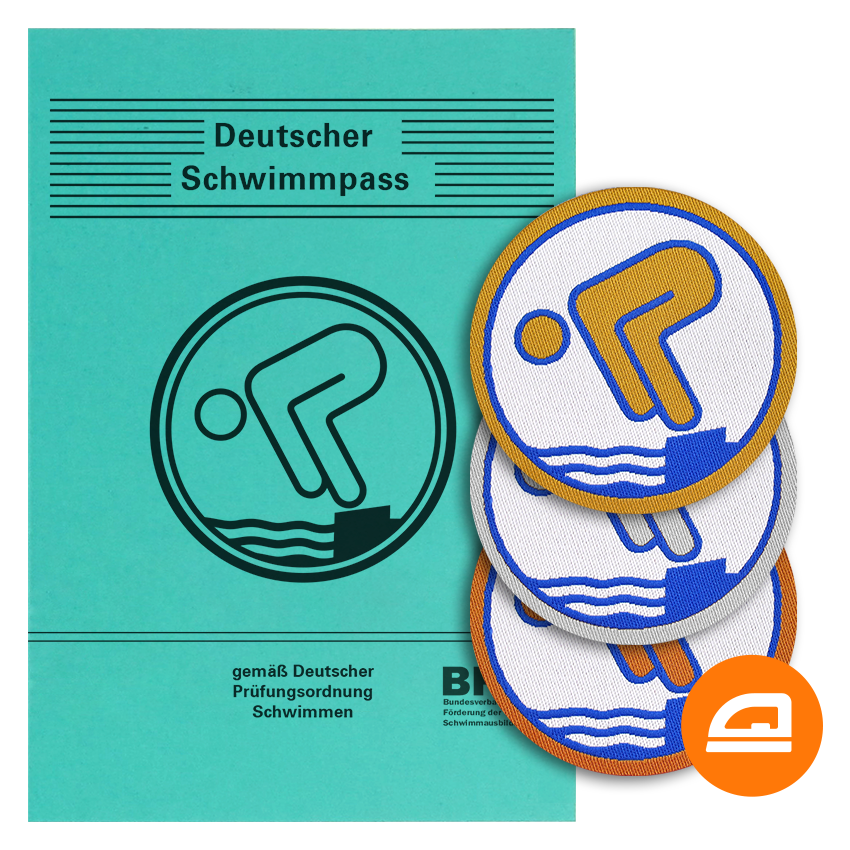
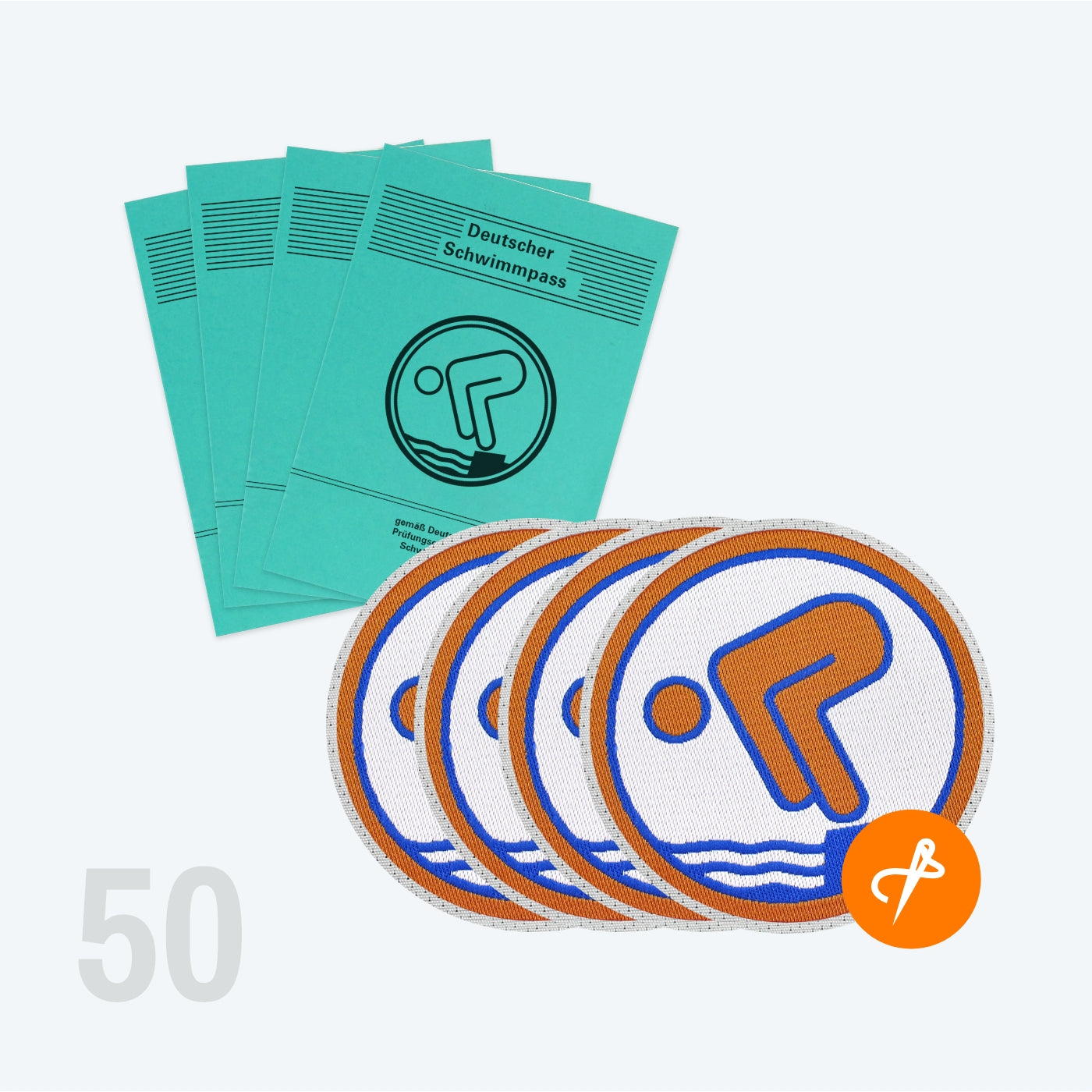
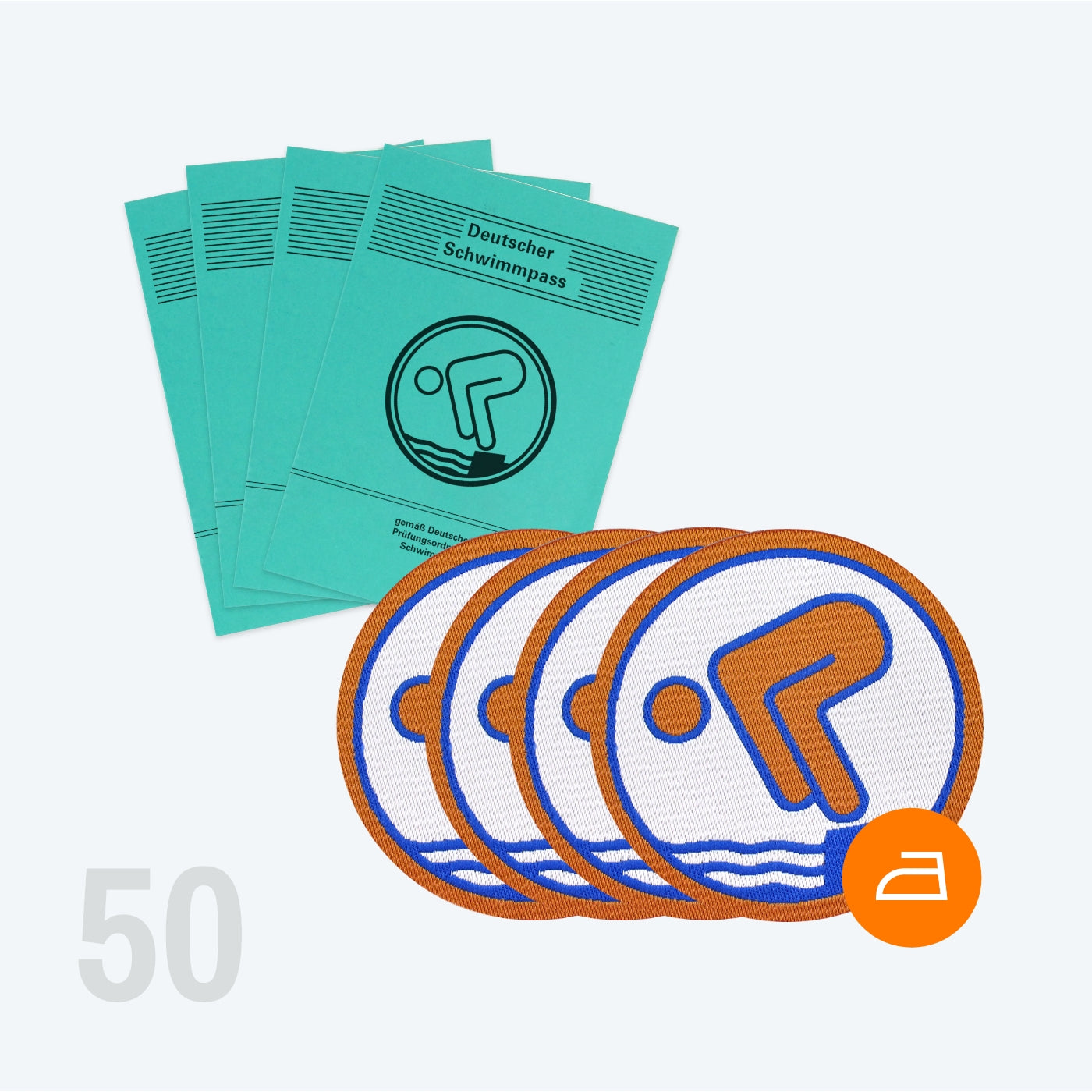
Discover authentic DLRG-certified awards in child-friendly designs now at German Swimming Badges Bronze, Silver, Gold & German Swimming Pass. With Pimpertz, you get durable products with fast delivery and personal service. This allows you to make your children's and swimming students' learning success visible and tangible.
Start your order now at pimpertz.de and rely on tested quality. For over 38 years, Pimpertz has been your reliable partner for swimming badges and accessories. For individual wishes, we also recommend a look at the Lele Pahu Swimming Badges & Certificates. Official certificates and lovingly designed collectibles ensure the best motivation. Don't miss the chance to honor your swimmers safely and proudly.
Frequently Asked Questions
What are the requirements for the DLRG Bronze badge?
The requirements include a minimum age of 7 years, basic swimming skills (ideally the Seepferdchen badge), physical fitness, mental readiness, and mastery of breaststroke or crawl swimming technique.
What does the practical examination for the DLRG Bronze badge look like?
The practical exam includes swimming techniques, endurance tests over a specified distance (typically 200 meters), and rescue exercises. Trainers assess the participants' technique, safety awareness, and reaction capability.
Which swimming techniques must participants master for the Bronze badge?
Participants must master basic swimming techniques, especially breaststroke and crawl swimming. Precise movements and efficient swimming movements are also important.
How does the DLRG Bronze badge differ from Silver and Gold?
The DLRG Bronze badge focuses on basic swimming skills and simple rescue exercises, while the higher badges Silver and Gold require advanced techniques, more complex rescue scenarios, and longer swimming distances.