
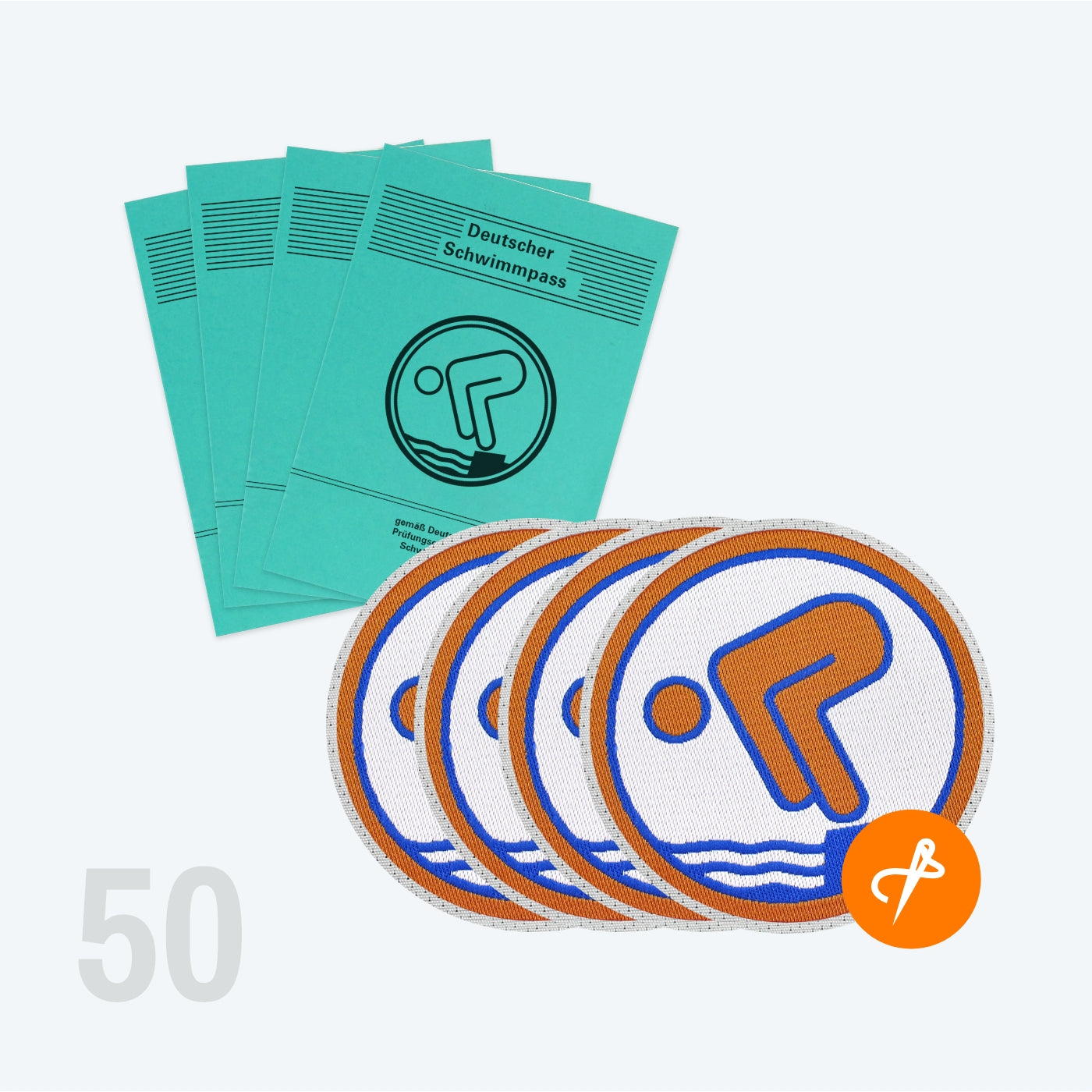
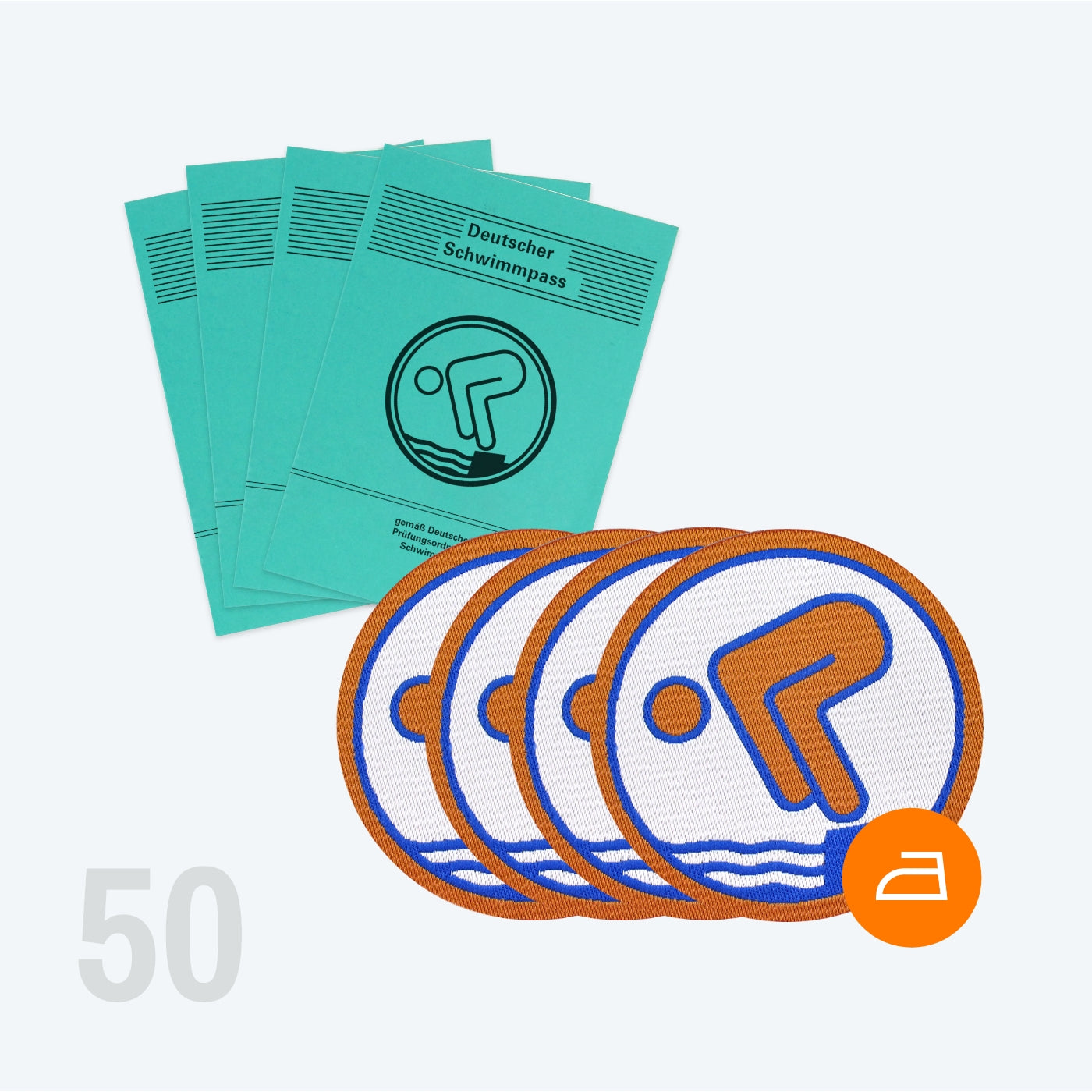
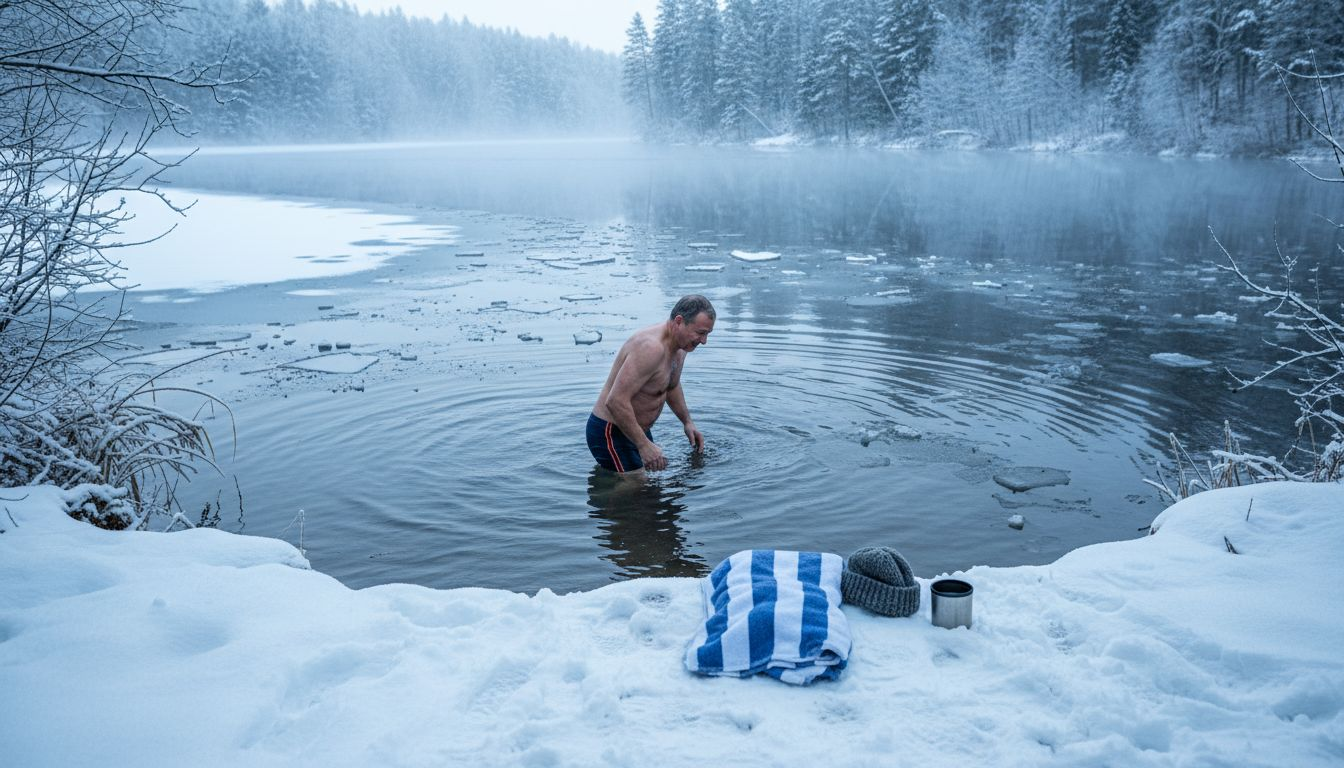
Many parents are surprised to learn that cold water swimming is becoming increasingly popular with families in countries like Sweden and Germany. For preschool children, playfully approaching the cold can not only sustainably strengthen the immune system but also promote mental resilience. Using swimming badges specifically for motivation combines healthy exercise with genuine feelings of success that make children proud and give parents peace of mind.
Table of Contents
- What does cold water swimming mean and why?
- Health benefits of cold water swimming
- Types and methods: winter swimming, cold water swimming, ice bathing
- Safe preparation and proper equipment
- Risks, warning signs and medical recommendations
- Motivation through swimming badges and rewards
Key Insights
| Point | Details |
|---|---|
| Cold water swimming | Cold water swimming, also known as ice bathing, is a method for targeted physiological adaptation of the body to extreme cold. |
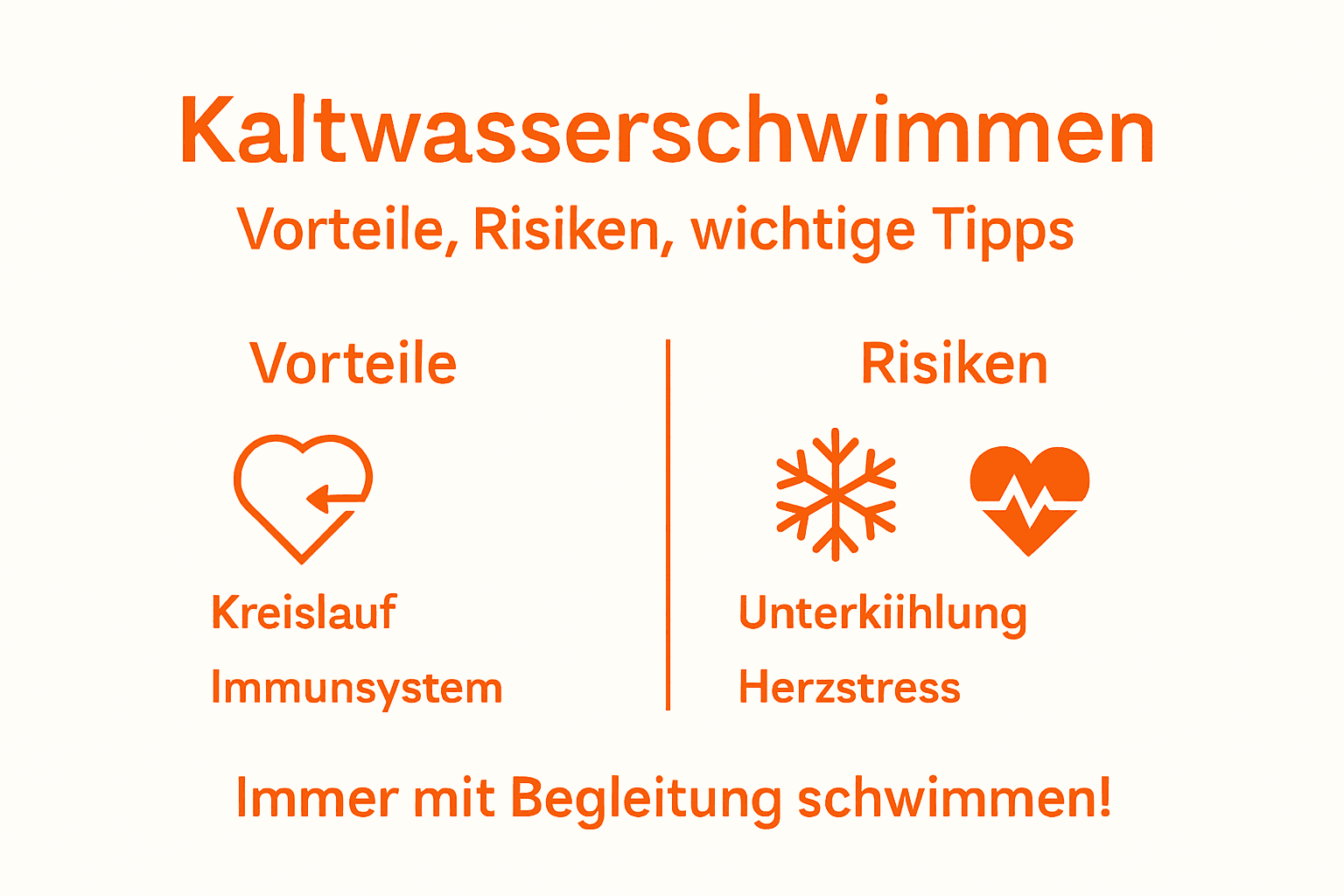
| Health benefits | Cold water swimming strengthens the cardiovascular system and promotes the release of health-promoting hormones. |
| Safe preparation | A comprehensive medical examination and gradual acclimatization to the cold are crucial for safety. |
| Warning signs and recommendations | Pay attention to symptoms such as shivering and shortness of breath, which may indicate health risks, and seek medical help if necessary. |
What does cold water swimming mean and why?
Cold water swimming is a special form of swimming where athletes deliberately swim in very cold water, typically at temperatures around or even below freezing point. This method, also known as ice bathing, represents a controlled challenge for the human body, triggering targeted physiological adaptation responses.
The principle of cold water swimming is based on a complex physical stress reaction. When the body is confronted with extremely cold water, it reduces blood flow to the skin to protect vital core temperature. This reaction activates protective and regulatory mechanisms that can potentially have health-promoting effects.
According to Barmer, an increasing number of people are practicing cold water swimming as a conscious health strategy. Water temperatures are usually below 15 degrees Celsius, and methods range from calmly staying in the water to active swimming. Gradual acclimatization and a responsible approach are important to minimize risks.
Pro tip: Always start cold water swimming under professional supervision and increase duration and intensity extremely slowly to avoid overstraining your body.
Health benefits of cold water swimming
Cold water swimming offers a range of surprising health benefits that are scientifically proven. Several studies show positive effects on body and mind that go far beyond a simple sport.
A key benefit lies in the activation of the cardiovascular system. During cold water swimming, blood vessels constrict and expand, which significantly improves circulation. At the same time, hormones such as adrenaline, endorphins, and anti-inflammatory cortisone are released, which strengthen the immune system and accelerate regeneration processes.
Further positive effects include reduced stress levels, increased mental resilience, and potentially shorter illness durations. Physiological reactions of the body ensure a natural adaptation to cold stimuli and can sustainably increase physical performance.
Pro tip: Always start cold water swimming slowly and under the supervision of a specialist to avoid overstraining your body and to safely enjoy the positive effects.
Types and methods: winter swimming, cold water swimming, ice bathing
Cold water swimming encompasses various methods, which differ in temperature, intensity, and execution. The three main forms are winter swimming, cold water swimming, and ice bathing, each with its own characteristic features and challenges.
Winter swimming typically takes place in natural waters at cold outdoor temperatures. Cold water swimming can be performed both statically (calmly staying in the water) and dynamically (active movement). Ice bathing is defined by water temperatures near freezing point, with the intensity and duration depending on the individual's experience level.
The International Ice Swimming Association defines precise competition conditions for ice bathing, especially at temperatures below 5 degrees Celsius. These different forms each have specific physiological effects that require careful preparation and adaptation.
Here is an overview of the main forms of cold water swimming and their special features:
| Method | Water Temperature | Typical Duration | Main Goal |
|---|---|---|---|
| Winter Swimming | 5–15 °C | 2–10 minutes | Recovery, Well-being |
| Cold Water Swimming | 8–15 °C | 5–20 minutes | Fitness, Adaptation |
| Ice Bathing | 0–5 °C | 0.5–3 minutes | Extreme stimuli, Competition |
Pro tip: Always start with short immersion times and gradually increase them to gently acclimatize your body to the cold stimuli.
Safe preparation and proper equipment
Safe preparation for cold water swimming always begins with a comprehensive medical examination and a conscious, gradual introduction to cold stimuli. This means not only checking physical fitness but also developing mental strategies for coping with the cold.
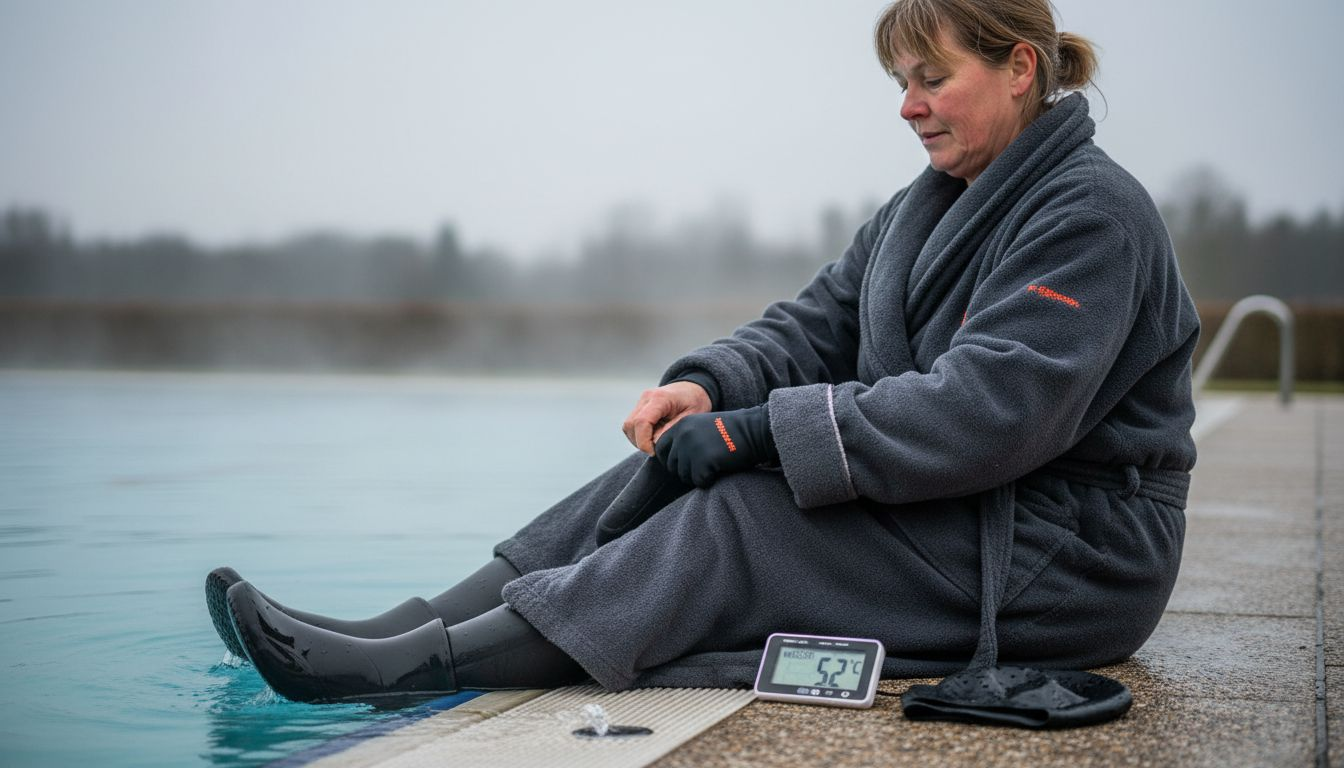
Equipment plays a crucial role in safety and comfort. Neoprene gloves, neoprene shoes, and silicone caps are recommended to minimize heat loss. Important safety measures include slow adaptation and cautious immersion - never jump headfirst into cold water, but gently accustom your body.
This table summarizes typical equipment for cold water swimming and its functions:
| Equipment | Function | Advantage for Swimmers |
|---|---|---|
| Neoprene Gloves | Cold protection for hands | Longer swimming duration possible |
| Neoprene Shoes | Foot insulation | Better ground contact |
| Silicone Cap | Head heat retention | Reduced heat loss |
For beginners: Swimming duration should initially be limited to one to two minutes. The presence of companions is essential to minimize risks and provide quick help in an emergency. Good preparation also means knowing individual limits and respectfully dealing with the challenges of cold water.
Pro tip: Start with short, controlled cold water contacts like cold showers and gradually increase the duration to gently train your body.
Risks, warning signs, and medical recommendations
Cold water swimming carries specific health risks that require careful medical assessment and preparation. Sudden temperature changes are particularly dangerous, as they can trigger unexpected physiological reactions.
The most important warning signs during cold water swimming include: severe shivering, numbness in hands and feet, dizziness, confusion, and shortness of breath. These symptoms can indicate the onset of hypothermia or cardiovascular overload and require immediate attention and potentially medical intervention.
Medical recommendations emphasize the need for a comprehensive preliminary examination, especially for individuals with cardiovascular diseases, high blood pressure, or other pre-existing conditions. An exercise ECG and a detailed medical history can identify potential risks early and help determine individual limits.
Pro tip: Before you start cold water swimming, get a thorough examination and consultation from a sports physician to understand your personal health risks.
Motivation through swimming badges and rewards
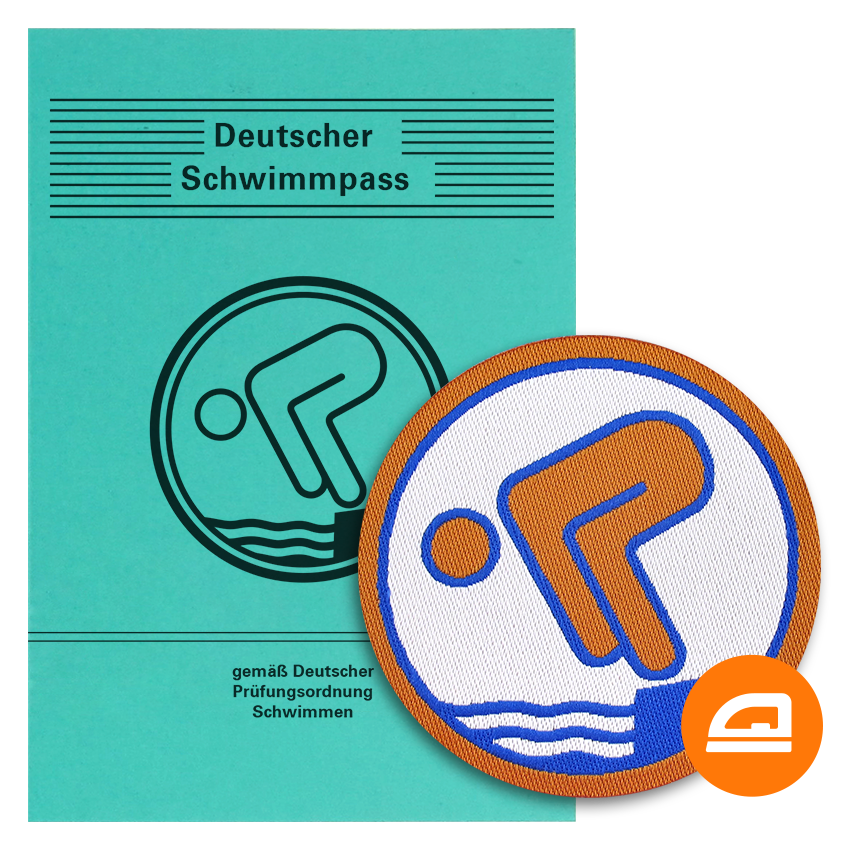
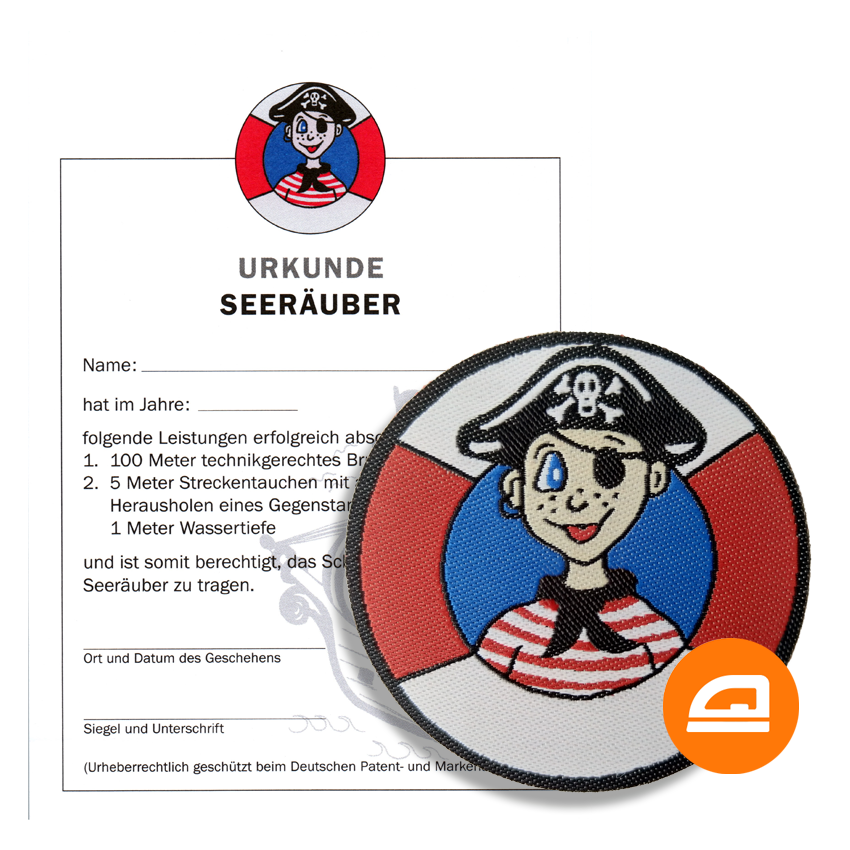
Swimming badges play a central role in motivating cold water swimmers. They serve not only as recognition of individual achievements but also promote safety and community bonding in this special sport.
The badges are typically awarded in different difficulty levels, documenting progress and skills in cold water swimming. Clubs and organizations develop motivational programs that encourage participants to regular training and safe further development of their skills through tiered rewards.
These badges have several important functions: they motivate athletes, document progress, promote safety, and create a community culture. Each new level represents not only an athletic achievement but also a growing understanding of the challenges and techniques of cold water swimming.
Pro tip: Collect your swimming badges systematically and use them as personal development documentation and a motivational incentive.
Healthy and safe cold water swimming with Pimpertz
Cold water swimming offers impressive benefits such as increased fitness and mental strength, but also carries risks that you should not underestimate. The right preparations and motivating support through swimming badges can help you safely document your progress and master the cold with confidence. Especially if you want to systematically expand your cold water swimming skills, official swimming badges and high-quality accessories are of great importance.
Discover at Pimpertz a comprehensive range of original swimming badges and customizable accessories that support you precisely in this process. Whether you are a beginner or an experienced cold water swimmer, you benefit from 38 years of experience and an official partnership with the DLRG and the BFS. Start your journey to safe cold water swimming directly with motivating awards and practical gift sets that accompany you in your training.
Visit pimpertz.de now and secure your swimming badges to make your progress visible. This way, you combine health benefits with a playful incentive and fully enjoy the fascination of cold water swimming.
Frequently Asked Questions
What are the health benefits of cold water swimming?
Cold water swimming activates the cardiovascular system, improves blood circulation, and strengthens the immune system by releasing hormones such as adrenaline and endorphins.
What methods are there for cold water swimming?
The main methods are winter swimming, cold water swimming, and ice bathing. Each method has specific water temperatures and goals, such as recovery or competition.
How do I safely prepare for cold water swimming?
Safe preparation includes a medical examination, gradual acclimatization to cold, and the use of appropriate equipment such as neoprene gloves and shoes.
What risks are associated with cold water swimming?
Risks include hypothermia, shortness of breath, and dizziness, especially with sudden temperature changes. Important warning signs are severe shivering and numbness in the extremities.