

Kids' Neoprene Shorty: 30% More Thermal Protection While Swimming
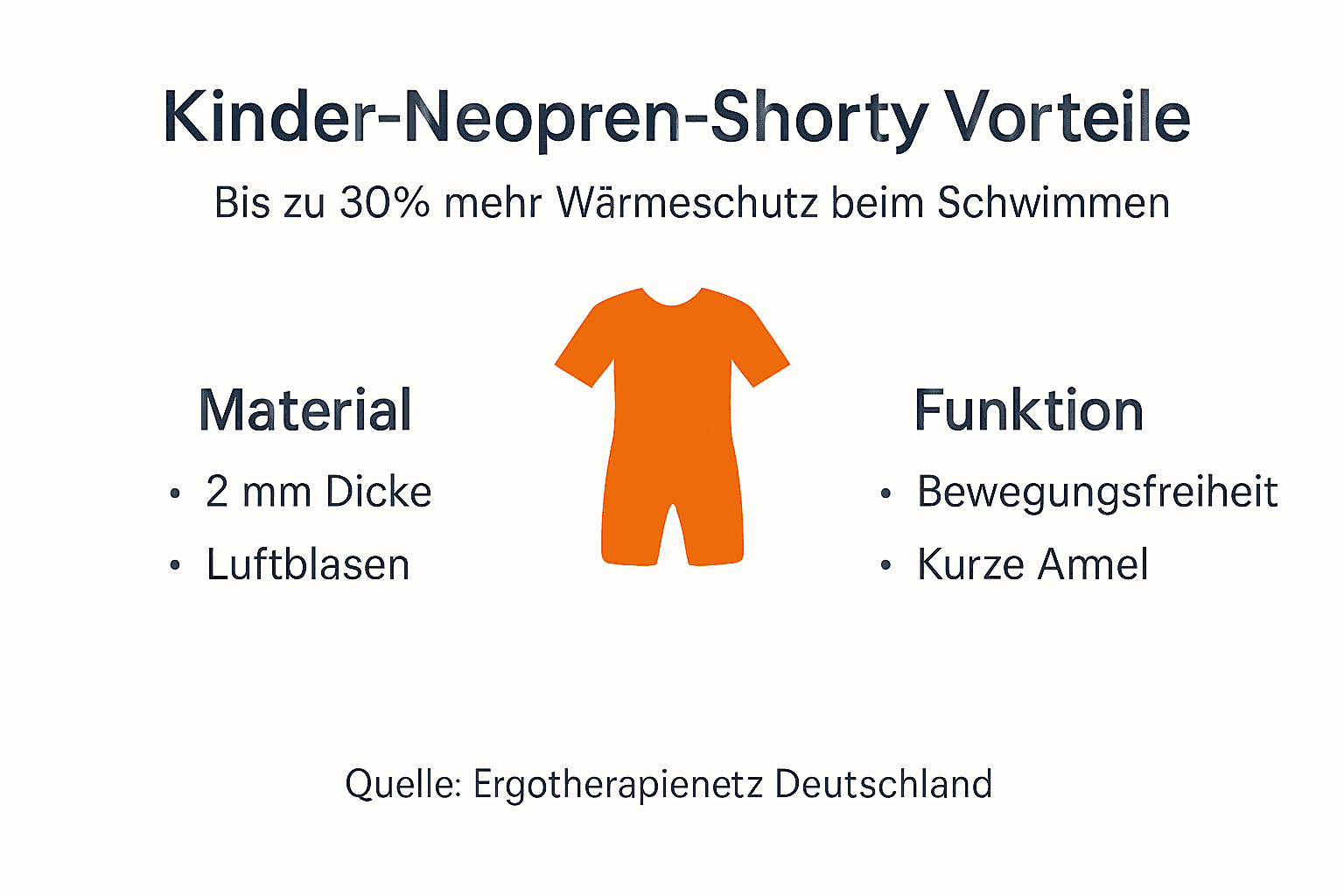
A neoprene shorty protects body temperature in water up to 30% better than conventional clothing. For preschool children, this means longer, more enjoyable swimming times without getting cold. This guide shows you what to look for in terms of material, fit, and care to ensure optimal thermal protection for your child.
Table of Contents
- Why are Neoprene Shorties Important for Children While Swimming?
- Material Properties of Neoprene Shorties for Children
- Fit and Size Selection for Preschool Children
- Common Misconceptions and Truths about Neoprene Shorties
- Care, Longevity, and Safety When Using Neoprene Shorties
- Practical Application and Recommendations for Parents
- Discover Suitable Swimming Accessories for Your Children at Pimpertz
- FAQ – Neoprene Shorties for Preschool Children
Key Insights at a Glance
| Point | Details |
|---|---|
| Insulation Principle | Neoprene effectively insulates against cold through trapped air bubbles |
| Optimal Thickness | 2 to 3 mm offer the best balance of thermal protection and mobility |
| Fit is Crucial | Snug fit prevents water entry and heat loss |
| Not a Swimming Aid | Neoprene protects against cold, but does not replace buoyancy aids |
| Care Extends Use | Regular rinsing and proper storage increase durability |
Why are Neoprene Shorties Important for Children While Swimming?
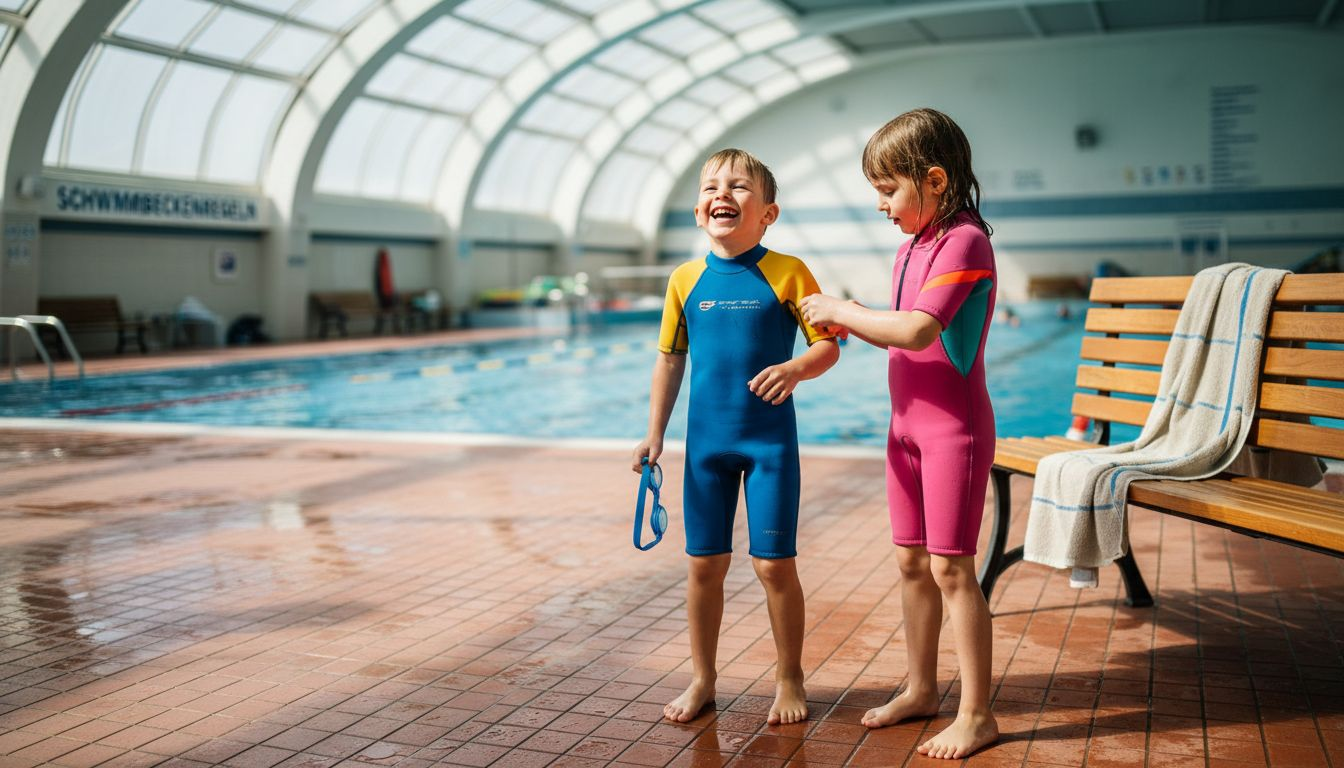
Children lose body heat in water significantly faster than adults. Their thin skin and not yet fully developed thermoregulation make them particularly susceptible to cooling down. Neoprene protects children from cold much better than conventional clothing while swimming, thus considerably extending their time in the water.
The functionality is simple: Neoprene consists of rubber with countless tiny air bubbles. These air pockets form an insulating layer between the skin and the water. As soon as the child slips into the shorty, a thin layer of water between the material and the skin warms up to body temperature. This layer acts like a personal heat reservoir.
Special advantages for preschool children:
- Longer practice times without interruptions due to cold breaks
- Higher motivation due to pleasant temperature comfort
- More concentration on swimming movements instead of feeling cold
- Lower risk of hypothermia during longer swimming sessions
Another important point: Increased swimming time due to better thermal protection leads to faster learning progress. Children who feel comfortable in the water are more open to new exercises and show less fear. The neoprene suit shorty offers exactly this protection and comfort that young swimming beginners need.
“Neoprene turns cold water into a pleasant environment where children can play and learn longer.”
Material Properties of Neoprene Shorties for Children
Neoprene fundamentally differs from other materials. The closed-cell foam offers significantly better insulation than nylon or polyester fabrics. The trapped air conducts heat minimally, while the flexible material adapts perfectly to the body shape.
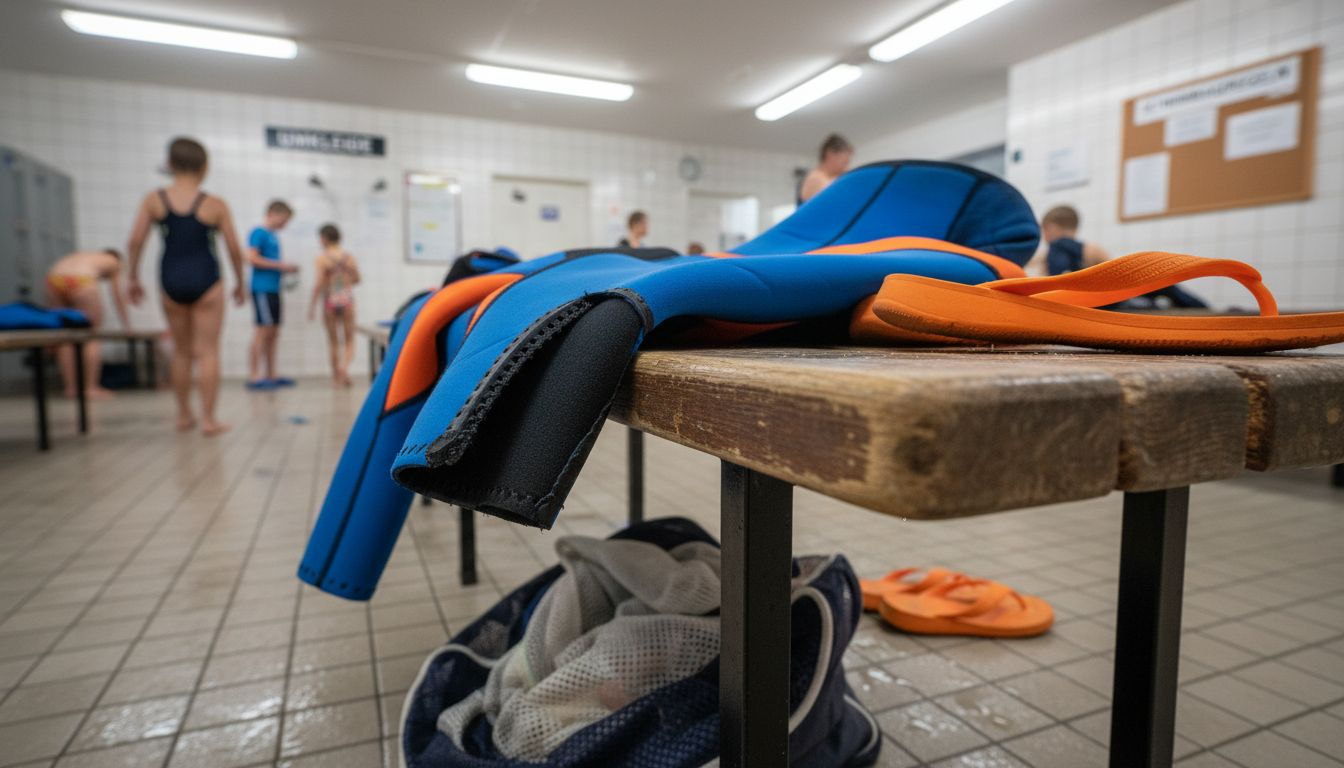
The material thickness determines the balance between thermal protection and freedom of movement. For preschool children, experts recommend 2 to 3 mm thick neoprene. This thickness effectively protects against cooling down without restricting the child's mobility. Thinner materials are only suitable for very warm indoor pools; thicker ones can impair freedom of movement.
| Material Thickness | Water Temperature | Area of Use | Mobility |
|---|---|---|---|
| 1-2 mm | 28-30°C | Warm indoor pools | Very high |
| 2-3 mm | 24-28°C | Standard swimming pool | High |
| 3-4 mm | 20-24°C | Cool lakes, outdoor pools | Medium |
The flexibility of the material plays a central role in a child's development in the water. Neoprene stretches in all directions and adapts to every movement. Children can swim, dive, and play freely without the suit constricting or hindering movements. This property makes neoprene particularly suitable for swimming lessons.
Pro Tip: For indoor pools with a constant 26-28°C, choose a 2 mm material. For outdoor pools, lakes, or colder environments, opt for 3 mm neoprene. This ensures your child neither freezes nor overheats.
Fit and Size Selection for Preschool Children
The perfect fit determines the protective effect. A shorty that is too large allows cold water to constantly enter and drastically reduces the insulation effect. A shorty that is too small constricts, restricts movement, and makes swimming uncomfortable.
Standard sizes are based on age, height, and weight. For 3- to 4-year-old children, sizes between 92 and 104 usually fit, for 5- to 6-year-olds between 104 and 116. These figures vary between manufacturers, so you should always check the specific size chart.
Checklist for the right fit:
- The shorty fits snugly without wrinkling
- Arms and legs can move freely
- The zipper closes completely without tension
- No visible gap between suit and skin
- The child can breathe and bend down independently
A correct fit of the neoprene shorty prevents water from flowing between the material and the skin. Precisely this water circulation would continuously dissipate body heat. The suit must fit like a second skin, but never constrict or cause pressure points.
Pro Tip: Measure your child before purchasing. You need height, chest circumference, and waist circumference. Compare these values with the manufacturer's size chart. If values fall between two sizes, choose the smaller one, as neoprene stretches slightly when worn.
Common Misconceptions and Truths about Neoprene Shorties
Many parents mistakenly believe that a neoprene shorty can replace swim wings or other buoyancy aids. This is dangerous. Neoprene offers minimal buoyancy, which is completely insufficient for swimming beginners. The shorty protects exclusively against cold, not against drowning.
Another common assumption: In warm indoor pools, children don't need neoprene protection. Even at 26-28°C water temperature, small children cool down during longer swimming sessions. The body continuously loses heat to the water. A shorty considerably extends the comfortable swimming time, even in heated pools.
Important Clarifications:
- Neoprene protects against cold, but offers no buoyancy
- Even warm indoor pools can lead to cooling down during long stays
- The fashionable aspect is secondary, function is paramount
- Neoprene does not protect against falls, slipping, or other accidents
- The combination of shorty and swimming aid offers optimal safety
Many parents also overestimate the protective duration of a neoprene suit. Material ages, loses elasticity, and develops micro-cracks. After 1 to 2 years of intensive use, the protective effect diminishes. Regular visual inspections show when a replacement is needed. The combination of neoprene and swimming aids is recommended for maximum safety.
Care, Longevity, and Safety When Using Neoprene Shorties
Proper care doubles the lifespan of a neoprene shorty. Chlorine, salt water, and sun exposure attack the material and accelerate the aging process. With a few simple steps, you can protect your investment.
Step-by-step care instructions:
- Rinse the shorty thoroughly with fresh water after each use
- Remove chlorine and salt residues completely from inside and out
- Hang the suit on a wide hanger in a shaded, airy place
- Avoid direct sunlight and proximity to heaters
- Store the dry shorty flat or hanging, never folded
- Do not use a washing machine or aggressive cleaning agents
The average lifespan is 1 to 2 years. This timeframe depends heavily on frequency of use and care. Children who swim several times a week will need a replacement sooner than those with occasional use. Visible signs of wear such as tears, severe discoloration, or decreasing elasticity signal the need for replacement.
Safety is paramount. Neoprene protects against cold, but never against drowning or accidents. Never leave children unattended in the water, even with a neoprene shorty. The suit can even be a hindrance in emergencies, as it adds weight and makes quick removal difficult.
Pro Tip: Perform a visual inspection before each use. Check seams, zipper, and material for damage. Small tears can quickly enlarge in water and negate the protective effect. Replace damaged suits immediately.
Practical Application and Recommendations for Parents
Neoprene shorties unfold their full benefit in various situations. In swimming lessons, they enable longer practice units without cold breaks. Children remain focused and motivated because they feel comfortable. The learning curve noticeably increases.
When playing in the outdoor pool or at the lake, the shorty protects against hypothermia during extended splashing sessions. Children can stay in the water for hours without parents having to constantly take warm-up breaks. This increases the fun factor for the whole family.
Important usage tips:
- Always combine the shorty with suitable swimming aids for non-swimmers
- Put on the suit before water contact, not in the water
- Gradually accustom your child to the tight material
- Use the shorty even in cloudy weather at the lake or sea
When purchasing, you should pay attention to quality features. Certified models with test seals guarantee pollutant-free materials and safe processing. German retailers often offer comprehensive advice and detailed size charts. Use in swimming lessons quickly shows whether the fit and material are right.
Many swimming schools now recommend neoprene shorties for their courses. The advantages are obvious: children freeze less, learn faster, and show more joy in the water. This positive experience shapes their attitude towards swimming sustainably. Neoprene proves itself in everyday swimming, day after day.
Discover Suitable Swimming Accessories for Your Children at Pimpertz
In addition to proper thermal protection, awards greatly motivate children during swimming lessons. Every step forward deserves recognition. High-quality swimming badges from Pimpertz set visible milestones and encourage new goals.
The popular Bobby swimming badge often marks the first major success in the water. It shows children that their efforts pay off. Combined with official Seepferdchen certificates and swimming passes, a comprehensive motivational system is created that accompanies children through all learning stages.
FAQ – Neoprene Shorties for Preschool Children
How do I choose the right size for my child?
Measure your child's body with a tape measure and compare it with the manufacturer's size chart. Measure height, chest circumference, and waist circumference precisely. The shorty must fit snugly but should not restrict movement. For in-between sizes, choose the smaller option, as neoprene stretches slightly when worn.
Can my child put on and take off the neoprene shorty by themselves?
This depends on your child's age and dexterity. Preschool children usually need assistance, especially if the material is damp. Neoprene adheres to wet skin, making it considerably harder to put on and take off. With patience and regular practice, children increasingly learn to handle the shorty independently. A zipper at the back significantly facilitates the process.
How long does a neoprene shorty last for preschool children?
With careful care and regular use, you can expect a lifespan of 1 to 2 years. Frequent swimming, intense sun exposure, and improper storage shorten the lifespan. Replace the shorty as soon as you notice tears, significantly reduced flexibility, or clear material fatigue. The protective effect will then noticeably decrease.
Is neoprene also suitable for swimming pools with warm water?
Yes, even at 26-28°C water temperature, neoprene significantly increases comfort. Children continuously lose body heat even in warm pools, especially during longer swimming sessions. A thin shorty with 2 mm material thickness offers optimal protection without overheating. The extended swimming time and higher motivation justify its use even in heated indoor pools.
Does my child need additional swimming aids despite a neoprene shorty?
Absolutely yes. Neoprene exclusively protects against cold and offers no significant buoyancy. Swimming aids such as swim wings or life jackets are essential for non-swimmers. The combination of thermal protection and buoyancy aid significantly increases safety in the water. Never rely solely on the neoprene shorty as safety equipment.
Recommendation
- Neoprene Suit Shorty: Protection and Comfort for Children
- Nose Clip for Swimming – More Comfort for Children
- Calorie Consumption Swimming Cold Water – Effect for Children
- Teaching Children to Swim: Tips for Parents and Coaches
- Frozen Children's Shoe Blue/Silver with Elastic - Size 26-32 - Kooistra.com - Stock Buyer and Seller
- How to Effectively Protect Skin in Winter: Essential Tips for Radiant and Comfortable Skin – Vitalcup


