
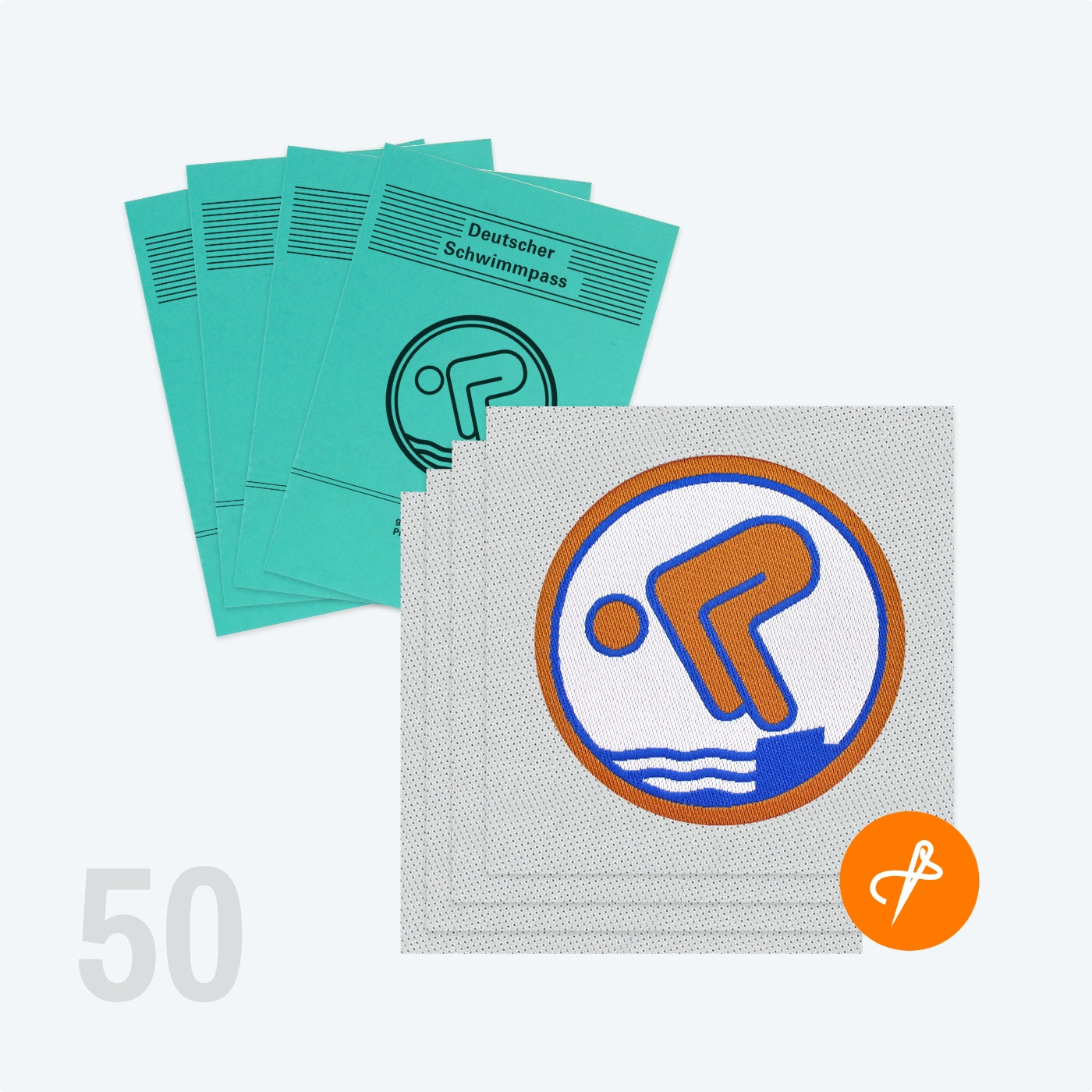
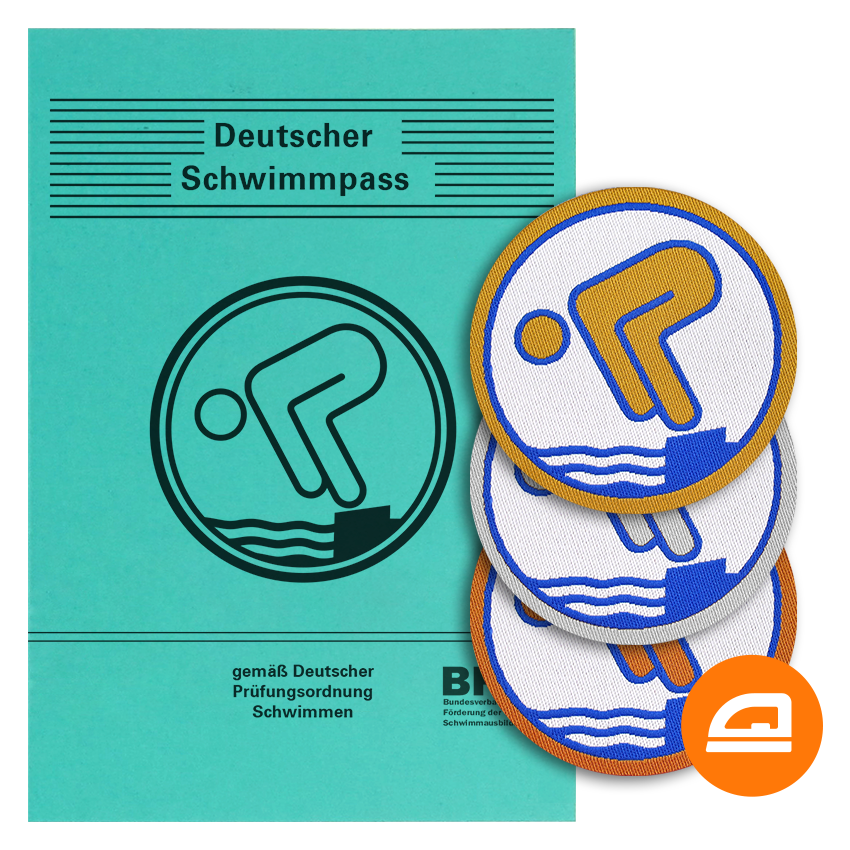
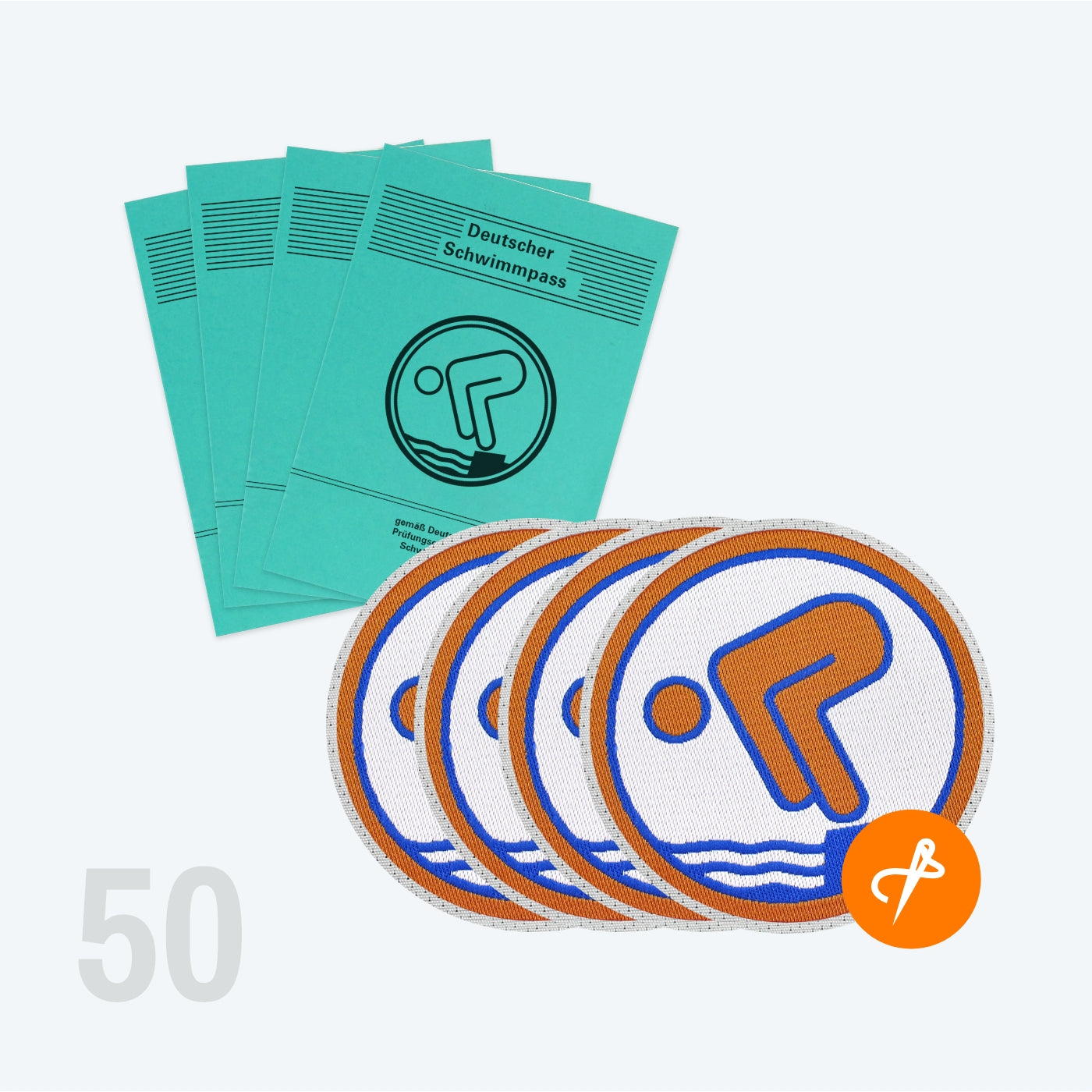
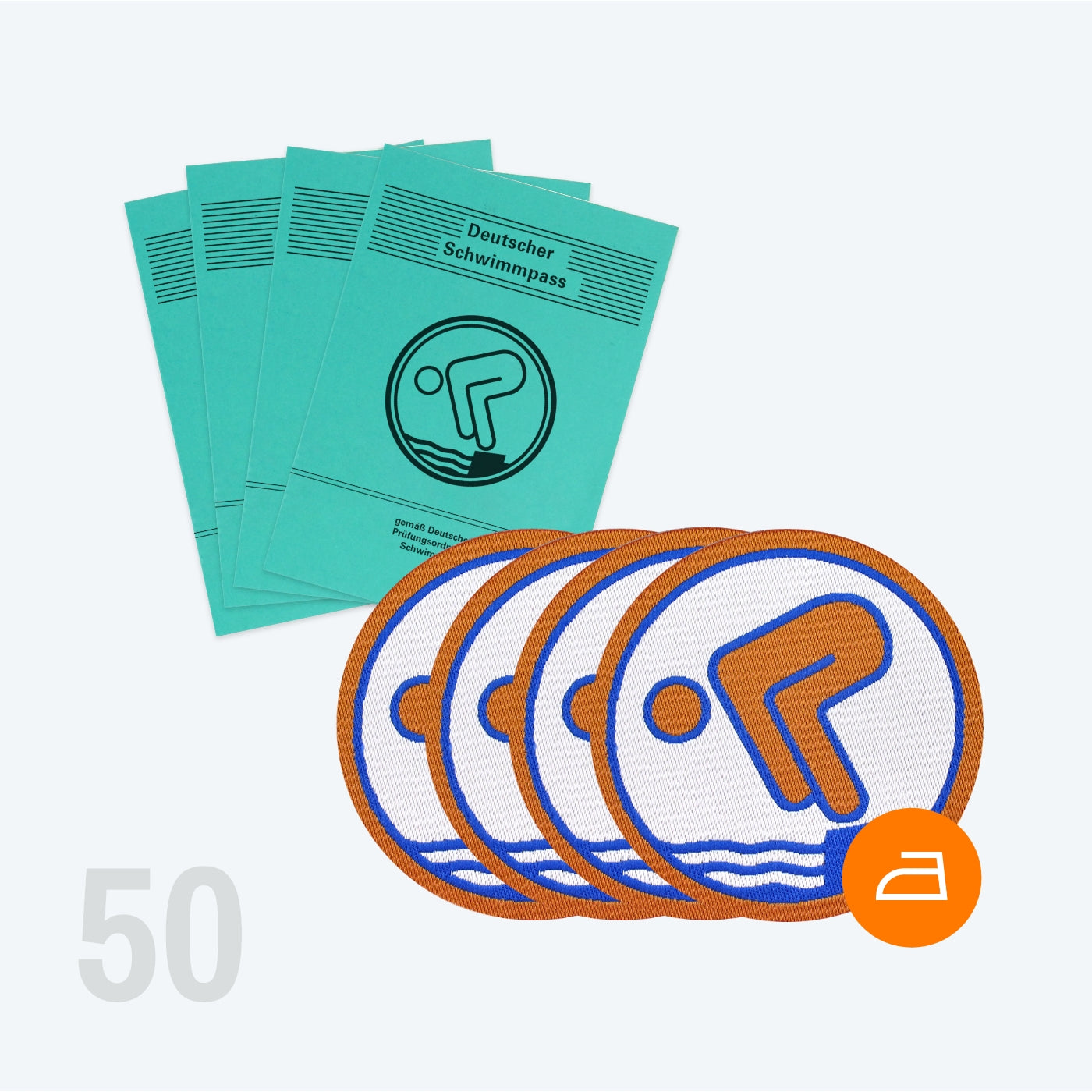
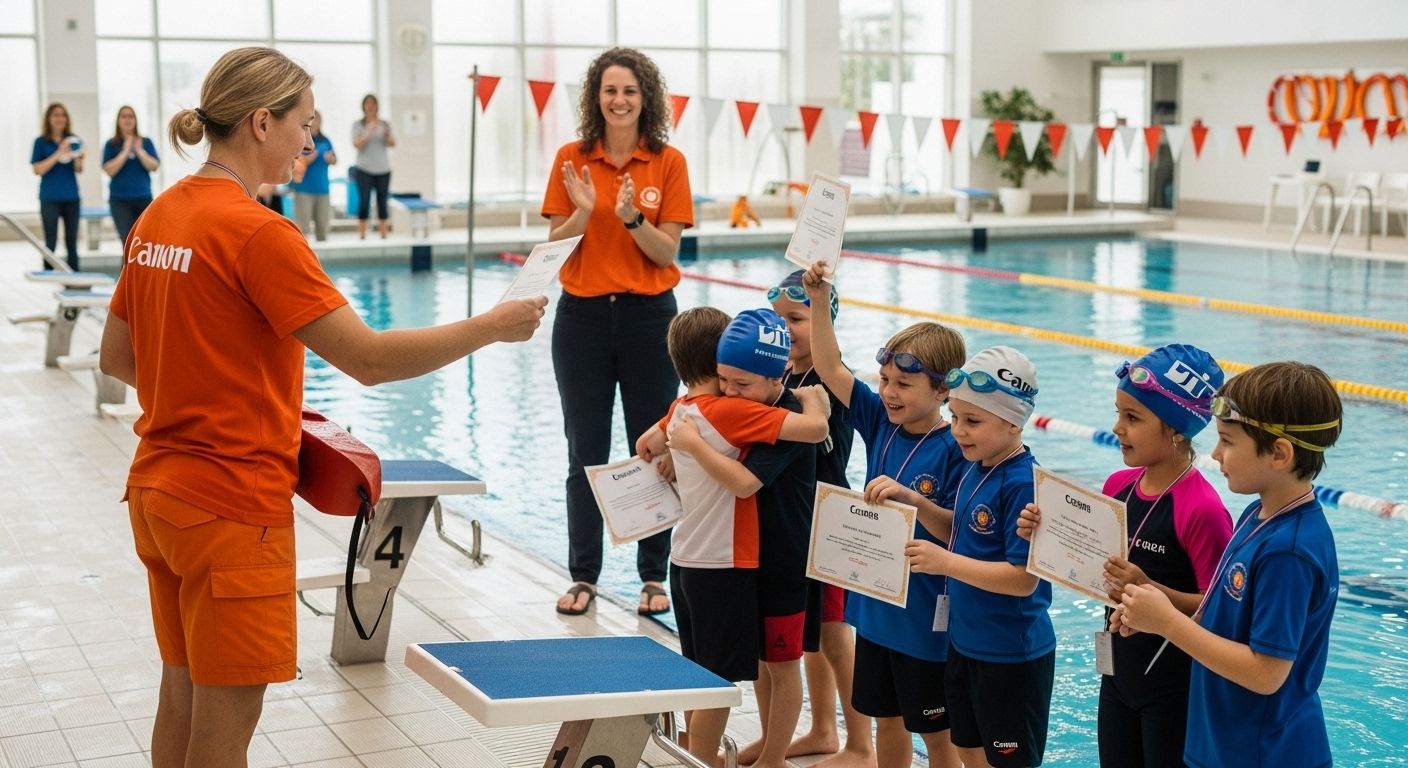
Elementary School Swimming Badges: Understanding, Significance, and Procedure
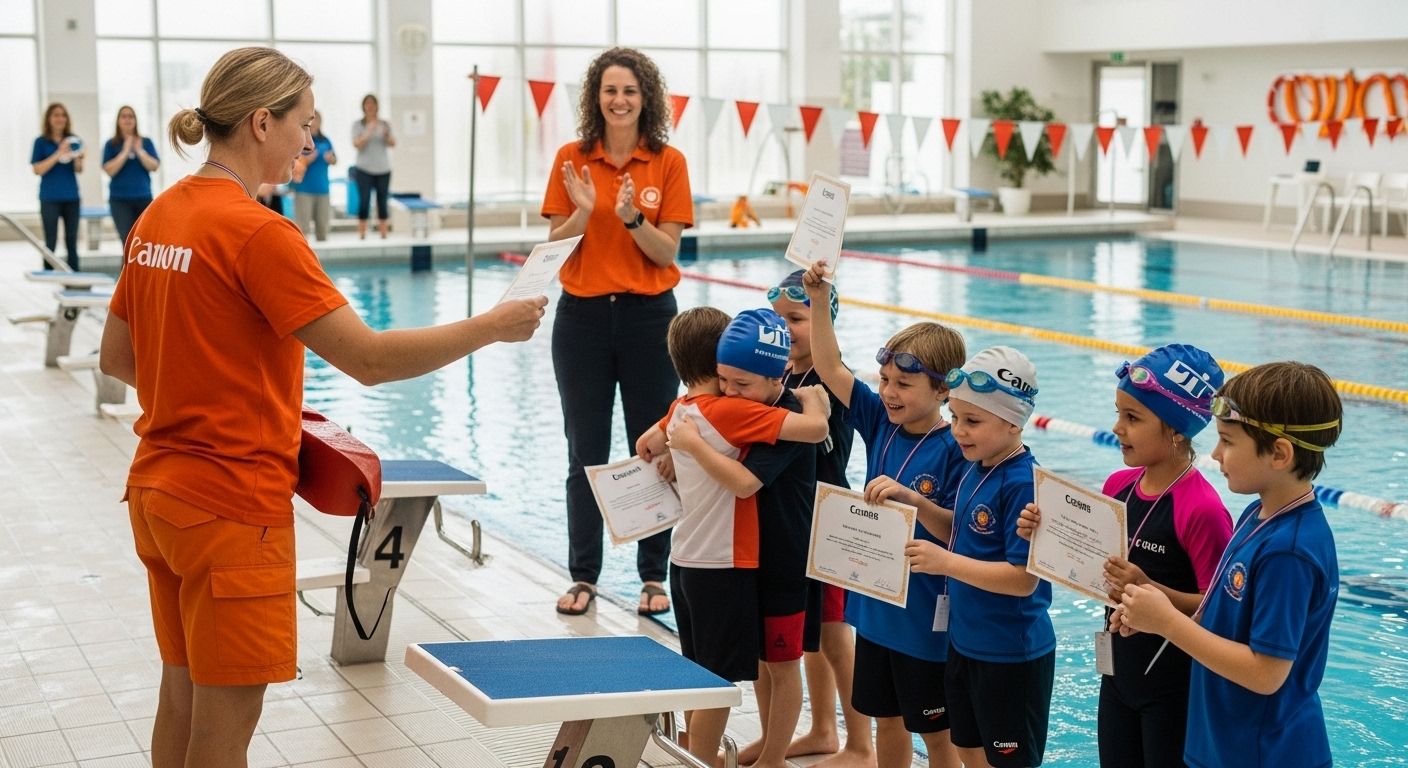
Swimming badges are seen everywhere in German swimming pools and are considered an important part of childhood. Hard to believe, but around 60 percent of primary school children cannot swim safely when they start school. Despite all the colorful certificates and proud parental glances, swimming badges are about much more than a souvenir photo. Because every badge is an invisible shield and can save lives in an emergency.
Table of Contents
- What are swimming badges and what are they for?
- The importance of swimming badges in childhood
- How swimming badges influence swimming lessons
- The different types of swimming badges for primary school students
- How swimming badges promote safety and enjoyment of swimming
Quick overview
| Insight | Explanation |
|---|---|
| Swimming badges promote water safety | They document swimming skills and increase safety awareness in children. |
| Swimming badges motivate further development | They set achievable goals and increase the drive to learn swimming techniques. |
| Badges clearly show progress | They enable parents and teachers to assess and support the development of water safety. |
| Water safety is actively promoted | Through structured training, children can recognize dangers and react correctly. |
| Badges strengthen self-confidence | Each badge achieved is experienced as a personal success, which increases self-esteem. |
What are swimming badges and what are they for?
Swimming badges are important documents that record children's swimming skills in Germany and demonstrate their safety in the water. They function as official certificates that prove that a child masters basic swimming techniques and can move safely in the water.
The importance of swimming badges for children
Swimming badges have a multi-layered meaning for children and their development. They are not just simple certificates, but important milestones in motor and safety-related development.
Within the framework of school education, swimming badges serve as official proof of swimming competence. According to the guidelines of the Conference of Ministers of Education, they document that a child has basic water safety competencies. These badges are part of school health promotion and help parents and teachers understand a child's developmental stage in swimming.
Functions and goals of swimming badges
The main goals of swimming badges include several important aspects:
- Safety in the water
- Documentation of individual swimming skills
- Motivation and recognition for children
Swimming badges motivate children to continuously improve their swimming skills. They provide a clear structure for learning progress and encourage children to learn new swimming techniques. Parents can read additional details about swimming certificates in our comprehensive guide.
For swimming schools, clubs and educational institutions, these badges are a standardized instrument for evaluating and documenting children's swimming competence. They help to measure progress and develop targeted training approaches.
The importance of swimming badges in childhood
Swimming badges play a crucial role in the physical and safety-related development of children. They are much more than just decorative certificates - they are important milestones on the way to water competence and personal safety.
Safety and development promotion
Learning swimming skills is a critical aspect of child development. Swimming badges not only document skills, but also actively promote motor and psychosocial development. They help children build confidence in their own abilities while developing vital safety skills.
According to the guidelines of the German Red Cross, swimming badges are a structured approach to teaching water safety. They classify swimming competence into different levels and enable a gradual development of swimming skills.
Psychological and social aspects
The importance of swimming badges goes far beyond physical safety. They offer children important development opportunities:
- Increasing self-confidence
- Promoting physical coordination
- Learning teamwork and discipline
Children who complete swimming courses and badges not only develop swimming skills, but also learn important life skills. Achieving a swimming badge is often experienced as a personal triumph that increases self-esteem and motivation.
For parents and educators, swimming badges are a transparent instrument for evaluating and documenting children's progress and water safety. They provide a clear overview of the acquired swimming competencies and help to plan targeted support.
The following table gives you an overview of how swimming badges contribute to promoting safety, motivation and development in children.
| Aspect | Contribution of swimming badges |
|---|---|
| Safety | Proof of swimming skills and safe behavior |
| Motivation | Setting achievable goals, visible progress |
| Self-confidence | Each badge as a personal success |
| Motor development | Promotion of coordination and technique |
| Social skills | Experience of teamwork and discipline through course/exam situations |
How swimming badges influence swimming lessons
Swimming badges are more than just documents - they are a structured instrument that fundamentally shapes and organizes swimming lessons. They define learning objectives, motivate students and enable teachers to systematically assess swimming competencies.
Structuring swimming lessons
Swimming badges create a clear framework for swimming lessons by transparently defining learning objectives and competence levels. They divide swimming lessons into sequential levels that help children systematically develop their skills.
According to the guidelines of Curriculum 21, swimming lessons are considered a compulsory part of school education, with swimming badges serving as benchmarks.
Motivation and performance assessment
Swimming badges fulfill several important functions in the teaching context:
- Motivation through achievable goals
- Transparent performance documentation
- Individualization of learning progress
Children receive clear guidance and motivation through swimming courses with defined badges. Each badge represents a developmental step that promotes self-confidence and enjoyment of swimming.
For swimming instructors, the badges offer a standardized instrument for performance assessment. They enable an objective evaluation of individual swimming competencies and help to develop targeted support measures. The badges not only document learning progress, but also motivate children to continuously improve their swimming skills.
The different types of swimming badges for primary school students
Swimming badges for primary school students are more than just certificates - they are a differentiated system for evaluating and promoting water competence. These badges form an important basis for the development of swimming skills and water safety.
The basic levels of swimming badges
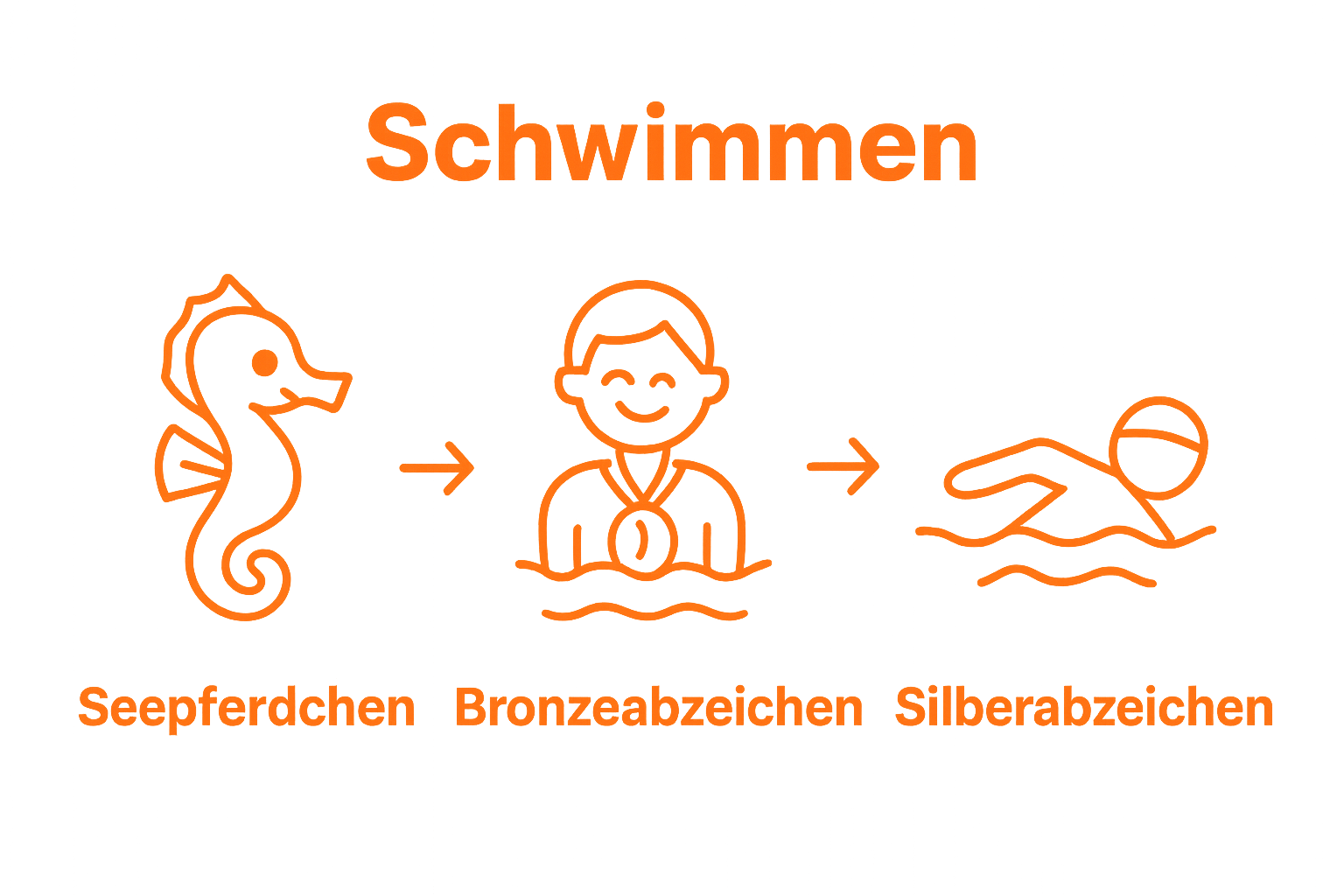
Each swimming badge represents a specific competence level that builds systematically on the previous one. The most important badges for primary school students include:
- Seahorse: The first step
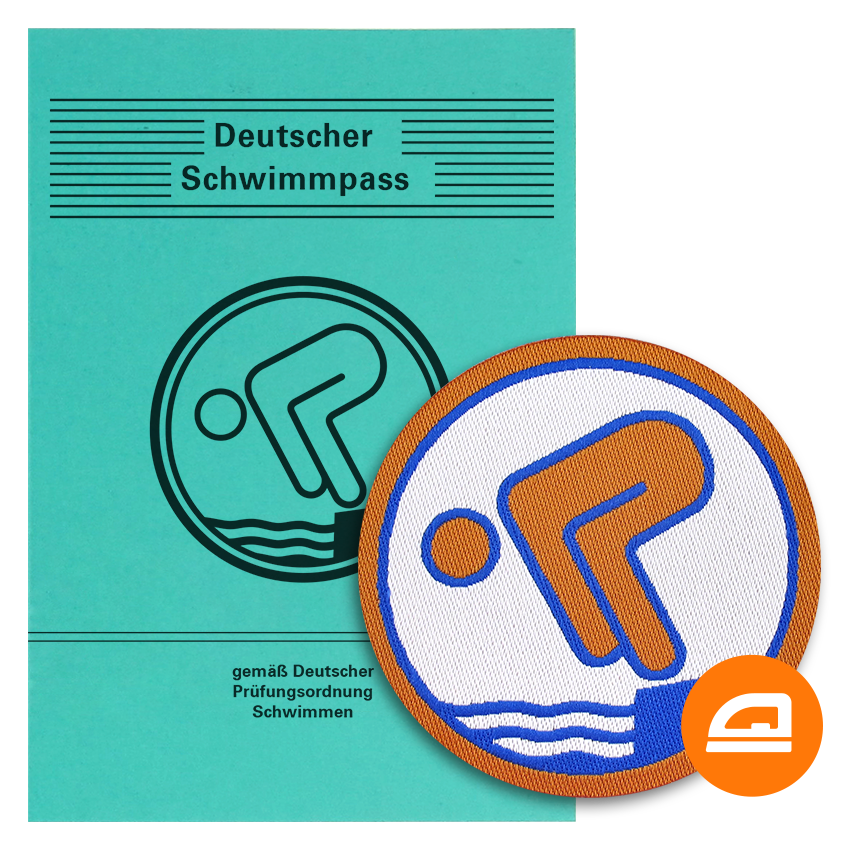
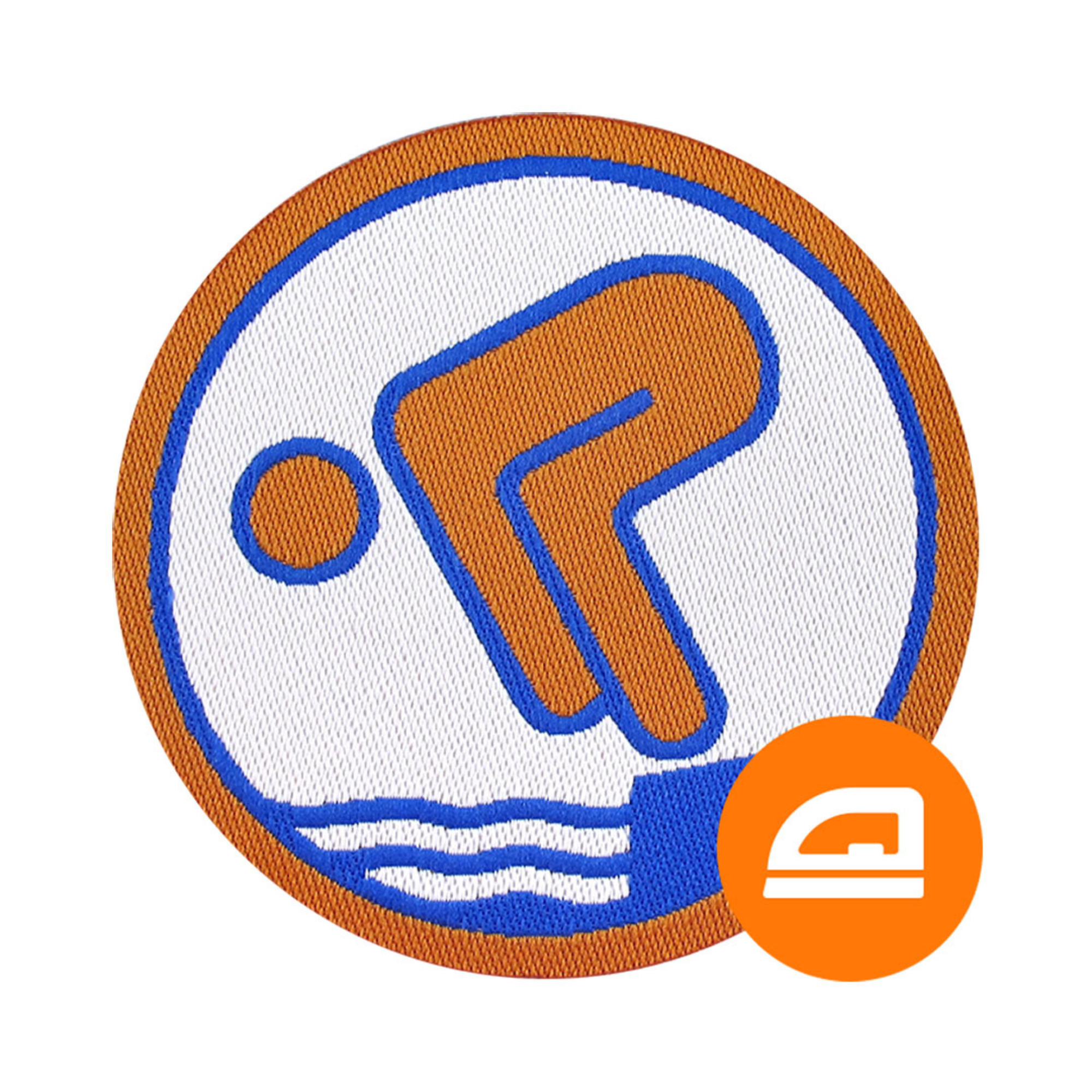
- Bronze badge: Basic swimming skills
- Silver badge: Advanced techniques
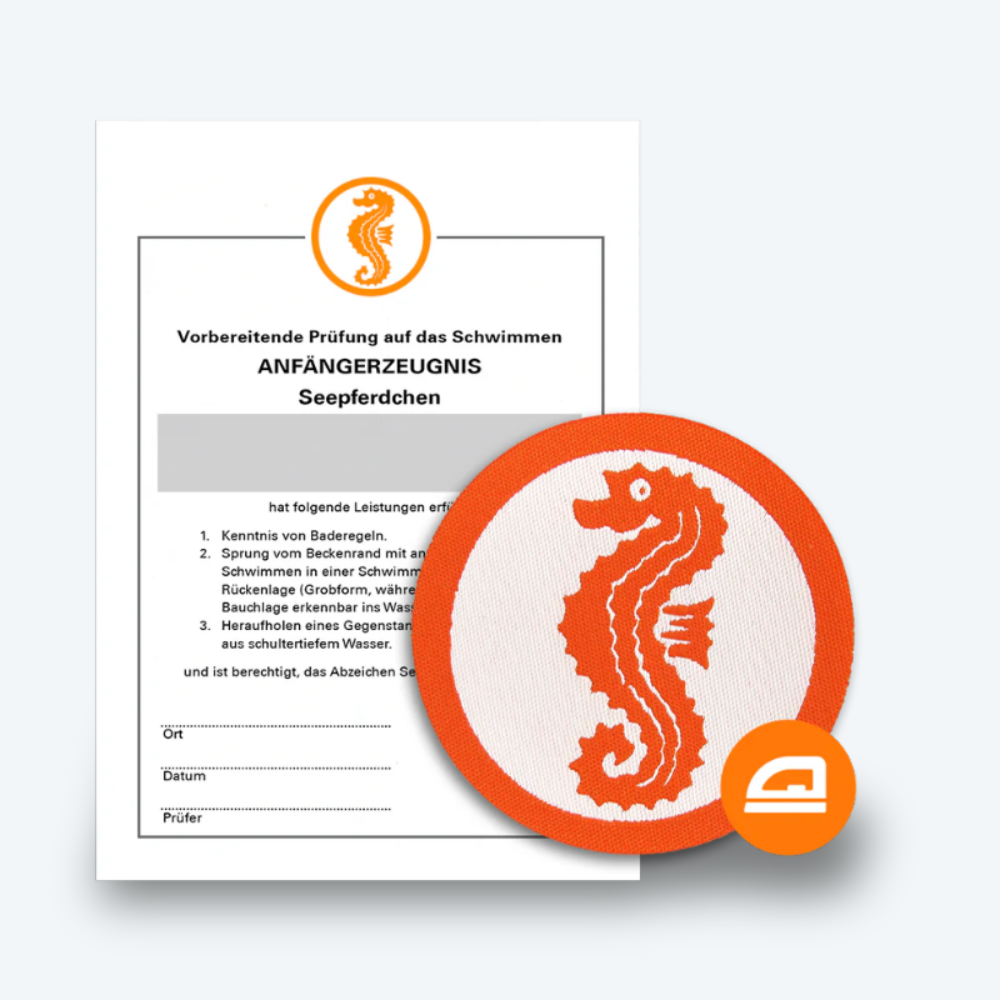
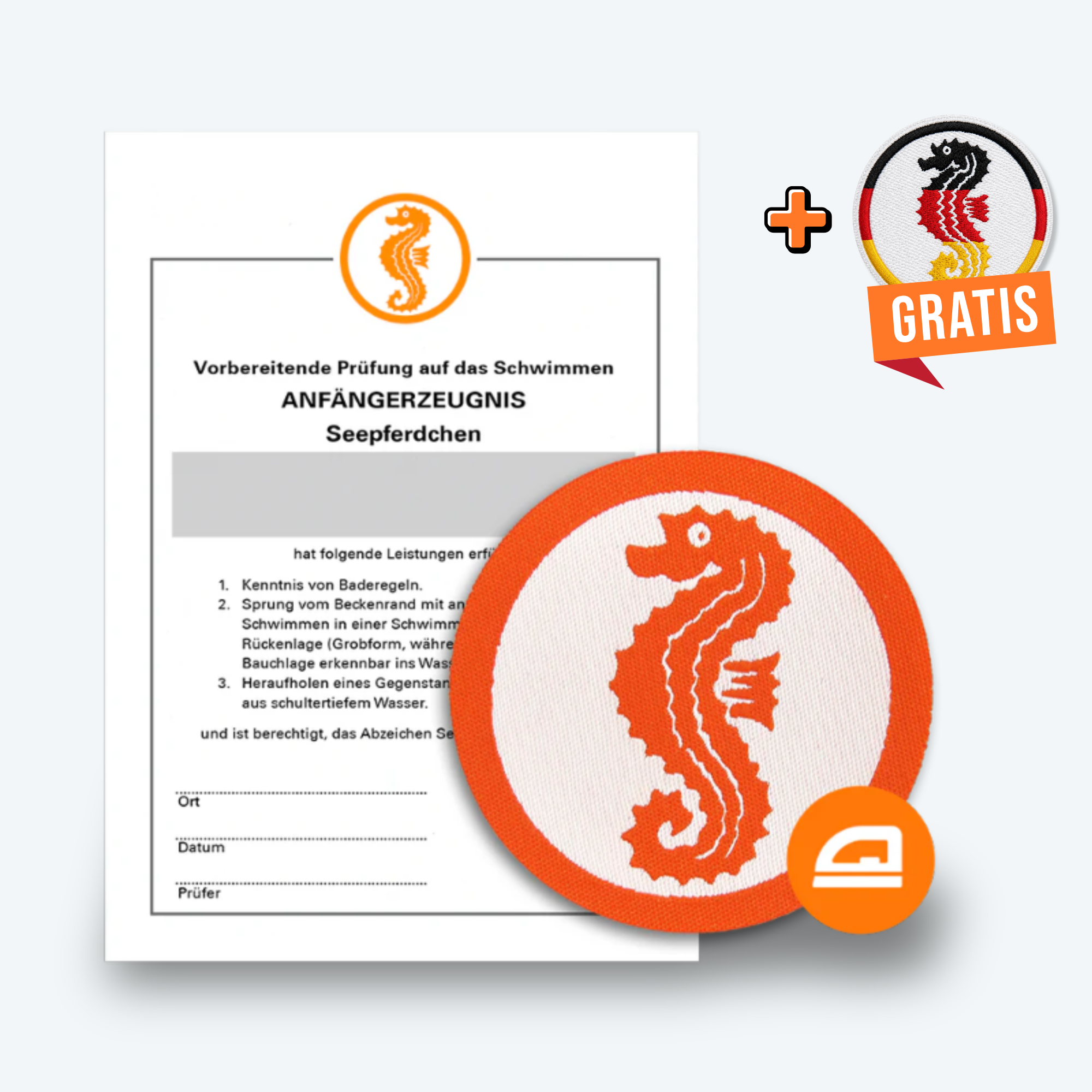
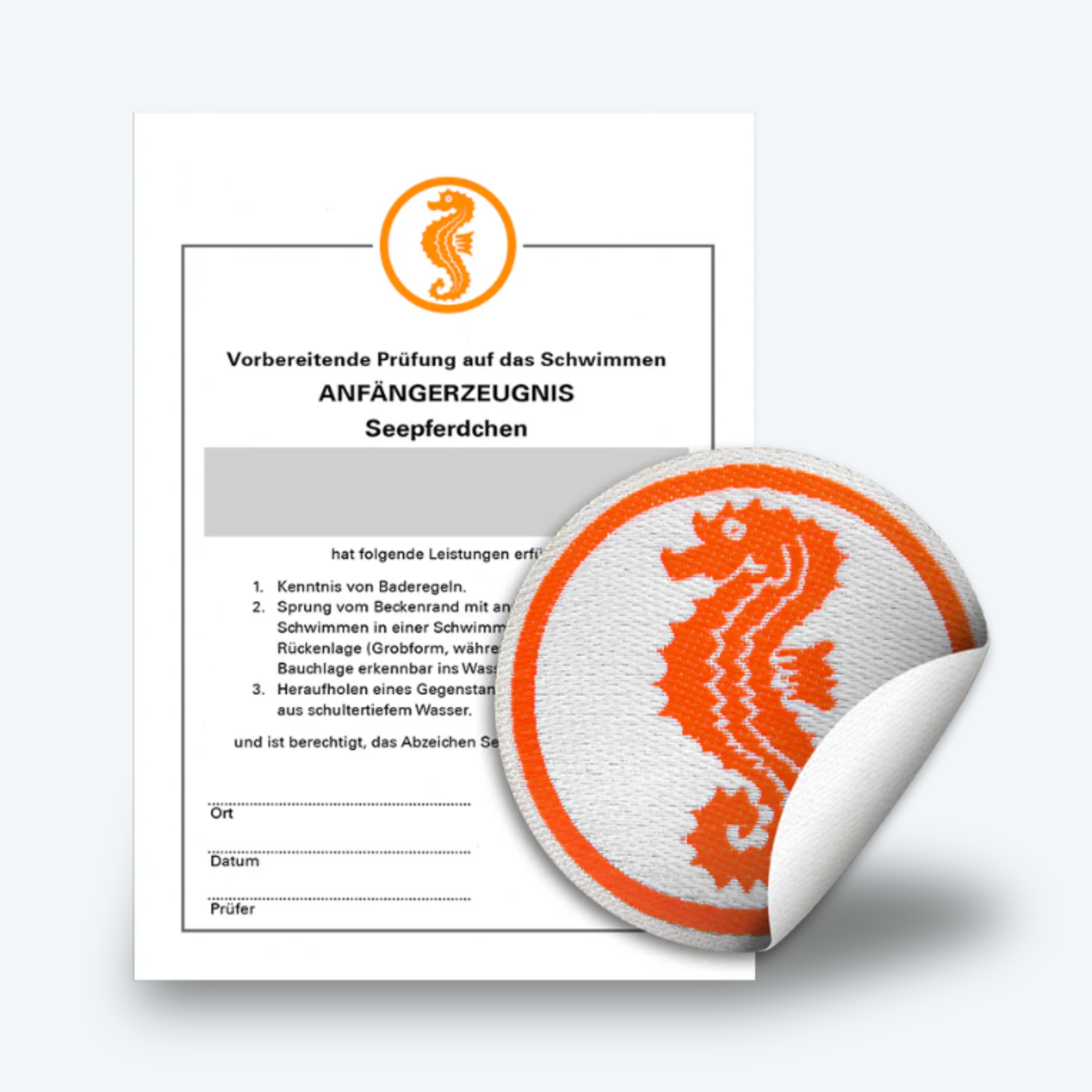
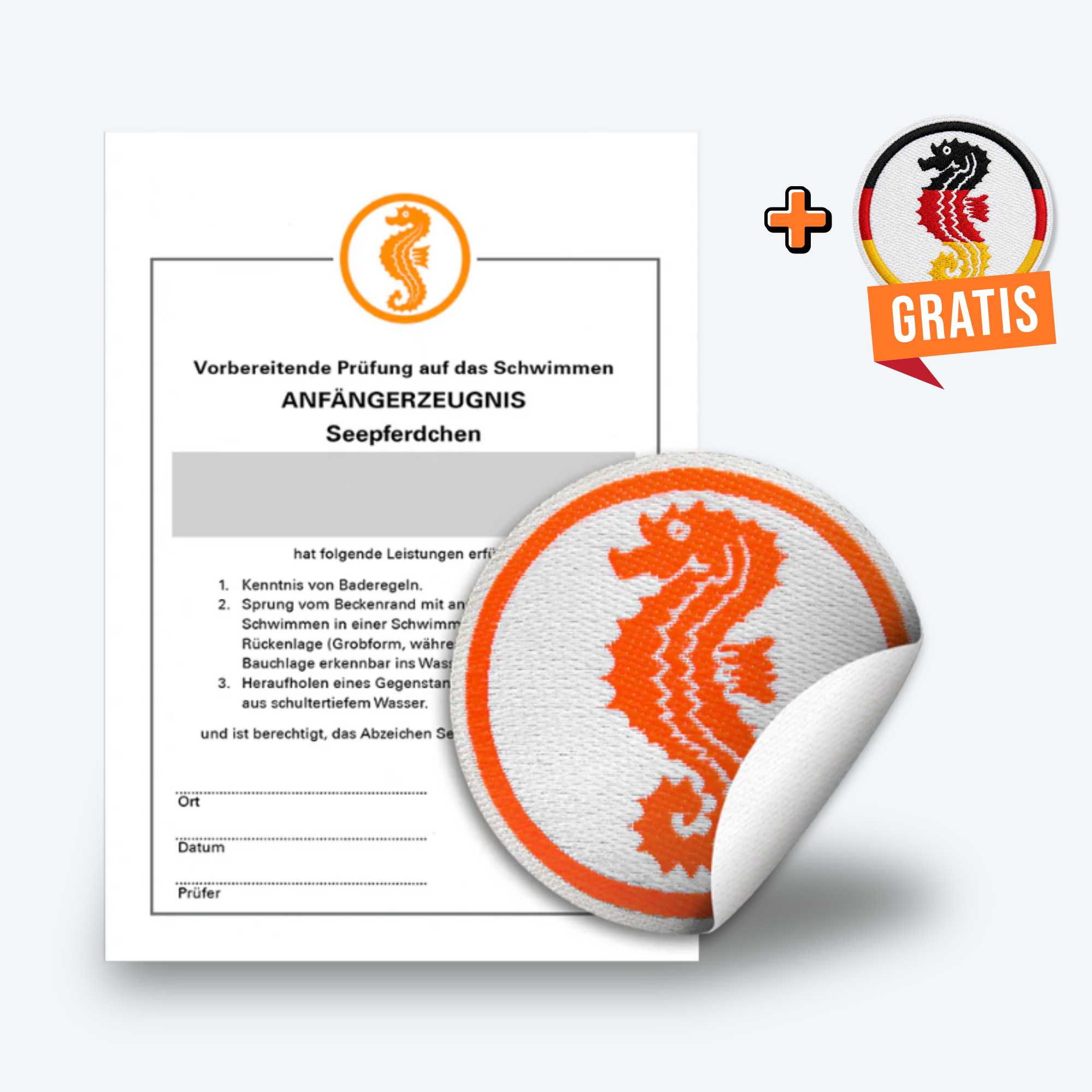
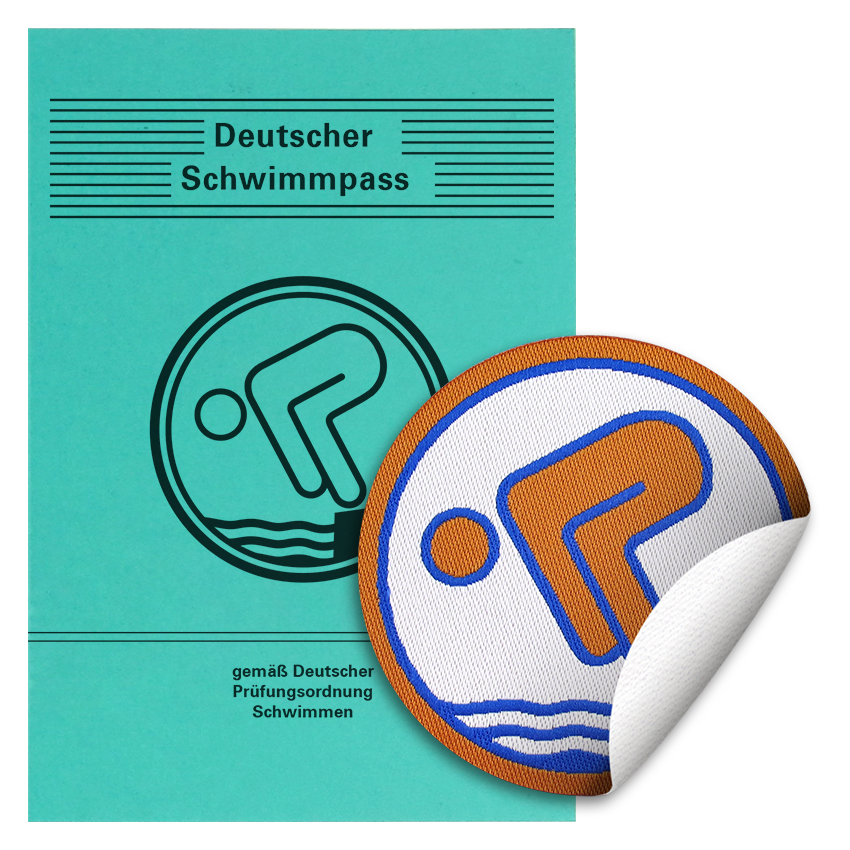
The Seepferdchen (Seahorse) is the first and most well-known badge. It certifies that a child has learned basic water safety and can move in the water. Detailed information on the Robbe (Seal) badge offers parents and swimming instructors a comprehensive insight into the requirements.
Specific requirements and meaning
The swimming badges differ in their specific requirements. The bronze badge, for example, already requires more complex swimming techniques and a longer swimming distance.
Below you will find a table providing an overview of the most important swimming badges for primary school students and their respective requirements, to clarify the progression of levels.
| Badge | Swimming skills | Significance for development |
|---|---|---|
| Seepferdchen (Seahorse) | First strokes, diving exercises | Introduction, basic water safety |
| Bronze badge | Longer swimming distance, jumping into the water, diving | Consolidation of swimming technique and endurance |
| Silver badge | Extended swimming, distance diving, deep diving | Building advanced skills |
| Swimming instructors and clubs use these badges as standardized assessment tools to document children's progress. |
According to the guidelines of the German Swimming Federation, these badges serve not only to measure performance, but also to motivate and build self-confidence. Each successfully acquired badge marks an important milestone in the swimming education of primary school children.
How swimming badges promote safety and enjoyment of swimming
Swimming badges are more than just papers - they are key elements for developing water competence, safety awareness and enjoyment of movement in the water. They offer children a structured way to build self-confidence and vital skills.
Safety aspects in swimming
Water safety begins with systematic training. Swimming badges define clear learning objectives that help children recognize dangers and react correctly. They teach not only technical swimming skills, but also important behaviors when in and around water.
According to recommendations from the German Life Saving Association (DLRG), swimming badges are crucial for reducing bathing accidents. Further information on swimming courses shows how structured learning gives children safety and self-confidence.
Motivation and emotional development
Swimming badges have a multi-level motivating effect:
- Setting achievable goals
- Making progress visible
- Increasing self-confidence
Each acquired badge is a personal success that motivates children to take on further challenges. They learn to overcome limits and develop joy in physical activity.
The psychological dimension of swimming badges lies in their ability to encourage children and support their emotional development. They not only teach swimming techniques, but also important life skills such as perseverance and self-confidence.
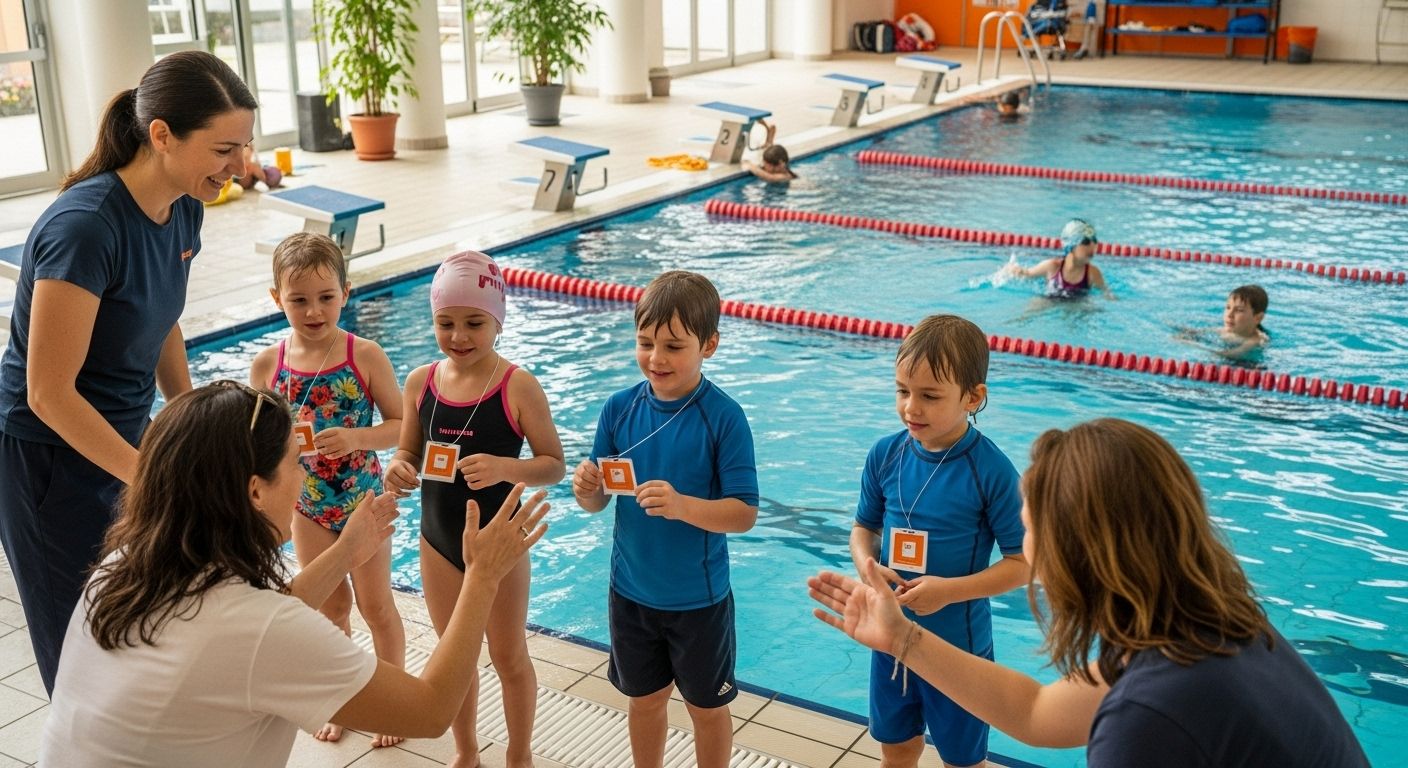
Making swimming badges shine in primary school
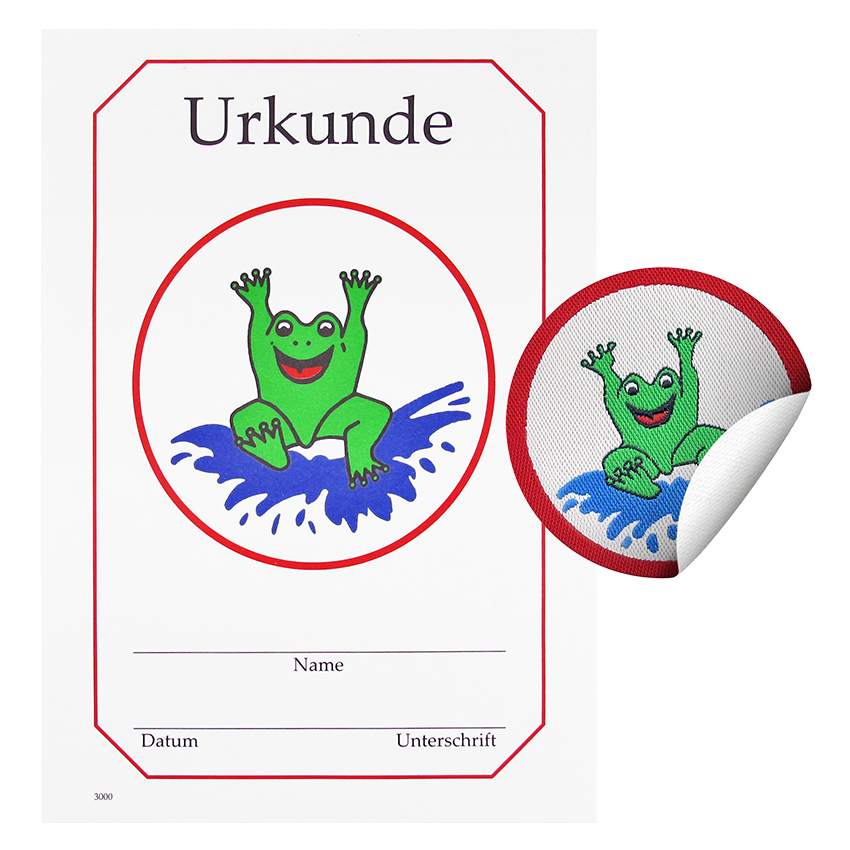
Many parents and teachers know the problem: the safe acquisition of swimming badges in primary school not only decides on water safety, but also on motivation and joy in learning. In your article, you recognized how important structured badges are for progress and recognition in swimming lessons. This is exactly where the lovingly designed Seestern Stella swimming badges & certificates come in. They combine official standards with child-friendly designs and thus promote the self-confidence and enthusiasm of children with every passed test. Thanks to decades of experience, Pimpertz offers flexible solutions – for individual certificates as well as for complete collections in class sets.
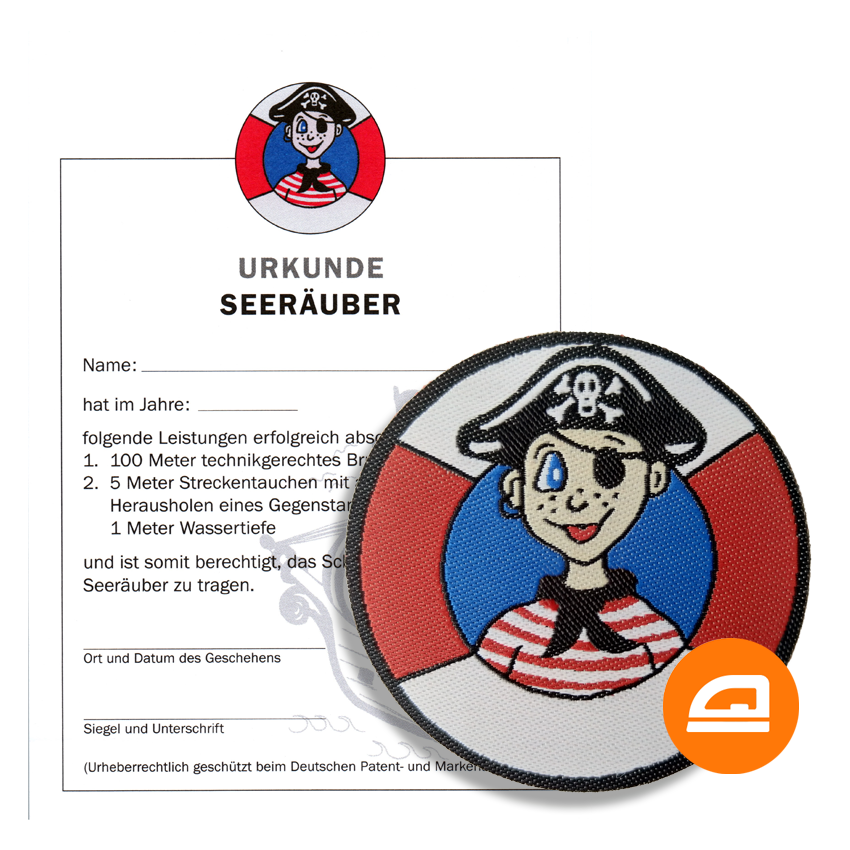
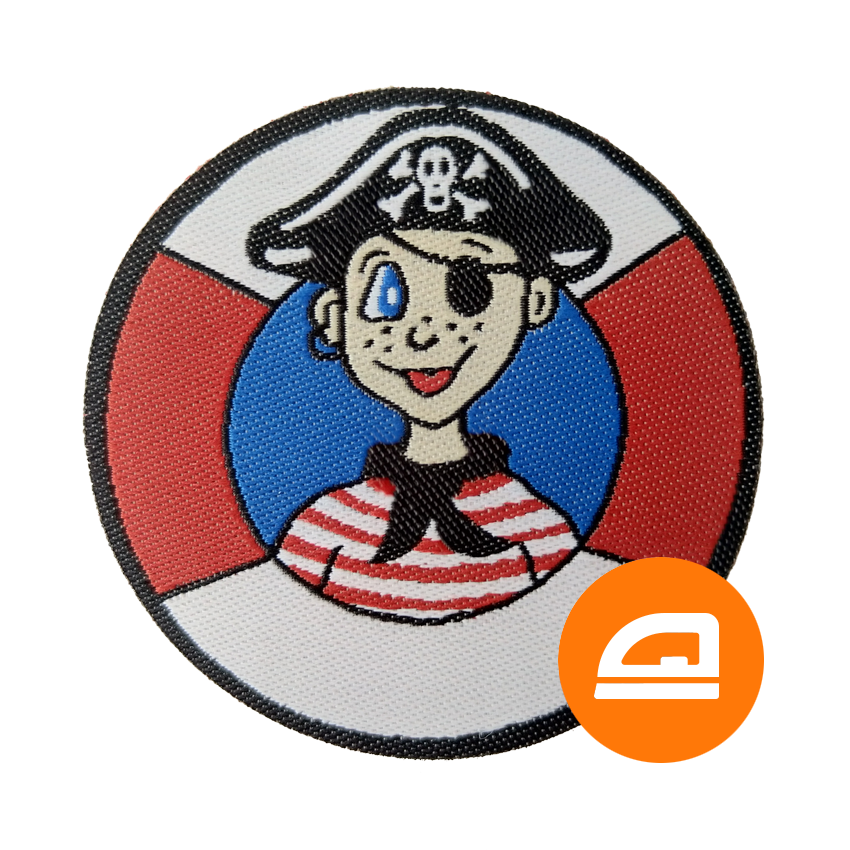
Choose officially certified badges from our assortment now and create proud moments for your schoolchildren. Also benefit from fast delivery and personal advice directly at https://pimpertz.de. Discover also other popular motifs such as the Pirat Pimpi swimming badges & certificates, which are guaranteed to make children's eyes light up. Strengthen safety and learning success with tested badges from Pimpertz – choose your suitable set now and start the swimming adventure.
Frequently asked questions
What are swimming badges and what is their purpose?
Swimming badges serve to document children's swimming skills and prove their safety in the water. They are important certificates that confirm basic swimming techniques and water safety competencies.
Which swimming badges are available for primary school students?
The most well-known swimming badges for primary school students are the Seahorse, the Bronze badge and the Silver badge. Each badge represents different swimming competencies and requirements.
How do swimming badges promote safety in the water?
Swimming badges are crucial for teaching water safety. They help children recognize dangers and react correctly, while simultaneously developing technical swimming skills.
How often should children aim for swimming badges?
It is advisable for children to regularly participate in swimming courses and aim for swimming badges to continuously improve their skills and increase their safety in the water.