
Swimming Course from 4 Years: Learn to Swim Safely 2025
Learning to swim is one of the most important skills for children, and many parents wonder how best to introduce it. It's hard to believe, but almost one in three children in Germany cannot swim safely by the end of primary school. That sounds like a big problem. What hardly anyone knows: Choosing the right course and a few targeted routines at home often make the learning process not only more effective but also much more exciting for children than expected.
Table of Contents
- Step 1: Determine your child's swimming ability
- Step 2: Choose the right swimming course
- Step 3: Prepare your child for the course
- Step 4: Support your child during the course
- Step 5: Review progress after the course
Quick Overview
| Key Point | Explanation |
|---|---|
| 1. Accurately assess swimming ability | Observe your child in the water to realistically assess their abilities. A preliminary test with a swimming instructor is recommended. |
| 2. Choose the right swimming course | Pay attention to group size, instructor qualifications, and safety standards to create the optimal environment for your child. |
| 3. Emotional preparation for the course | Talk positively about swimming and playfully prepare your child for the course to minimize anxieties. |
| 4. Active support during the course | Support your child emotionally, observe their progress, and communicate regularly with the swimming instructor. |
| 5. Review progress after the course | Have conversations with the swimming instructor and let your child demonstrate the learned skills to build confidence and further motivate them. |
Step 1: Determine your child's swimming ability
The first crucial step in learning to swim is accurately assessing your child's current swimming skills. Every child has an individual developmental stage, and a precise assessment forms the basis for a successful and safe swimming course.
Assess swimming skills individually
First, observe your child in a familiar water environment, such as a paddling pool or swimming pool. Pay attention to the following key competencies: Can your child enter the water without fear? Can they stay afloat independently? Do they move safely and with control? These observations will give you important clues for the right start to a swimming course.
For a professional assessment, we recommend a preliminary test with a qualified swimming instructor. Our guide for first swimming steps can help you ask the right questions and consider important aspects.
Typical developmental stages for children aged 4 and older include:
- Afraid of water and insecure
- Ready to splash with help
- First independent movements
- Basic swimming techniques
A precise assessment helps you and the swimming instructor find the perfect starting point for your child. An individually tailored course not only increases safety but also makes learning to swim much more fun and motivating.
As parents, you play a crucial role: show your child trust and patience. Convey positive feelings towards the water and support them with every small step forward. The right mental preparation is at least as important as technical skills.
Step 2: Choose the right swimming course
After assessing your child's swimming abilities, the important phase of course selection begins. A suitable swimming course is crucial for your child's fun, safety, and learning progress.
Courses by age group and skill level
When selecting a swimming course for children aged 4 and older, there are several important aspects to consider. Generally, you should pay attention to the following criteria: group size, qualification of swimming instructors, course concept, and safety standards. Our recommendations for the perfect swimming course will help you find your way.
Different courses offer different focuses:
- Beginner courses for children afraid of water
- Advanced courses for initial swimming techniques
- Intensive courses with compact learning time
- Playful courses with child-friendly didactics
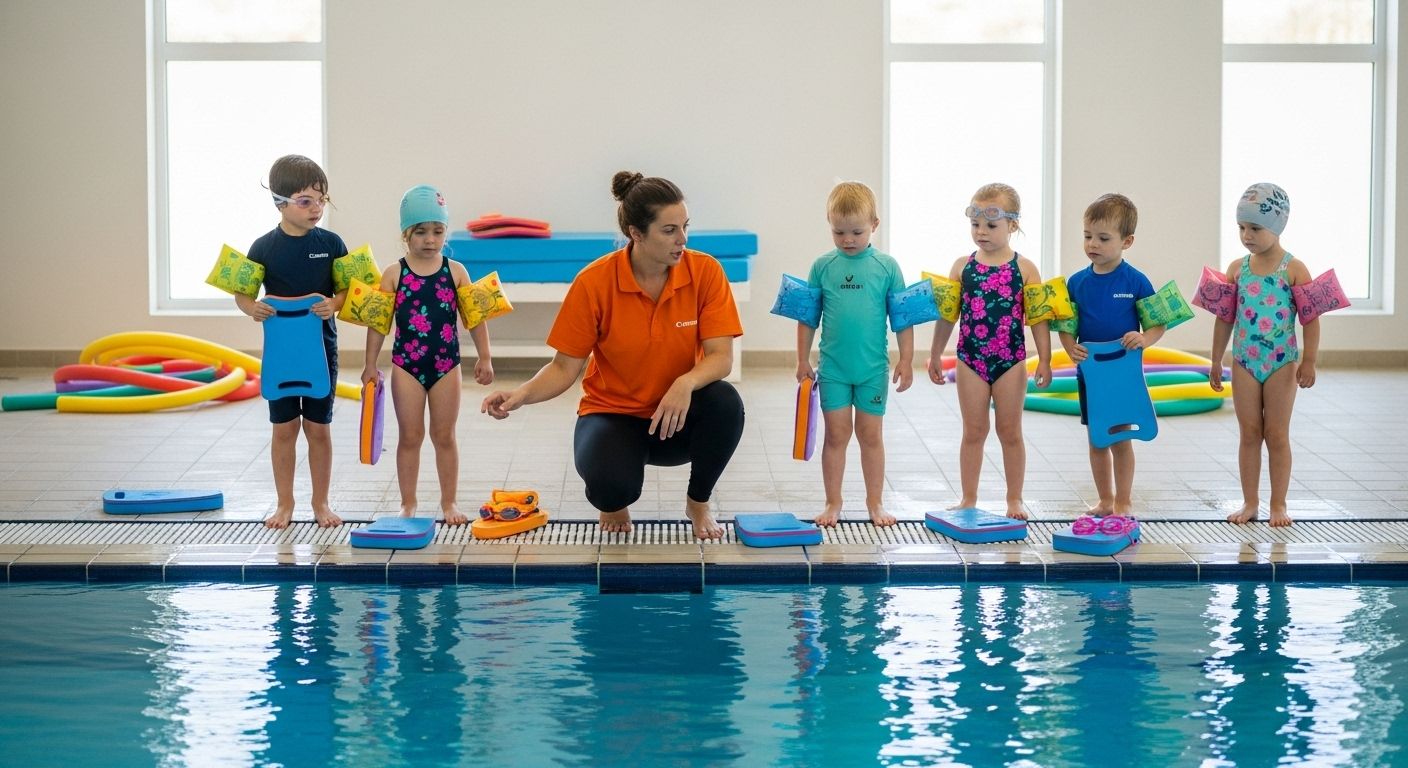
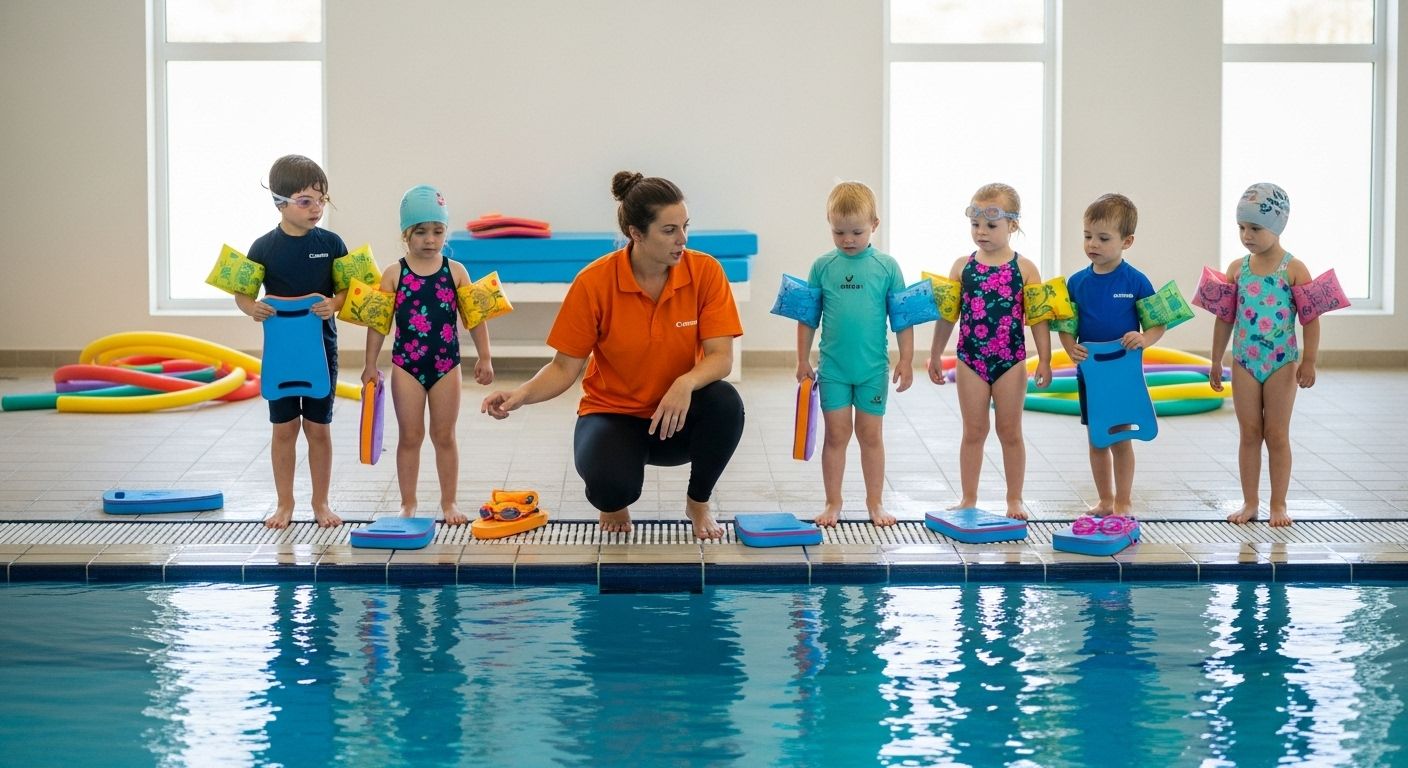
Make sure the course is age-appropriate. For four-year-olds, small groups of no more than 6 to 8 children are usually suitable so that each child can receive individual attention. A qualified swimming instructor recognizes the needs and fears of children and can motivate them specifically.
Infrastructure is also important: a child-friendly swimming pool with a comfortable water temperature and non-slip areas builds trust. Some swimming schools offer trial lessons that give you and your child a first impression. Use this opportunity to experience the atmosphere and methodology.
When choosing, also consider the timing. Courses should take place at a rhythm that suits your family's daily routine and does not overtax your child.
Below you will find an overview of common swimming course types for children aged 4 and older to help you decide on the right course.
| Course Type | Focus | Group Size | Special Feature |
|---|---|---|---|
| Beginner for those afraid of water | Water familiarization, fear reduction | Small (6-8 children) | Gentle introduction to water |
| Advanced with technique | Swimming techniques, safety | Small (6-8 children) | Building on basic skills |
| Intensive courses | Compact learning units | Medium (up to 10 children) | Fast progress, short periods |
| Playful course | Learning with fun | Small (6-8 children) | Child-friendly teaching and motivation |
| Trial course | Getting to know, motivation | Very small (4-6 children) | One-time participation, non-binding |
Step 3: Prepare your child for the course
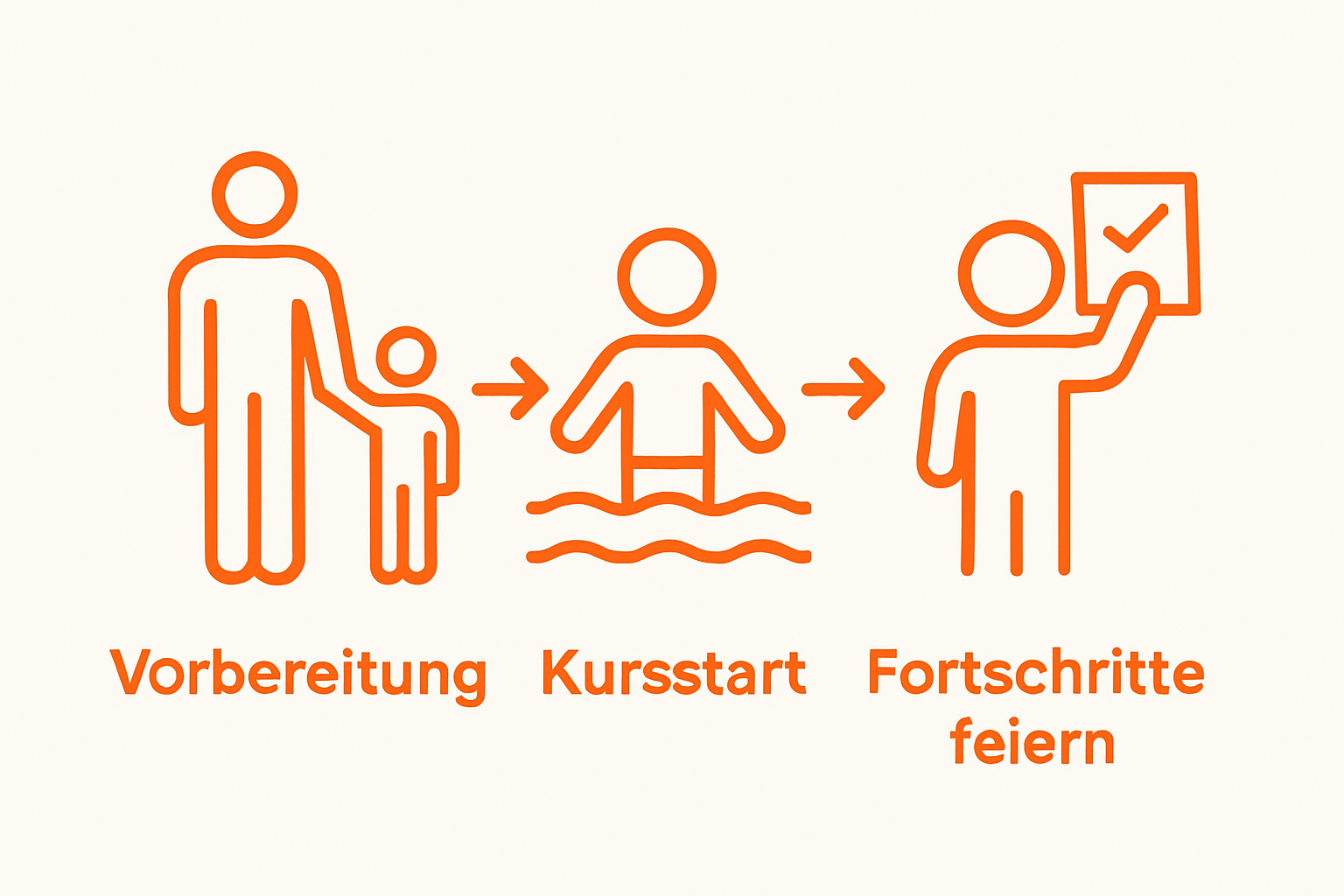
Preparing for the swimming course is crucial for your child's success and motivation. A positive, relaxed approach to the world of water can reduce fears and increase the joy of learning. Mental and practical preparation go hand in hand here.
Emotionally prepare your child for the upcoming challenge. Talk positively and encouragingly about swimming. Share your own experiences or show videos of children having fun in the water. Our tips for a successful course start can help you create the right atmosphere.
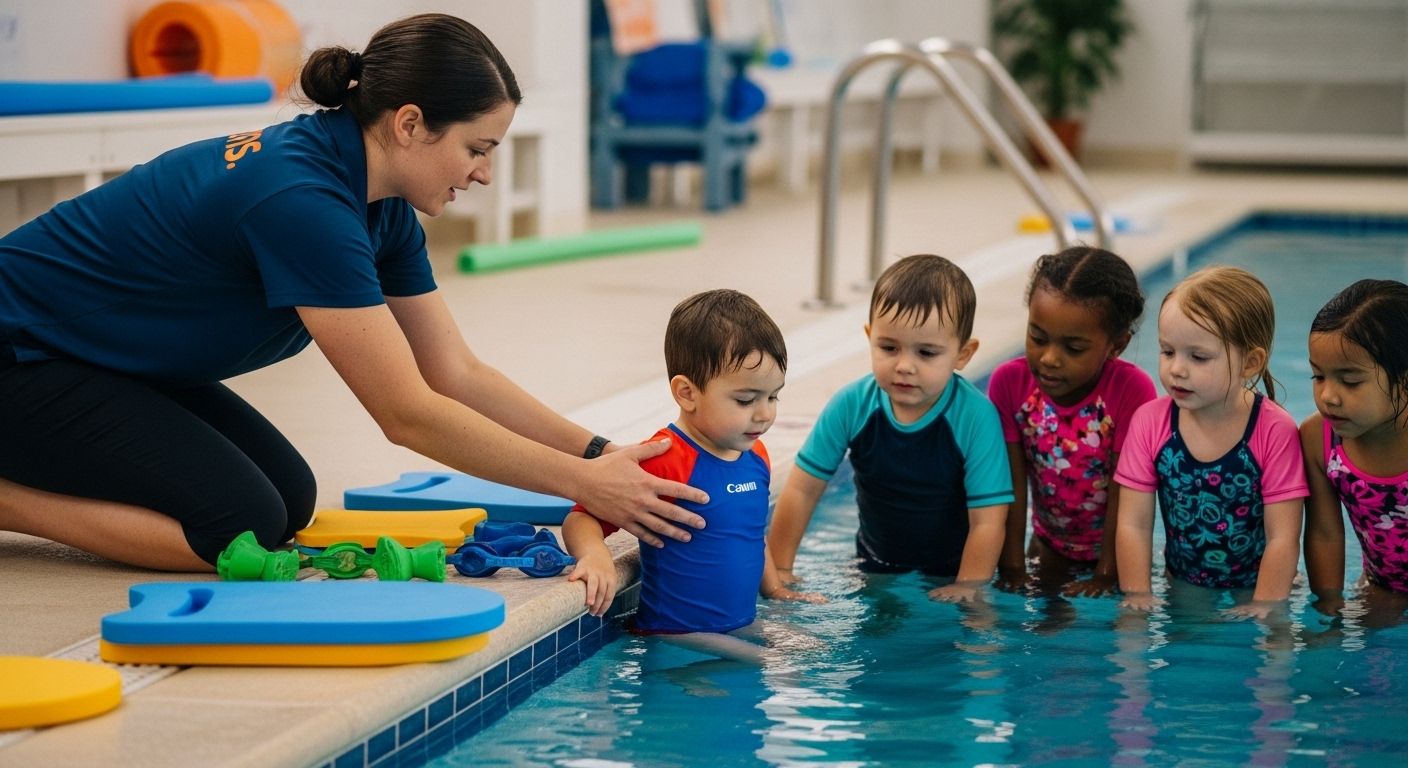
Practical preparations include several important aspects. Let your child playfully get in touch with water before the course begins. Bathtub games, where water is carefully poured over the head and face, train water familiarization. Encourage your child to briefly submerge their face and head and then resurface.
For a successful start, the following preparations are useful:
- Have swimming gear ready in time
- Practice with swim cap and snug swim shorts
- Have positive conversations about the course
- Offer small rewards
Make sure you have the right equipment. Well-fitting swimming goggles, a comfortable swimsuit or swimming trunks, and non-slip swimming sandals are basic equipment. Let your child try on the items beforehand so they get used to them.
The last step is mental preparation on the day of the course itself. Ensure enough sleep the night before and a light, energizing breakfast. Avoid stress and allow enough time for the journey to the swimming course. A calm, positive atmosphere will transfer to your child and alleviate any excitement.
Here is a practical checklist of recommended preparations and equipment for a successful start to the swimming course.
| Preparation/Equipment | Purpose | Recommended Action |
|---|---|---|
| Prepare swimming gear | Smooth course start | Pack things in time |
| Practice swim cap and swim shorts | Get used to the feel | Try on at home beforehand |
| Talk about the course | Emotional preparation | Create a positive mood |
| Offer small rewards | Increase child's motivation | Give small recognition occasionally |
| Swimming goggles | Eye protection, safety | Test fit before course begins |
| Comfortable swimwear | Comfort factor in water | Child can help choose |
| Non-slip swimming sandals | Safety at the poolside | Check for non-slip properties |
Step 4: Support your child during the course
The swimming course has started, and your role as a supportive parent is now crucial. Accompanying means more than just presence; it means active support, motivation, and understanding observation.
During the course, you should emotionally support your child. Stay within sight during the training but avoid interfering with the lesson. Our parent guide for swimming courses offers further helpful tips for proper supervision.
Mindfulness and patience are your most important tools. Children develop different learning speeds in the water. Some are immediately brave, while others need more time. Avoid comparisons and performance pressure. Every bit of progress, no matter how small, is a success story.
Key observation points during the course include:
- Your child's body language
- Interaction with the swimming instructor
- Handling challenges
- Signs of joy or insecurity
Communicate regularly with the swimming instructor. A brief chat after the course helps understand the learning progress. Ask about specific exercises you can support at home.
After each course, it's important to speak positively and encouragingly. Praise the effort, not just the result. Ask about the best moments and let your child talk about their experiences. These conversations not only strengthen self-confidence but also deepen your bond.
Step 5: Review progress after the course
After completing the swimming course, a crucial moment of reflection and confirmation begins. Reviewing progress is more than just a snapshot; it is an important tool for motivating and further developing your child.
A conversation with the swimming instructor forms the basis of your progress analysis. Ask specifically about the skills achieved, challenges, and individual developmental steps. Our guide for swimming course evaluations can help you capture the right aspects.
Pay particular attention to technical progress. Can your child already perform basic swimming movements? Do they master techniques such as water entry, breathing, and simple strokes? These skills are crucial for water safety.
Key observation points include:
- Water safety and movement coordination
- Confidence in and under water
- Technical swimming skills
- Emotional development
A practical review can be a short swim test in your presence. Let your child demonstrate the learned techniques. Pay attention not only to the technical execution but also, and most importantly, to their joy and confidence.
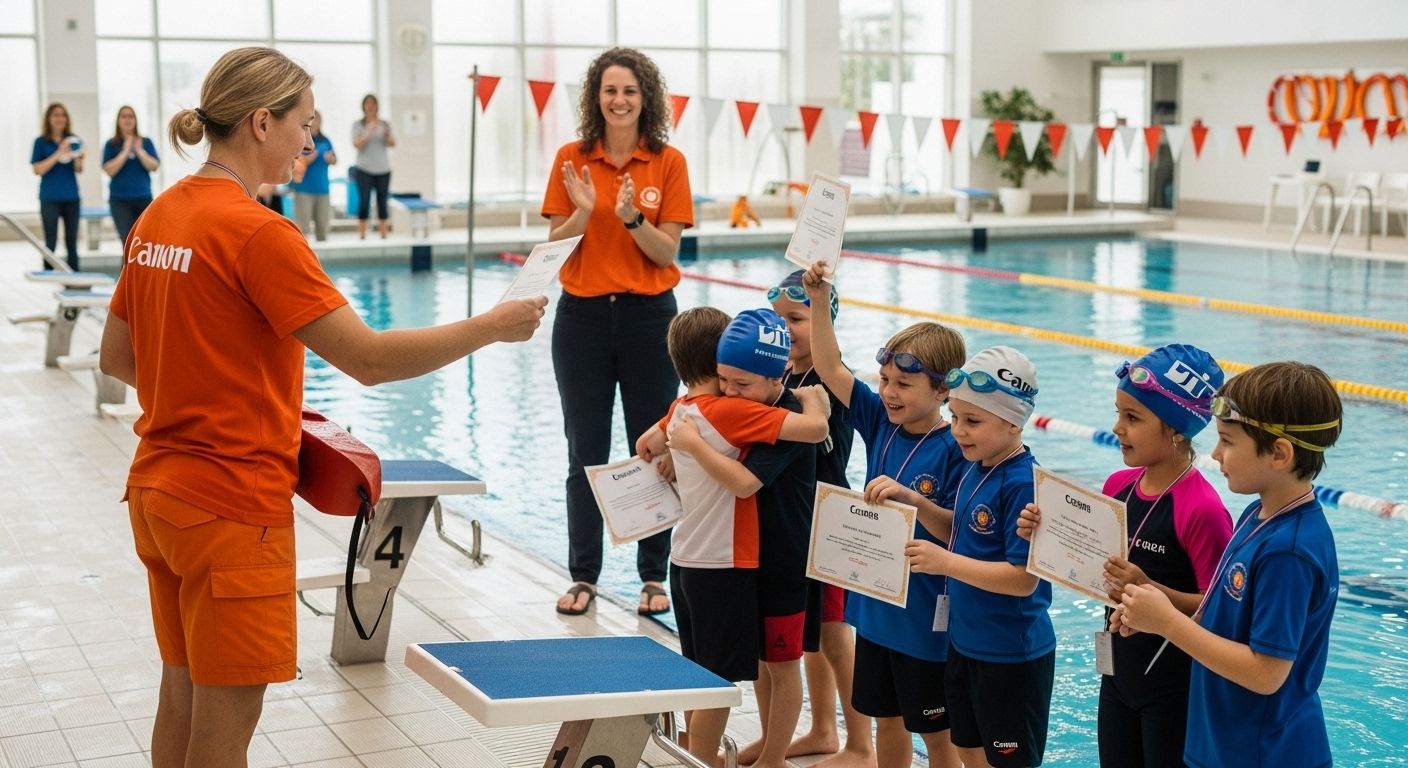
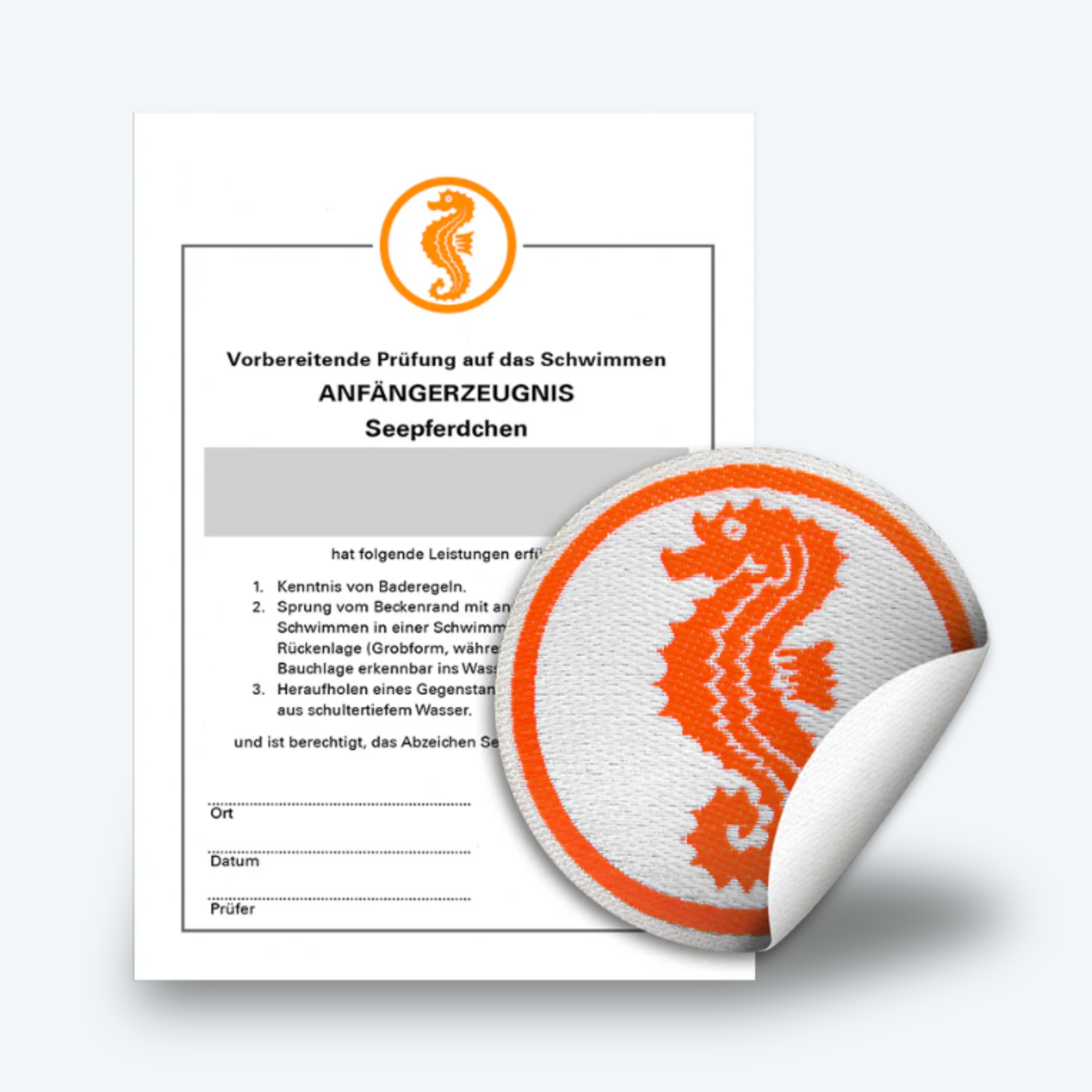
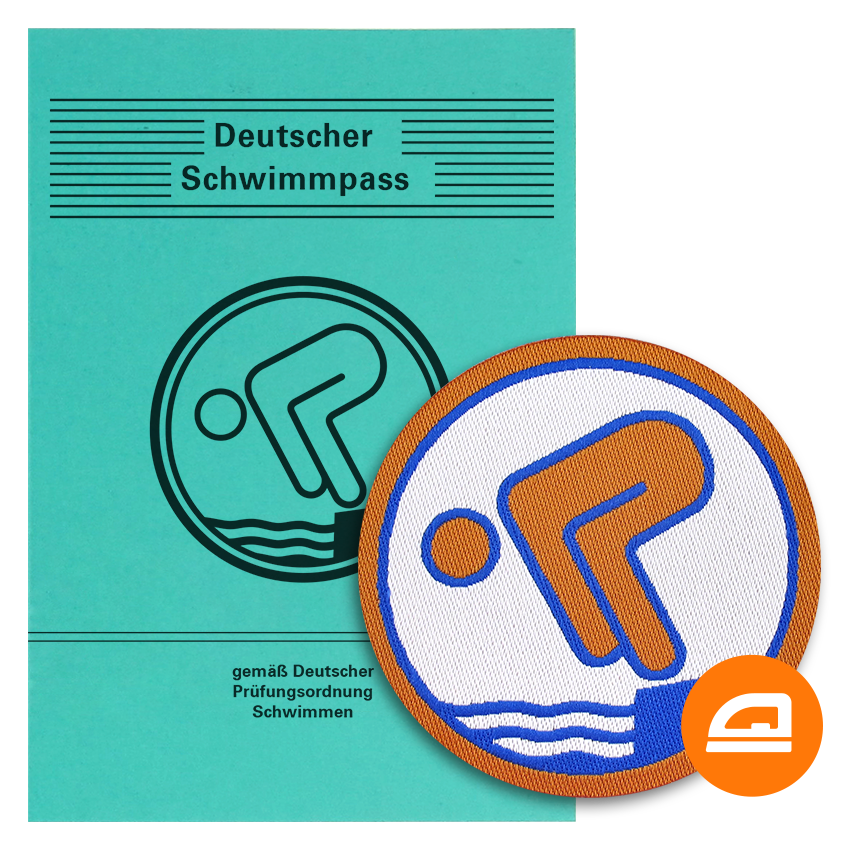
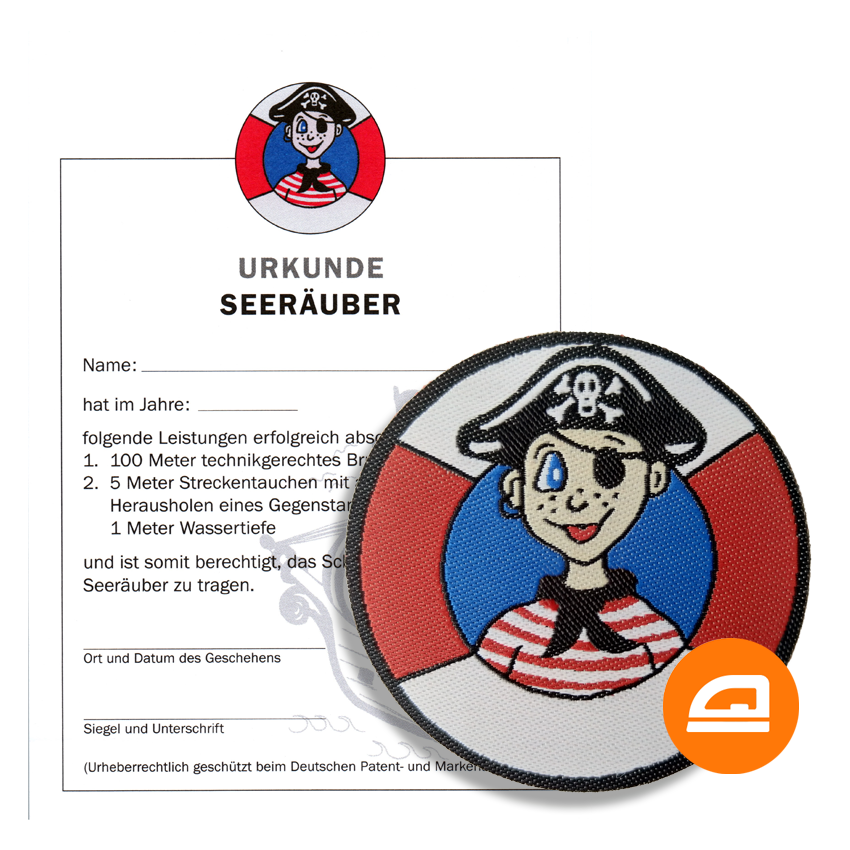
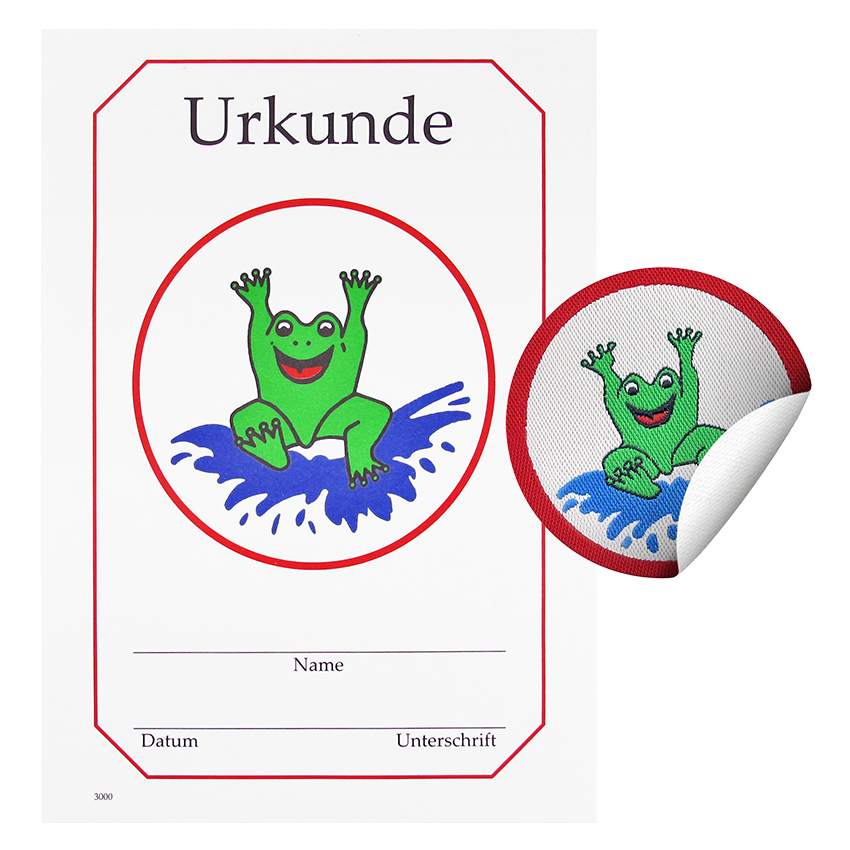
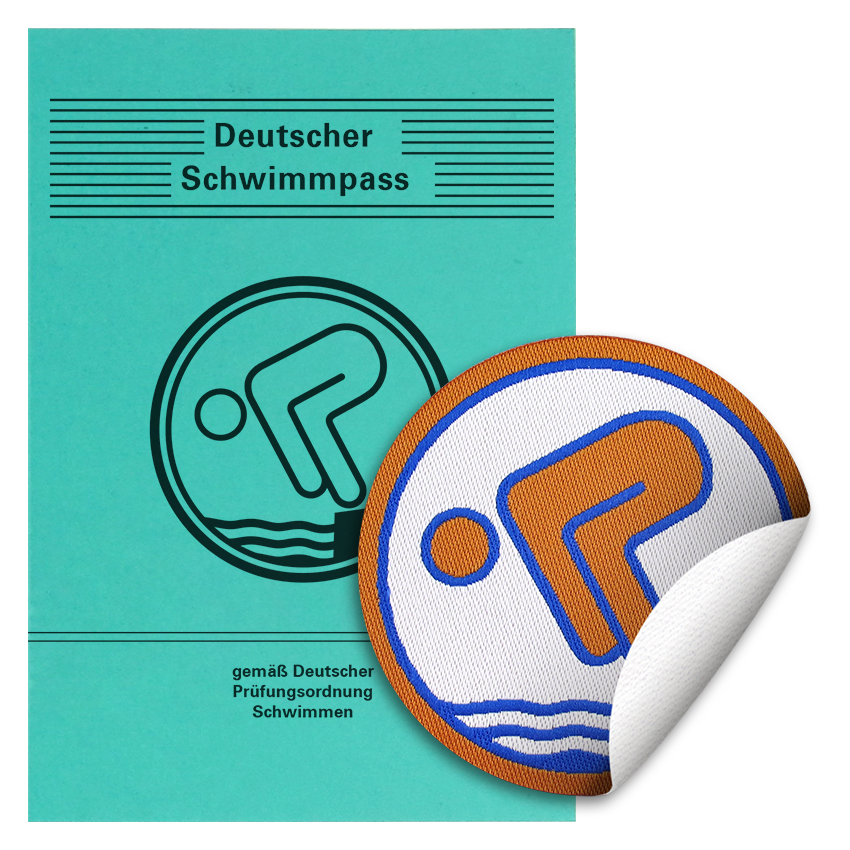
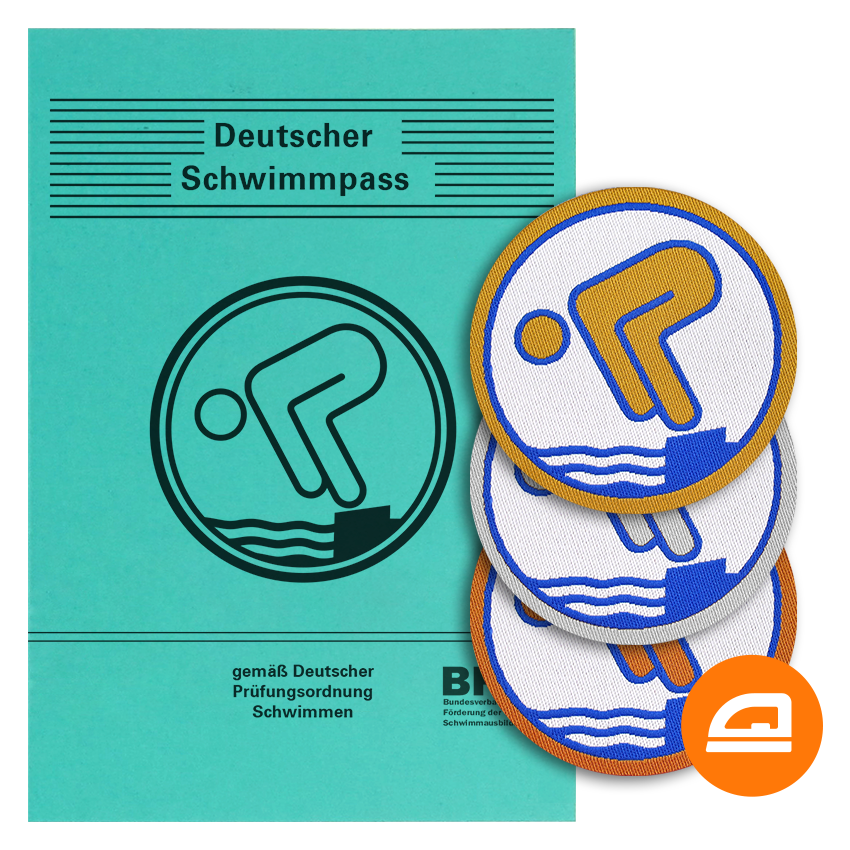
Document the progress. A brief conversation where you and your child review their development together not only strengthens their self-esteem but also motivates them for future challenges. Perhaps present a small badge or certificate as recognition for successful participation in the course.

Motivate your child after the swimming course with real achievement badges
Your child has mastered their first swimming lessons and has already made great progress. Now, pride, motivation, and genuine joy in the water are growing, but often the appropriate recognition and a visible sign of success are missing. Especially after the swimming course, many children want to show off their new skills – with an official badge, a child-friendly certificate, or a personal keepsake. This is where Pimpertz comes in.
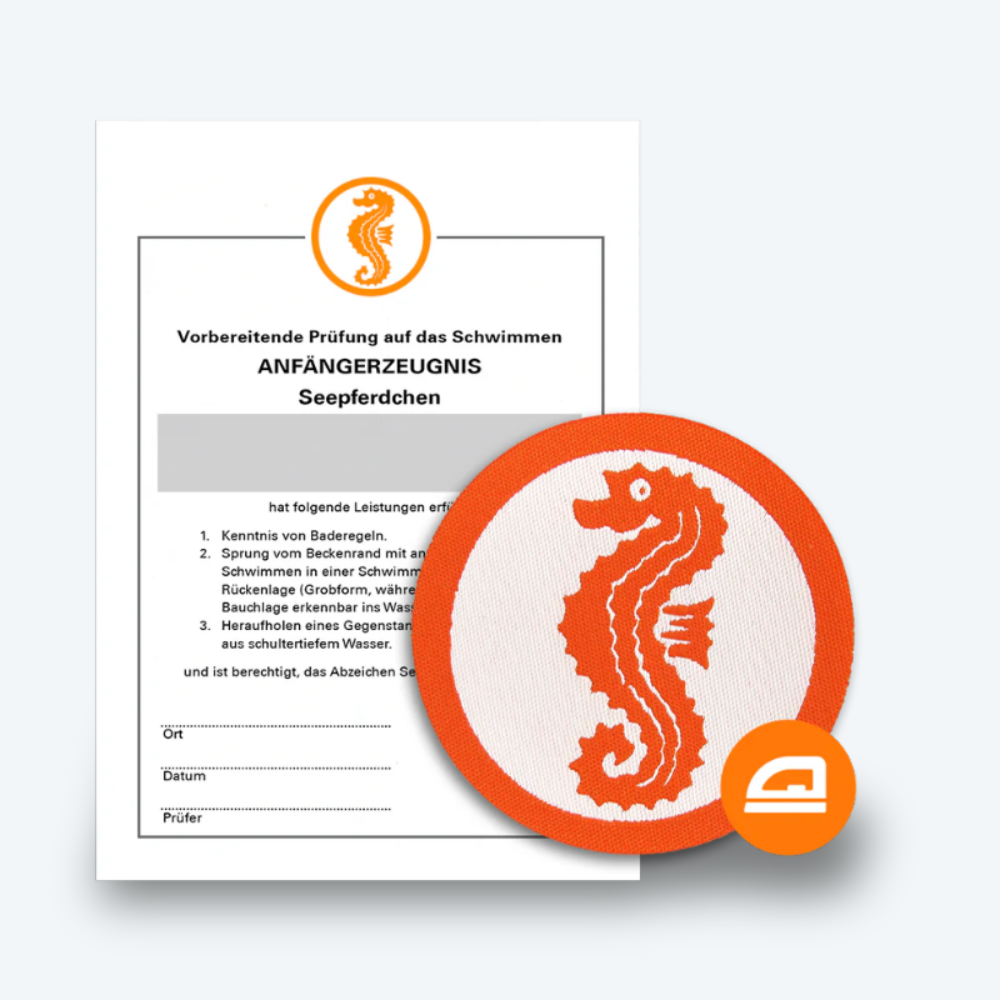
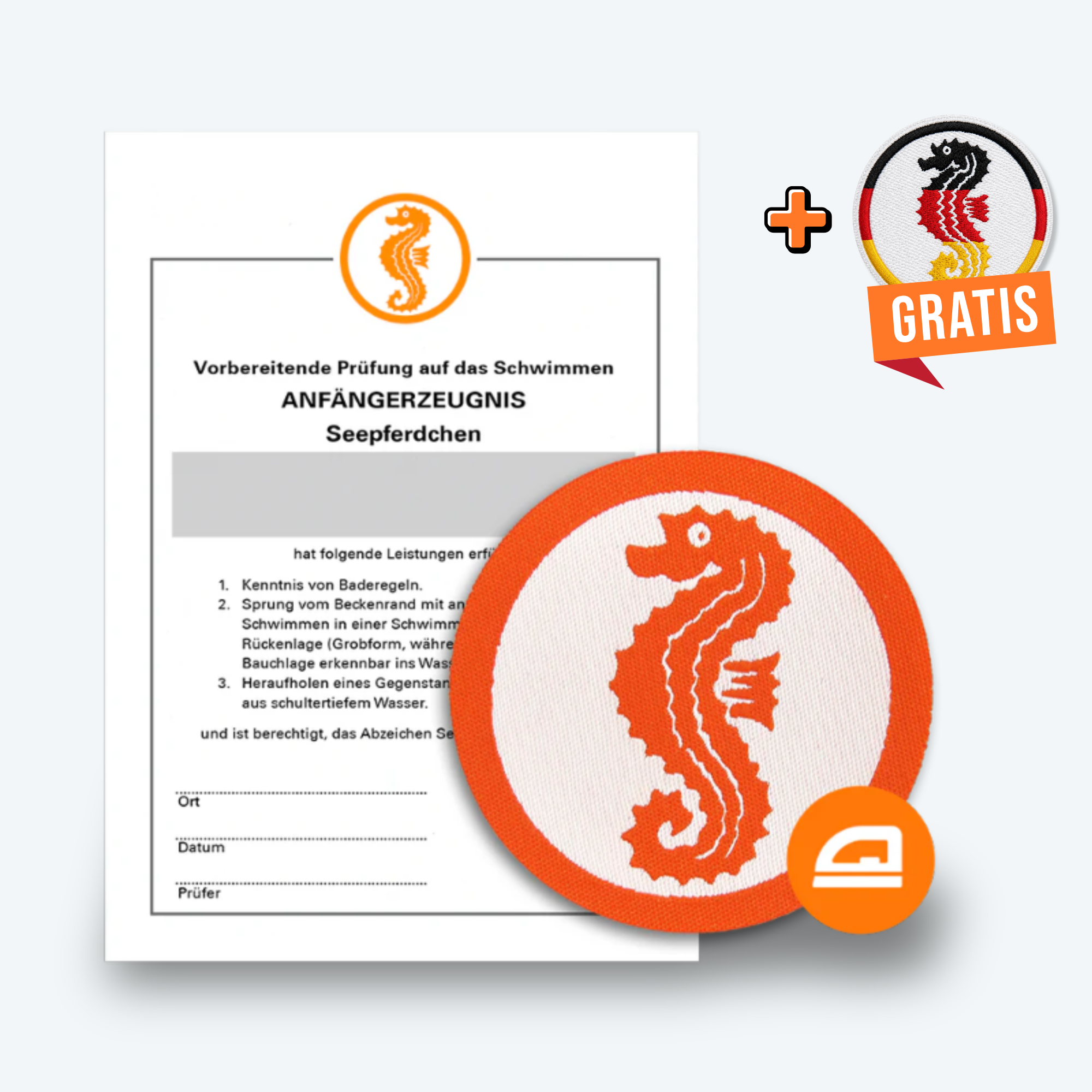
At Pimpertz, you'll find originally certified swimming badges and child-friendly certificates, perfectly matched to every learning level from your swimming course for 4-year-olds. Complement your child's sense of achievement with high-quality accessory and gift sets that visibly mark their journey to becoming a safe swimmer. Boost your child's self-confidence and let every course completion be a proud moment. Visit Pimpertz – Your partner for swimming badges and accessories now and create lasting memories of their first big swimming test. Secure your certificates and plaques today for a motivating start to the 2025 swimming year.
Frequently Asked Questions
How can I accurately assess my child's swimming ability?
Observe your child in a familiar water environment and pay attention to how they behave in the water. If necessary, have a preliminary test performed by a qualified swimming instructor.
What criteria are important when choosing a swimming course?
Pay attention to group size, qualifications of the swimming instructors, course concept, and safety standards. An age-appropriate course should also have small groups of a maximum of 6 to 8 children.
How do I prepare my child for the swimming course?
Talk positively about swimming, let your child playfully interact with water, and ensure they have suitable equipment like swimming goggles and swimwear.
What can I do to review my child's progress after the course?
Have a conversation with the swimming instructor to discuss progress, and let your child demonstrate the learned techniques to observe their development.