
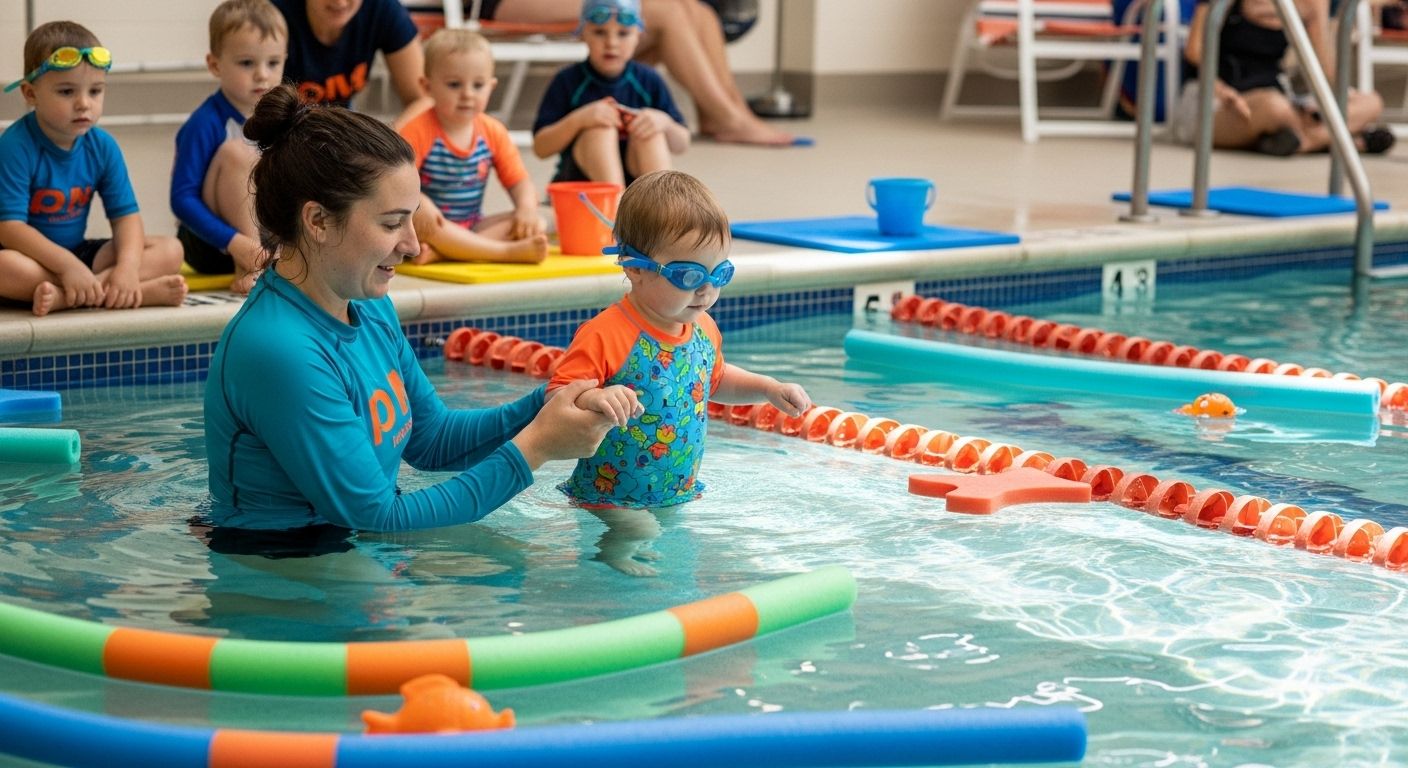
Swimming Course 4 Years: Learning to Swim Safely for Children
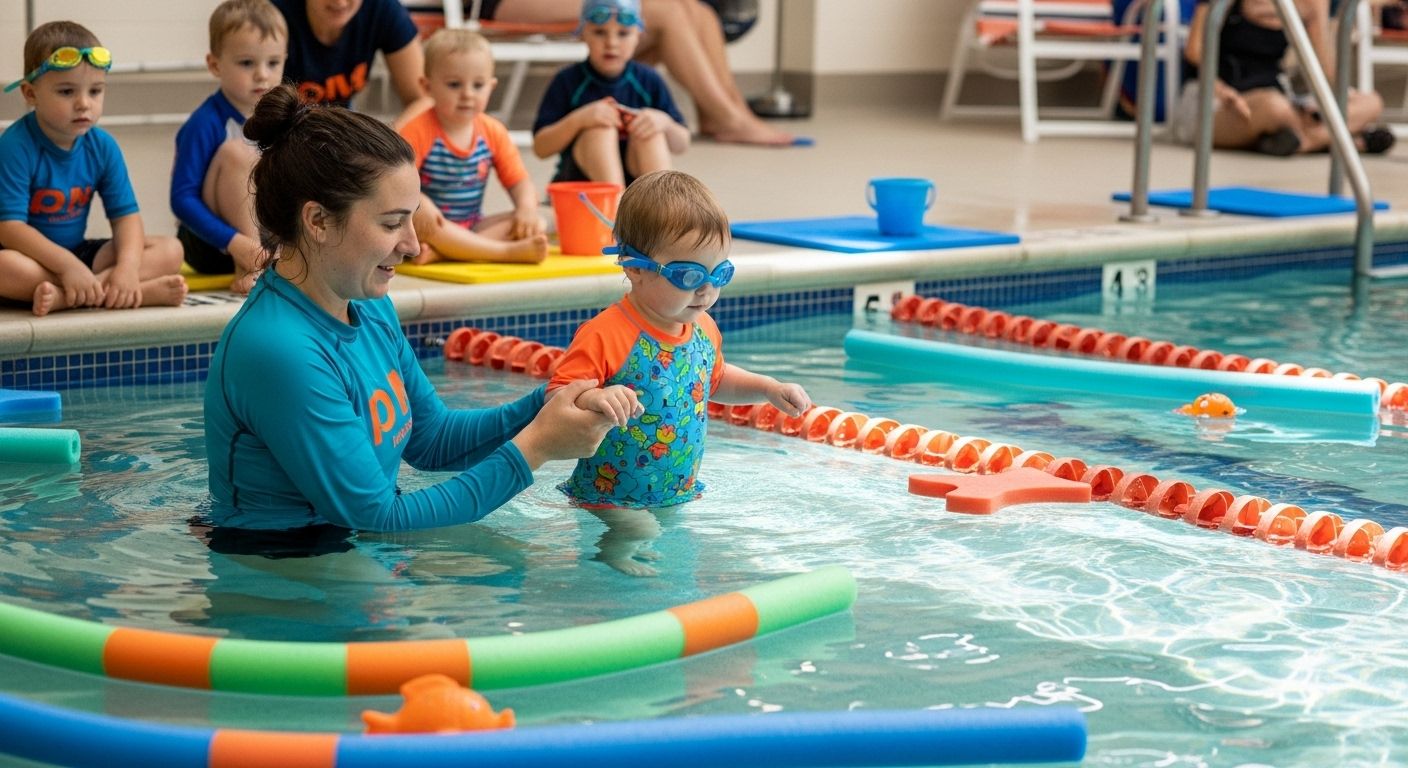
Learning to swim from the age of four sounds like a real challenge for many parents. Surprisingly, however, play and fun in small groups with a maximum of 6 to 8 children are usually much more important for learning success than any technical exercise. It is precisely these child-friendly approaches that not only provide safety but also elevate the joy of water to a whole new level.
Table of Contents
- Step 1: Choose the right swimming course
- Step 2: Prepare your child emotionally and physically
- Step 3: Get necessary swimming gear
- Step 4: Actively participate in the swimming course
- Step 5: Monitor your child's progress
- Step 6: Encourage learned swimming in everyday life
Quick Summary
| Key Point | Explanation |
|---|---|
| 1. Choose the right swimming course | Look for qualified instructors and small groups. Playful prices and child-friendly methods increase learning success. |
| 2. Emotional and physical preparation | Joint water activities at home build trust and interest. Positive conversations strengthen the child's self-confidence. |
| 3. Get necessary swimming gear | Ensure comfortable swimwear and safety items. Well-thought-out equipment promotes comfort and confidence. |
| 4. Active participation in the swimming course | Parents should support and encourage the child. Positive reinforcement and eye contact build trust during lessons. |
| 5. Regularly monitor progress | Keep a diary of developments and communicate with the swimming instructor. Every child learns at their own pace; recognize individual progress. |
Step 1: Choose the right swimming course
The first step towards your four-year-old learning to swim safely is carefully choosing the right swimming course. Not every course is the same, and the quality and methodology can be crucial for your child's learning success and enjoyment of water.
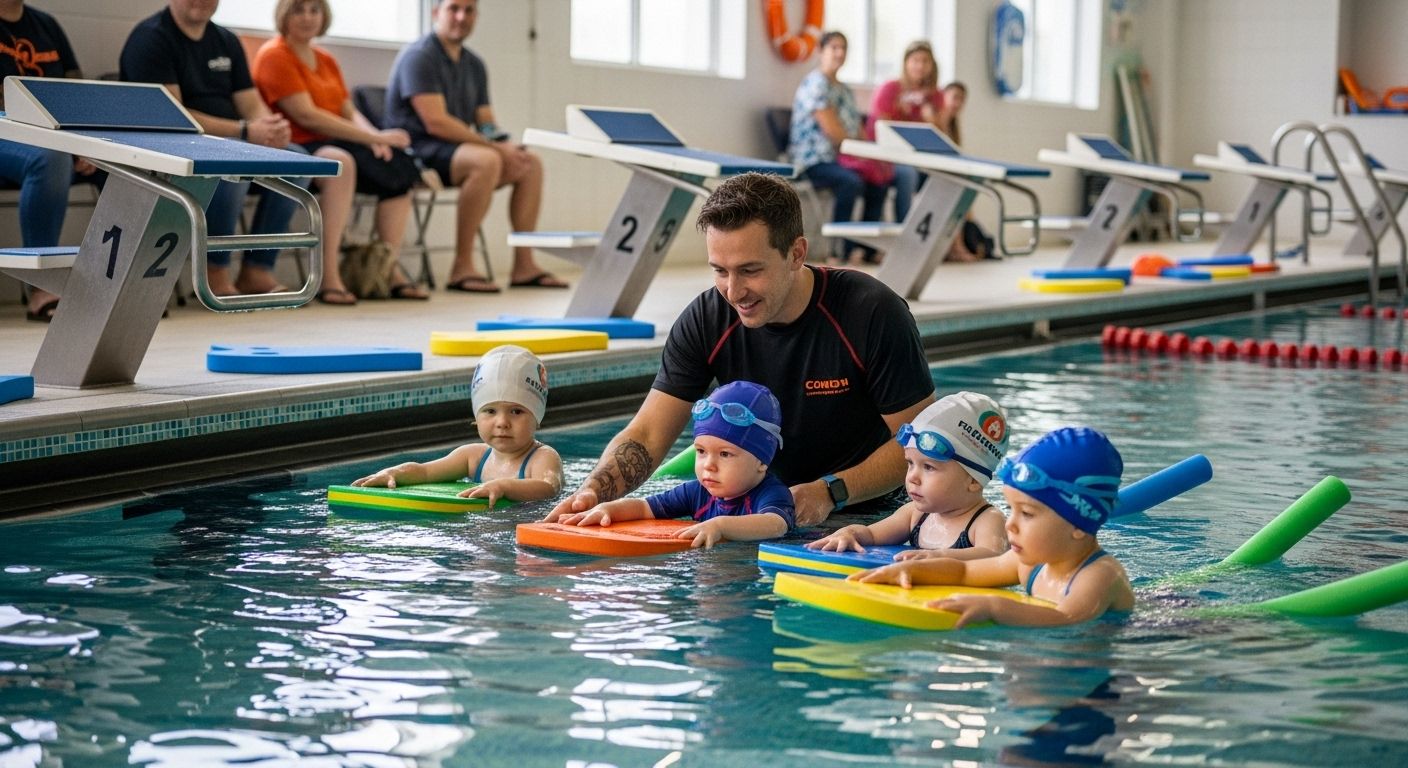
When choosing a course, you should pay particular attention to qualified swimming instructors who have experience working with young children. A good swimming course for four-year-olds is characterized by playful learning approaches and a child-friendly atmosphere. Look for courses specifically tailored to the needs and developmental stages of preschoolers. Important criteria include:
- Small group sizes (maximum 6-8 children)
- Trained swimming instructors specializing in young children
- Child-friendly learning methods with lots of play and fun
An ideal swimming course not only teaches swimming techniques but also water safety and confidence. Discover our recommendations for age-appropriate swimming courses to enable your child to get the best possible start in learning to swim.
Also consider your child's individual prerequisites. Some children are naturally timid of water, while others want to jump right in. A professional swimming course takes these different personalities into account and creates a safe, trusting environment. Discuss any fears or special needs your child may have with the swimming instructor beforehand.
Choosing the right course is key to success: a motivating, child-friendly swimming course can shape a lifelong enjoyment of water and is the foundation for safe swimming.
Step 2: Prepare your child emotionally and physically
Emotional and physical preparation is crucial for a successful start to a swimming course. Children aged four require a particularly sensitive and playful approach to build confidence in the water and awaken their natural curiosity.
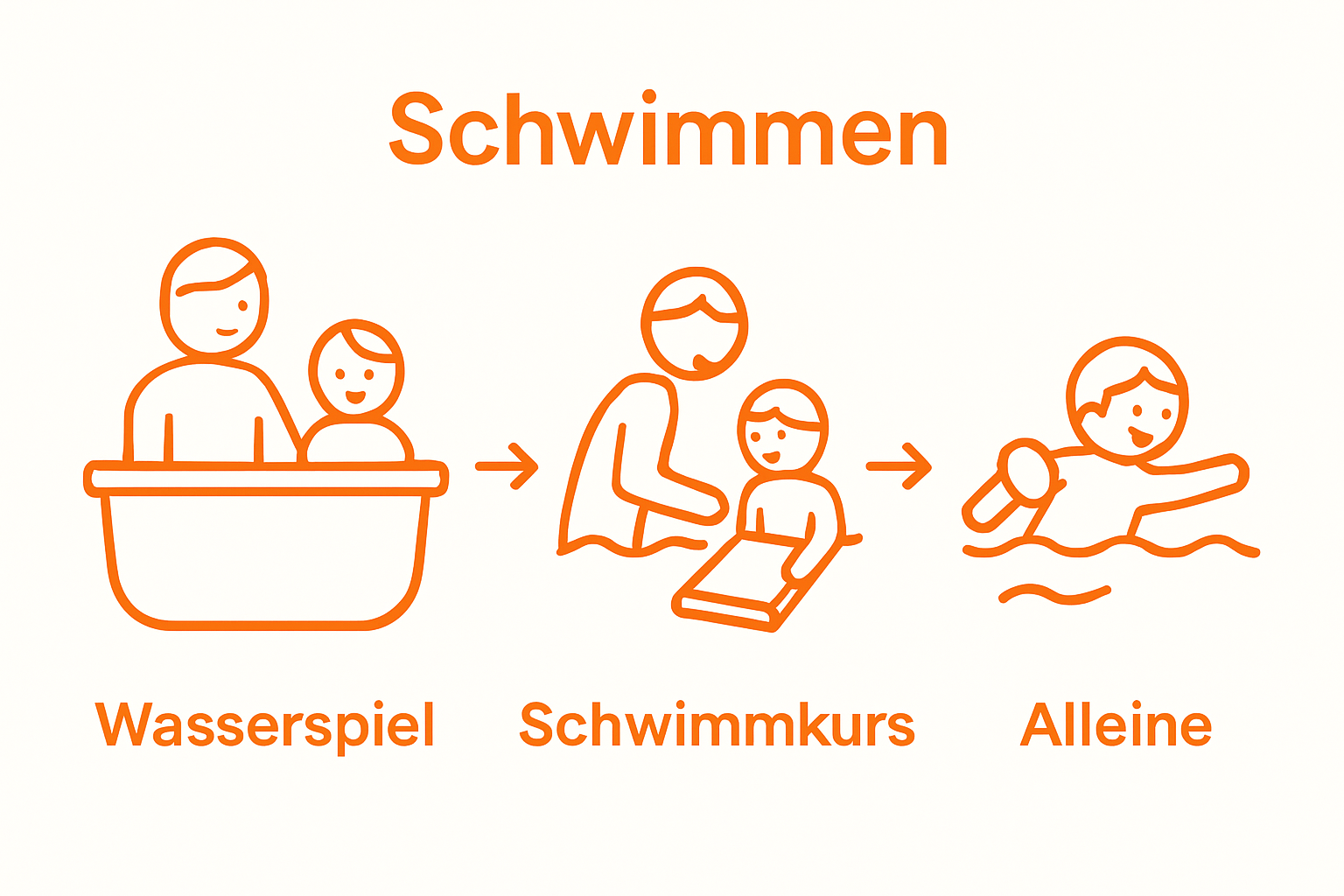
Initial water exposure at home can already lay important foundations. Start with simple activities like shared bath time play, where your child playfully explores interacting with water. Let your child try different movements in the water, search for objects underwater, and discover the feeling of water on their skin.
For physical preparation, comfortable swimwear and a positive attitude are important. Choose swimming trunks or a swimsuit in which your child can move comfortably and freely. Discover our tips for child-friendly swimming equipment to be optimally prepared.
Conversations play a central role in emotional preparation. Talk positively and excitingly about learning to swim. Avoid statements that could instil fear. Tell them about your own enjoyable swimming experiences or show your child fun swimming videos to create anticipation.
Strengthening self-confidence is also important. Praise every small effort and show understanding if your child is initially unsure. Patience and loving support are key to success. Signal to your child that it's okay to have uncertainties and that you will always be there for them.
Another crucial aspect is physical fitness. Encourage your child to play movement games that promote coordination and strength. Ball games, jumping, and simple exercises can improve motor skills that will later be important for swimming.
Success is evident when your child eagerly and excitedly awaits the swimming course, shows no fear of water, and independently tries basic movements like scooping water or carefully submerging.
Step 3: Get necessary swimming gear
The right equipment is crucial for a safe and enjoyable swimming course for your four-year-old. A well-thought-out selection of swimming gear not only ensures comfort but also strengthens your child's confidence in the water.
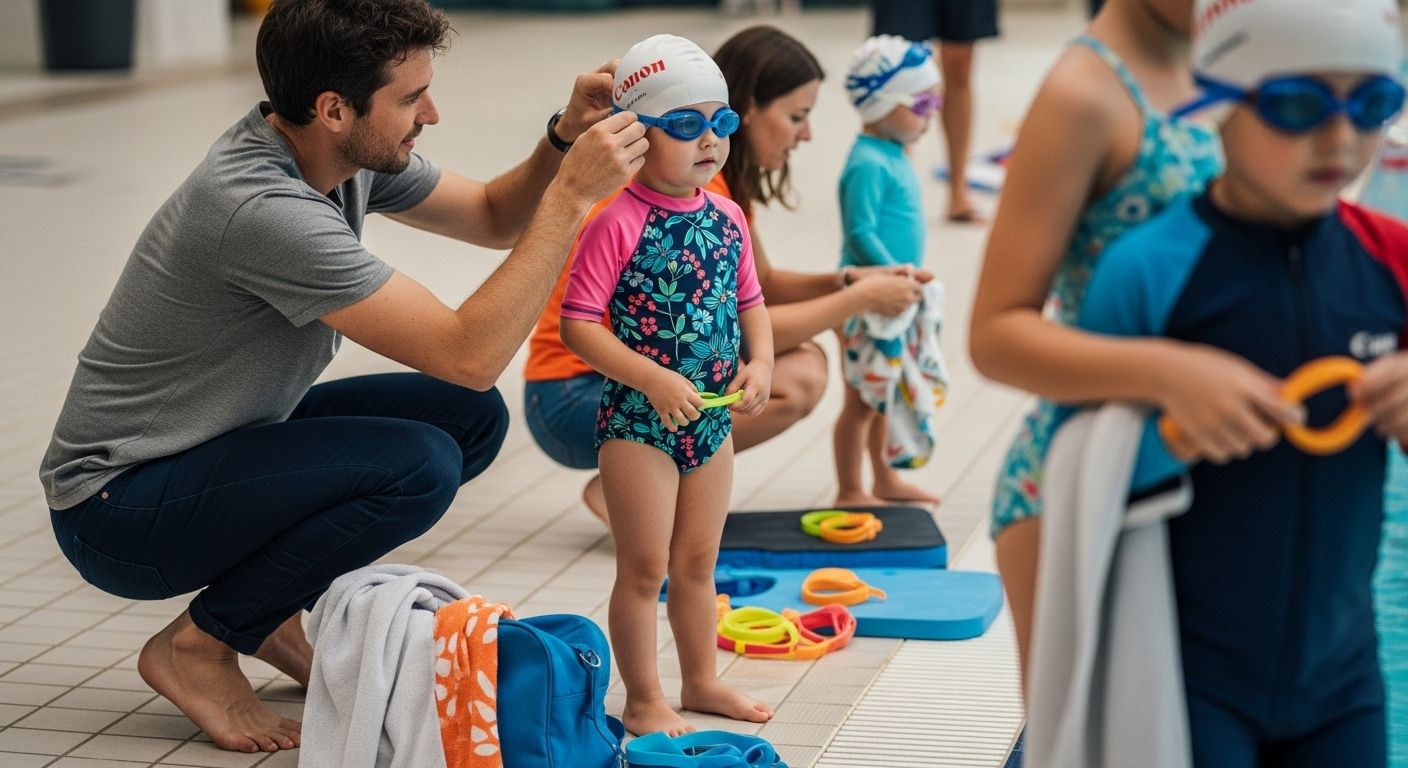
Start with the perfect swimwear that combines freedom of movement and protection. Choose a snug but not too tight swimsuit or swimming trunks made of quick-drying material. Make sure the clothing doesn't slip and allows your child unrestricted movement. Additionally, we recommend swim diapers for children who are not yet fully potty-trained to prevent accidents in the pool.
Discover our recommended swimming equipment for toddlers to be optimally prepared. Important items include:
- Swim goggles with a soft, child-friendly silicone rim
- Swim cap to protect the ears
- Swim noodle or swim aid for added safety
A well-fitting swimsuit or swimming trunks are important, but not sufficient. Also consider safety and comfort items. A soft towel, shower toiletries, and a change of clothes belong in the sports bag. Water shoes can provide additional grip and protection from slippery surfaces.
For children with sensitive skin or allergies, we recommend waterproof sunscreen with a high SPF. Make sure to apply it before the swimming course to ensure protection. A small water bottle and a snack can help maintain your child's energy during the course.
Success is evident when your child feels comfortable and safe in their swimming equipment. A smiling child who goes to the swimming course confidently and equipped is the best sign that you have chosen the right gear. Don't forget to regularly check the fit and condition of the equipment, as children grow quickly.
To give you a quick overview of all relevant swimming gear from the article, here's a compact compilation with purpose and tips.
| Swimming gear | Purpose | Special note |
|---|---|---|
| Swimsuit/Trunks | Comfort, freedom of movement | Should fit well, quick-drying |
| Swim diapers | Protection for not yet potty-trained children | Prevents accidents in the pool |
| Swim goggles | Eye protection, better underwater vision | Child-friendly silicone rim |
| Swim cap | Ear and hair protection | Recommended for sensitive children |
| Swim noodle/aid | Additional safety | Promotes self-confidence |
| Soft towel | Drying, well-being | Choose large enough |
| Water shoes | Protection from slipping and injuries | Especially advisable on slippery floors |
| Sunscreen | Protection from UV rays outdoors | Waterproof, apply before class |
| Water bottle & snack | Energy and hydration | Bring for short breaks |
Step 4: Actively participate in the swimming course
Active participation in the swimming course is more than just attendance - it is a decisive factor for your four-year-old child's learning success and emotional security. Your presence and support can make the difference between fear and enthusiasm.
First, position yourself at the edge of the pool, where you can see your child well and offer non-verbal support. Signal confidence through calm, encouraging glances and reassuring gestures. Avoid shouting or gesticulating too much, as this could distract or unsettle your child.
Discover our expert advice on parental guidance during swimming lessons. Important aspects of active participation include:
- Attentive but non-interfering observation
- Positive reinforcement after each exercise
- Documentation of progress through photos or notes
Communicate with the swimming instructor at the right moment. Share important information about your child beforehand - such as fears, special preferences, or individual needs. During the course, maintain eye contact with the instructor to subtly exchange feedback without disturbing the lesson.
Your emotional support is crucial. Children aged four need constant affirmation. Praise every small effort, regardless of whether your child just puts their foot in the water or is already making small swimming movements. Avoid criticism or exaggerated performance expectations.
After the swimming course, it is important to have a short conversation with the child and the instructor. Ask about progress, challenges, and positive moments. Make swimming an enjoyable experience by celebrating successes together and making your child feel proud of themselves.
Success is evident when your child goes to the swimming course with joy and self-confidence, makes small progress, and develops an enjoyment of water sports. An open, supportive attitude is key to learning success.
Step 5: Monitor your child's progress
The progress process in a swimming course is a crucial phase that focuses not only on your expectations but, most importantly, on your four-year-old child's individual developmental steps. A systematic and empathetic review helps to identify successes and any challenges early on.
Keep a personal progress diary, in which you regularly document your child's developments. Note not only technical swimming skills but also emotional progress such as growing self-confidence or decreasing fear of water. Discover our tips for child-friendly progress documentation.
Important observation points include:
- Water safety and posture
- First swimming movements
- Emotional development in the water
- Trust in the swimming instructor
Communicate regularly with the swimming instructor. Arrange short feedback sessions after the course to get detailed insights into your child's development. Experienced swimming instructors can provide precise assessments and suggest individual exercises.
Note that every child has an individual learning rhythm. Do not compare your child with other children in the group. Focus on personal progress and small successes. A child who was initially afraid of water and now confidently tries their first swimming movements has already made a big step.
Observe your child's motivation and joy. A positive swimming experience is more important than perfect technique. Signs of successful progress are enthusiasm, growing self-confidence, and the willingness to accept new challenges in the water.
Success is evident when your child enjoys going to the swimming course, tries out initial swimming movements independently, and shows visible improvement in water safety and self-confidence.
A clear table of the most important observation points will help you systematically assess your child's swimming progress and provide targeted support.
| Observation point | Description | Signs of success |
|---|---|---|
| Water safety | Feeling for safe handling in water | No fear, independent movement |
| Body posture | How the child moves in the water | Stable, relaxed basic posture |
| First swimming movements | Attempts to paddle, glide, dive | First coordinated arm and leg movements |
| Emotional development | Well-being, joy, fear reduction | Laughter, curiosity, decreasing uncertainties |
| Trust in the instructor | Relationship with the swimming instructor | Open communication, asking questions |
| Motivation | Desire to persevere, try new things | Independent practice and repetition |
Step 6: Encourage learned swimming in everyday life
Integrating swimming skills into daily life is crucial for consolidating what has been learned in the course and for sustainably strengthening your four-year-old child's relationship with water. A continuous and playful approach helps to reinforce newly acquired skills and to develop a love of swimming.
Create water experiences as exciting family adventures. Regularly visit swimming pools or child-friendly bathing lakes where your child can practice the learned movements in a relaxed atmosphere. Discover our tips for family-friendly swimming excursions to optimally plan your activities.
Important practice activities in everyday life include:
- Bathtub games for water acclimatization
- Small swimming exercises under parental supervision
- Water games that promote agility
Integrate swimming elements into your family routine. Playful water games in the bathtub can support motor skills. Let your child search for objects underwater, try different movements, and practice diving. Always ensure absolute safety and uninterrupted supervision.
The psychological component is just as important as physical exercise. Talk positively about water and swimming. Tell them about your own swimming experiences, show photos or videos of swimming activities to maintain motivation. However, avoid performance pressure and focus on fun and the joy of discovery.
Observe your child's reactions closely. Some children need more time and gentler approaches, others are enthusiastic about water from the start. Adapt your strategy individually. A child who shows joy and self-confidence when in contact with water has already mastered the most important lesson.
Success is evident when your child actively seeks water contact, tries out small swimming movements, and develops visible enjoyment of water experiences. It is important to remain patient and acknowledge every small step of progress.
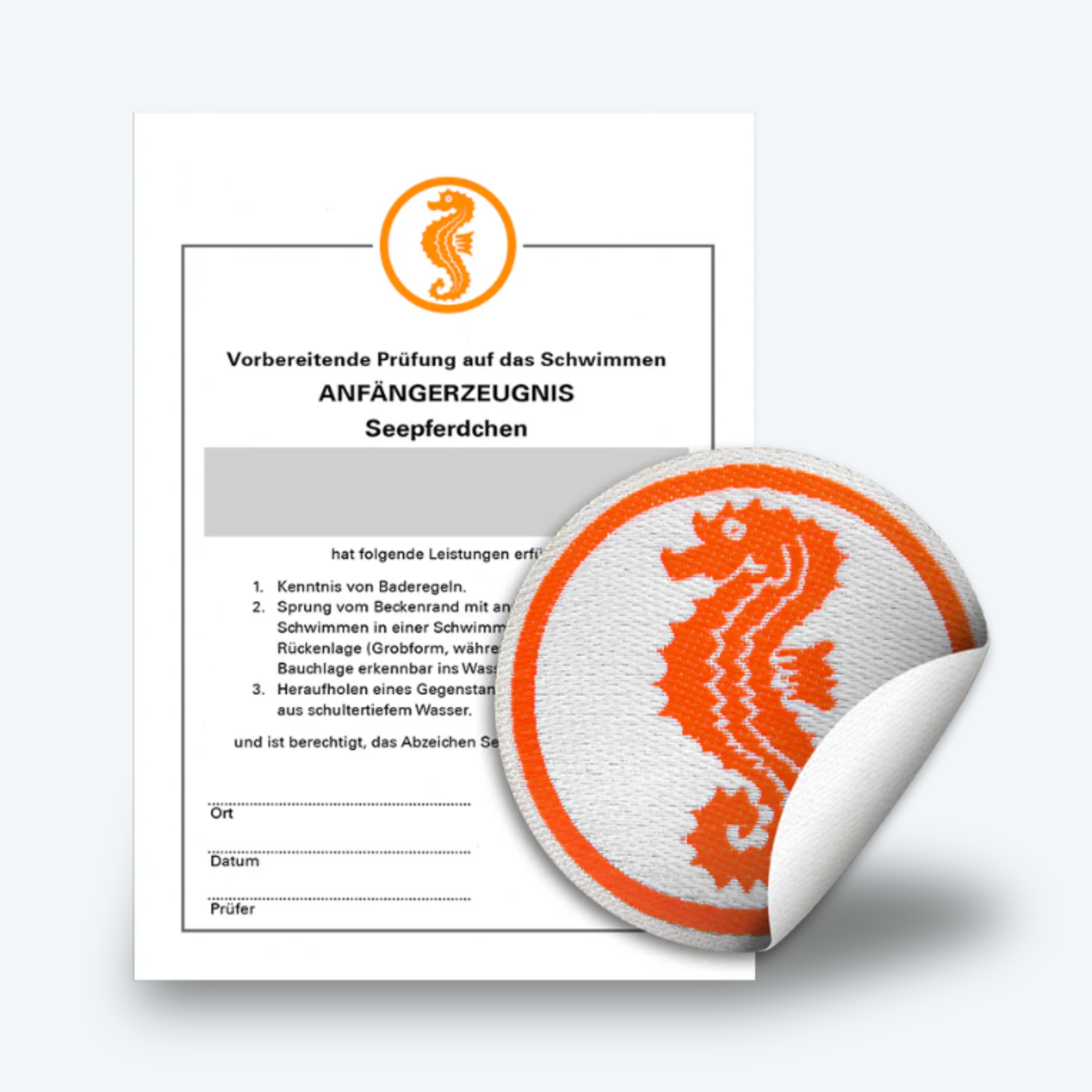
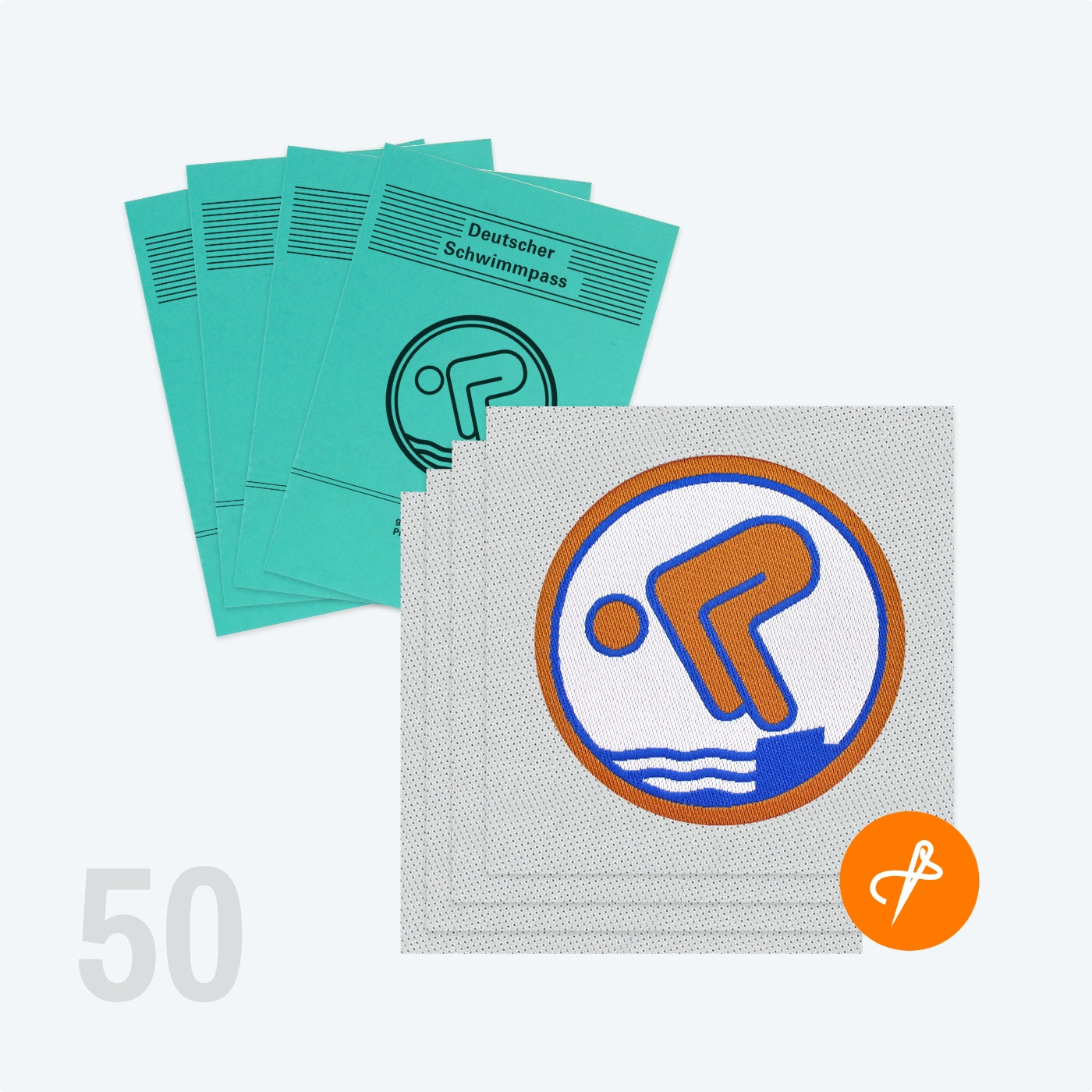
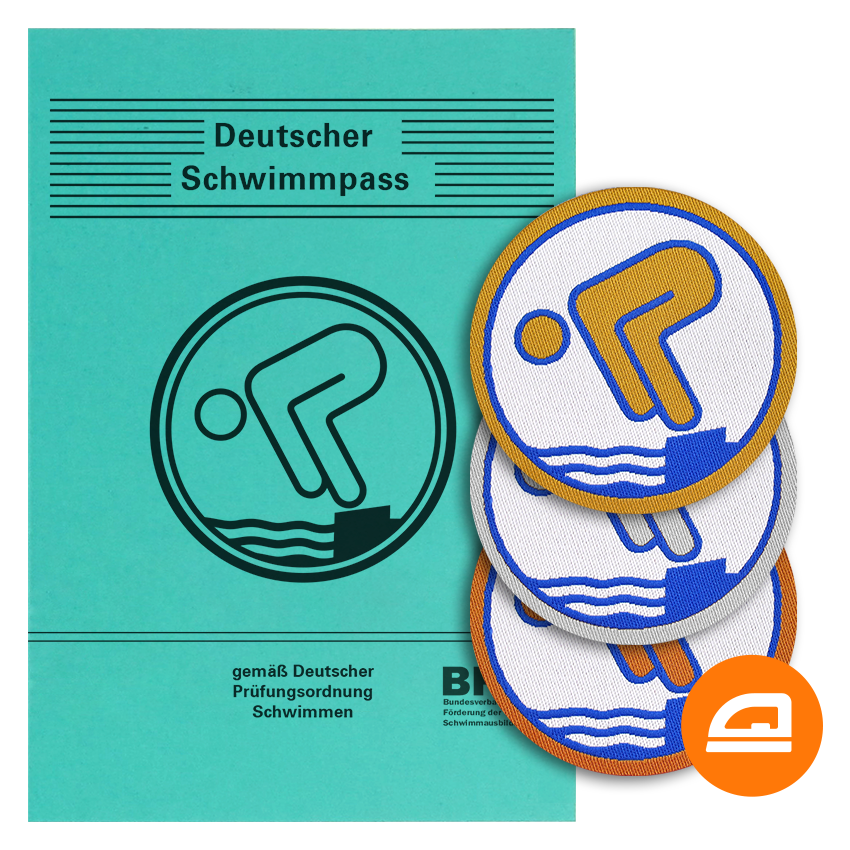
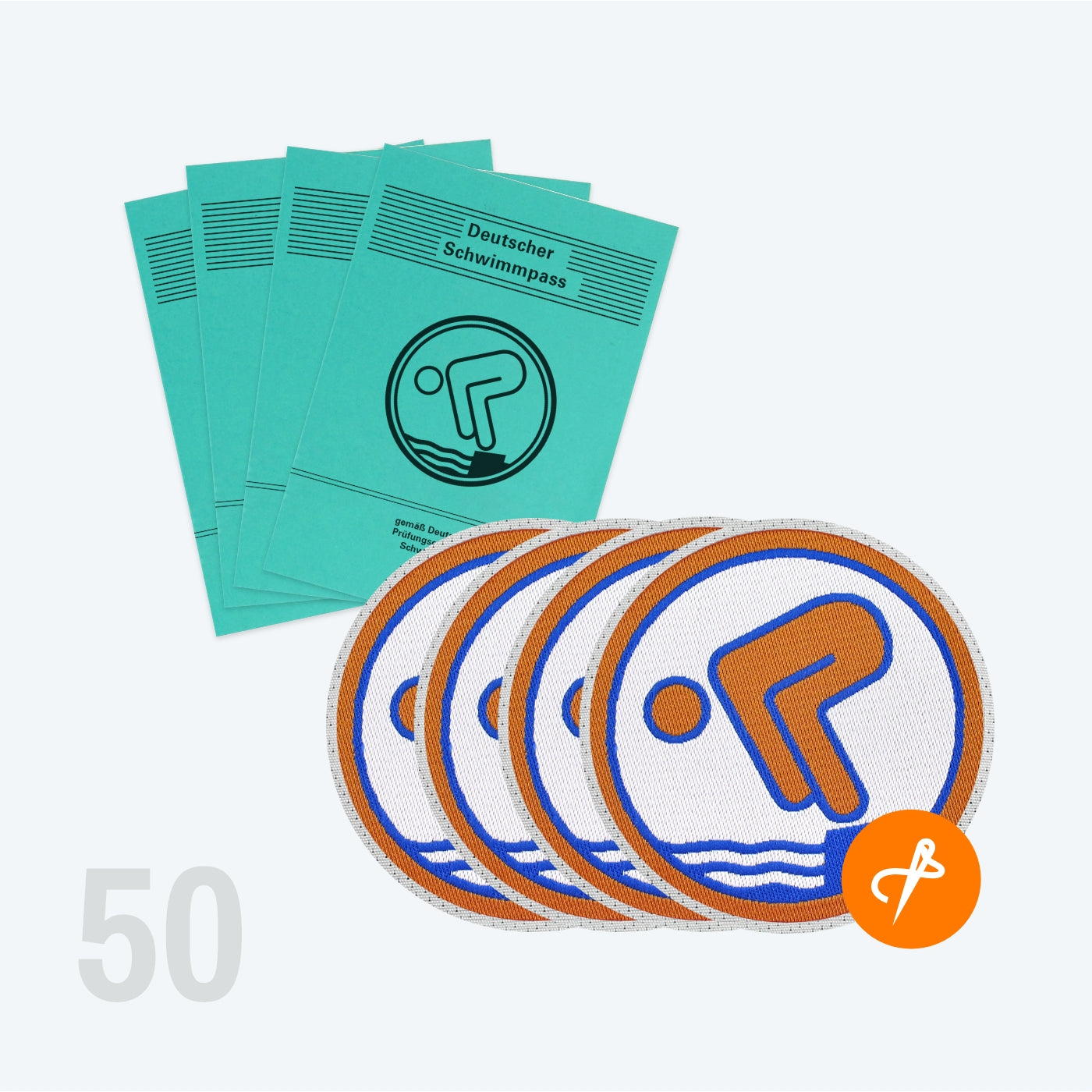
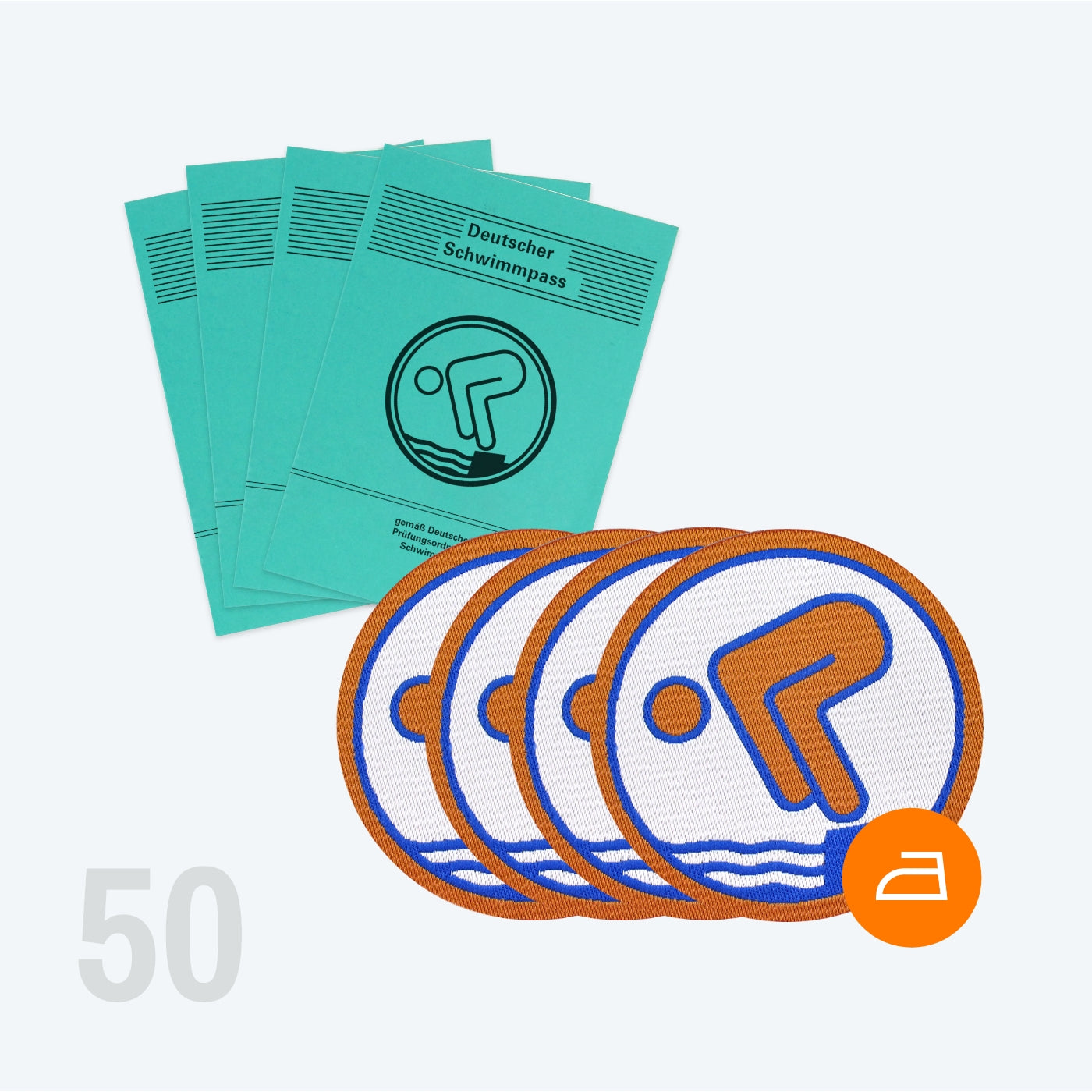
Accompanying your child safely to their swimming badge – with Pimpertz
Many parents face the challenge of properly supporting their four-year-old child's first swimming course. Uncertainty about suitable swimming badges, the right motivation, and the selection of age-appropriate equipment can hinder learning success. In the article, you learned how important emotional preparation, continuous practice in everyday life, and appealing rewards for little swimmers are. This is where we come in: Pimpertz has been a reliable partner for decades when you want to proudly prepare your child for their next swimming badge.
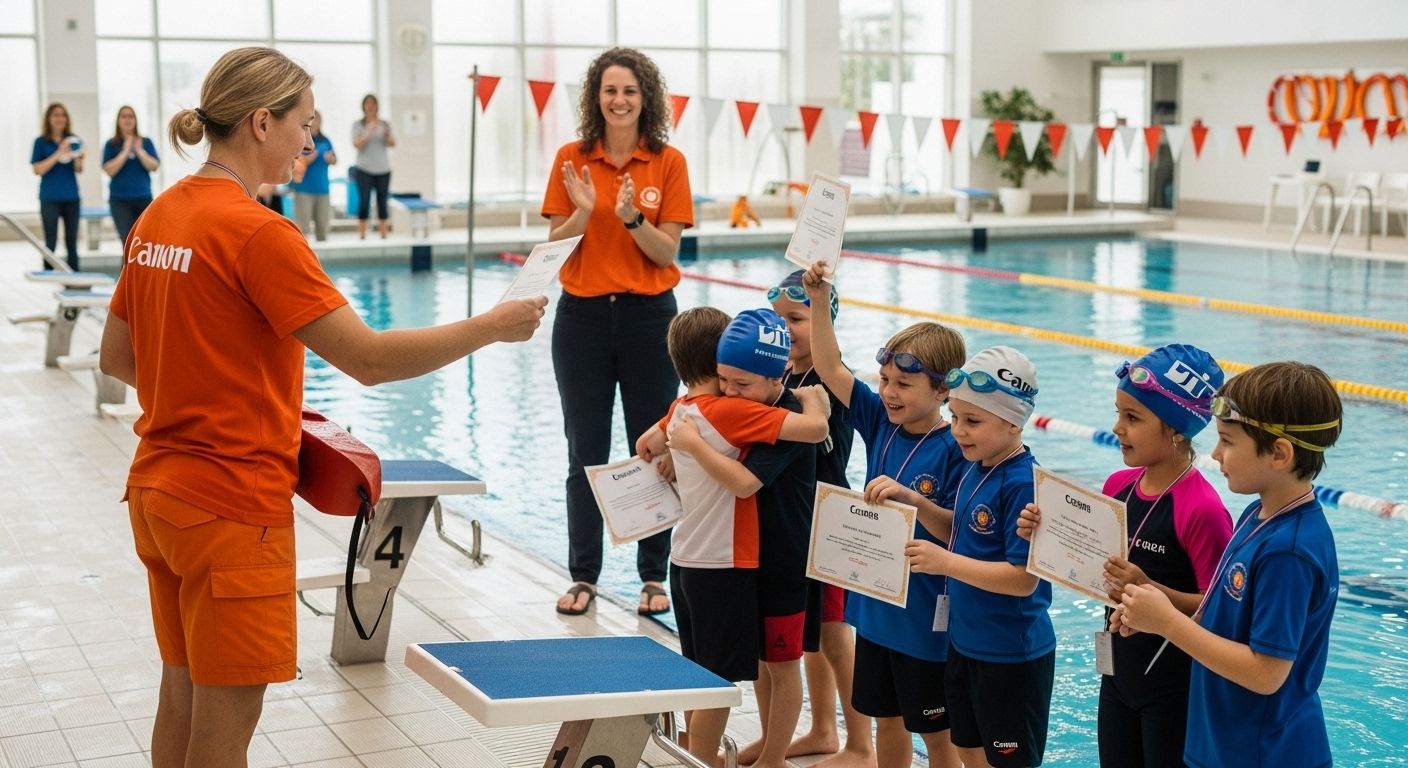
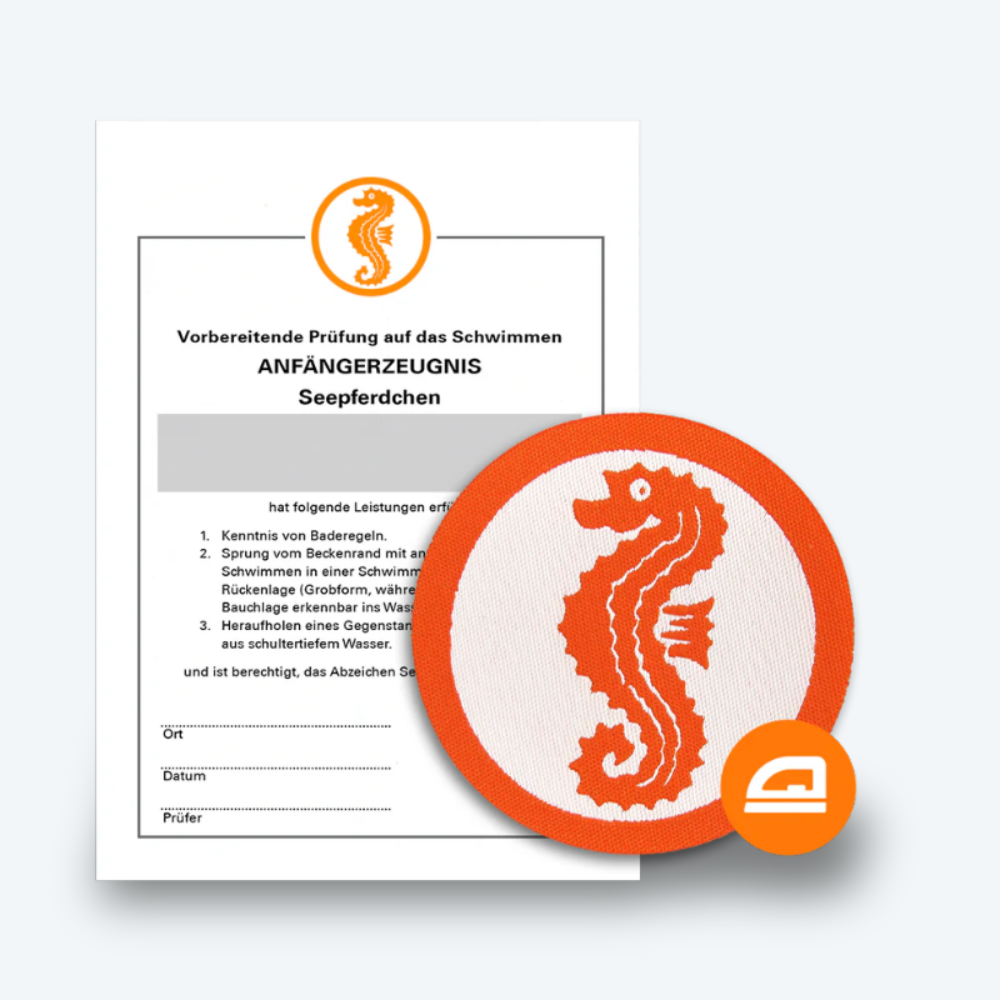
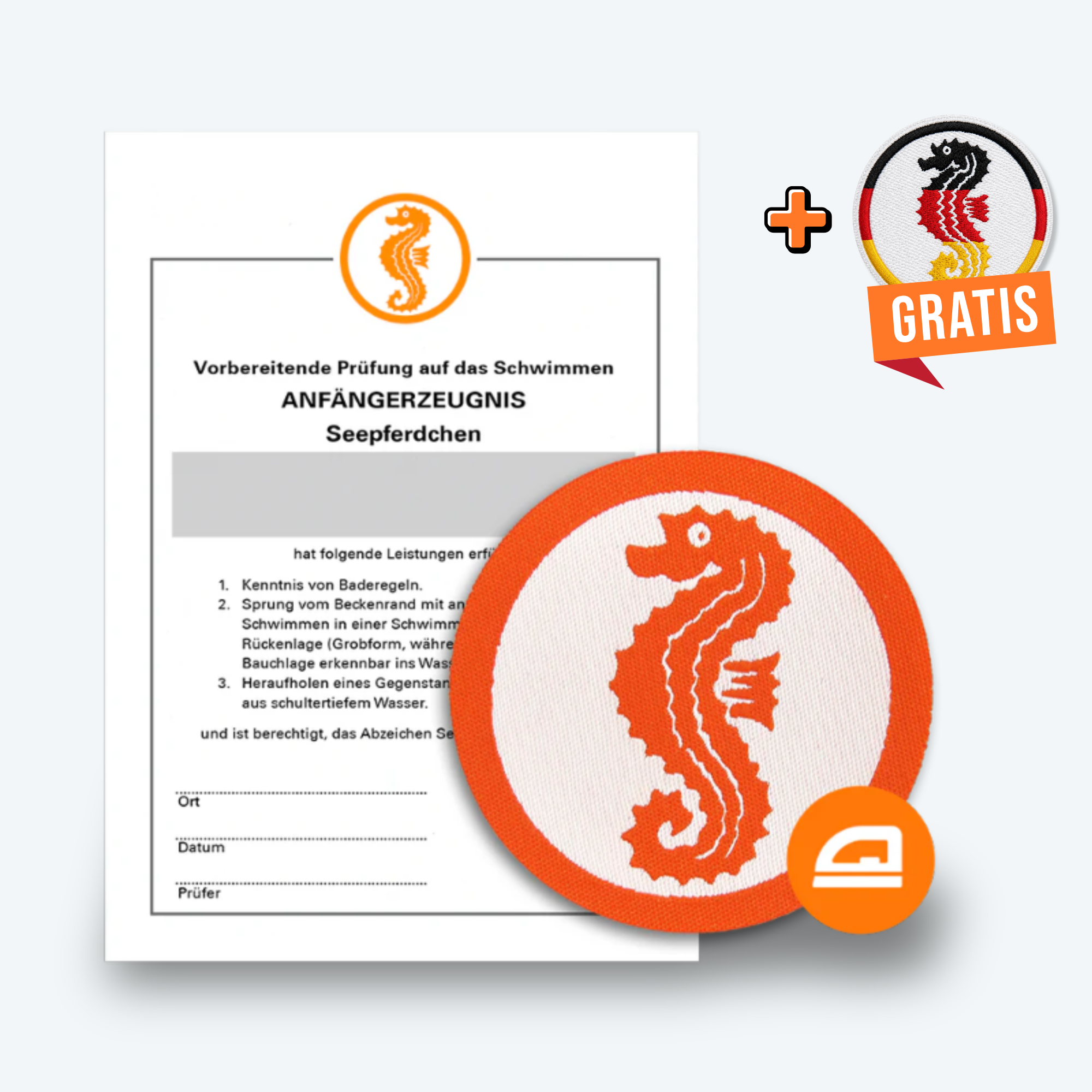
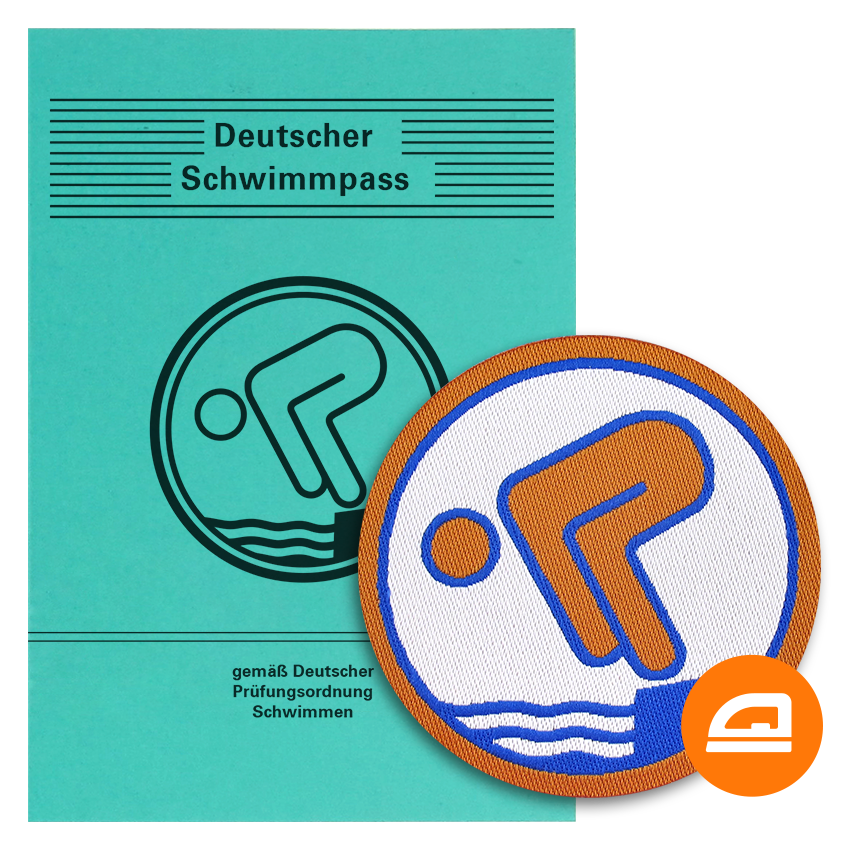
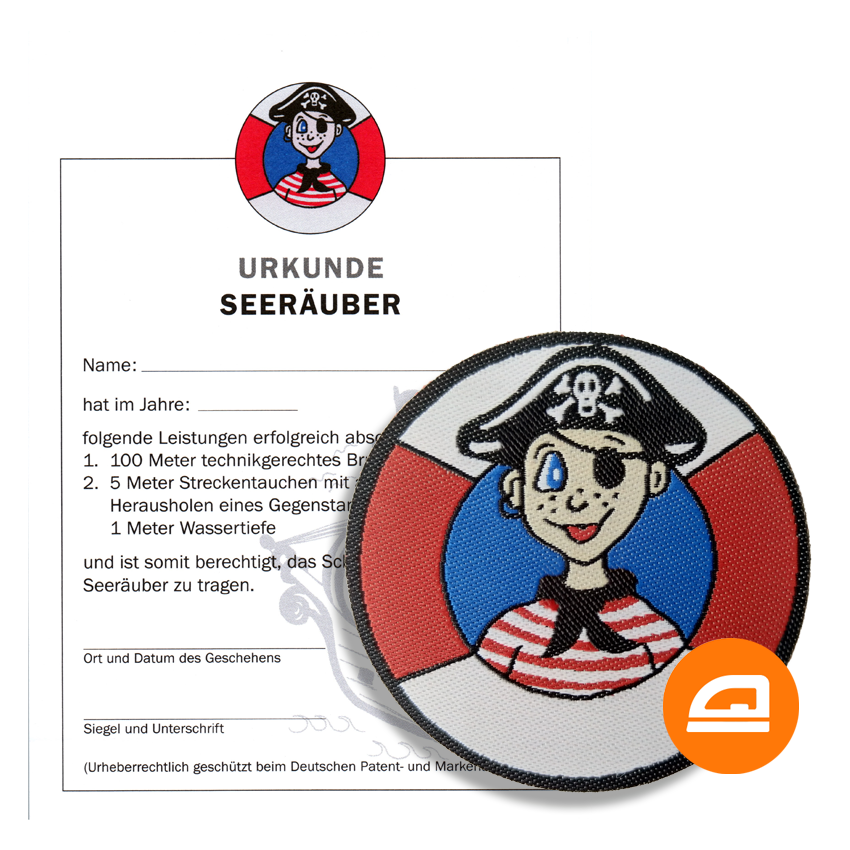
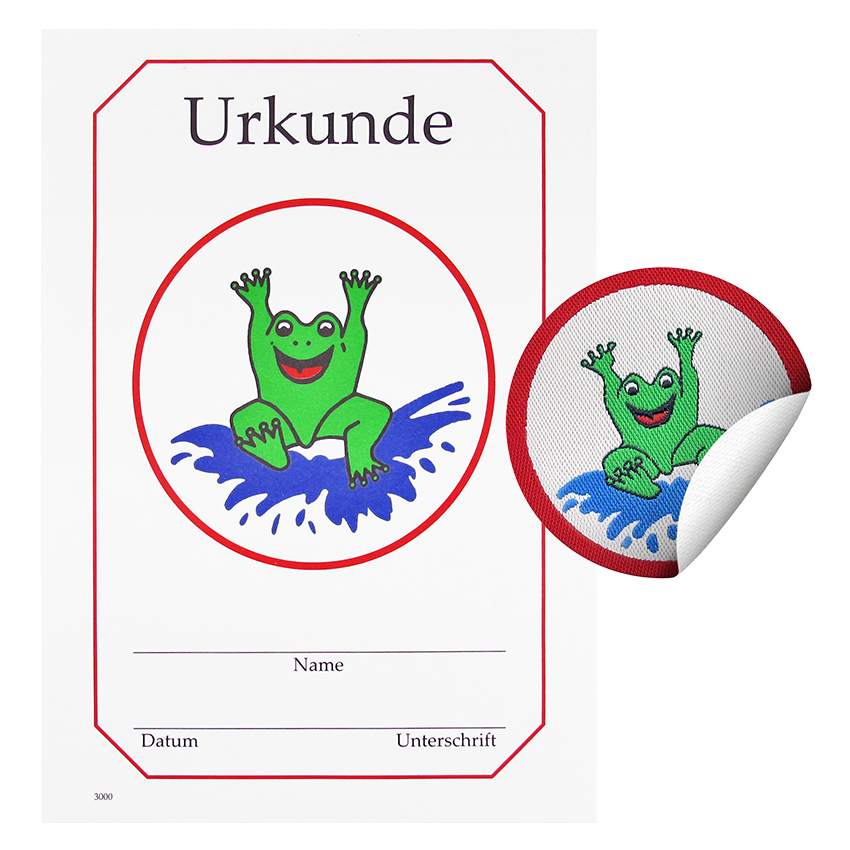
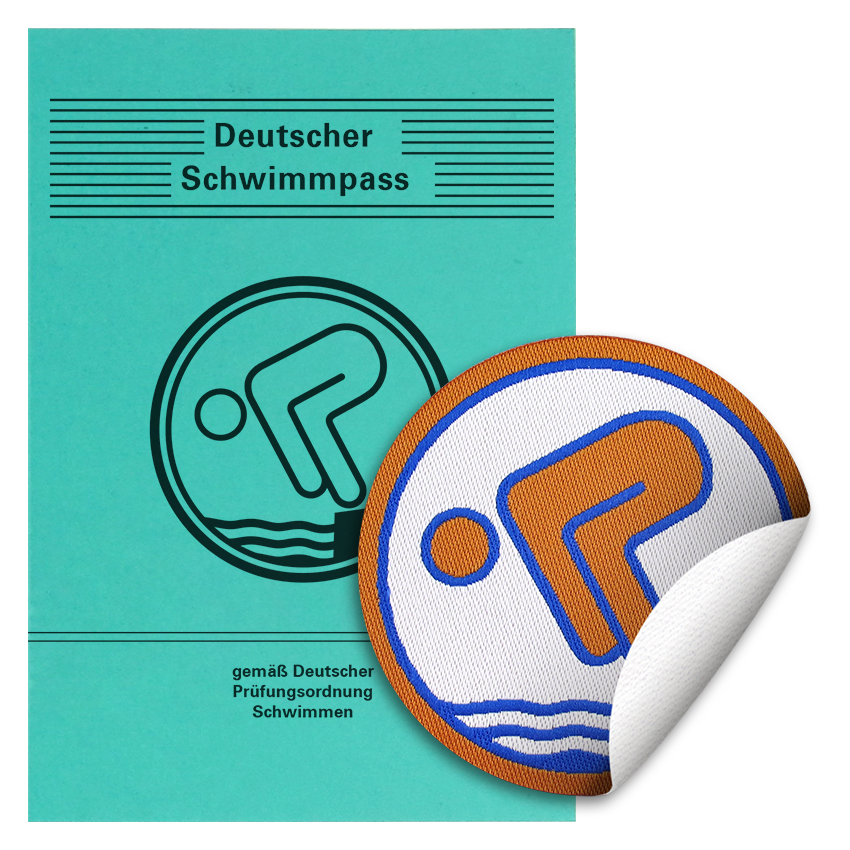
Give your child not only safety but also real success experiences. With our motivating swimming badges and certificates in child-friendly designs, the enthusiasm for swimming remains alive. Discover practical accessory sets and inspirations that make progress visible. Strengthen their newfound self-confidence with individual badges and let your child achieve real milestones. Browse pimpertz.de now and secure the right accessories or reward package for the next course.
Frequently Asked Questions
How do I choose the right swimming course for my four-year-old child?
The right swimming course should offer qualified swimming instructors with experience working with young children. Look for small group sizes and child-friendly learning methods that convey safety and fun.
How can I emotionally prepare my child for the swimming course?
Talk positively about learning to swim and share your own experiences. Foster your child's self-confidence with praise and understanding for their emotions, especially if they are nervous.
What equipment does my child need for the swimming course?
Your child needs comfortable swimwear, swim goggles, a swim cap, possibly swimming aids, and safety protection like sunscreen. Water shoes can provide additional support.
How can I monitor my child's progress in the swimming course?
Keep a progress diary where you record both technical skills and emotional progress. Communicate regularly with the swimming instructor to gain insights into your child's development.