

International swimming badges: Differences and opportunities worldwide
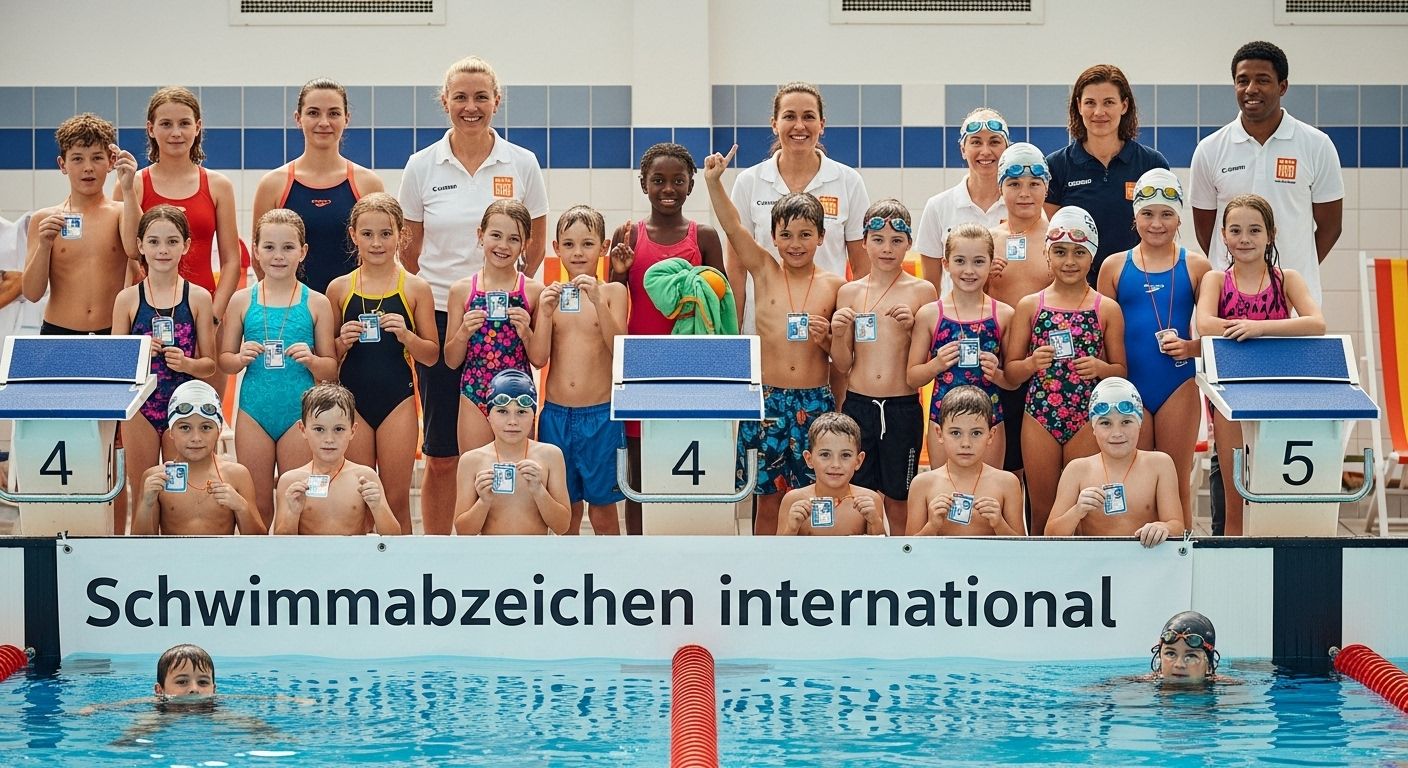
Swimming badges are a firm part of childhood in many countries and are considered visible proof of water safety. But did you know that the requirements and meanings of these badges can vary greatly around the world? In Sweden, for example, children must swim at least 200 meters continuously for the Simborgarmärket and receive a new color for the badge every year. That sounds like motivation, but behind the colorful variety there's much more than just learning to swim – namely, an exciting insight into different cultures, values, and even educational approaches to water safety.
Table of Contents
- What are international swimming badges?
- Comparison: Swimming badges in different countries
- Tips for clubs, coaches, and parents when dealing with international swimming badges
- Worldwide benefits of swimming badges for children and organizations
Quick Summary
| Takeaway | Explanation |
|---|---|
| Swimming badges document skills | International swimming badges demonstrate standardized swimming skills and water safety. |
| Badges promote motivation | Clear performance levels help swimmers track their progress and stay motivated. |
| International differences are significant | Swimming badges vary in requirements and cultural background, fostering specific differences in training. |
| Parents play a key role | Parental support is essential for children's learning success in swimming and when using badges. |
| Swimming badges are more than documents | They promote safety, self-confidence, and social skills and contribute to personal development. |
What are international swimming badges?
International swimming badges are important certifications that standardize and document swimming skills and water safety. These badges go far beyond simple certificates of participation, representing a structured approach to assessing and recognizing swimming abilities.
Fundamentals of international swimming badges
International swimming badges define clear evaluation criteria for various difficulty levels and age groups. Swim England, for example, offers challenge badges in Bronze, Silver, Gold, and Honours levels, systematically developing swimming techniques and endurance. These badges enable swimmers to structure their skill development.
The Deutsche Lebens Rettungs Gesellschaft (DLRG) awards national swimming badges in Bronze, Silver, and Gold categories. These badges document not only technical swimming skills but also water safety and rescue competency.
International standardization and significance
International swimming badges serve several important functions:
- Safety assessment: Documentation of swimming skills and water rescue knowledge
- Motivation promotion: Structured performance improvement through clearly defined levels
- Comparability: Uniform evaluation criteria across national borders
Different countries have developed their own systems, but many are based on common fundamental principles. SwimTank, for example, shows a modular badge system with levels like Ray, Frog, Dolphin, and Whale, representing different difficulty levels and skills.
International standardization allows swimmers to demonstrate and compare their skills worldwide. Parents, swimming schools, and sports organizations use these badges as objective measurement tools for swimming proficiency.
Modern swimming badges are more than just paper or pins. They are official documents that record swimming skills, water safety, and personal development. They motivate children and young people to continuously improve their swimming abilities and build a positive relationship with water.
Comparison: Swimming badges in different countries
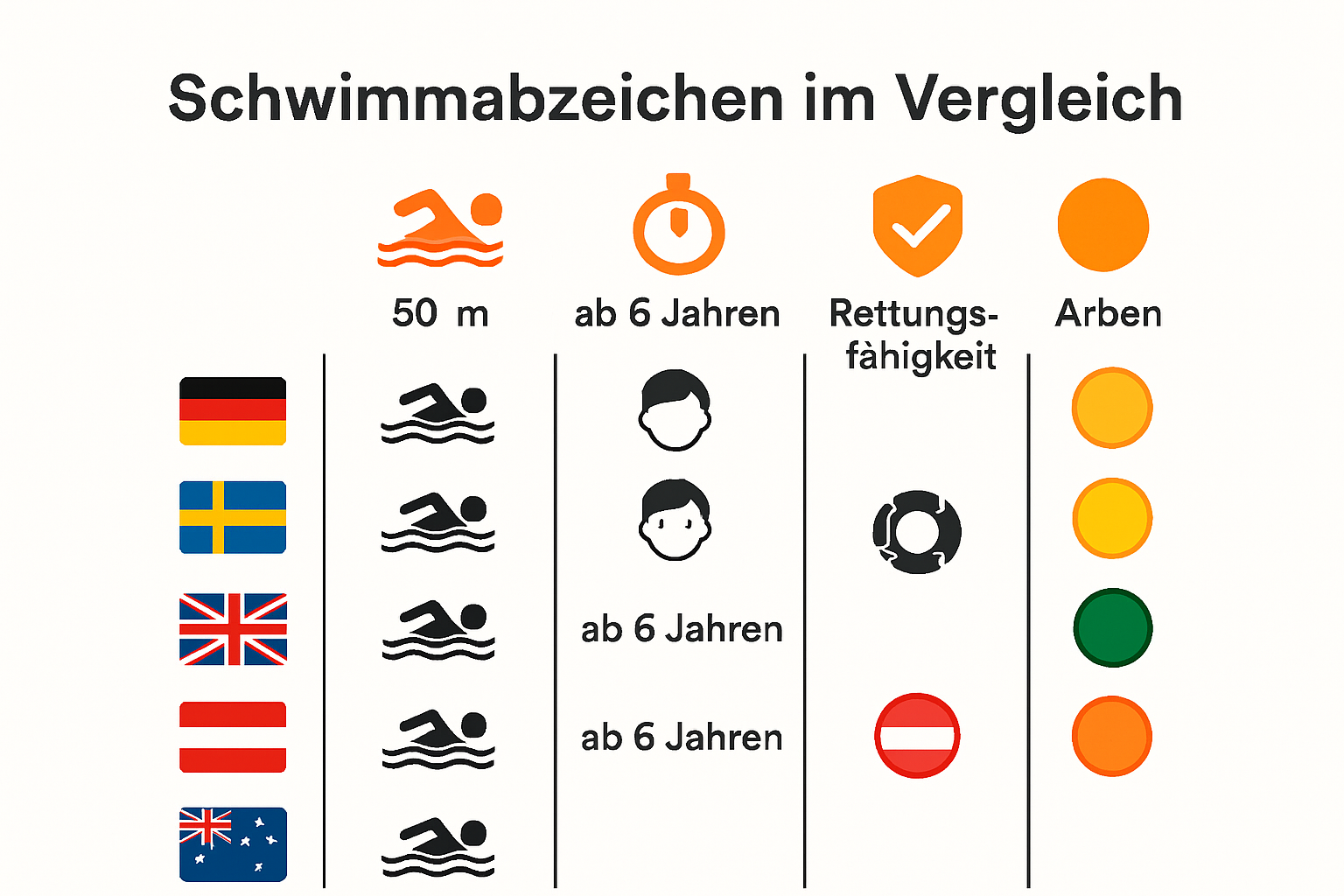
Swimming badges around the world differ in their requirements, evaluation criteria, and cultural approaches to water safety. An international comparison reveals interesting variations in the systems of different countries.
To help readers compare the approaches to swimming badges in different countries, the following table summarizes the requirements and key features of selected national swimming badge systems mentioned in the article.
| Country/Organization | Badge Levels | Main Requirement(s) | Unique Feature(s) |
|---|---|---|---|
| Germany (DLRG) | Bronze, Silver, Gold | Technical skills, water safety, rescue | Emphasis on rescue abilities |
| Sweden | Simborgarmärket | 200m continuous swimming | Different badge color awarded each year |
| Austria | Part of Sportabzeichen | 200m or 300m swim (age/gender based) | Badge embedded in broader sports badge system |
| Great Britain (Swim England) | Bronze, Silver, Gold, Ehre | Swimming techniques, endurance | Modular system, holistic water competence |
| USA (SwimTank/Programs) | Multiple animal-themed levels | Skills by level (Rochen to Wal, etc.) | Modular, creative incentive levels for kids |
| Australia | Varies by program | Swimming & coastal safety skills | Focus on handling waves and natural waters |
Swimming badges in Europe
In Europe, there are diverse approaches to swimming education. In Germany, the DLRG defines swimming badges in Bronze, Silver, and Gold with clear performance requirements. Each badge tests not only swimming techniques but also water safety and rescue skills.
In Sweden, the Swedish Swimming Federation awards the Simborgarmärket, a badge that requires swimmers to complete at least 200 meters using any technique. Particularly interesting is that this badge is updated annually with a new color, which further motivates athletes.
International differences and evaluation criteria
Austrian swimming badges show a different approach. The Austrian Sports Badge integrates swimming as a component with varying requirements based on age and gender. Participants must swim 200 or 300 meters continuously, with criteria differing between basic and advanced levels.
In Great Britain, Swim England offers comprehensive challenge badges from Bronze to Honours. These badges not only assess swimming techniques but also promote holistic water competence.
Cultural perspectives and educational goals
Each national system reflects specific cultural and safety-related priorities. While German badges heavily focus on rescue skills, Scandinavian systems place more emphasis on endurance and swimming in natural environments.
In Australia, for example, swimming badges are closely linked to coastal safety. Children learn not only swimming techniques but also strategies for dealing with currents and wave areas.
These international differences highlight that swimming badges are more than just performance certificates. They are educational tools that convey water safety, physical fitness, and cultural values. For parents, swimming instructors, and sports organizations, they provide a structured framework for developing swimming skills.
Despite all differences, all systems share a common goal: to enable children and adults to act safely and competently in the water.
Tips for clubs, coaches, and parents when dealing with international swimming badges
Dealing with international swimming badges requires a coordinated and strategic approach from clubs, coaches, and parents. Successful swimming training is based on collaboration, understanding, and targeted support.
Below is a summary table highlighting the main roles and recommended actions for clubs, trainers, and parents as described in the article. This helps clarify how each group supports children’s progress with swimming badges internationally.
| Role | Key Actions/Responsibilities |
|---|---|
| Clubs/Trainers | Individual support, assess skills regularly, create positive atmosphere |
| Parents | Provide emotional support, set realistic expectations, value badges |
| Both | Collaborate on communication, respect different evaluation systems |
Strategies for clubs and coaches
Swimming clubs play a central role in developing swimming skills. Swim England recommends a structured approach to badge development. Coaches should document individual learning progress and communicate transparently.
Important aspects for clubs include:
- Individual support: Recognizing and supporting the individual strengths of each swimmer
- Regular performance assessment: Continuous evaluation of swimming techniques
- Motivating atmosphere: Creating a positive and encouraging training environment
Parent's guide: Support and guidance
The USA Swimming Parent Handbook emphasizes the crucial role of parents in their children's swimming development. Parents should:
- Offer emotional support and appreciate progress
- Set realistic expectations
- Respect the training and instructions of the coaches
- Use swimming badges as a motivational tool
International perspectives and challenges
Working with international swimming badges requires intercultural competence. Important considerations include:
- Understanding different national assessment systems
- Flexibility with various training methods
- Openness to international training standards
Coaches should continuously educate themselves and understand international swimming standards. Parents can make a significant contribution to their children's swimming careers through support and understanding.
A holistic approach that combines technical skills, mental strength, and enjoyment of swimming is key to success. Swimming badges are not just performance certificates but milestones in the personal development of young swimmers.
Worldwide benefits of swimming badges for children and organizations
Swimming badges are more than just certificates of achievement. They are strategic tools that provide children with safety, self-confidence, and important life skills, while also helping organizations standardize and improve swimming education.
Safety and life-saving skills
The International Swimming Hall of Fame has made a significant step in water rescue with its 'Every Child a Swimmer' program. Through partnerships with 282 swimming schools, over 1,800 children have been taught vital swimming skills. This initiative underscores how swimming badges directly contribute to accident prevention.
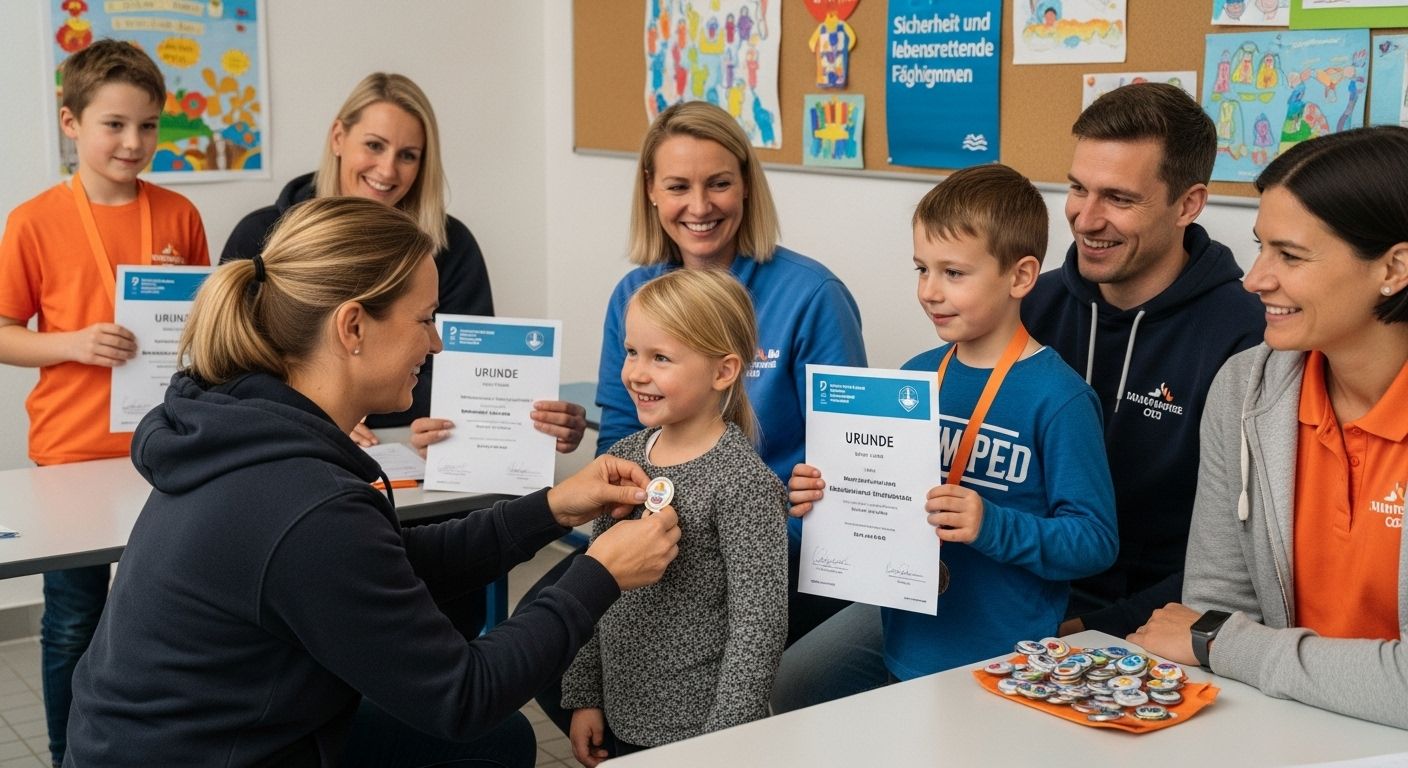
The USA Swimming Foundation has already provided swimming lessons to over 5 million children through its 'Make a Splash' program. Regardless of financial means, children gain access to professional swimming education.
Education and personal development
Swimming badges promote more than just physical abilities. They develop:
- Self-confidence: Children experience success through systematic performance improvement
- Discipline: Regular training and goal achievement strengthen perseverance
- Social skills: Group training and competitions improve teamwork
International cooperation and standardization
The collaboration of the Princess Charlene of Monaco Foundation with educational institutions like the Brevard Public Schools in Florida shows how swimming badges support global educational goals. Over 10,000 students received water safety and emergency training, illustrating the importance of standardized swimming education.
Swimming badges are thus more than just documents. They are bridges between individual development, organizational responsibility, and societal safety. They motivate children, foster their development, and contribute to water safety worldwide.
The global perspective shows: Swimming badges are universal educational tools that go far beyond swimming. They are investments in the safety, health, and future of young people.
Frequently Asked Questions
What are international swimming badges?
International swimming badges are performance certificates that document swimming skills and water safety. They show standardized requirements for swimmers in different countries.
What are the differences between swimming badges in different countries?
The requirements and evaluation criteria for swimming badges vary greatly. For example, swimmers in Sweden must swim 200 meters continuously, while in Germany, technical skills and water safety are emphasized.
How can parents support their children in achieving swimming badges?
Parents can provide emotional support, set realistic expectations, and highlight the importance of swimming badges as a motivational tool. It is also important to respect the coaches and their instructions.
What benefits do swimming badges offer for children's personal development?
Swimming badges promote self-confidence, discipline, and social skills. Through systematic progress in swimming, children develop important life skills and a positive relationship with water.
Swimming badges: Achieve internationally, benefit locally
The diversity and varying requirements of international swimming badges demand confident navigation from parents, clubs, and schools – especially when children want to record their achievements comparably and motivatingly. In our article, you've seen how different standards can be worldwide and how important it is to rely on officially recognized, high-quality badges. Those who want to encourage children and make their swimming successes visible cannot do without expert partners.
With Pimpertz swimming badge sets, you receive exactly the quality and selection that combines international standards and German reliability. Choose from certified badges, creative themes like pirate badges or exclusive collection packs. Bring variety and motivation to your swim training now. Discover our complete range directly and learn more about first-class service at pimpertz.de.