


More than one in ten families in Germany notice behavioral abnormalities in preschool children that indicate emotional distress. Especially in early childhood, many parents are looking for ways to protect their child's well-being and prevent problems such as depression. Swimming proves to be a surprisingly effective method because it promotes and playfully strengthens body, mind, and social development equally.
Table of Contents
- What does swimming against depression mean?
- Recognizing depressive symptoms in children
- How swimming improves well-being
- Preventive effect of swimming lessons
- Correct swimming badges and safety
- Parental role in promoting through swimming
Key Findings
| Point | Details |
|---|---|
| Swimming promotes mental health | Swimming can alleviate depressive symptoms in children by releasing happiness hormones and reducing stress. |
| Early detection is crucial | Parents should be attentive to signs of depression in their children to seek professional help in time. |
| Swimming lessons as prevention | Regular swimming lessons strengthen self-esteem and promote social skills, which benefits mental health. |
| Parents are important | Positive parental support can be crucial in swimming to reduce fears and encourage motivation. |
What does swimming against depression mean?
Swimming is an effective strategy to help children cope with depressive symptoms. Scientific studies show that sports like swimming can have antidepressant effects by supporting mental health on several levels.
Immersing oneself in water not only activates the body but also affects the soul. Swimming releases happiness hormones that contribute to mood enhancement, helping children reduce negative thoughts and feelings. The rhythmic movement in the water also creates a meditative state that reduces stress and promotes inner peace.
For children with depressive tendencies, swimming offers several important benefits:
Here is an overview of how swimming strengthens various dimensions of mental health in children:
| Dimension of Health | Effect through Swimming | Importance for Children |
|---|---|---|
| Emotional Stability | Release of happiness hormones | Improved mood |
| Cognitive Abilities | Promotion of concentration and attention | Easier learning and more focus |
| Social Development | Shared experiences in swimming lessons | Strengthening sense of community |
| Body Awareness | Conscious experience in water | More self-confidence in daily life |
- Regular exercise
- Social interaction in swimming lessons
- Increase in self-esteem
- Improvement of body awareness
Pro-Tip: Encourage your child to experience swimming as a positive activity by having fun together in the water and not forcing performance.
Recognizing depressive symptoms in children
Depressive disorders in children are complex challenges that are often overlooked. Scientific research shows that depression often develops insidiously in young people and is not always obvious.
The symptoms are diverse and can easily be misunderstood. Typical signs include:
- Persistent sadness
- Withdrawal from friends and family
- Significant drop in school performance
- Changes in sleep and eating habits
- Frequent mood swings
- Difficulty concentrating
Early detection of depressive symptoms is crucial to minimize long-term consequences. Parents and caregivers should be particularly attentive if children show several of these behaviors over a longer period. It is important not to panic but to seek professional help.
Pro-Tip: Have regular, open conversations with your child and listen carefully without judging or criticizing.
How swimming improves well-being
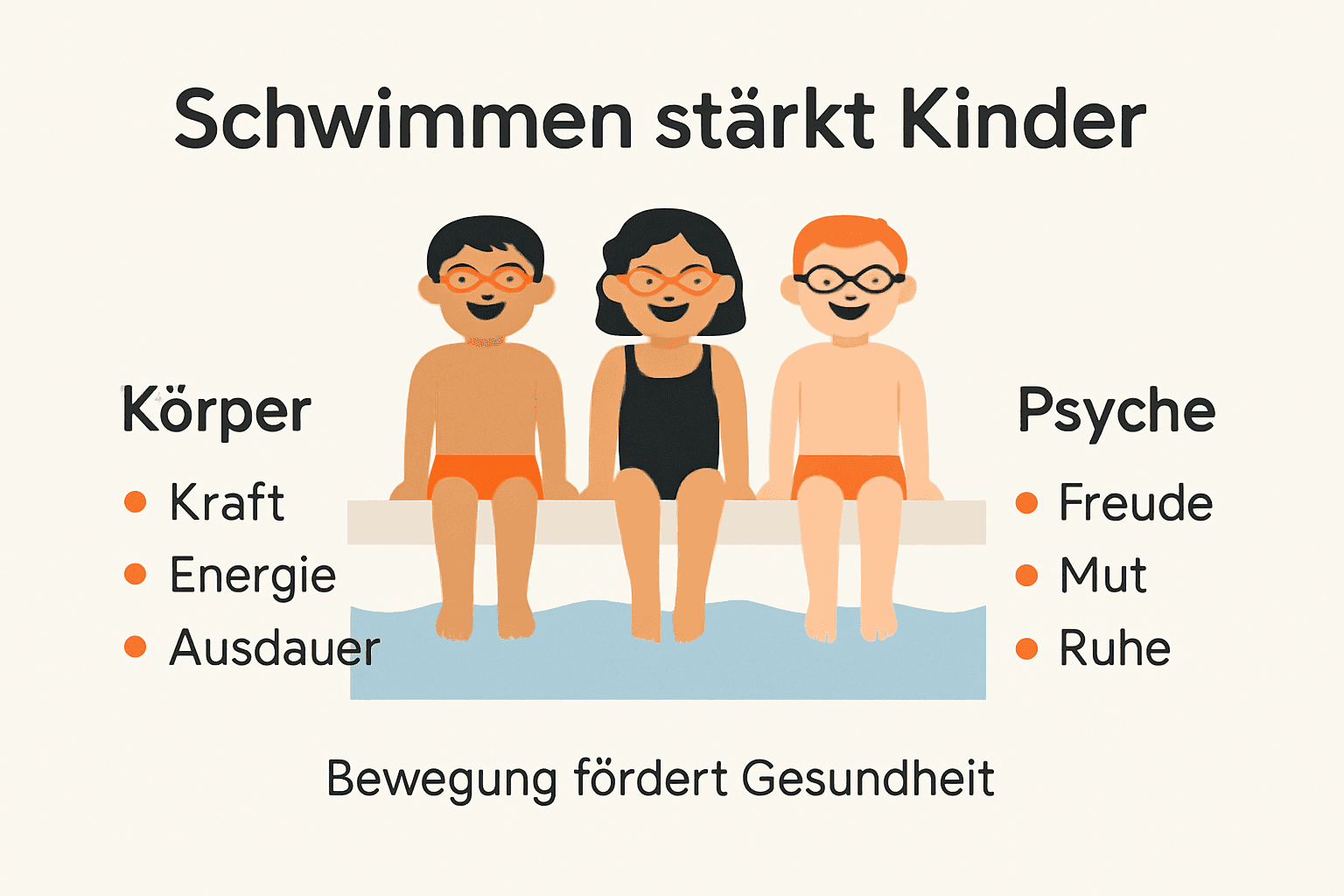
Swimming is an extraordinary form of exercise that comprehensively strengthens children's physical and mental well-being. The positive effect of swimming goes far beyond simple physical activity, harmoniously influencing both body and mind.
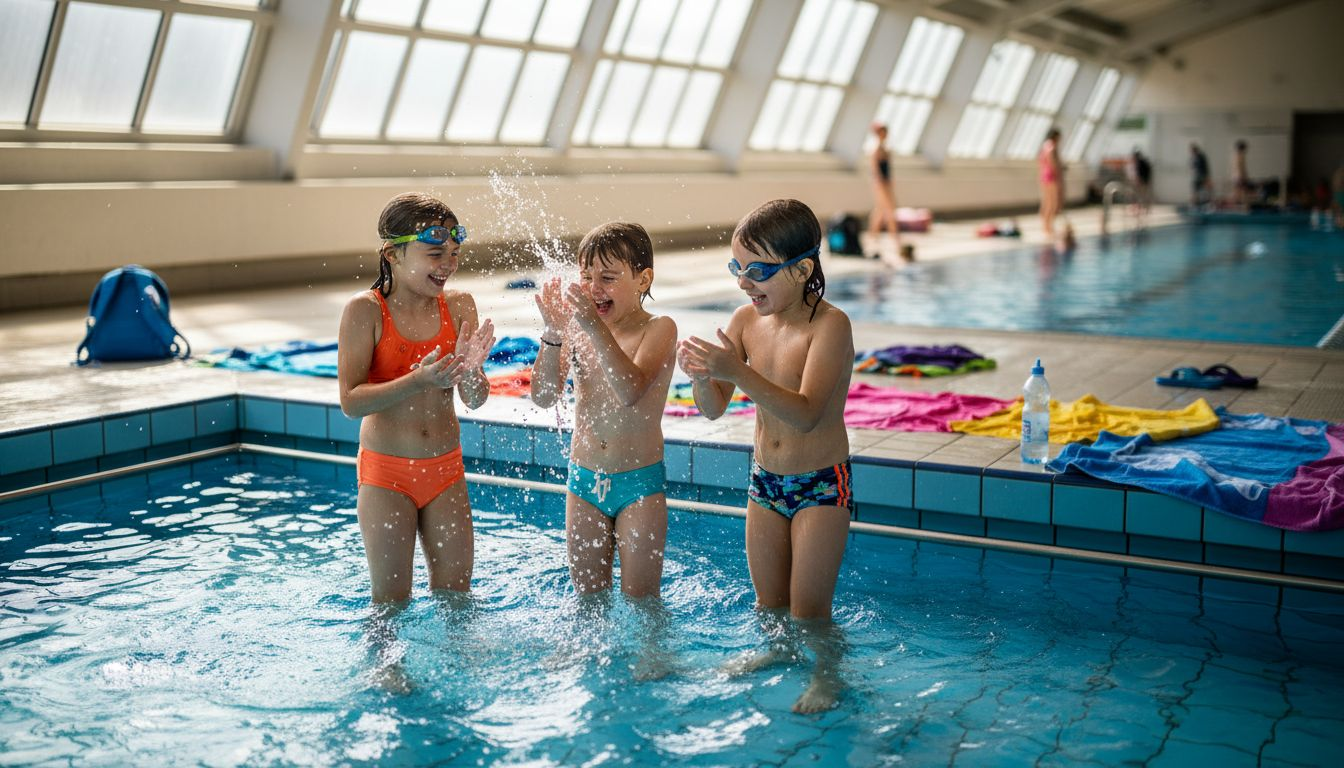
The physiological benefits are impressive. Movement in the water releases happiness hormones, reduces stress hormones, and stimulates blood circulation. Regular swimming can significantly minimize depressive symptoms in adolescents by boosting self-esteem and having a stress-relieving effect.
Further positive aspects of swimming for children's well-being include:
- Strengthening the immune system
- Improving body coordination
- Promoting social skills
- Stress reduction through rhythmic movements
- Developing perseverance
Pro-Tip: Make swimming a shared, playful experience to naturally foster your child's positive motivation.
Preventive effect of swimming lessons
Swimming lessons are more than just sports activities for children - they are an important preventive measure for mental health. Scientific studies show that club-based sports activities such as swimming lessons have a long-term positive effect on mental health.
The preventive aspects are diverse and profound. Regular physical activity demonstrably reduces the risk of developing depression and offers children an anxiety-free environment for personal development.
Important preventive effects of swimming lessons include:
- Strengthening self-esteem
- Building social skills
- Developing resilience
- Promoting body awareness
- Stress reduction and emotional regulation
Pro-Tip: Choose swimming lessons that are playful and motivating to maximize the positive effect for your child.
Correct swimming badges and safety
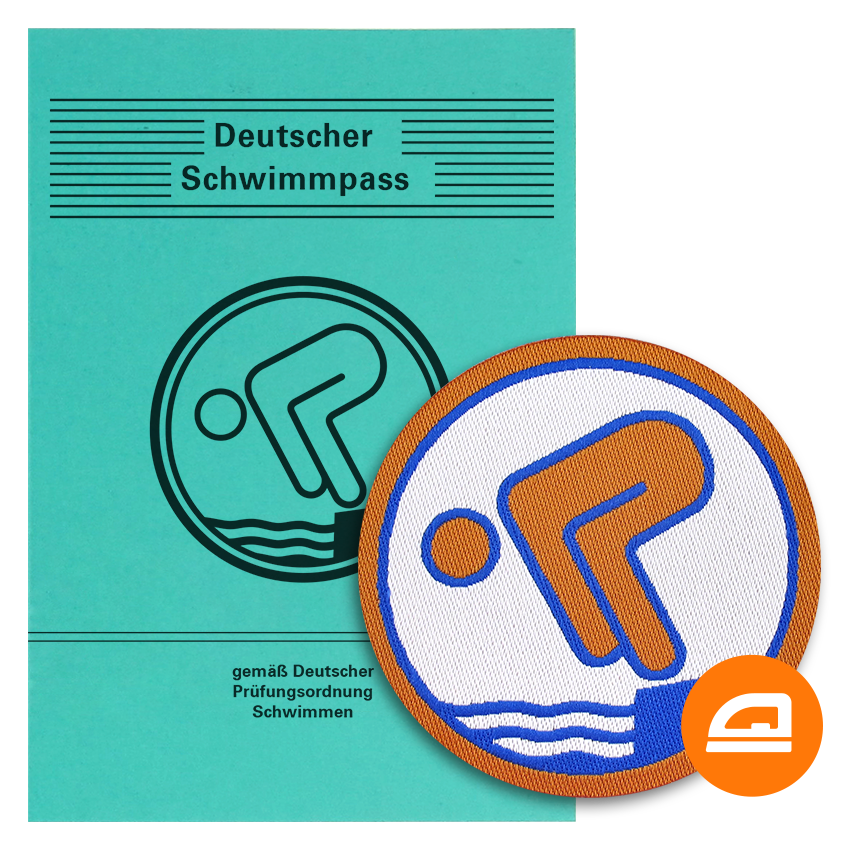
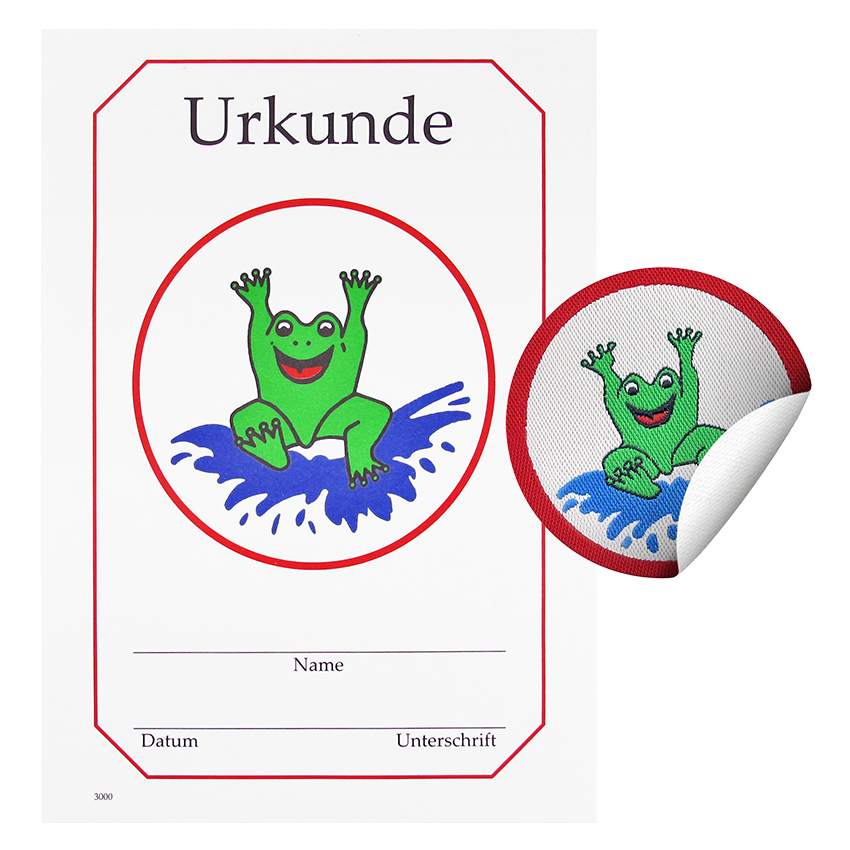
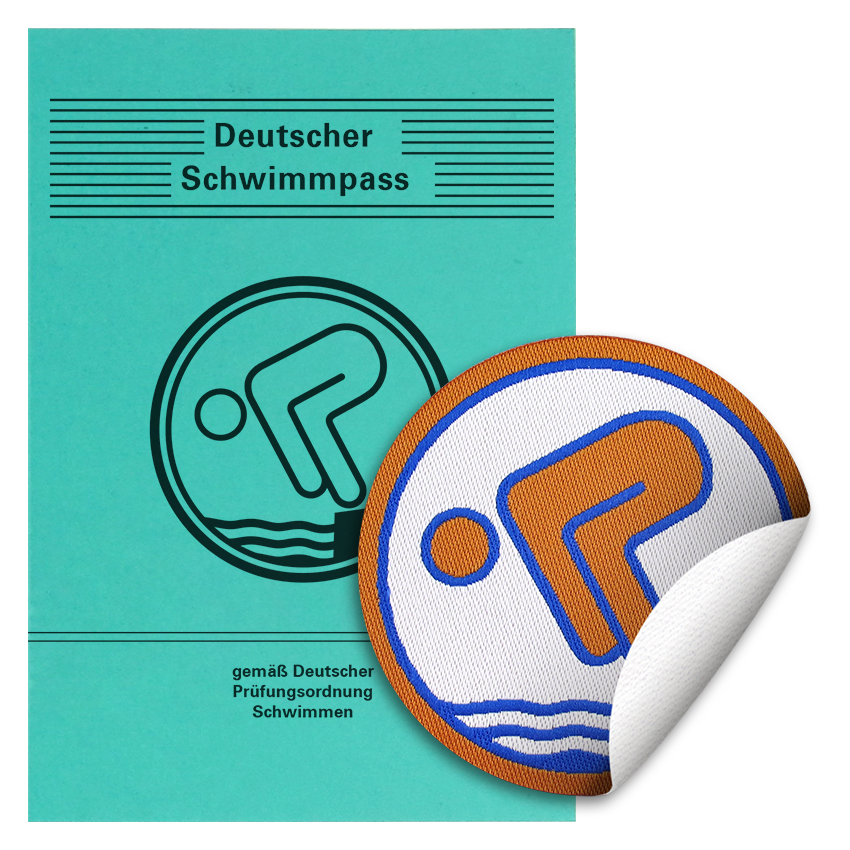
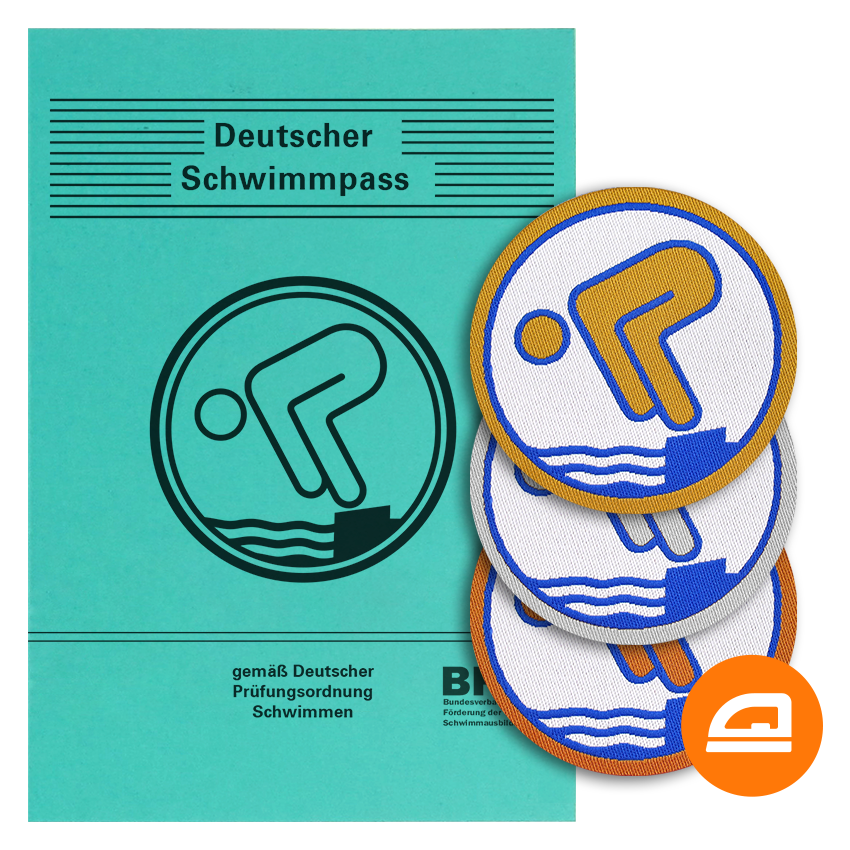
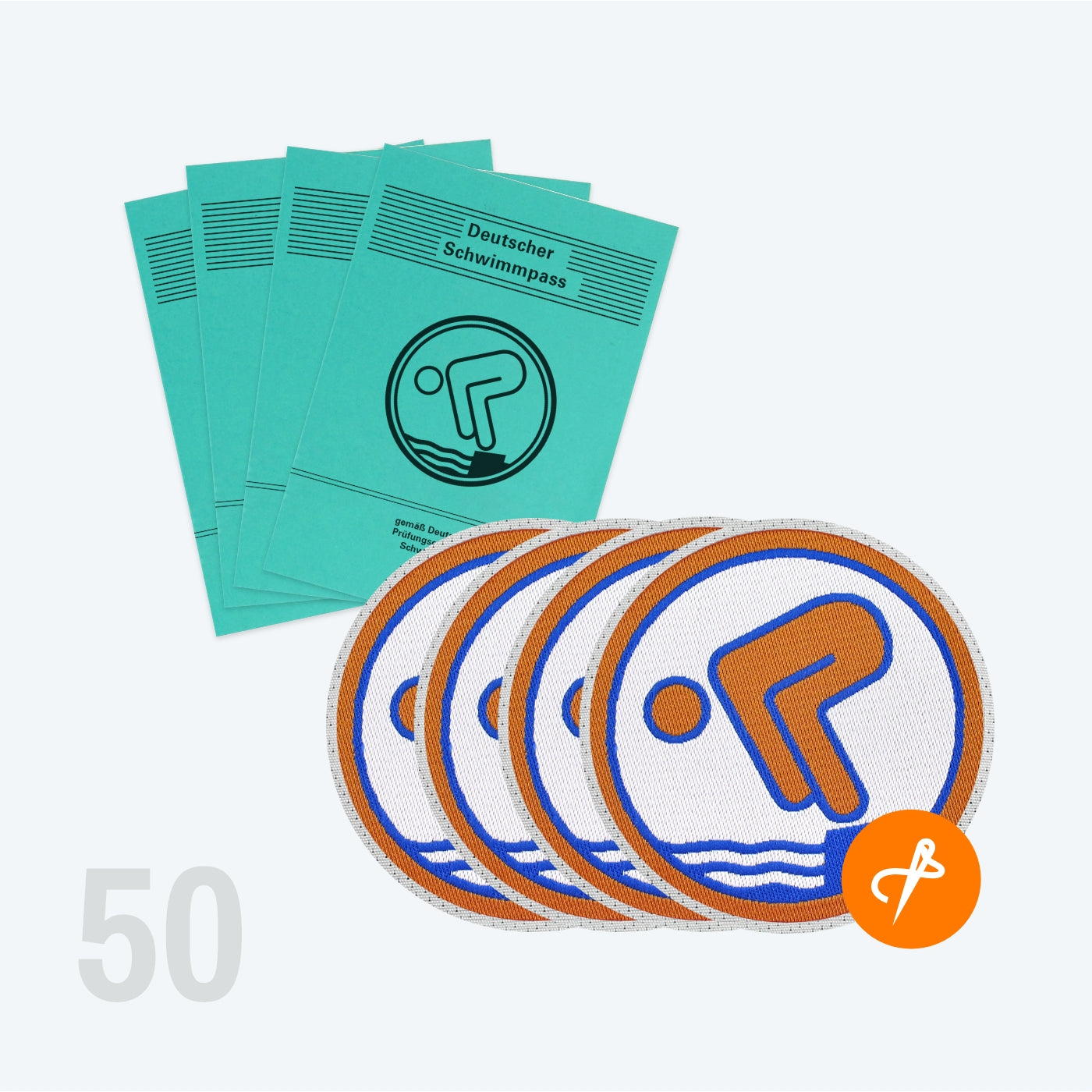
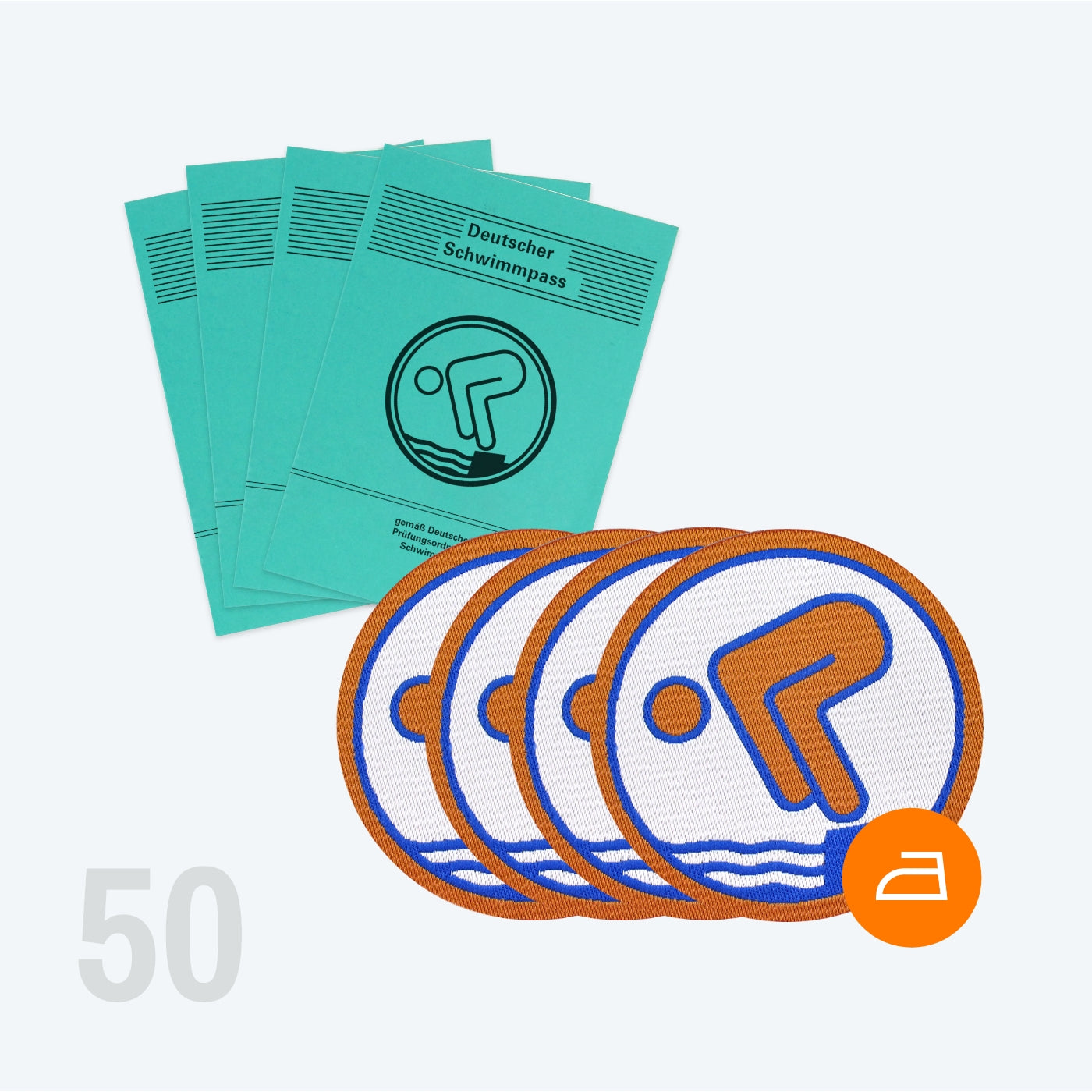
Swimming badges are more than just decorative awards - they document important swimming skills and safety standards. The DLRG swimming badges provide a comprehensive overview of children's swimming abilities.
The badges are divided into different levels that gradually build swimming competence and water safety. Parents can find important information about the meaning and acquisition of swimming badges in the frequently asked questions.
The most important swimming badges for children:
The following table compares the benefits of swimming badges with psychological developmental goals:
| Swimming Badge | Competence Taught | Psychological Added Value |
|---|---|---|
| Seepferdchen (Seahorse) | Basic water safety | Overcoming initial fears |
| Bronze | Endurance and technique | Promoting ambition |
| Silver | Advanced swimming skills | Strengthening self-confidence |
| Gold | Highest safety and performance | Pride in independent achievement |
- Seepferdchen (first water safety)
- Bronze badge (basic swimming techniques)
- Silver badge (advanced swimming skills)
- Gold badge (highest swimming level)
Pro-Tip: Accompany your child with every swimming badge and celebrate their progress together.
Parental role in promoting through swimming
Parents play a crucial role in motivating and supporting their children in swimming. With targeted learning support, parents can positively influence the swimming process.
The most important aspects of parental support include:
- Conveying a positive attitude towards swimming
- Regular encouragement and appreciation
- Understanding individual learning progress
- Creating an anxiety-free learning environment
- Showing patience and understanding
For children with depressive tendencies, parental support in swimming can be particularly significant. Targeted swimming lessons can help develop self-confidence and motor skills as early as age three.
Pro-Tip: Make swimming a shared, positive experience without pressure to perform.
Swimming as powerful support for depression in children
Recognizing depression in children and counteracting it with targeted exercise is a topic that moves parents and educators alike. Especially swimming can be an effective help by promoting emotional stability and self-confidence, as the article impressively shows. Swimming badges play an important role in making achievements visible and increasing motivation.
At Pimpertz, you will find high-quality swimming badges, certificates, and child-friendly accessories that accompany your child on the path to greater well-being and self-confidence. Use our many years of experience and fast shipping to make a positive contribution to your child's mental health with playful swimming course highlights. Experience how swimming strengthens not only physically but also mentally and make every badge achieved a small success that encourages.
Discover our offer at pimpertz.de and start promoting your child today with the right swimming badges and lovingly designed certificates. Support the development of joy and perseverance with a professional assortment that also inspires clubs and schools. Inform yourself now and rely on the combination of joy of movement and appreciation.
Frequently Asked Questions
How does swimming help with depression in children?
Swimming promotes the release of happiness hormones, reduces stress, and strengthens self-confidence, contributing to improved mood and mental health.
What symptoms indicate depression in children?
Typical symptoms include persistent sadness, withdrawal from social contacts, a decline in school performance, and changes in sleep and eating habits.
What are the benefits of swimming for children's mental health?
Swimming improves emotional stability, promotes cognitive abilities, strengthens social skills, and enhances body awareness.
How can parents support their children in swimming?
Parents should convey a positive attitude towards swimming, offer regular encouragement, and create an anxiety-free learning environment to increase their children's motivation.


