
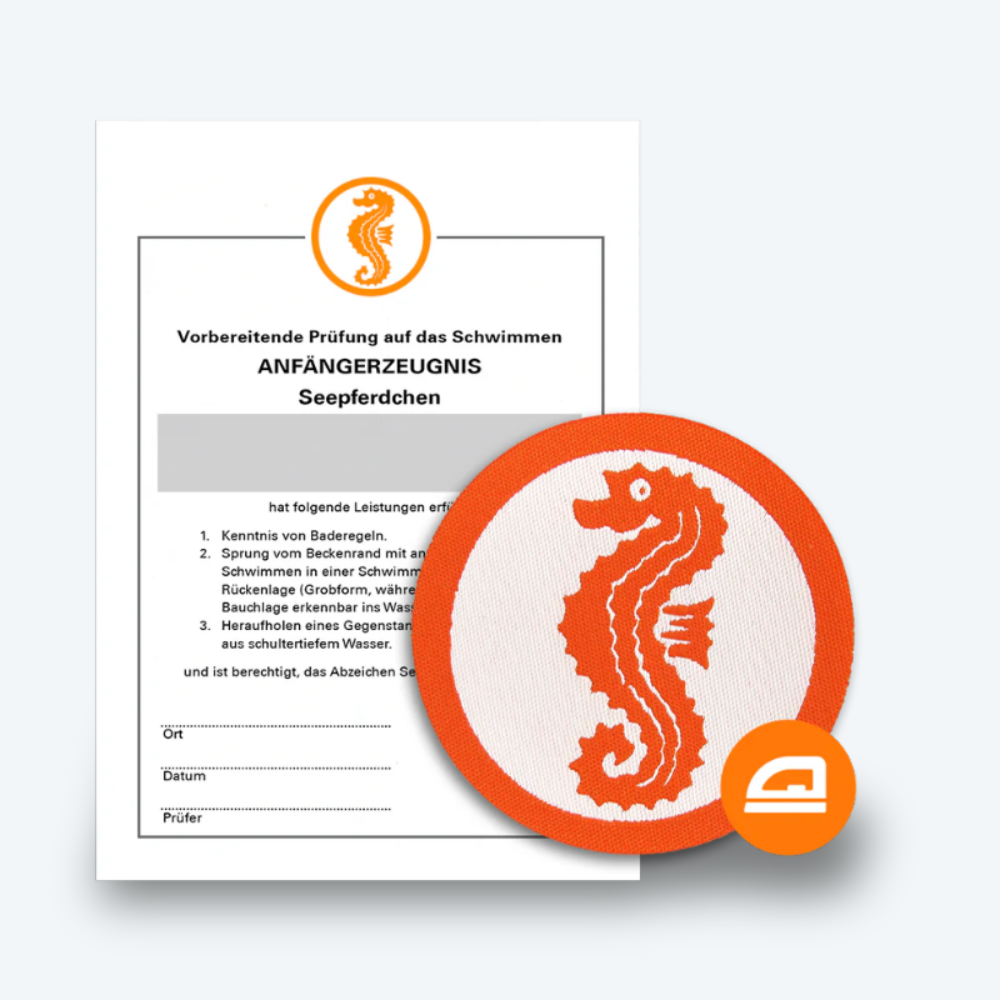
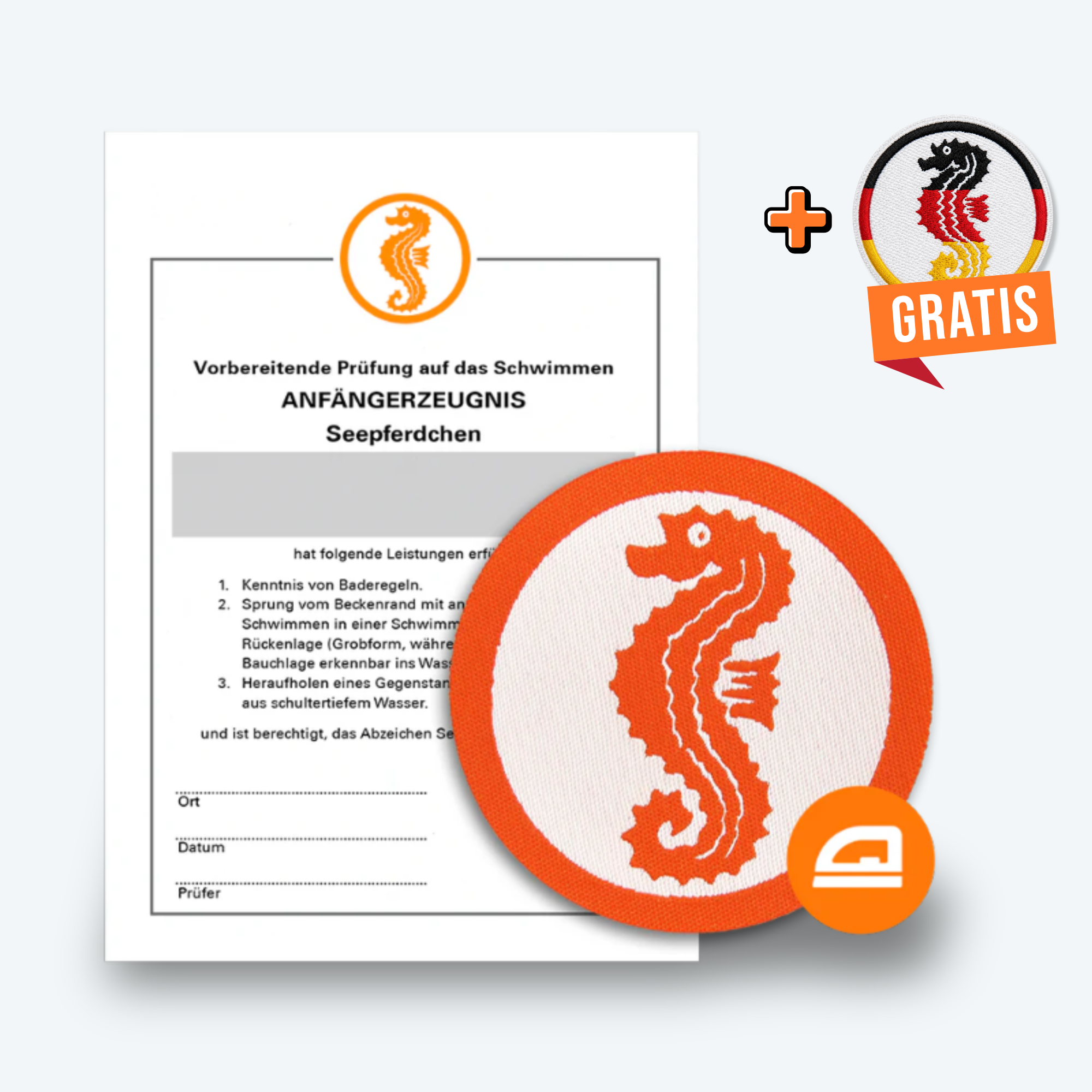
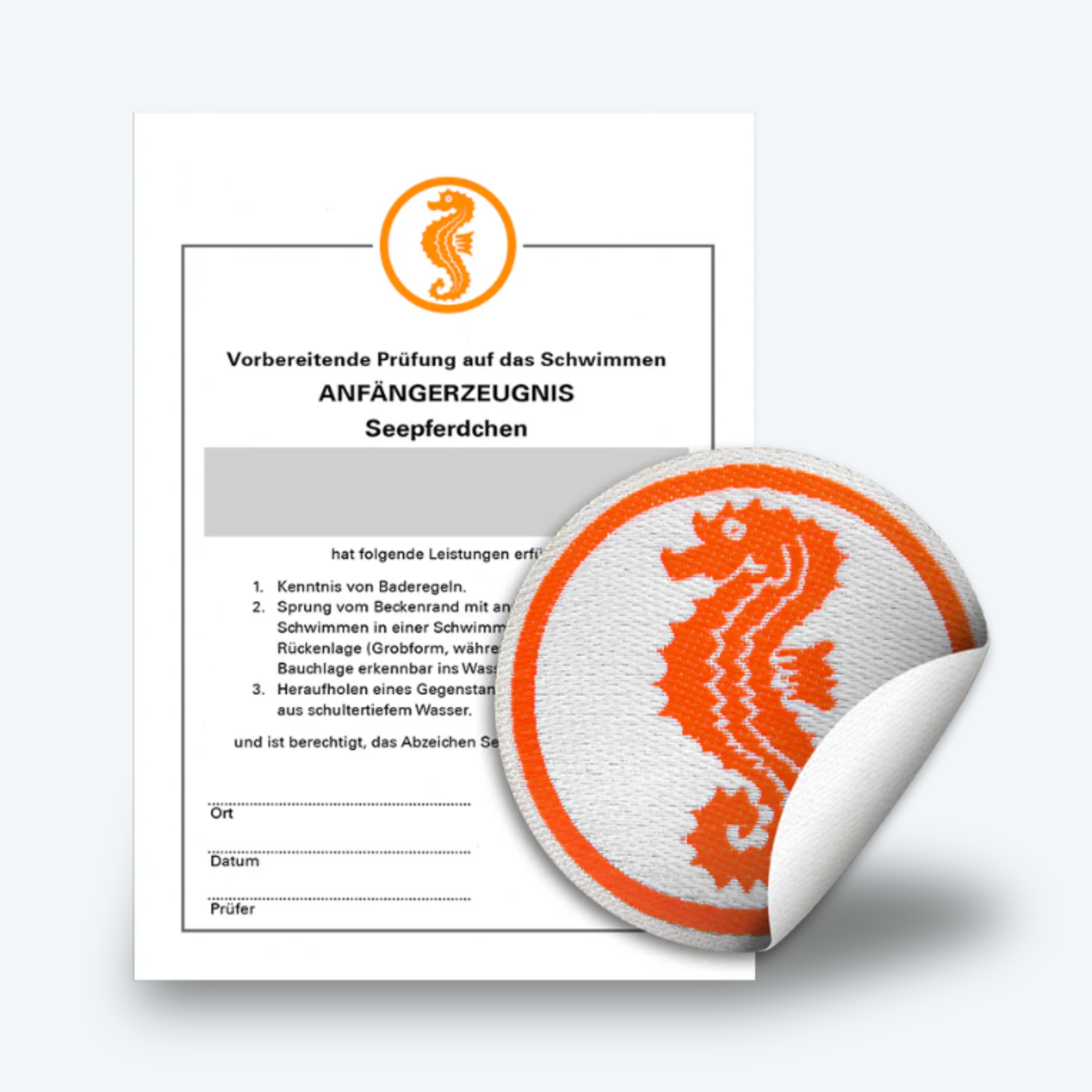
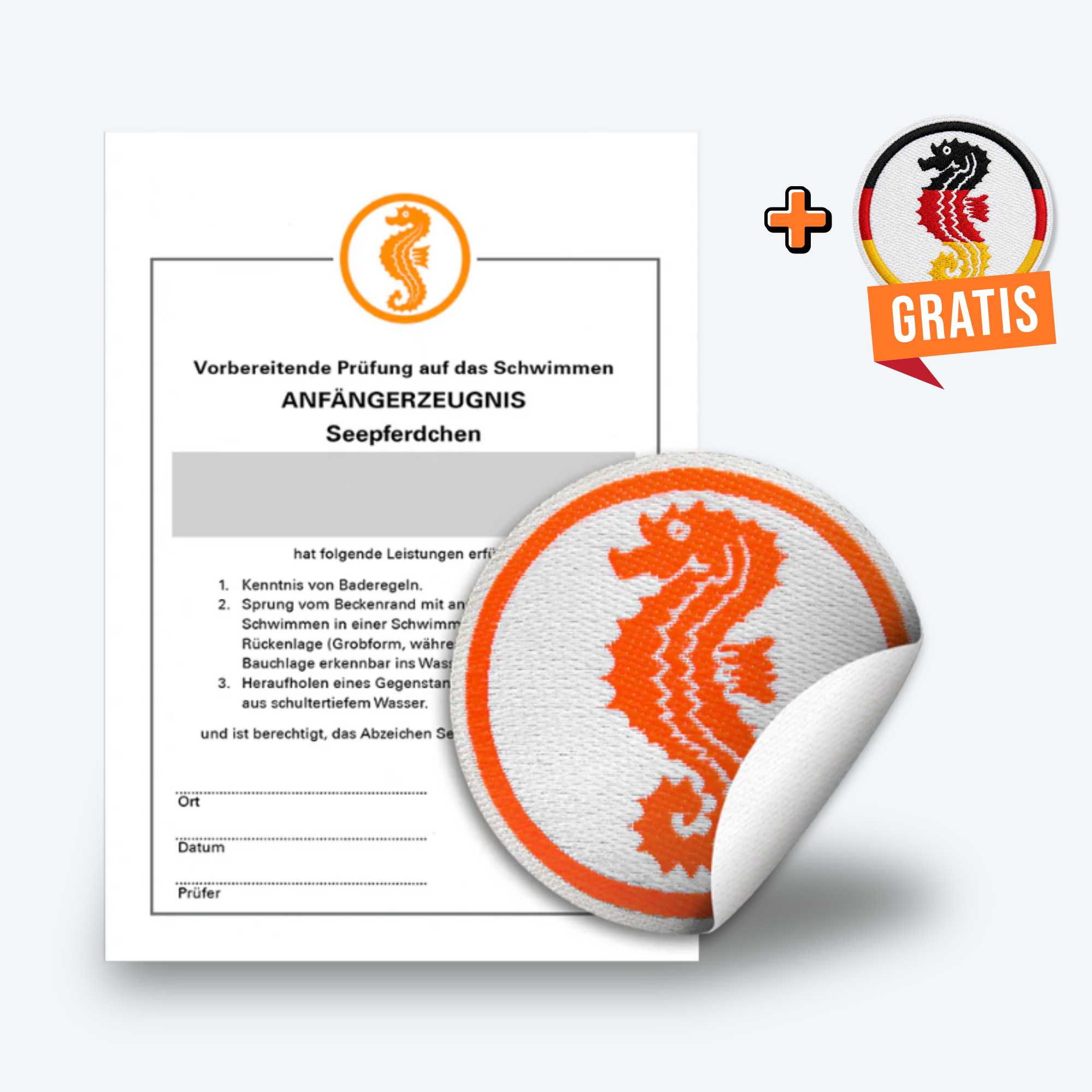
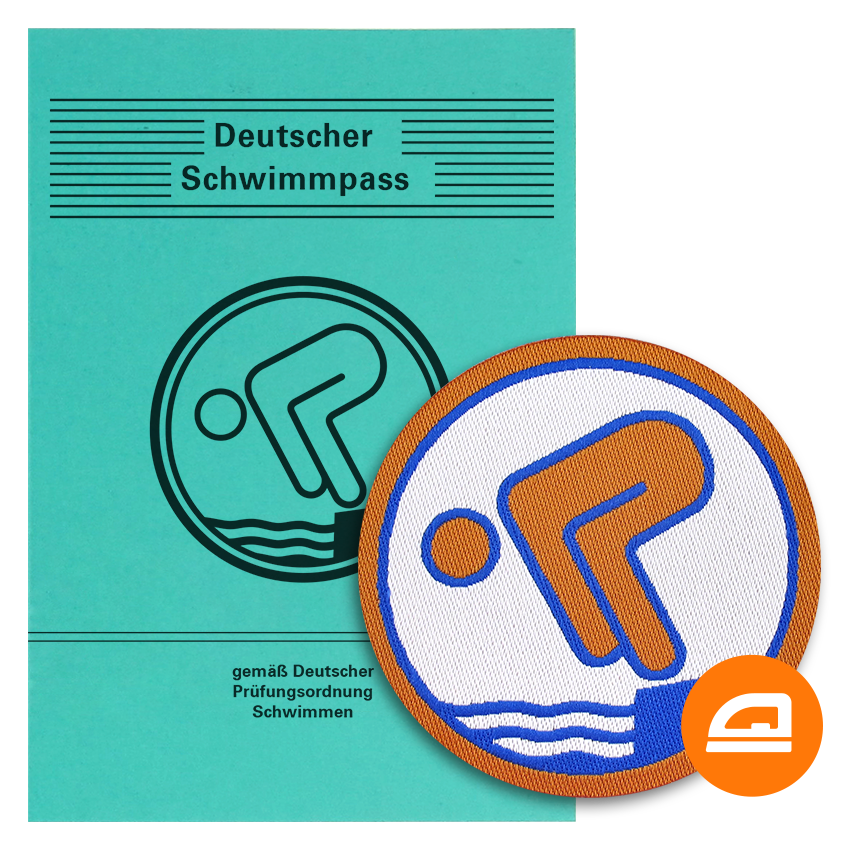
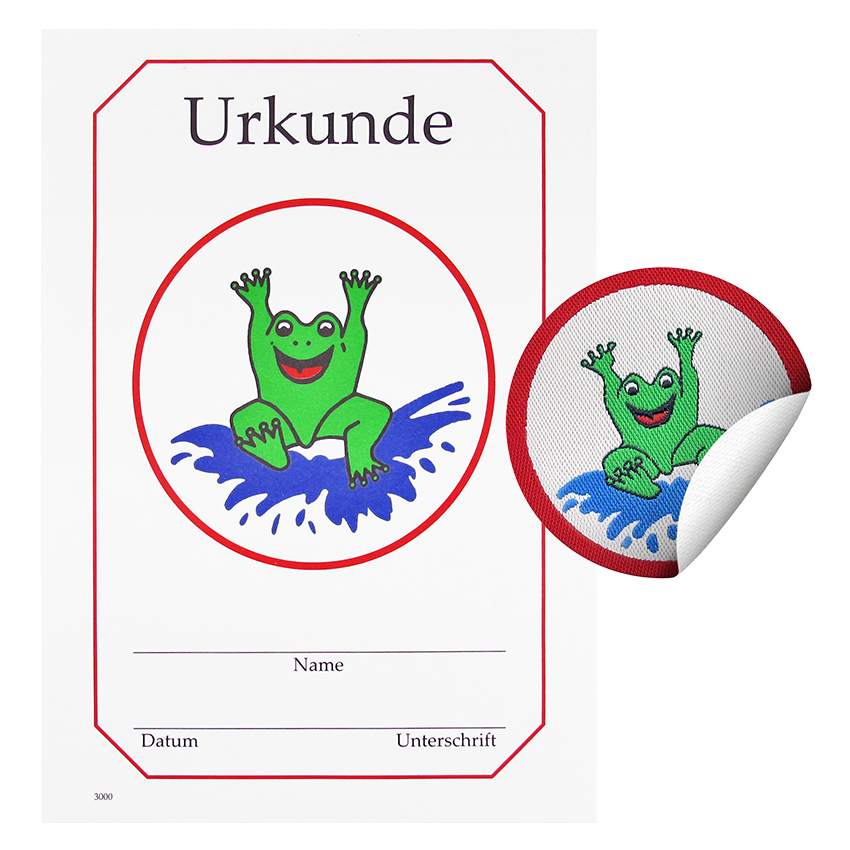

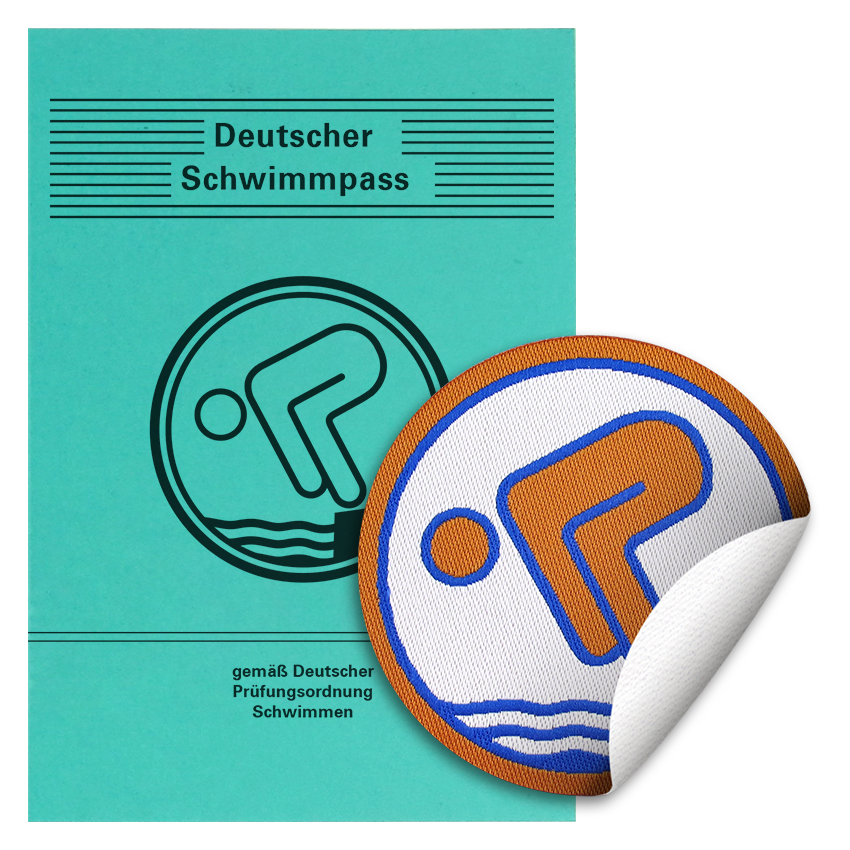
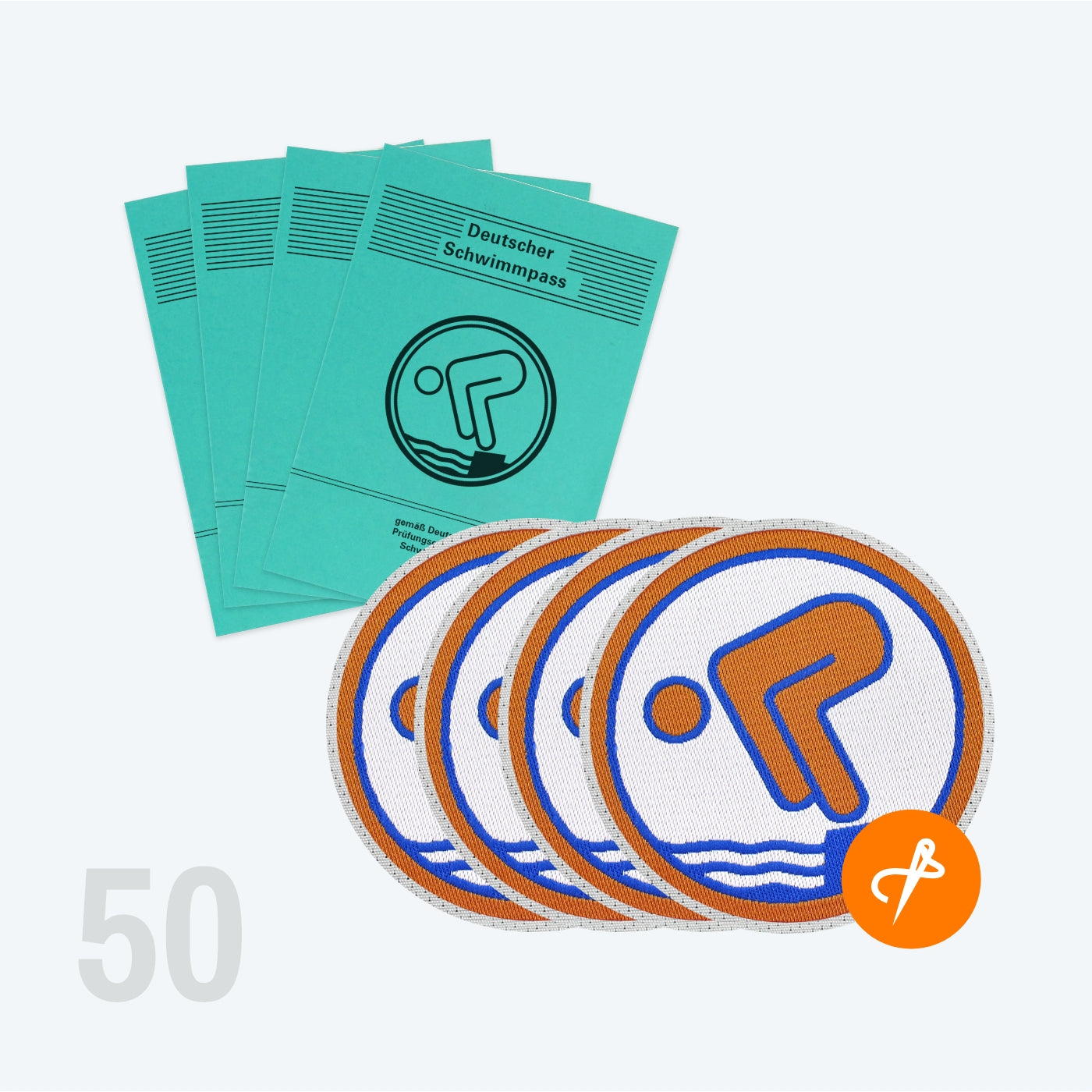
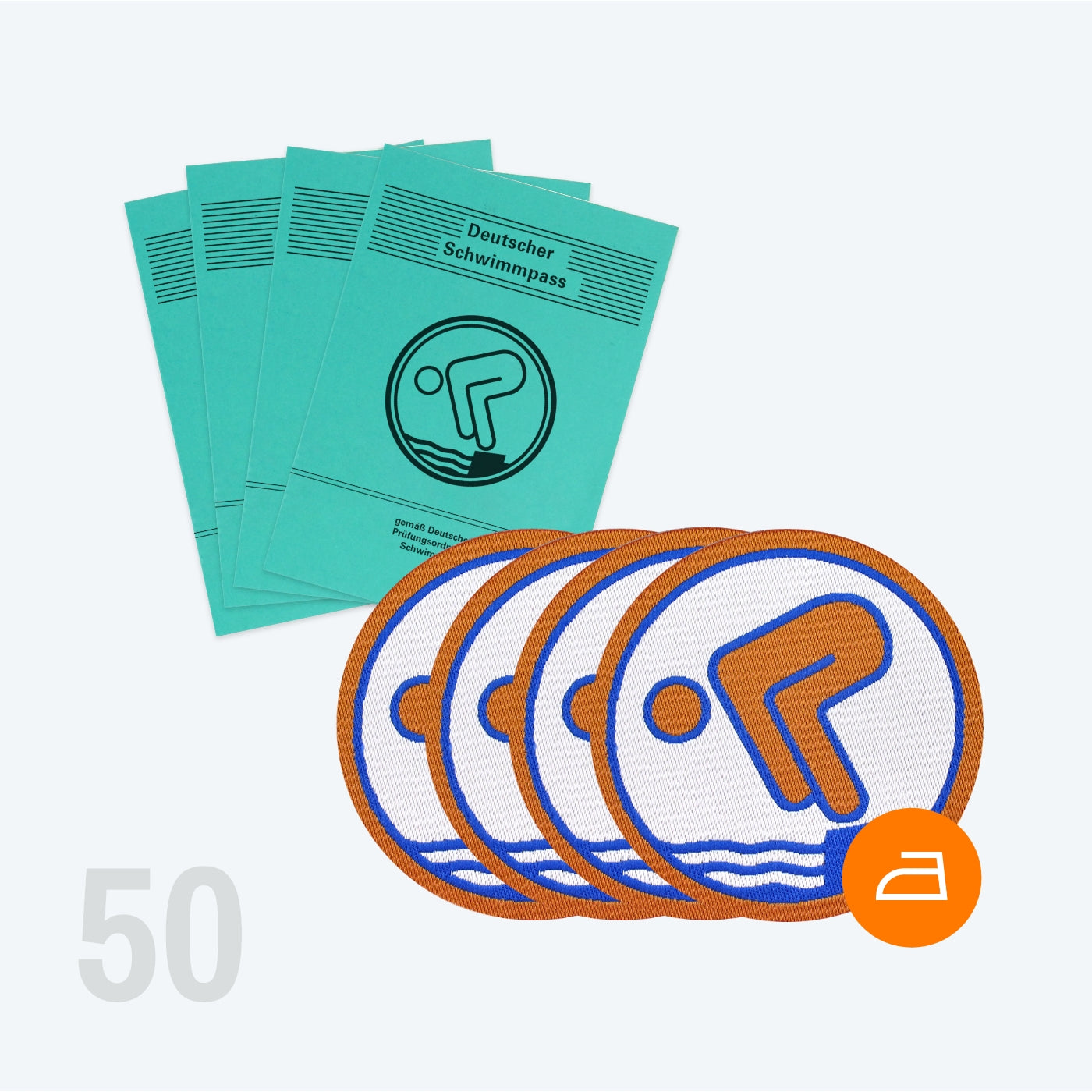

Around 40 percent of children in Germany do not pass the "Seepferdchen" (seahorse) swimming badge before elementary school. Many parents therefore wonder how they can best motivate their little ones to swim. Swimming is not only important for safety but also demonstrably promotes endurance, concentration, and self-confidence. With creative badges and playful successes, learning to swim becomes an adventure for preschoolers, awakening long-term joy and healthy ambition.
Table of Contents
- What does "swimming keeps you young" really mean?
- How swimming affects body and mind
- Different swimming styles and their benefits
- Motivation through badges and playful learning
- Important tips on safety and swimming promotion
Key Findings
| Point | Details |
|---|---|
| Swimming promotes health | Regular swimming strengthens the cardiovascular system and improves muscle strength, thereby positively influencing biological age. |
| Mental benefits | Movement in water reduces stress hormones and increases the release of happiness hormones, which improves mood and prevents depression. |
| Variety of swimming styles | Different swimming techniques offer tailored benefits for various target groups and promote individual progress. |
| Safety awareness | Comprehensive swimming instruction not only teaches techniques but also imparts awareness of dangers and responsible behavior in the water. |
What does "swimming keeps you young" really mean?
Swimming is more than just a sport - it's a holistic movement concept that truly contributes to rejuvenation and maintaining health. Medical studies show that regular swimming can indeed positively influence biological age.
The positive effects of swimming are based on several scientifically proven mechanisms. Movement in water relieves pressure on joints, activates almost all muscle groups, and simultaneously strengthens the cardiovascular system. Unlike sports with high impact, swimming is gentle and can be practiced by people of all ages.
The mental benefits are particularly interesting. Studies prove that swimming trains not only the body but also cognitive abilities. The combination of movement, water resistance, and concentration acts as a natural anti-aging program for body and mind.
Pro-Tip: Start with short swimming sessions and gradually increase your endurance to maximize the rejuvenating effects.
How Swimming Affects Body and Mind
Swimming is a unique sport that simultaneously stimulates and trains both body and mind in various ways. Scientific research shows impressive effects on our mental and physical health. The complex movements in water not only challenge the muscles but also activate important neurological processes.

On a physical level, swimming offers a holistic workout that engages almost all muscle groups simultaneously. Studies prove that regular swimming strengthens the cardiovascular system while being gentle on joints. The water resistance provides gentle but effective resistance, building muscles and improving endurance.
The psychological benefits are particularly fascinating. Movement in water reduces stress hormones and releases happiness hormones such as endorphins, serotonin, and dopamine. This not only leads to improved mood but can also reduce the risk of depression and cognitive decline. Concentration and mental performance are demonstrably enhanced by the complex movement sequences.
Pro-Tip: Vary your swimming techniques and use different swimming styles to maximize the physical and mental training effects.
Overview: Benefits for Body and Mind through Regular Swimming
| Area | Positive Effects | Long-term Impact |
|---|---|---|
| Cardiovascular | Stronger endurance, better blood pressure | Reduced risk of heart disease |
| Muscles | Full-body strengthening, flexible musculature | Prevention of tension |
| Psyche | Stress reduction, mood improvement | Better well-being, resilience |
| Brain | Improved concentration | Slowed cognitive decline |
Different Swimming Styles and Their Benefits
Swimming offers an impressive variety of techniques, each bringing different physical and health benefits. The four main swimming styles - breaststroke, freestyle, backstroke, and butterfly - differ not only in their technique but also in their specific training effects.
Breaststroke is considered particularly gentle on the joints and is excellent for beginners as well as individuals seeking a low-impact form of exercise. Freestyle, often known as front crawl, is the fastest swimming style and intensely trains strength and endurance. For individually adapted training goals, choosing the right swimming style plays a crucial role.
Backstroke specifically strengthens the back and shoulder muscles and improves posture, while the butterfly stroke, as the most demanding technique, challenges the entire body. It strengthens muscles, increases flexibility, and is considered a highly effective full-body workout. The choice of swimming style should be individually adapted to personal fitness, health status, and athletic goals.
Pro-Tip: Try out different swimming styles and consult a swim coach to find the optimal style for you.
The most important swimming styles in direct comparison:
| Swimming Style | Best Target Group | Main Benefit | Specific Challenge |
|---|---|---|---|
| Breaststroke | Beginners, Gentle movement | Very gentle on joints | Low speed, common technique errors |
| Freestyle (Front Crawl) | Athletic swimmers | Maximum speed | Requires good coordination |
| Backstroke | People with back issues, seniors | Improves posture | Orientation can be difficult |
| Butterfly | Advanced, strength athletes | Full-body strengthening | Very high physical effort |
Motivation Through Badges and Playful Learning
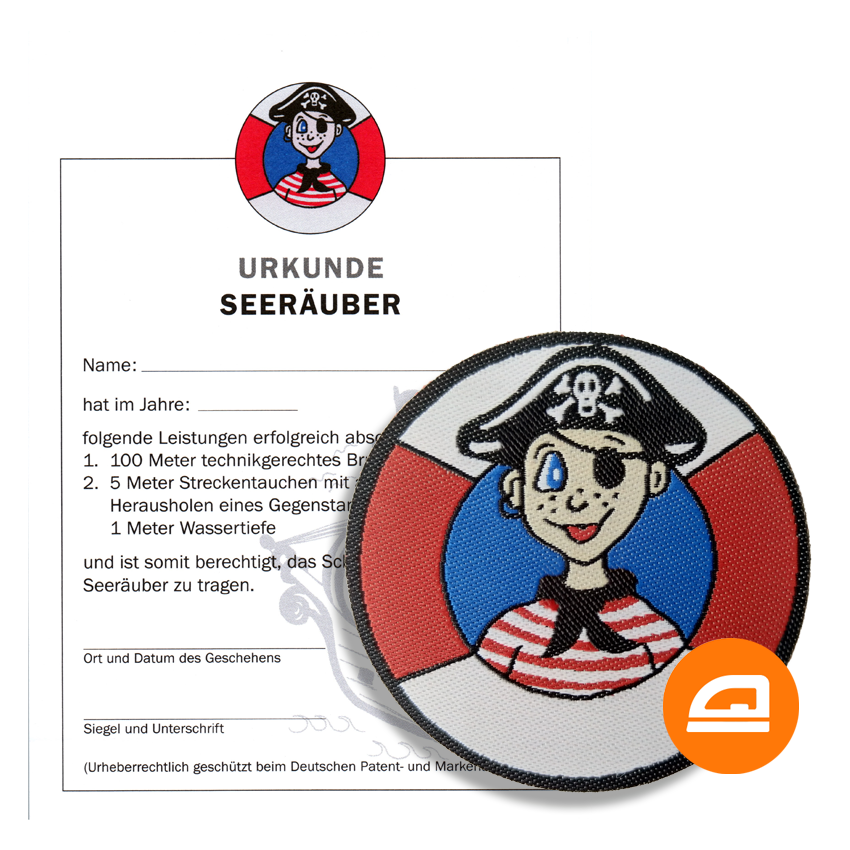
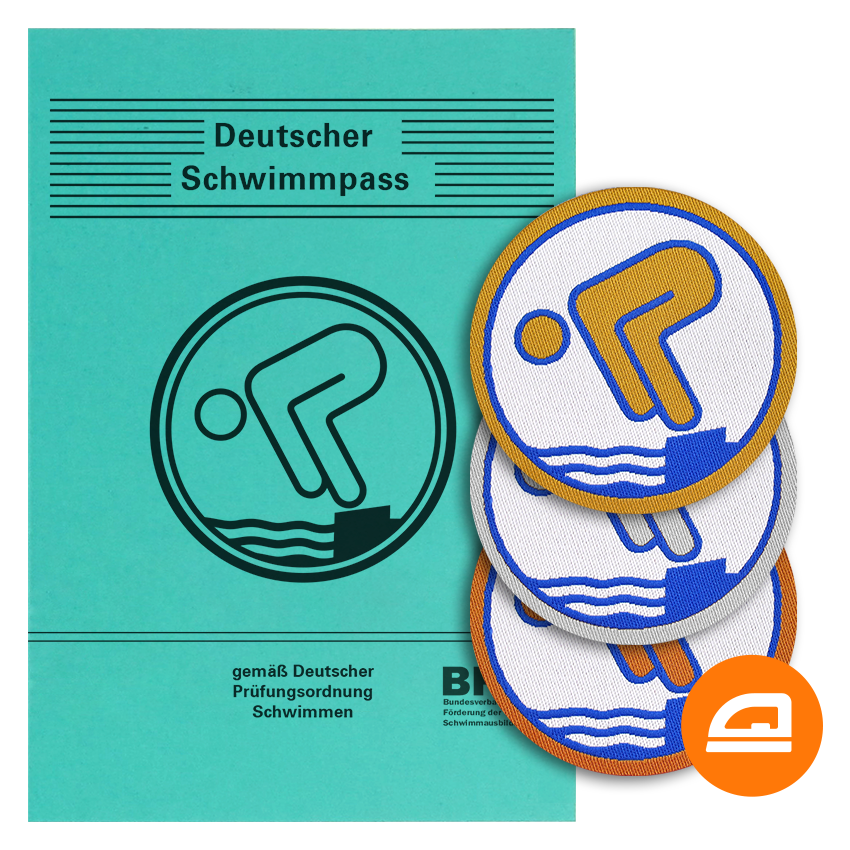
Traditional swimming badges are more than just decorative awards - they are a dynamic motivational system that encourages children to continuously learn and improve their swimming skills. The structure of the badges, from Seepferdchen (seahorse) to Bronze and Silver up to Gold, creates a clear, motivating progression path for young swimmers.
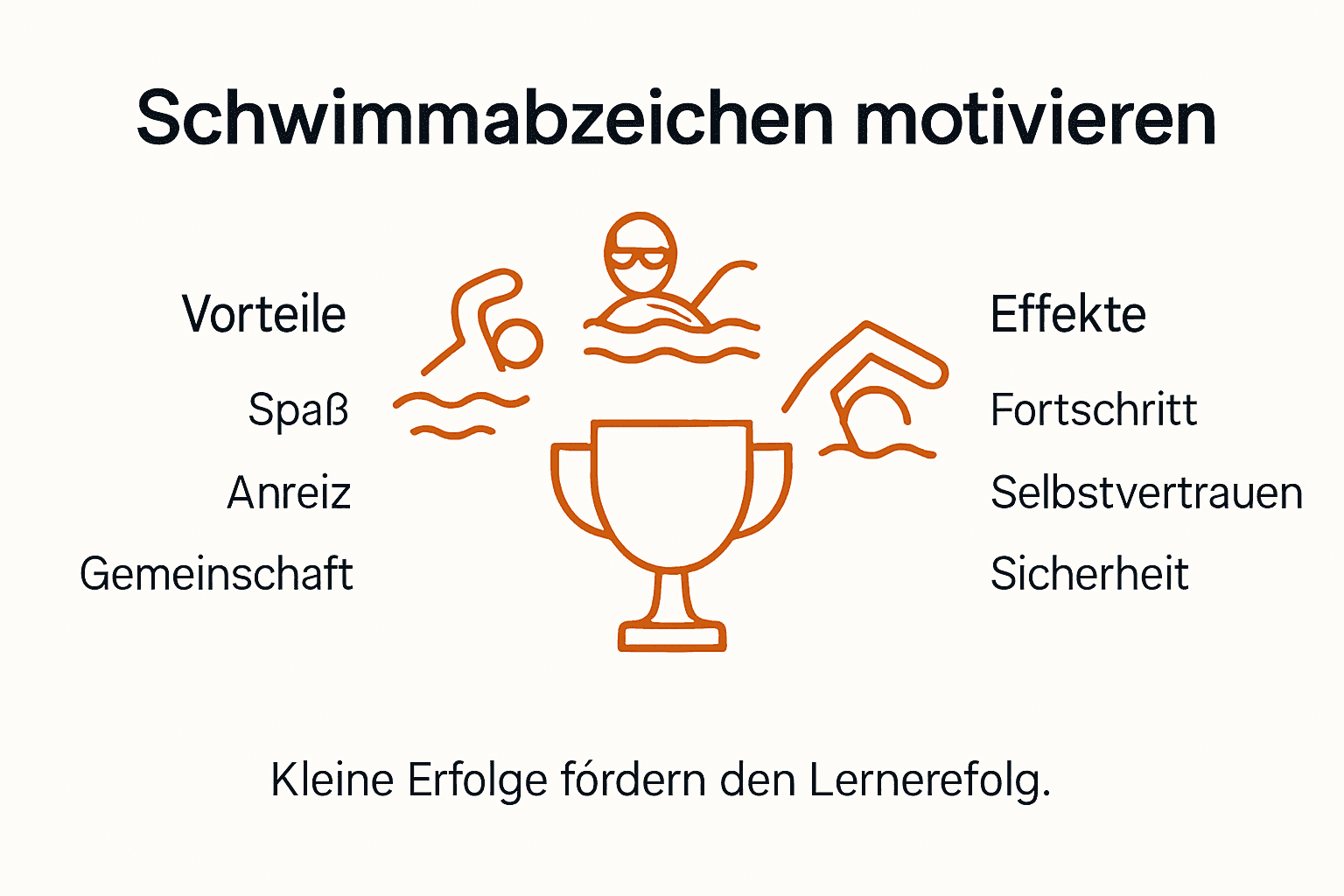
Each badge represents an important developmental step. The Seepferdchen marks the beginning of a swimming career and gives children a sense of pride and accomplishment. The subsequent Bronze, Silver, and Gold badges define increasingly complex swimming techniques and challenge children to systematically expand their skills. This tiered challenge turns learning into an exciting adventure instead of a chore.
The playful approach is crucial: children experience learning swimming skills not as work, but as an entertaining challenge. Each new badge becomes a personal moment of success that awakens self-confidence and joy in movement in the water. The tests are designed to playfully convey safety and technique while maintaining motivation.
Pro-Tip: Accompany your child through each badge step and celebrate their successes together to boost their motivation and enjoyment of swimming.
Important Tips on Safety and Swimming Promotion
Swimming education is far more than just learning swimming techniques - it is a holistic approach to water safety and personal development. Children not only need to learn to swim but also to behave safely and responsibly in and around water.
Elementary school age is crucial for developing water competence. Official guidelines recommend that swimming instruction should be designed so that children can assess risks and react appropriately. This means conveying not only swimming techniques but also danger awareness, rescue skills, and mental security.
A holistic swimming course should combine playful elements, technical skills, and safety aspects. A trusting atmosphere, individual support, and instilling self-confidence are important. Children should learn to see water as a friend, not a threat, while internalizing basic safety rules.
Pro-Tip: Accompany your child during swimming education, show interest, and strengthen their self-confidence through positive reinforcement.
Swimming Keeps You Young – Start Now with the Right Badges from Pimpertz
Swimming not only promotes your health and mental freshness but also motivates through playful learning and visible successes. Achieving swimming badges like Seepferdchen and Bronze helps children and adults gradually become safer and more confident in the water. If you or your child want to optimally benefit from swimming and proudly display symbols of achievement, choosing a reliable partner is crucial.
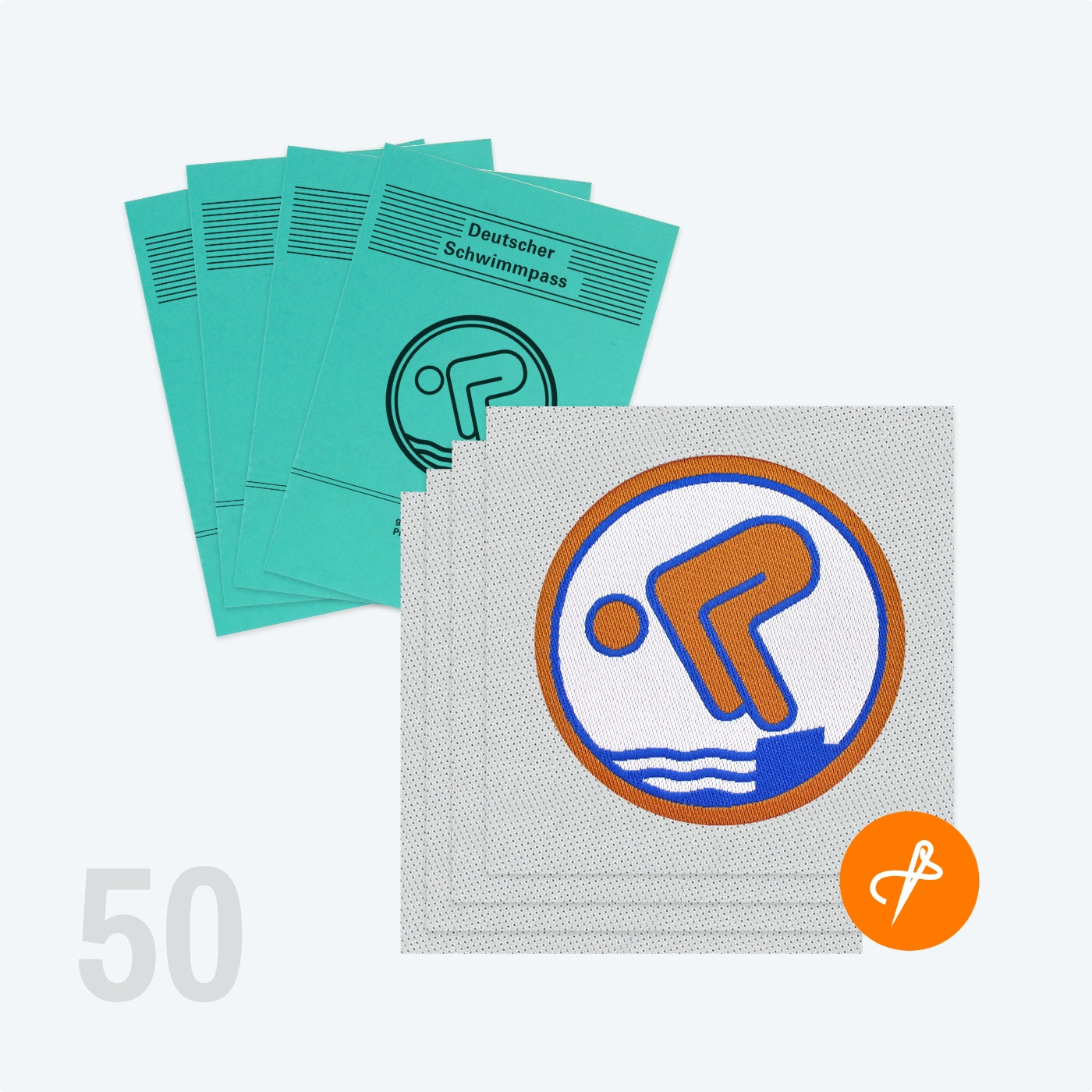
With over 38 years of experience, Pimpertz offers you original certified swimming badges and certificates in child-friendly designs. Trust the quality and fast delivery of our range, officially recognized by the DLRG and BFS. Use our all-round service with personal advice so that your swim training remains not only effective but also motivating. Discover our practical selection of swimming badges and certificates now and support the joy of swimming at any age.
Transform movement in water into a lasting sense of achievement and promote the health of body and mind by discovering your personal package or club set today at Pimpertz.de. Start now and feel how swimming truly keeps you young!
Frequently Asked Questions
What are the health benefits of swimming?
Swimming strengthens the cardiovascular system, builds muscle, and contributes to improved flexibility. It can also reduce stress and boost overall well-being.
How often should one swim to benefit from the rejuvenating effects?
It is recommended to swim regularly, ideally several times a week, to optimally utilize the positive effects on body and mind.
Which swimming styles are best suited for beginners?
Breaststroke is particularly gentle on the joints and is excellent for beginners. It allows for a gentle introduction to swimming and technique.
How can one improve mental health through swimming?
By releasing endorphins and other happiness hormones during swimming, stress hormones are reduced, leading to a better mood and a lower risk of depression.

%20swimming%20badge%20before%20elementary%20school.%20Many%20parents%20therefore%20wonder%20how%20they%20can%20best%20motivate%20the...)