


Summer in Germany is the time when children love the water most. Many parents don't know that about 60 percent of children in this country are not confident swimmers. Yet, swimming in a lake not only strengthens muscles and endurance but also builds self-confidence and environmental awareness. For those who want to combine natural movement, adventure, and healthy development, swimming in a lake offers a unique opportunity for their child.
Table of Contents
- What does swimming in the lake mean for children?
- Health benefits and potential risks
- Water quality and typical sources of danger
- Bathing rules and safety for families
- Tips: Safe swimming for children in the lake
Key Takeaways
| Point | Details |
|---|---|
| Swimming in the lake promotes development | It improves children's motor skills, concentration, and self-confidence. |
| Natural hazards in the water | Parents should be aware of risks such as currents and water quality to ensure their children's safety. |
| Important safety measures | Adult supervision and appropriate swimming aids are crucial for safe swimming. |
| Preparation is essential | Thorough preparation, including knowledge of water conditions and emergency plans, is necessary for safe bathing. |
What does swimming in the lake mean for children?
Swimming in a lake is far more than just a sport for children. It is a fundamental learning experience that promotes physical and emotional development. According to Klexikon, swimming for children not only means physical activity but also instills safety and self-confidence in the water.
What makes swimming in a natural body of water like a lake special is the variety of challenges. Unlike in a controlled indoor pool, children here have to deal with changing conditions: varying water temperatures, uneven ground, and slight currents train their motor skills and spatial awareness. They learn to adapt flexibly and gain new physical experiences.
Swimming in a lake also offers children a unique connection to nature. They develop a feel for the water element, learn the dynamics and characteristics of a natural environment, and at the same time hone their swimming techniques. This holistic experience promotes not only physical fitness but also concentration, coordination, and environmental awareness.
The following table shows a comparison between swimming in an indoor pool and in a lake from a child's perspective:
| Aspect | Swimming in an indoor pool | Swimming in a lake |
|---|---|---|
| Environment | Controlled, consistent | Nature, changing conditions |
| Water temperature | Constant and pleasant | Fluctuating, also cool |
| Surface | Smooth and even | Varies, often uneven |
| Challenges | Hardly any, mostly predictable | Currents, differences, algae |
Pro-Tip: Always accompany your child when swimming in a lake initially and pay attention to age-appropriate safety measures such as life jackets and swimming certificates.
Health benefits and potential risks
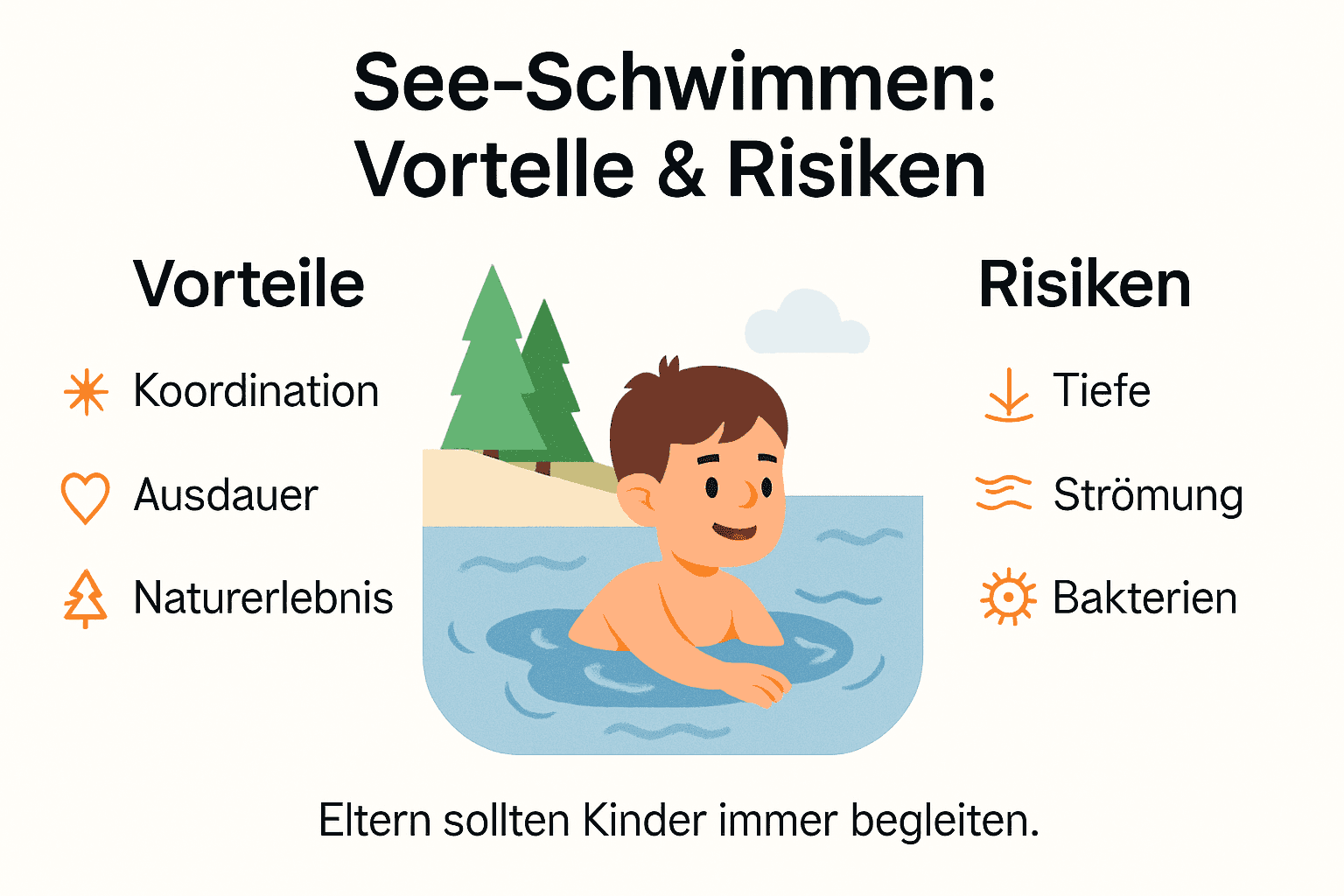
Swimming in a lake is an excellent activity for children, offering numerous health benefits. According to AOK, swimming strengthens muscles, promotes endurance, protects joints, and improves breathing capacity. It is a holistic full-body exercise that gently trains the cardiovascular system while supporting motor development.
The benefits are impressive: children improve their coordination, develop a better body awareness, and strengthen their muscles in a gentle way. Water offers natural resistance that challenges movements while being gentle on joints. In addition, children learn to move in a dynamic environment, which promotes their concentration and responsiveness.
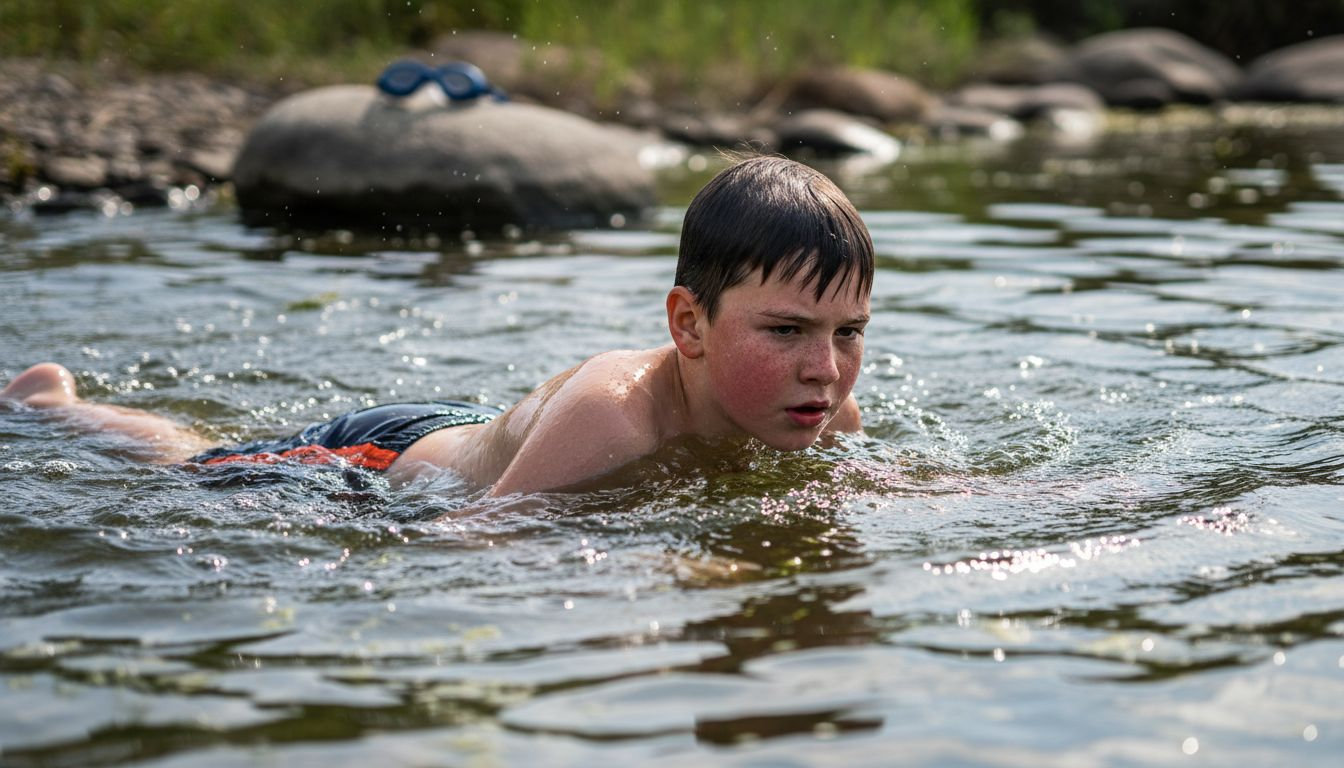
According to information from draussen-am-see, however, there are also risks that parents should be aware of. Natural waters pose challenges such as sudden depths, unexpected currents, and potential bacteriological contamination. Algae can cause skin irritation, and water temperature can change quickly. It is particularly important for children to understand these risks and take appropriate precautions.
The table summarizes important health-promoting aspects and typical risks when children swim in a lake:
| Factor | Positive Effect | Typical Risk |
|---|---|---|
| Muscles | Gentle muscle building | Strain due to cold possible |
| Immune system | Hardening through cool water | Infection by bacteria |
| Coordination | Movement in a dynamic environment | Underwater obstacles |
| Respiratory tract | Better lung function | Irritation from blue-green algae |
Pro-Tip: Always have your child accompanied by an experienced swimmer and ensure appropriate swimming equipment such as life jackets and swimming aids.
Water quality and typical sources of danger
According to the Federal Environment Agency, bathing lakes in Germany are regularly checked for their water quality to minimize health risks for bathers. These systematic inspections are crucial to ensure that lakes are free of harmful bacteria and pollutants. Parents should therefore always consult official water quality reports before choosing a lake for bathing with their children.
Typical sources of danger in natural waters are diverse and require special attention. In addition to potential contamination from agricultural activities and wastewater, blue-green algae pose a particular challenge. These cyanobacteria can cause dangerous skin and respiratory irritations and are particularly problematic for children. Additional risks arise from unexpected currents, varying water depths, and hidden underwater obstacles.
To maximize safety, experts recommend careful preparation. Parents should inform themselves about the current water quality beforehand, explore the local conditions, and never leave their children unsupervised. This means always staying within sight, knowing the child's swimming abilities, and having appropriate safety equipment such as life jackets ready.
Pro-Tip: Before every bathing trip, check the current water warnings from local authorities and look for signs on the lakeshore.
Bathing rules and safety for families
According to expert opinions from draussen-am-see, clear safety guidelines exist for families when swimming in a lake. The most important rule is never to leave children unattended. Parents must be constantly attentive and realistically assess their children's swimming abilities. The choice of appropriate equipment plays a crucial role: life jackets, swimming aids, and age-appropriate safety equipment are indispensable.
Several important aspects are part of preparing for a safe bathing trip. Hazard zones must be carefully identified and avoided. These include unclear spots, areas with strong currents, or suddenly dropping water depths. Parents should explore the surroundings beforehand, mark hazardous points, and discuss them with their children. A realistic assessment of one's own swimming abilities is crucial – overestimating can be dangerous.
In addition to direct supervision, experts recommend refreshing first-aid knowledge and checking the current weather and water situation. Good preparation includes studying weather reports and water information, bringing rescue equipment, and establishing clear behavioral rules for children. Communication and education are key to safe bathing fun.
Pro-Tip: Before every bathing trip, conduct a brief safety briefing with your children and jointly define rules of conduct for the lake.
Tips: Safe swimming for children in the lake
According to Swimy, there are important basic rules for safe swimming with children in the lake. The arm's length rule is particularly important: children should always remain within arm's reach of an adult. This allows for a quick reaction in unexpected situations and ensures constant supervision.
Natural waters pose specific challenges that parents need to be aware of. Unpredictable currents, suddenly changing water depths, and hidden underwater obstacles require special attention. According to expert opinions from draussen-am-see, age-appropriate swimming aids, continuous supervision, and practicing behavioral rules are crucial for safety.
Comprehensive preparation includes several important aspects. Parents should first have their children trained in swimming courses to learn basic techniques and safety behavior. Additionally, it is important to develop an emergency plan, possess first-aid knowledge, and explore the specific conditions of the body of water beforehand. Communication with children about potential dangers and appropriate behavior in the water forms the basis for safe bathing fun.
Pro-Tip: Practice emergency scenarios with your children, such as calling for help and basic rescue techniques, before going to a lake.
Promoting Safe and Fun Lake Swimming with Pimpertz
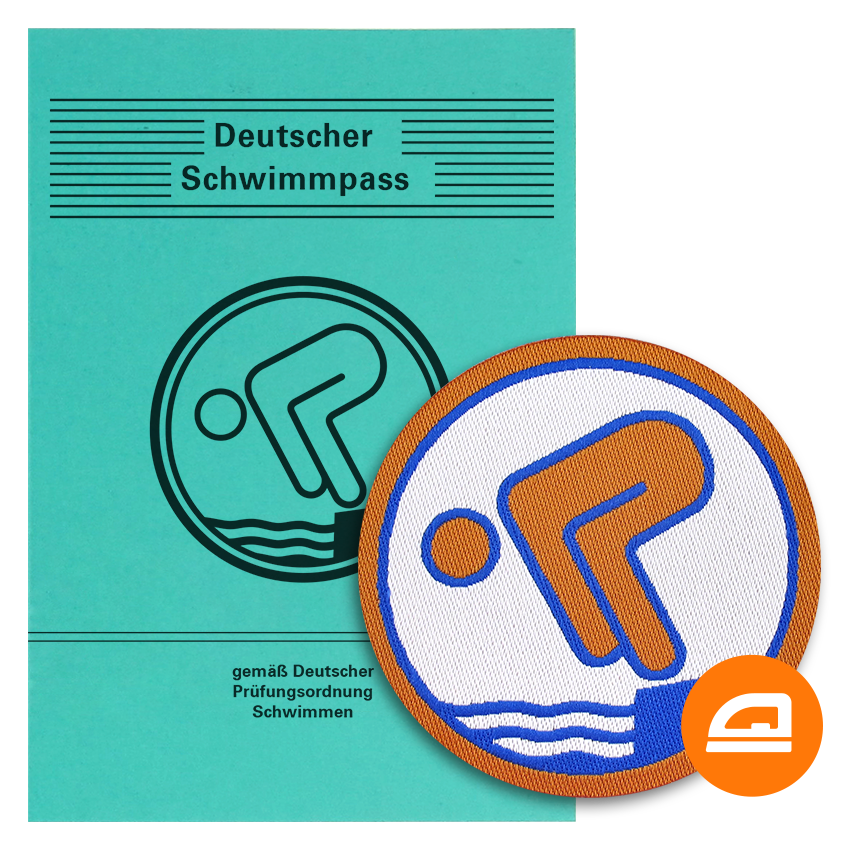
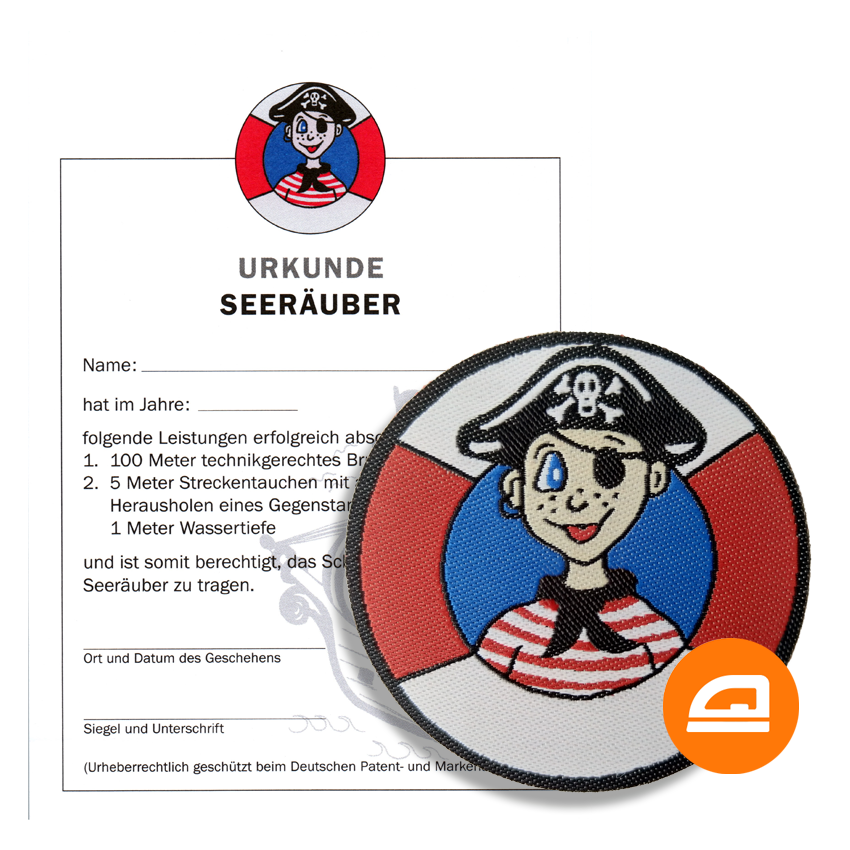
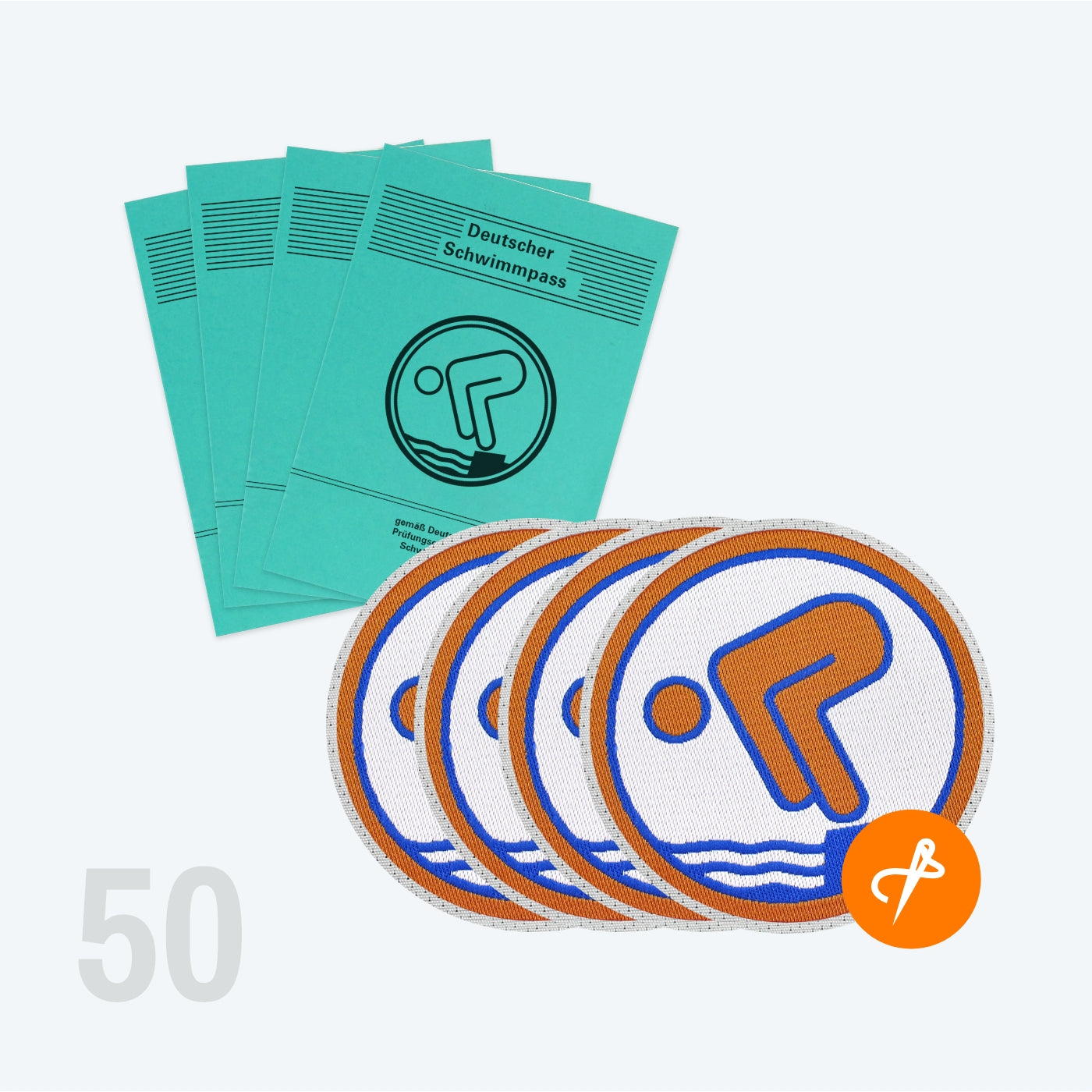
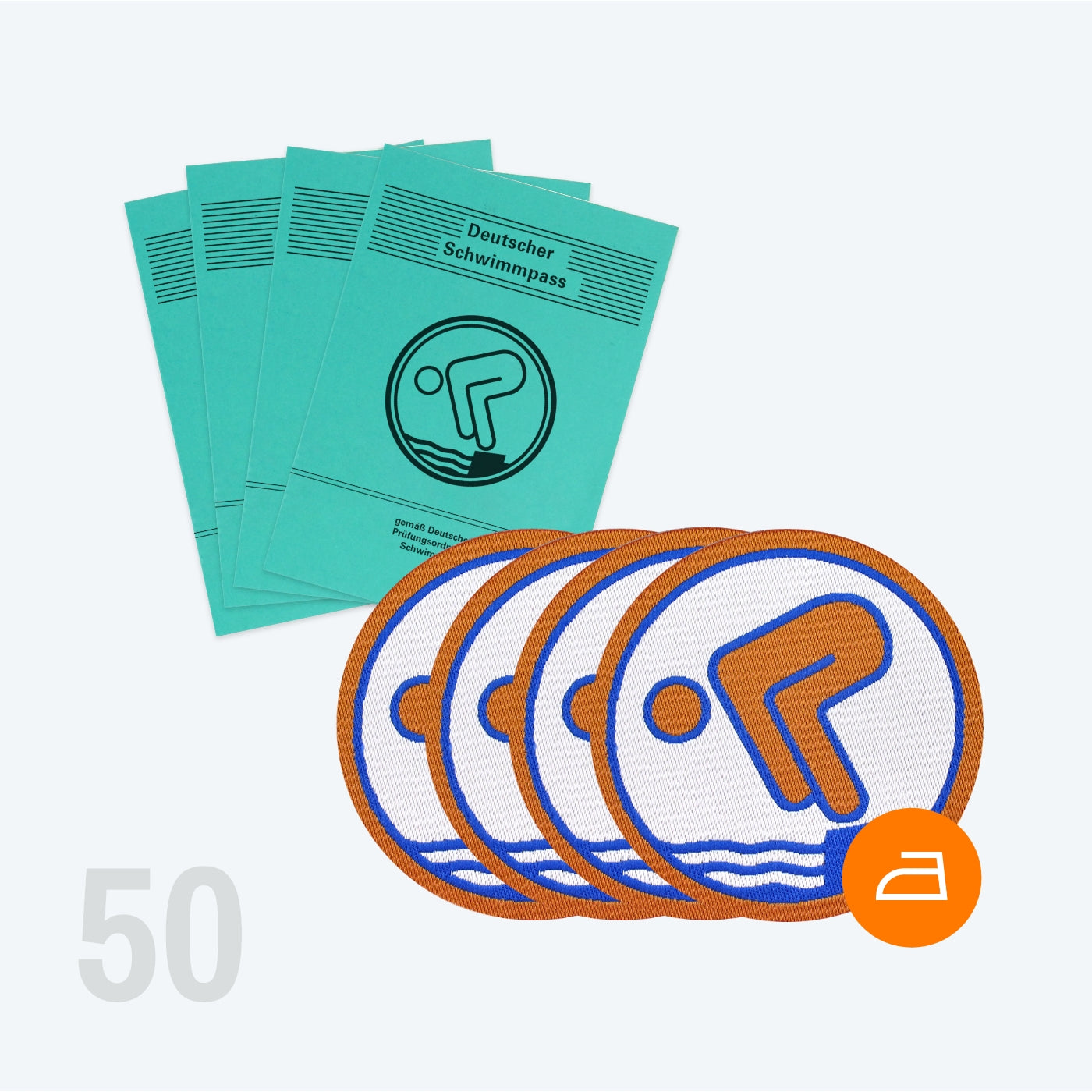
Swimming in a lake presents many challenges and opportunities for children, such as fluctuating water temperatures and natural obstacles. To ensure children can safely gain these important experiences, it's crucial to support them with suitable swimming badges and child-friendly accessories. At Pimpertz, parents and swimming instructors will find exactly the certified certificates and practical aids they need to motivate children and make learning success visible.
Take advantage of our extensive range of original DLRG-certified swimming badges, combined with durable collector albums and personalized accessories for swimming courses and clubs. This way, you not only promote children's safety but also their pride in their swimming achievements. Experience quality and service at Pimpertz, guiding children safely through the world of swimming for over 38 years.
Invest now in official swimming badges and gift sets so your child masters every challenge in the lake with confidence and safety. All information about our offerings and fast shipping can be found at Pimpertz – your partner for swimming badges and accessories – start today to ensure your child is safe and happy in the water!
Frequently Asked Questions
What are the health benefits of children swimming in a lake?
Swimming in a lake strengthens muscles, promotes endurance, and improves breathing capacity. It is a holistic exercise that supports the cardiovascular system and promotes motor development.
What risks are there for children swimming in a lake?
Risks include sudden depths, unexpected currents, and bacterial contamination. Algae can also cause skin irritation, and the water temperature can change quickly.
How can I ensure my child's safety when swimming in a lake?
Parents should never leave their children unsupervised, use appropriate swimming aids such as vests, and carefully inspect the surroundings for potential hazards. Reliable first-aid knowledge is also important.
What rules should children observe when swimming in a lake?
Children should always stay close to an adult, pay attention to water depth, and be aware of potential dangers in the water. Clear communication and established rules of conduct are crucial.


