


More than 60 percent of children in Germany cannot swim safely before elementary school age. For many parents, there is a great desire for their offspring to become familiar with the element of water early on. A targeted swimming course not only promotes vital skills but also provides fun and builds confidence. Learn how to find the right swimming course step by step and optimally prepare your child for their first water experiences.
Table of Contents
- Step 1: Choose the right swimming course for toddlers
- Step 2: Prepare your child optimally for the start of the course
- Step 3: Create playful first water experiences
- Step 4: Continuously build confidence in the water
- Step 5: Review learning progress and ensure long-term motivation
Quick Overview
| Important Point | Explanation |
|---|---|
| 1. Select suitable courses | Look for qualified instructors, small groups, and warm water temperatures for toddlers. |
| 2. Prepare your child | Use playful activities to foster a positive relationship with water. |
| 3. Create first water experiences | Promote confidence and joy in the element of water with active water games. |
| 4. Continuously build confidence | Create a safe atmosphere and focus on positive experiences in the water. |
| 5. Regularly review learning progress | Set small goals and show appreciation for progress to maintain motivation. |
Step 1: Choose the right swimming course for toddlers
When selecting the right swimming course for your toddler, several important factors play a crucial role. At the age of two, an exciting phase of water acclimatization begins, where children playfully gain their first experiences with the element of water.
The German Swimming Federation (DSV) and the German Life Saving Society (DLRG) recommend age-appropriate courses that are specifically tailored to the needs of toddlers. When choosing a course, pay close attention to qualified instructors, small group sizes, and a comfortable water temperature. Instructors should have experience in teaching water acclimatization to children and use playful methods to build trust and security.
A good swimming course for two-year-olds should meet the following criteria:
- Small groups of a maximum of 6 to 8 children
- Playful water acclimatization without pressure to perform
- Presence of a parent in the water
- Warm water at approximately 32 to 34 degrees Celsius
- Short lessons of about 30 minutes
Pro-Tip: Before the course starts, be sure to speak with your pediatrician to ensure your child is healthy enough for a swimming course.
Step 2: Prepare your child optimally for the start of the course
The start of a swimming course is an exciting moment for parents and children. This phase is about enabling your two-year-old to develop a positive and trusting relationship with water. Careful preparation can significantly ease the entry into the swimming course.
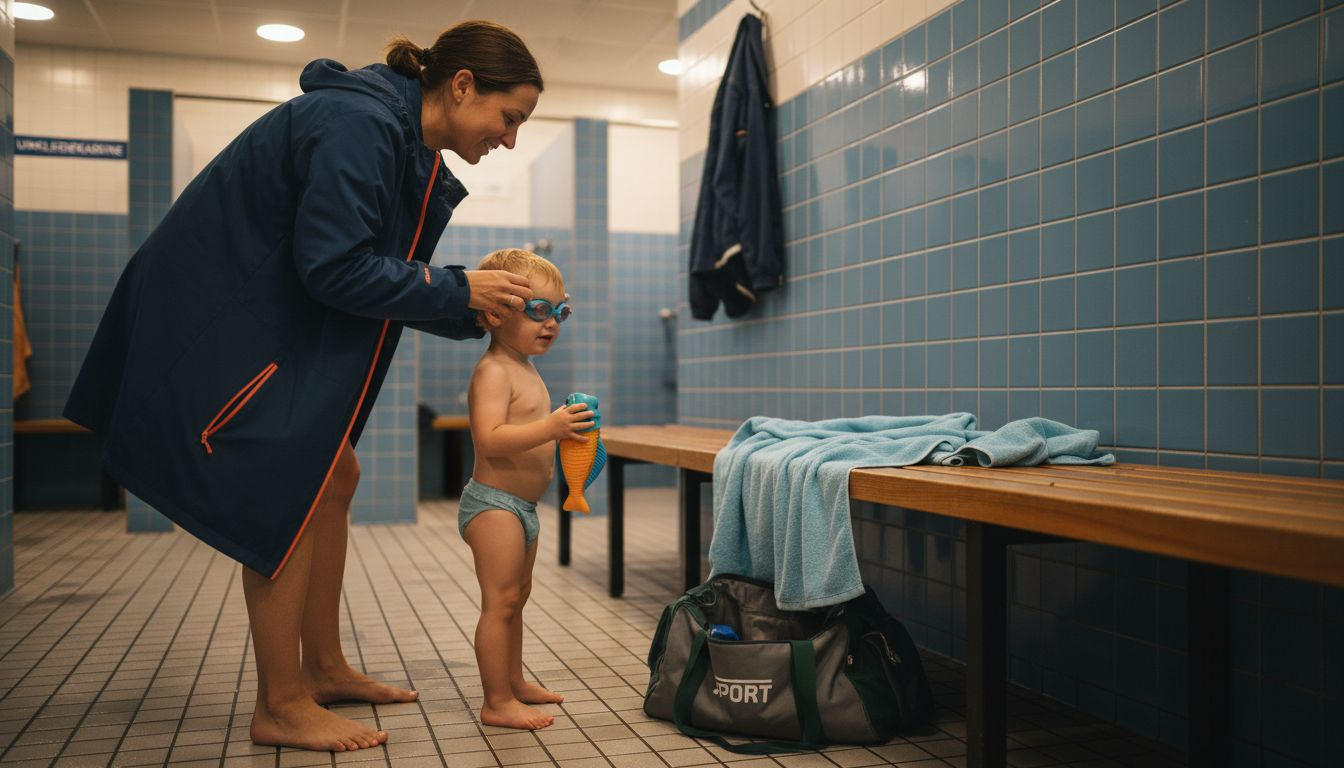
Parents play a crucial role in gently introducing their child to the new element. Prepare your child for water contact through playful activities. Bath games, splashing with toys, and shared water experiences help build trust. Ensure your child is physically fit and healthy. For respiratory illnesses or skin problems, you should first consult a pediatrician.
Checklist for optimal preparation:
- Convey a positive attitude towards water
- Practice water games in the bathtub
- Prepare swimwear and towel
- Create a relaxed atmosphere
- Give the child security and confidence
Attention parents: A calm and relaxed demeanor transfers directly to your child. Show joy and enthusiasm for swimming without exerting pressure. This helps your little one develop fun and confidence.
Pro-Tip: Practice small water routines like wetting the face or gentle immersion before the course to reduce water shyness.
Step 3: Create playful first water experiences
The first encounters with water are crucial for developing a positive attitude in your toddler. This phase is about building trust and awakening joy in water play. Every child is different and needs their own time to get used to the new element.
The German Life Saving Society (DLRG) recommends playful exercises without swimming aids so that children can gain real water experiences. Focus on child-friendly activities such as bubbling, gentle diving, and gliding. Let your child discover the properties of water, such as buoyancy and resistance, for themselves. It is important that you are patient and do not exert pressure.
Ideas for first water experiences:
- Water games with colorful toys
- Shared splashing and spraying
- Gentle immersion of feet and hands
- Learning small swimming movements
- Mimicking water movements together
Observe your child closely and respond to their reactions. Some children need more time and attention, while others are enthusiastic from the start.
Pro-Tip: Maintain positive and relaxed body language and transfer your joy of water to your child.
The following table provides an overview of the most important differences between successful and less successful water acclimatization in toddlers:
| Aspect | Successful water acclimatization | Low water acclimatization |
|---|---|---|
| Child's emotions | Joy, motivation, openness | Fear, insecurity, reluctance |
| Frequency of contact | Regular, short sessions | Rare, unplanned experiences |
| Parental behavior | Patient, supportive, relaxed | Restless, pushing, not very empathetic |
| Long-term effect | Positive relationship with water | Persistent shyness or aversion |
Step 4: Continuously build confidence in the water
Developing your child's confidence in the water is a sensitive and important process. It's about building a positive emotional connection with water while ensuring safety. Every small experience helps overcome natural water shyness.
Drowning is one of the leading causes of death for children under 15, which is why continuous water acclimatization is so crucial. Accompany your child patiently and create a fearless atmosphere. Focus on positive experiences such as shared splashing, gentle swimming movements, and playful water games.
Strategies for building trust:
- Regular short water experiences
- Always accompanied and with direct supervision
- Positive body language and encouraging words
- Following your child's individual pace
- No overstimulation or pressure
Learning to swim is not about perfection, but about joy and safety. Be patient and give your child time to develop trust.
Pro-Tip: Avoid negative comments or anxious reactions and radiate calm and confidence.
Step 5: Review learning progress and ensure long-term motivation
Your child's motivation in learning to swim is a key factor for success. Regular feedback and appreciative support help your toddler develop joy and self-confidence in their water experiences.
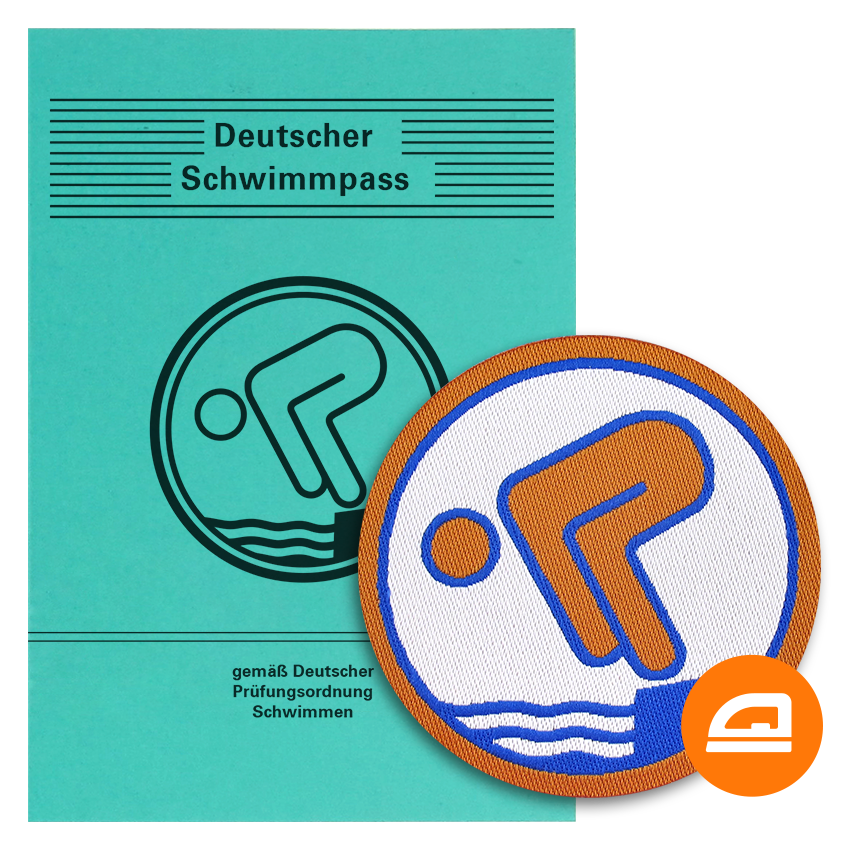
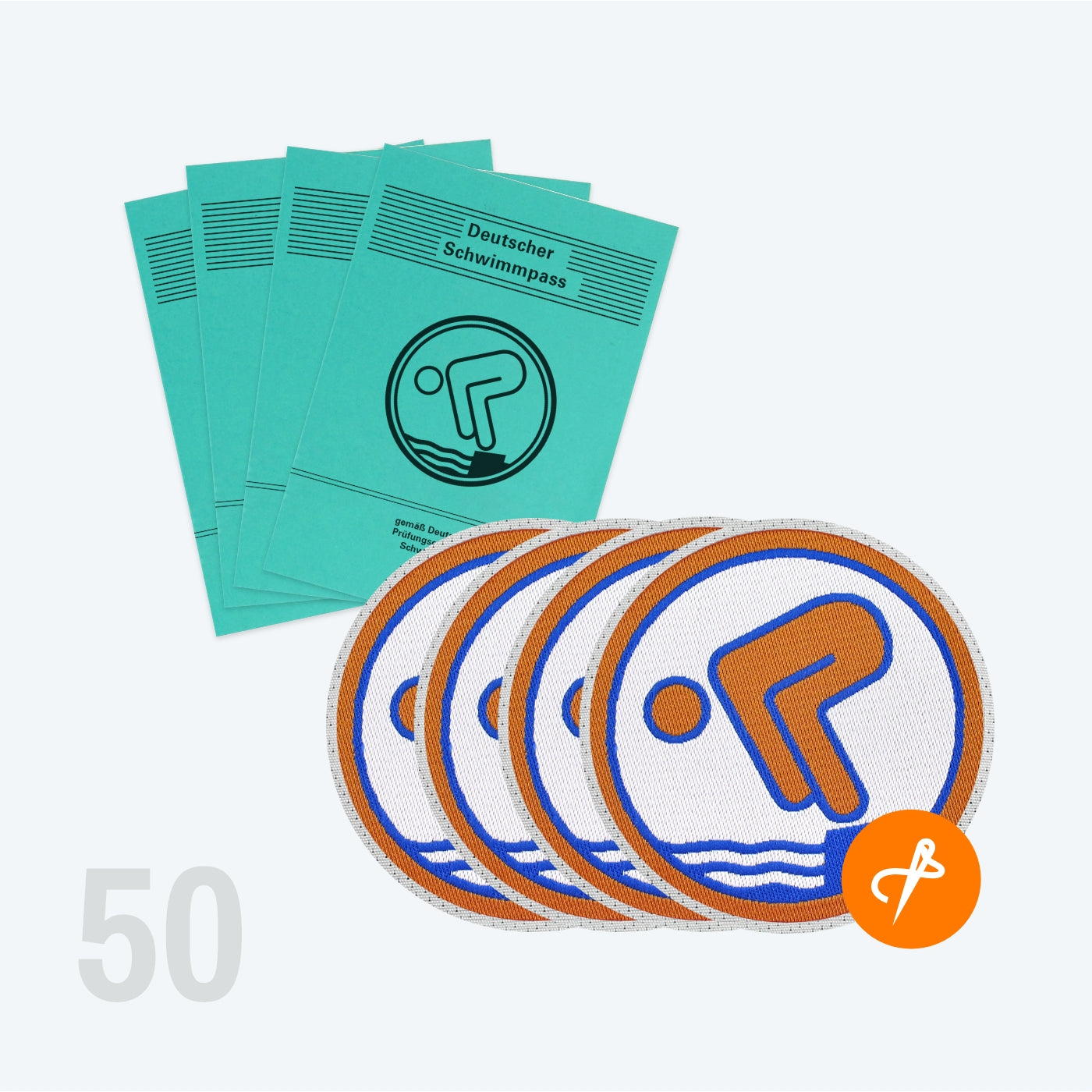
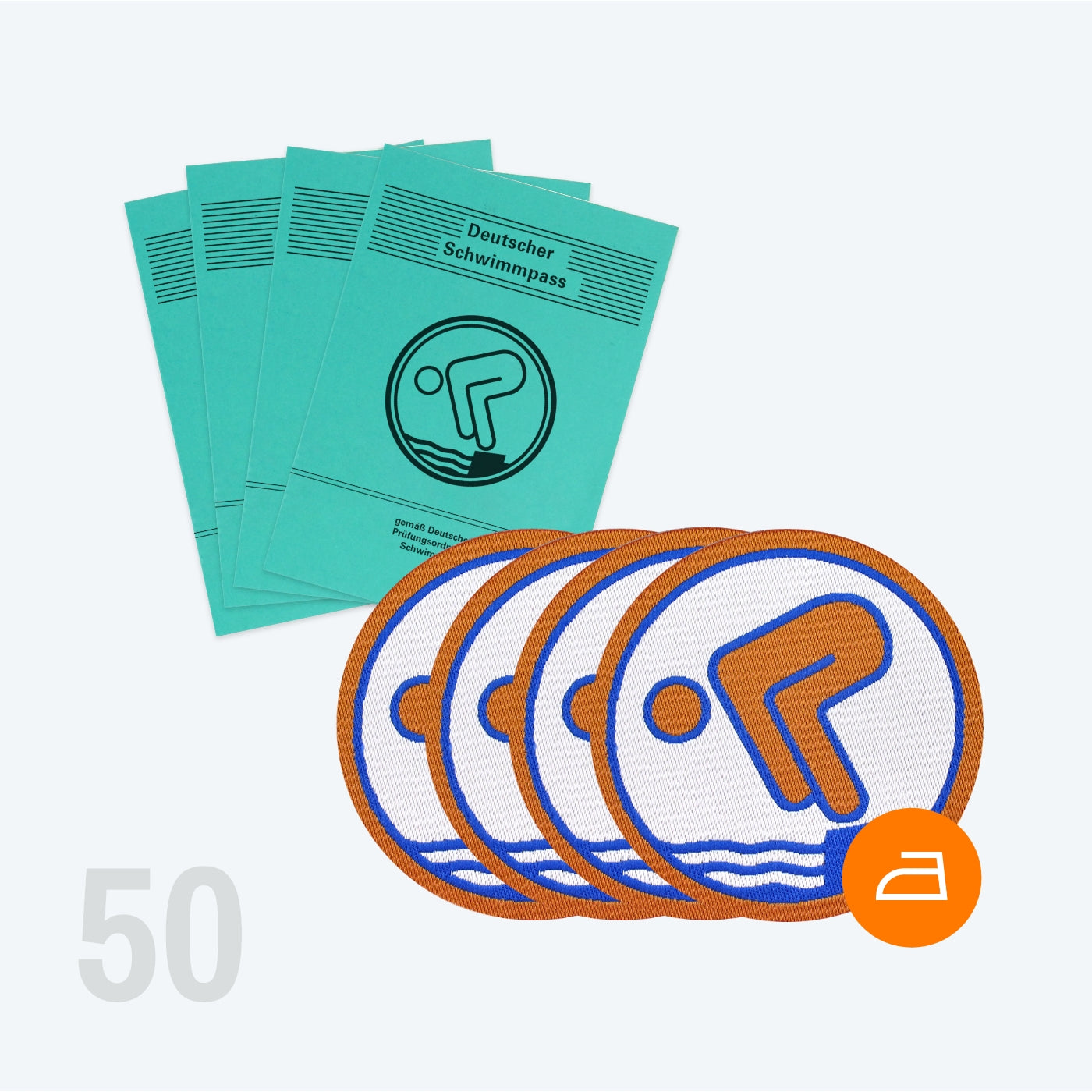
Motivation through swimming badges can be an important incentive for children to stay engaged. Closely observe your child's progress and praise every small achievement. Pay attention to individual developmental steps and avoid comparisons with other children.
Methods for progress monitoring and motivation enhancement:
- Setting small intermediate goals
- Documenting progress
- Positive reinforcement through praise
- Celebrating successes together
- Offering playful challenges
A continuous, loving approach is crucial. Show your child that the process is more important than the outcome.
Here is a summary of how parents can sustainably support and motivate their child's swimming progress:
| Method | Goal | Additional Benefit |
|---|---|---|
| Progress Journal | Make development visible | Fosters pride and joy in the child |
| Setting Milestones | Maintain motivation | Better self-perception |
| Positive Reinforcement | Strengthen self-confidence | Improve emotional well-being |
| Joint Celebration | Convey joy in learning | Strengthen bond between parents and child |
Pro-Tip: Keep a colorful progress journal with stickers or photos to make development visible and exciting.
Build Confidence Early with the Right Swimming Badges
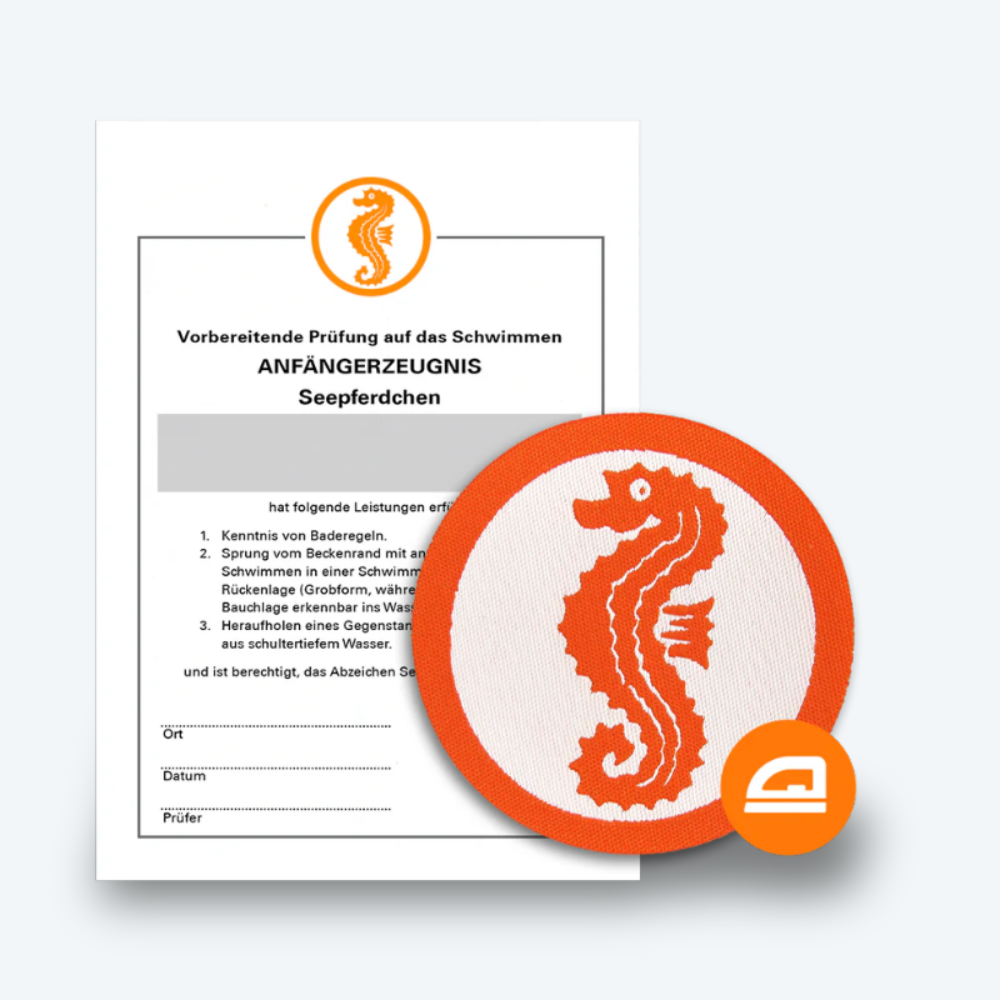
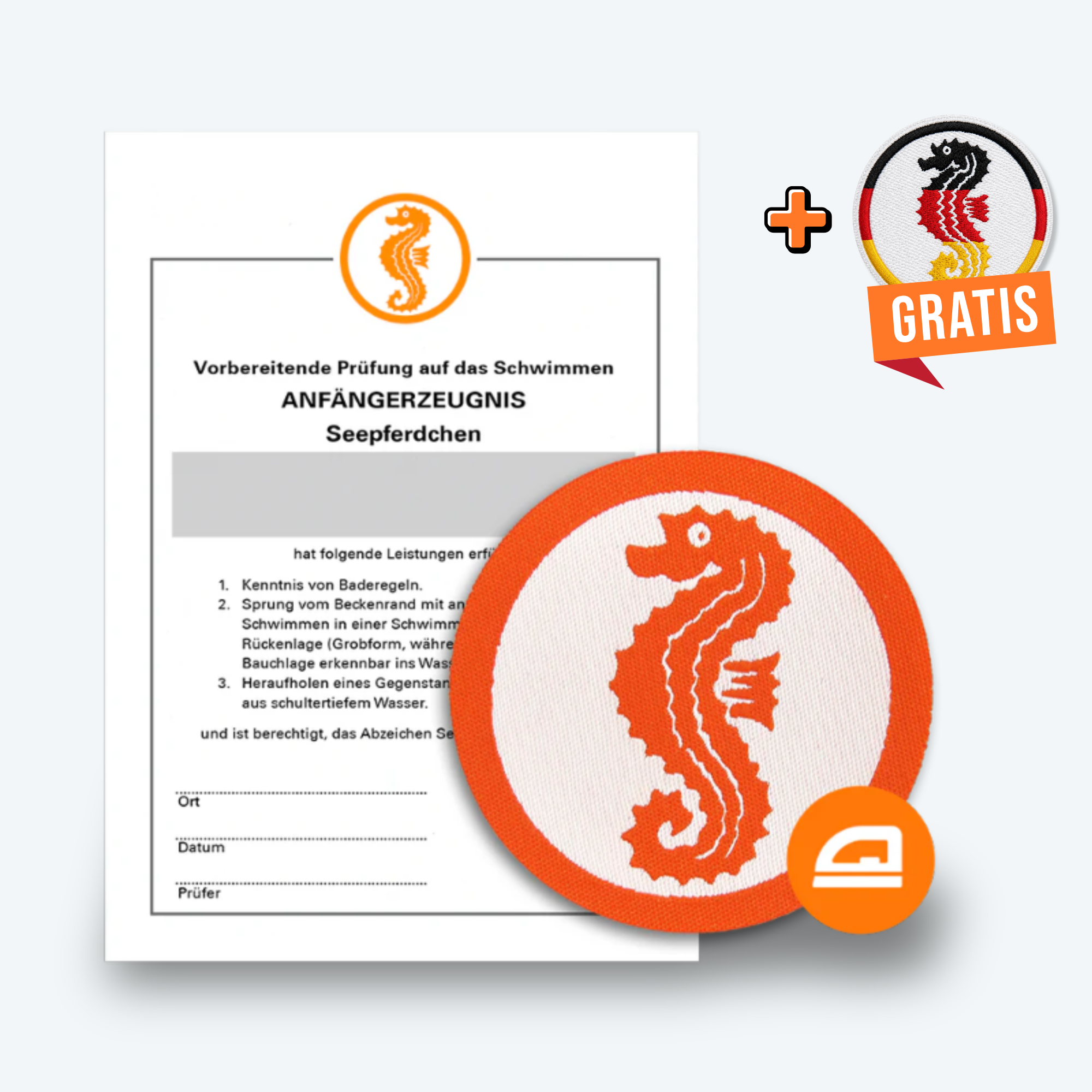
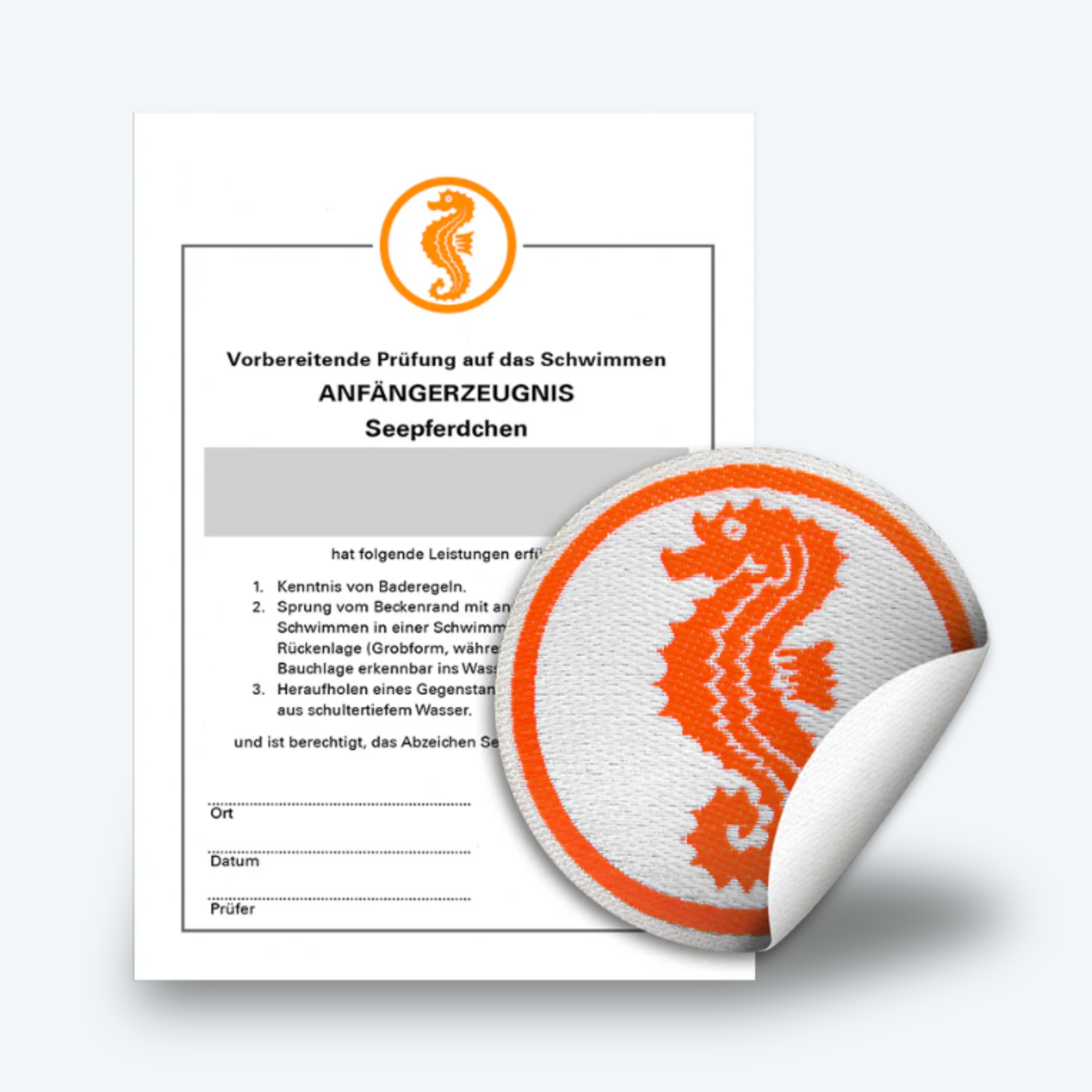
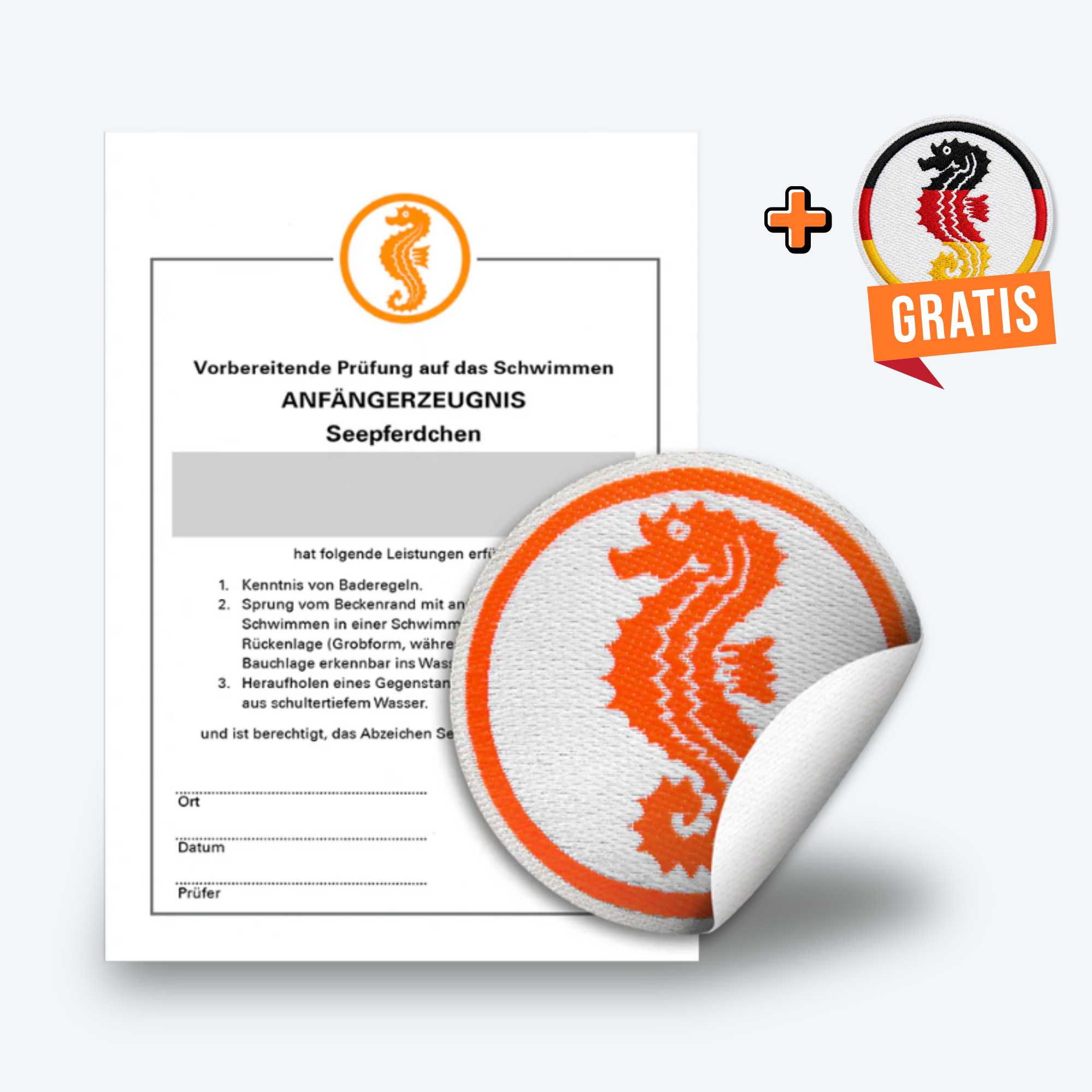
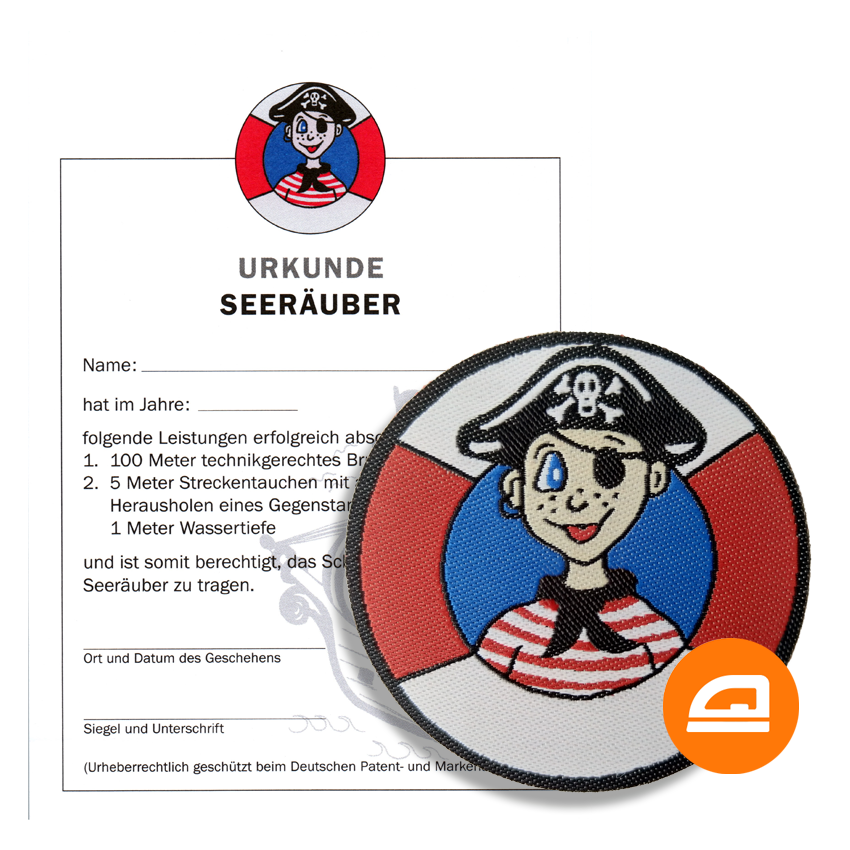
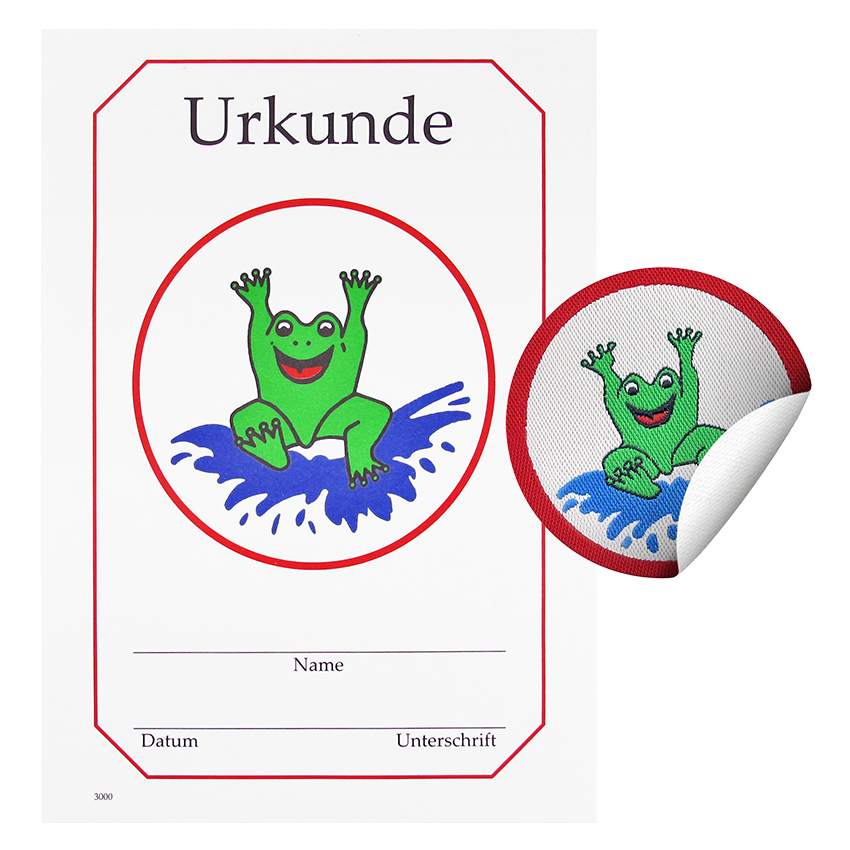
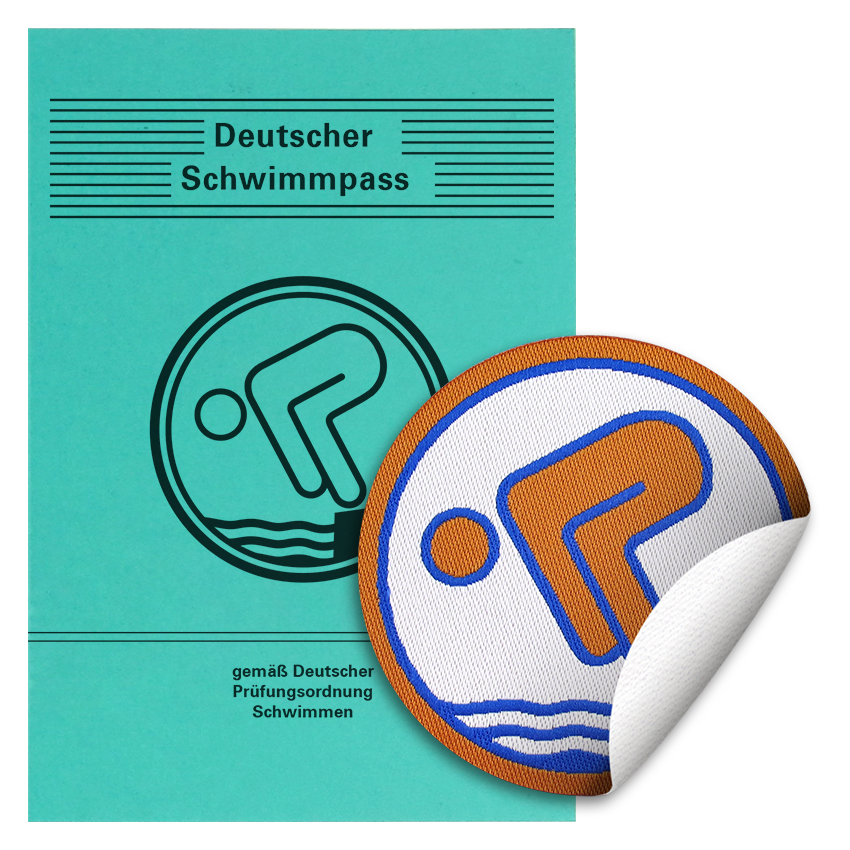
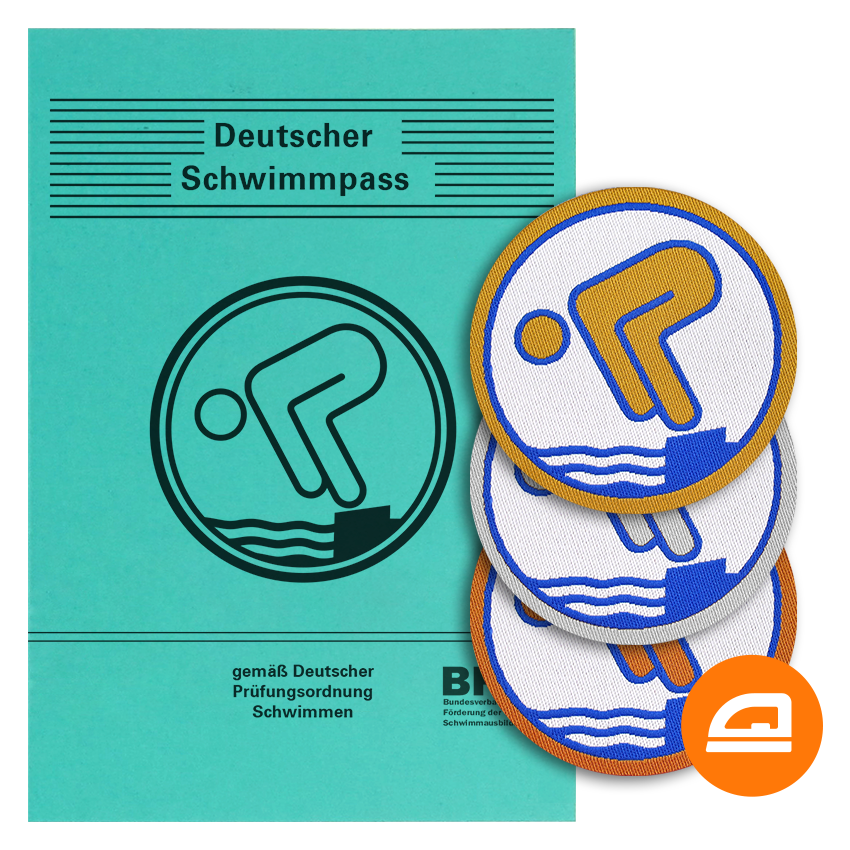
Starting a swimming course from the age of 2 is a particularly important phase in which children playfully discover water and develop confidence. This is exactly where Pimpertz swimming badges come in: they motivate your child with small successes in child-friendly designs and help to accompany the learning process proudly and visibly. Especially in the first steps of water acclimatization, it is essential that parents and children can associate positive experiences with each other.
Use Pimpertz's extensive range of original certified swimming badges and individual gift sets, perfectly tailored to the needs of toddlers and swimming courses. With over 38 years of experience and official partnership with the DLRG, we reliably support you on the way to learning to swim safely. Start now and playfully secure your child the best possible start – at Pimpertz you will find everything you need.
Discover our swimming badges & certificates and create motivating water experiences for your child. Trust in qualified service and express shipping so that your little water mermaid or merman can proudly celebrate their first successes quickly.
Frequently Asked Questions
At what age can my child start a swimming course?
Your child can start a swimming course as early as 2 years old. Choose a course specifically designed for toddlers to playfully encourage water acclimatization.
What criteria should a suitable swimming course for toddlers meet?
A suitable swimming course should have small groups of a maximum of 6 to 8 children, employ qualified instructors, and use playful methods. Also, look for comfortable water temperatures of 32 to 34 degrees Celsius.
How can I prepare my child for the swimming course?
Prepare your child through playful activities in the water, such as splashing in the bathtub or water games. Your positive attitude and relaxed approach to water are crucial for building trust.
How can I strengthen my child's confidence in the water?
Strengthen your child's confidence through regular, short water experiences in a relaxed atmosphere. Follow your child's individual pace to avoid overwhelming them.
How can I increase my child's motivation to learn to swim?
Set small intermediate goals and document progress to boost self-confidence. Celebrate successes together and use positive reinforcement to foster joy in learning.
What are typical signs that my child is ready for a swimming course?
Signs that your child is ready may include enjoying water, curiosity, and the ability to follow instructions. Observe your child's interaction with water and, if necessary, speak with a pediatrician to ensure they are healthy.


