
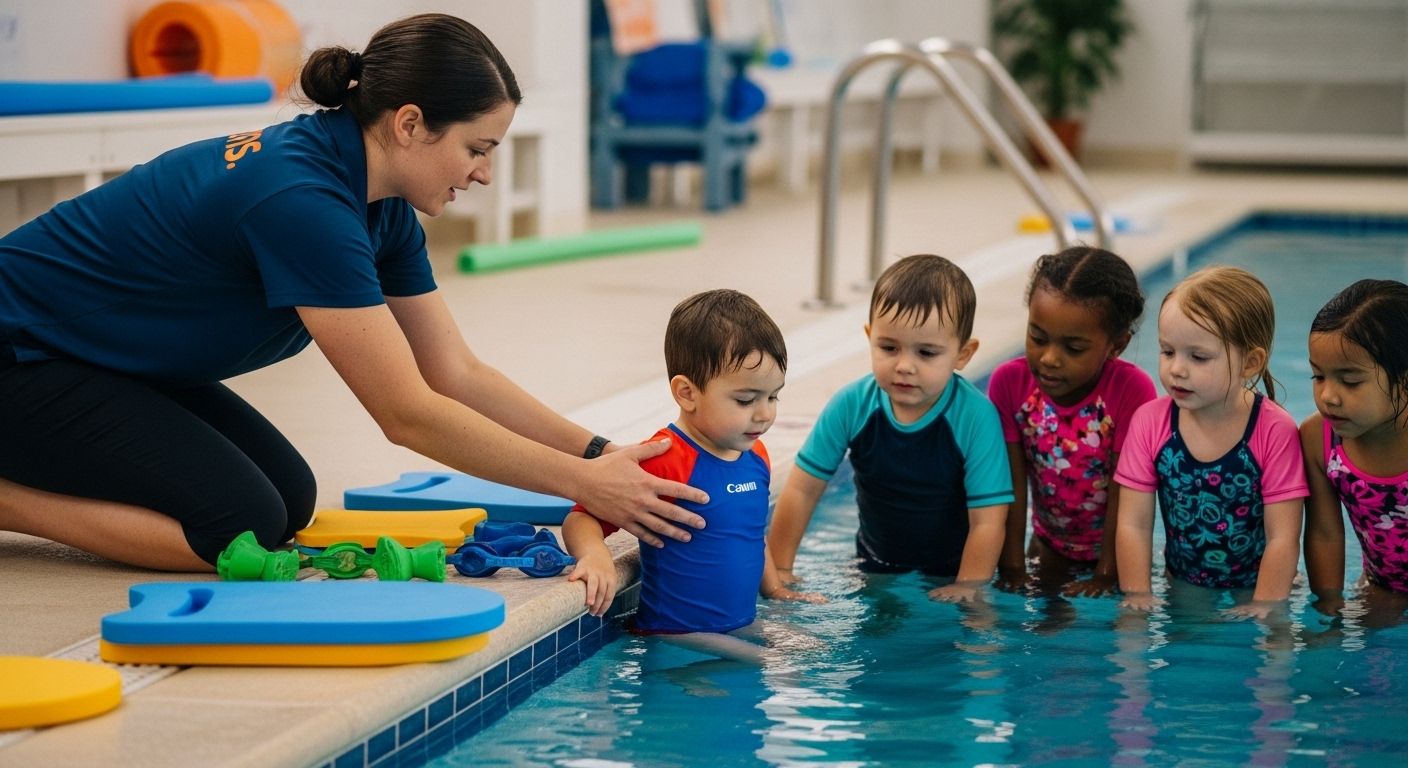
Swimming Course for 5-year-olds: Learn to Swim Safely 2025
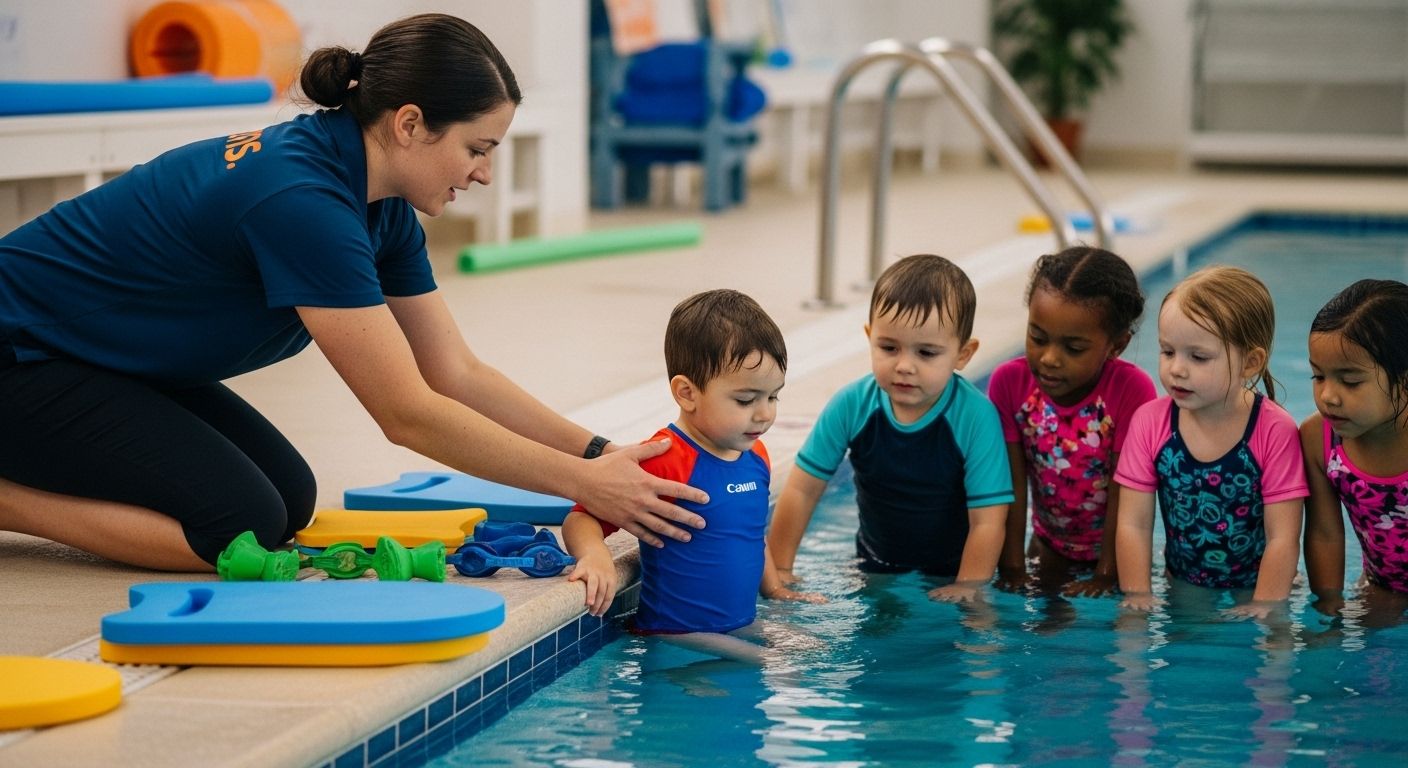
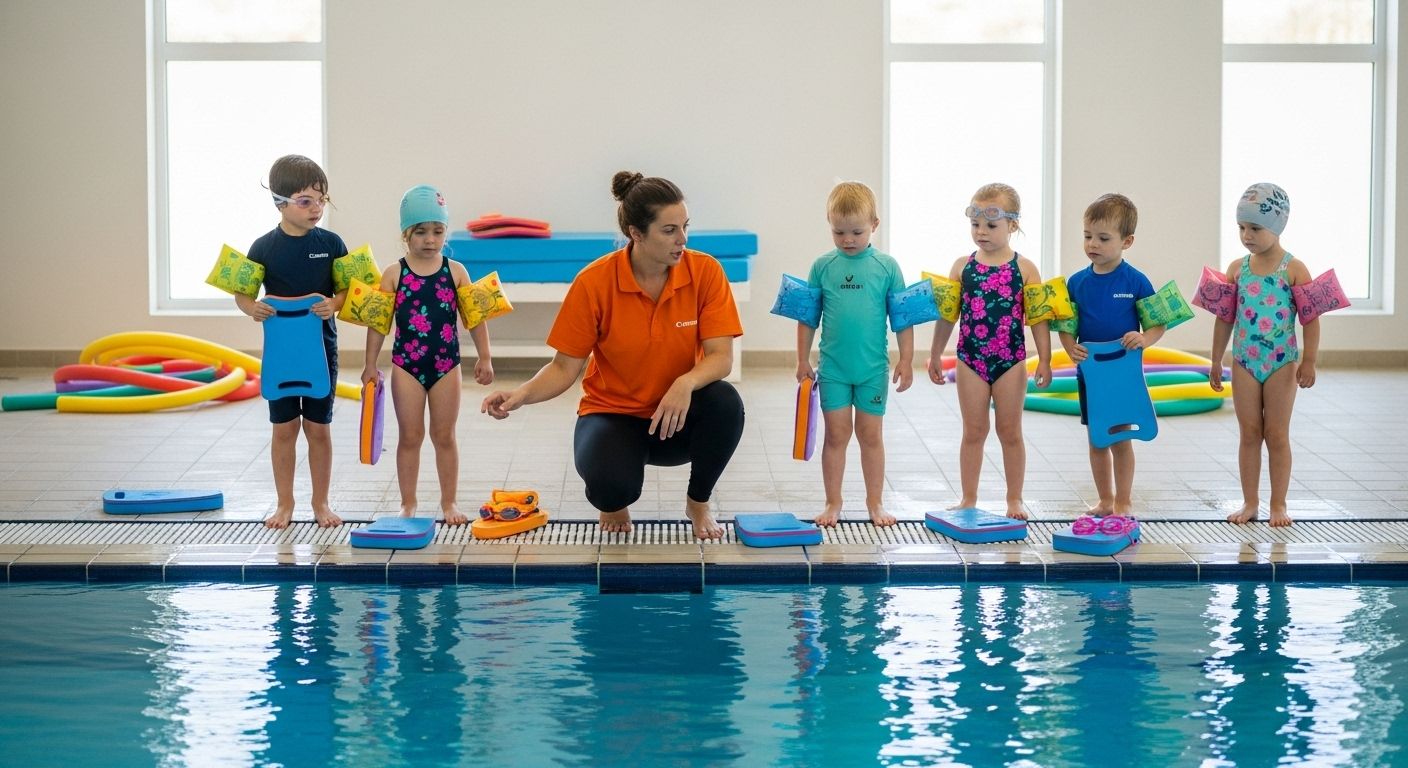
Learning to swim is an exciting adventure for many children. But did you know that the optimal group size for swimming lessons is only 4 to 6 children and that this is crucial for learning success? Many think that the bigger the group, the more fun. The opposite is true, because small groups provide more individual attention and thus much faster progress in the water.
Table of Contents
- Step 1: Determine Your Child's Needs
- Step 2: Choose the Right Swimming School or Group
- Step 3: Prepare Your Child for the Swimming Course
- Step 4: Register Your Child for the Swimming Course
- Step 5: Support Your Child During the Course
- Step 6: Review Progress and Celebrate Successes
Quick Overview
| Key Message | Explanation |
|---|---|
| 1. Determine Your Child's Needs | Observe your child's behavior in the water to understand their individual fear or curiosity. |
| 2. Choose the Right Swimming School | Look for qualified swimming instructors and a small group size for personalized care. |
| 3. Prepare Your Child Emotionally | Talk positively about the course and create initial water experiences to reduce fears. |
| 4. Support During the Course | Actively show interest in your child's progress and offer rewards for successes. |
| 5. Regularly Review Progress | Document development and celebrate small achievements to boost self-confidence. |
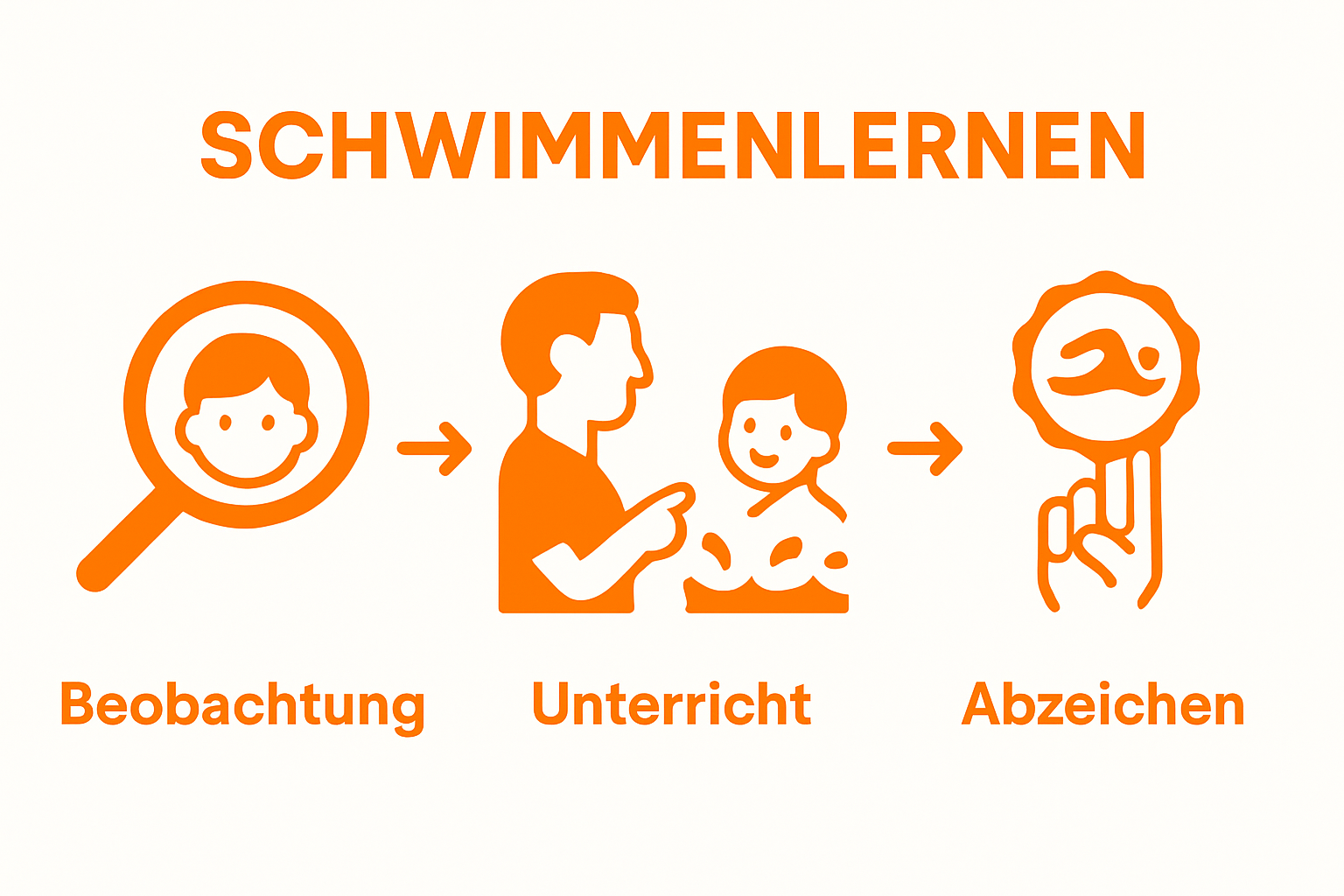
Step 1: Determine Your Child's Needs
The first step to a successful swimming course for your 5-year-old is to carefully assess their individual needs and prerequisites. Every child brings different previous experiences, emotional states, and physical abilities that significantly influence swimming lessons.
First, observe your child's relationship with water. How does he or she react when coming into contact with water? Does he or she show curiosity or fear? Some children are naturally timid of water, while others want to jump right in. According to Siemens-Betriebskrankenkasse, it is important to introduce children to water playfully at an early age.
Preliminary Observations and Assessments
For a successful swimming course, you should consider several aspects. Observe your child's water sensitivity: How do they react when bathing? Do they enjoy splashing? Do they dare to dive underwater? These observations provide insight into their emotional well-being in water.
Physical fitness and coordination skills are also important. Can your child already ride a bicycle? Do they participate in other coordination sports? These skills help when learning swimming movements. You can find further tips on teaching children to swim in our detailed guide.
If in doubt, consult swimming instructors or children's sports coaches who can professionally assess whether your child is ready for a swimming course. An individual assessment helps to develop the right learning strategies and avoid frustration.
Step 2: Choose the Right Swimming School or Group
Choosing the right swimming school is crucial for your 5-year-old child's swimming success. A suitable group and environment can significantly accelerate the learning process and strengthen your child's confidence in the water.
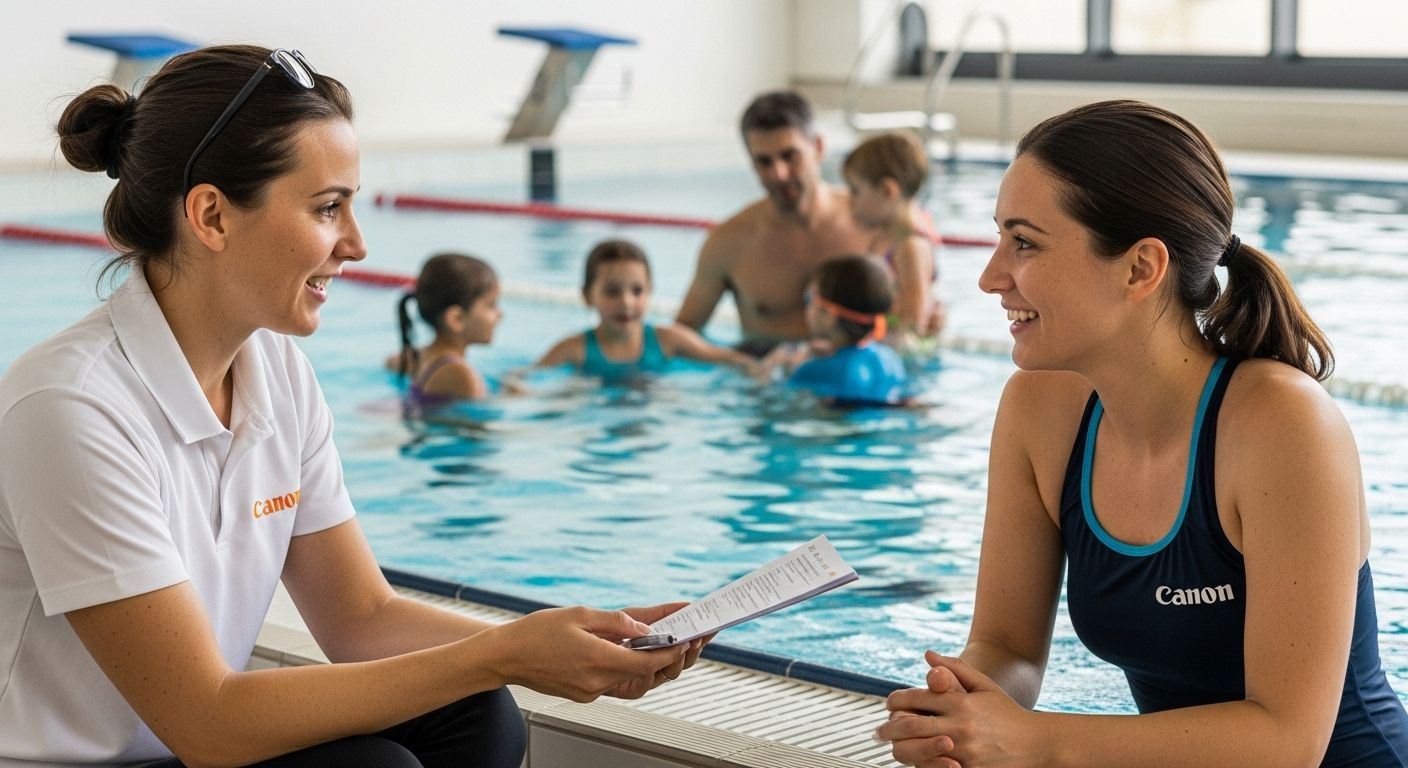
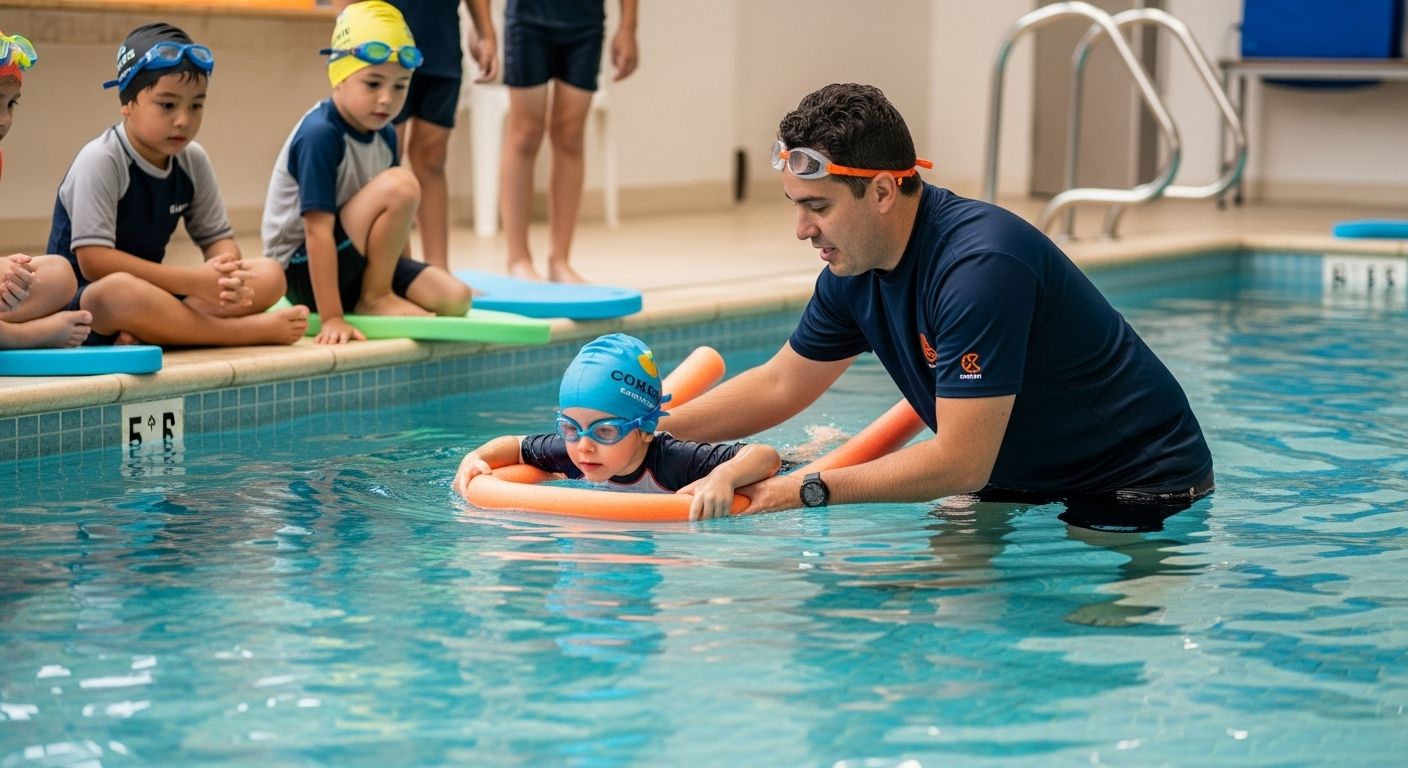
When looking for the ideal swimming school, you should consider several important criteria. Qualification of the swimming instructors comes first. Look for trainers with pedagogical experience in working with children, preferably with additional training in infant and child swimming. Ideally, trainers who have experience with 5-year-olds and follow a child-friendly, playful teaching method.
Group Size and Learning Environment
Group size is another crucial factor. Smaller groups allow for more individual attention and personalized care. An optimal group size is between 4 and 6 children, so that each child can receive sufficient attention and support. You can find more information on choosing swimming courses for young children in our detailed guide.
In addition, you should pay attention to the condition of the swimming pool. Warmth, cleanliness, and child-friendly facilities are important aspects. A pool with a water temperature between 30 and 32 degrees Celsius offers ideal conditions for young swimming beginners. Also pay attention to non-slip areas, ladders with child-friendly grips, and a pleasant atmosphere that conveys safety and well-being.
A trial lesson can be very insightful. Take your child with you and observe how they interact with the environment, the trainers, and other children. Your child's emotional reaction provides important clues as to whether the swimming school is really suitable.
Below you will find a tabular overview of the most important criteria when choosing a suitable swimming school for your 5-year-old child.
| Criterion | Description | Notes |
|---|---|---|
| Teacher Qualification | Pedagogical experience and additional qualifications in children's swimming | Experience with 5-year-olds is advantageous |
| Group Size | 4 to 6 children per group | Individual supervision and faster progress |
| Pool Equipment | Warm water (30–32°C), non-slip zones, child-friendly ladders | Safety and well-being for children |
| Atmosphere | Friendly, child-friendly, calm | Promotes emotional safety and fun |
| Trial lesson possible | Participation in a taster session to observe the child | Provides information about comfort and integration |
| Flexibility of course times | Course times adapted to family routine | Avoidance of scheduling conflicts and overexertion |
Step 3: Prepare Your Child for the Swimming Course
Preparation for the swimming course is crucial for your 5-year-old child's success and well-being. A targeted and empathetic approach can reduce nervousness and generate anticipation.
According to Bundeszentrale für gesundheitliche Aufklärung, parents should gently and playfully introduce children to new water experiences.
First water experiences are key to motivation. Start at home in the bathtub with playful activities. Let your child move water toys, try small diving movements, and carefully hold their face underwater. These moments help to reduce anxieties and build self-confidence.
Emotional and Mental Preparation
Conversations play a decisive role in preparation. Talk positively and excitedly about the upcoming swimming course. Avoid words that could trigger fear. Instead, focus on the adventures and new friends your child will meet in the swimming course. You can find tips for successful swimming courses for young children in our detailed guide.
Prepare practical things: buy a nice swimsuit, swimming goggles, and a soft towel together with your child. Let your child try these things on beforehand and get used to them. Packing a special swimming bag can also increase anticipation. It is important to convey to the child that swimming is a great, safe, and fun activity to look forward to.
Step 4: Register Your Child for the Swimming Course
After careful preparation and selection of the right swimming school, the official registration process is now due. This step requires attention and preparation to ensure a smooth start for your child.
Documentation and preparatory documents are the first important aspect. Collect all necessary documents such as vaccination card, medical certificate, and swimming course registration form. Many swimming schools require proof of your child's health status and any allergies or limitations. You can find detailed information on swimming course registration in our comprehensive guide.
Communicate openly with the swimming instructors about your child's special needs or challenges. Whether it's fear of water, allergies, or other individual aspects - early information helps the instructor to optimally prepare for your child. Registration is more than a formality: it is the first step towards a trusting cooperation between parents, child, and swimming instructor.
When registering, pay attention to flexibly designed course times that fit your family's rhythm. Courses should not be too close to mealtimes or bedtimes. Optimal course times take into account your child's daily condition and energy. Also, plan for sufficient changing and showering facilities. Relaxed registration and preparation lay the foundation for a positive swimming experience for your 5-year-old child.
The following table provides a practical checklist for registering and preparing your child for the swimming course, so you can remember all the important things.
| Task | To be completed by | Purpose / Note |
|---|---|---|
| Keep vaccination card ready | Before course registration | Proof of health, prerequisite for participation |
| Obtain medical certificate | Before course start | Confirmation of no concerns for swimming |
| Fill out swimming course form | Upon registration | Securing the course spot with the provider |
| Communicate special needs | Directly upon registration | Adapt training to individual requirements |
| Select suitable course time | Before confirmation | Optimal coordination with meal and rest times |
| Get swimming equipment | Before course begins | Prepare swimsuit, goggles, towel |
| Clarify changing/showering facilities | Before course begins | For a relaxed process before and after the course |
Step 5: Support Your Child During the Course
Support during the swimming course is crucial for the learning success and emotional well-being of your 5-year-old child. Parental accompaniment can significantly strengthen your child's motivation and self-confidence.
Communication and emotional support form the basis. After each swimming session, ask specific and positive questions about the experiences. Avoid critical questions or pressure. Instead, show genuine interest and enthusiasm for the small progress. Every movement in the water, every bit of courage to practice is an achievement that deserves recognition. You can find practical tips for motivating young swimmers in our detailed guide.
Support goes beyond verbal encouragement. Observe the swimming lessons, as far as possible, to get an impression of the progress. Many swimming schools offer parents the opportunity to be present during the lesson. This presence gives your child security and shows that you value their learning.
Prepare a small reward after each swimming course. This can be a special conversation, a sticker, or a shared ritual. It is important to focus on joy, fun, and personal development, not on pressure to perform. Show your child that swimming is a wonderful skill that means safety, joy, and quality of life.
Step 6: Review Progress and Celebrate Successes
The progress process in a swimming course is more than just learning technical skills. It is about the holistic development of self-confidence, safety, and joy in the water. Documentation and recognition play a crucial role in this.
Regularly discuss your child's individual development with the swimming instructor. Ask about specific progress in areas such as water acclimatization, movement safety, and emotional development. An open conversation helps to identify strengths and specifically address challenges. You can find expert tips for assessing children's progress in our detailed guide.
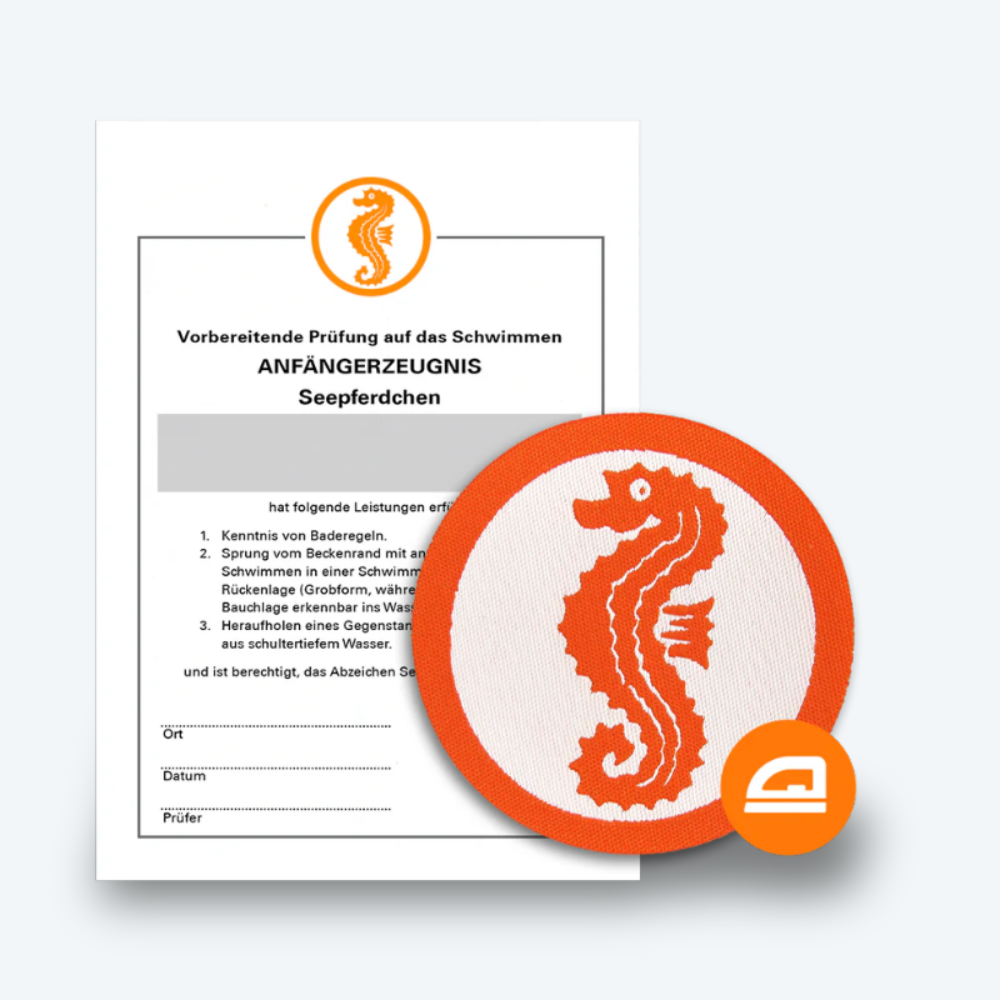
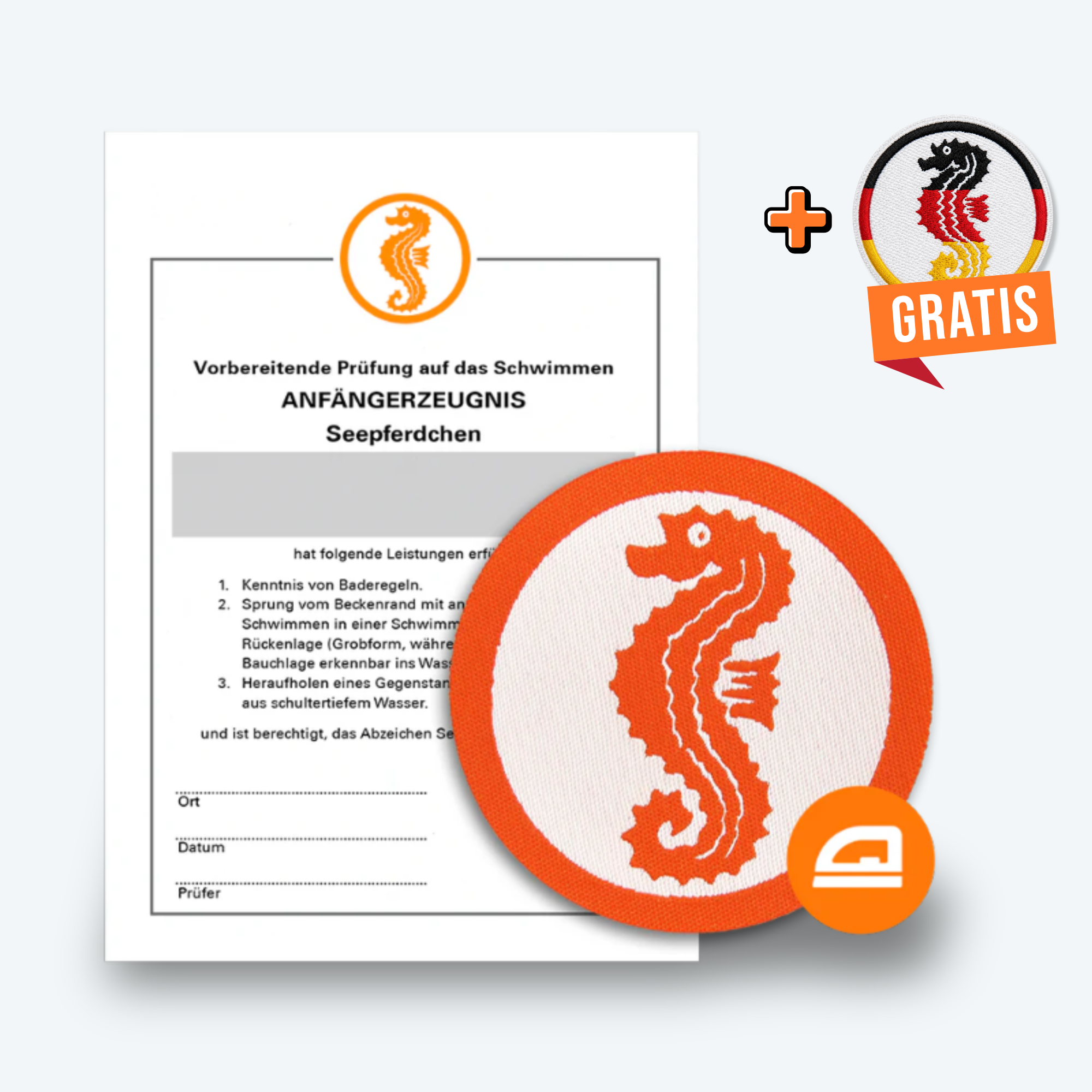
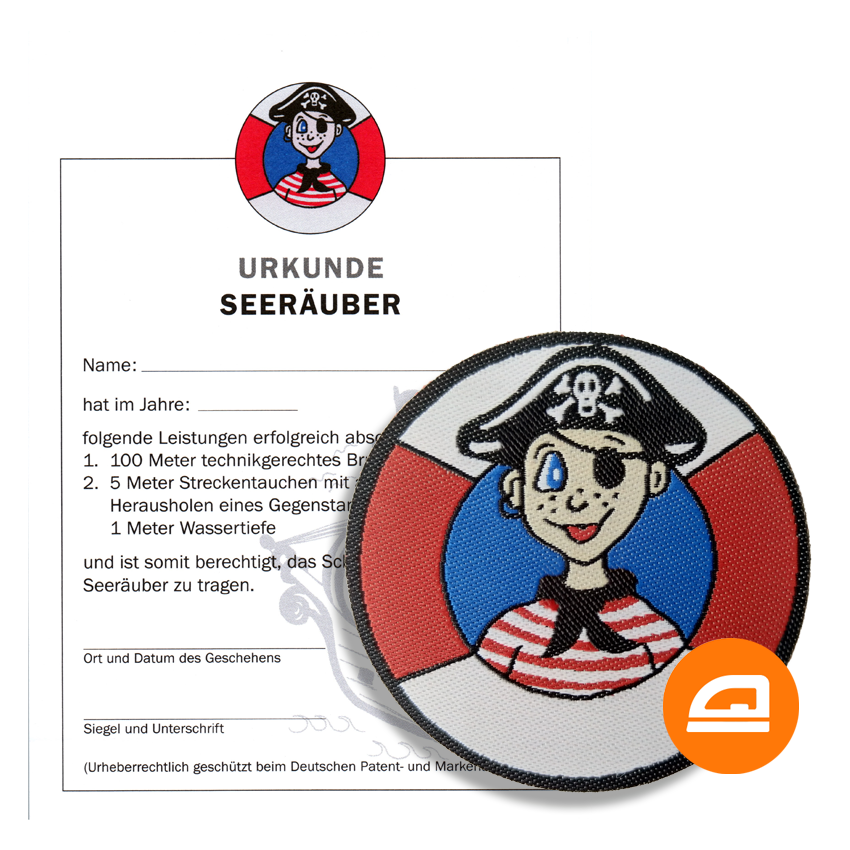
Motivational badges and small certificates can be valuable tools for recognition. Every new skill, whether it's the first time submerging or a confident swimming movement, deserves appreciation. Create a collection of successes that makes your child proud and motivated to continue learning. A progress diary or a wall with badges can help make developmental steps visible.
Keep in mind that progress is individual. Don't compare your child with others, but focus on their personal development. Small successes such as overcoming fear of water, first swimming movements, or simply having fun in the water are just as important as technical progress. Celebrate these moments together and show your child that you appreciate their efforts throughout the entire learning process.
Make Your Child's Swimming Success Visible – with High-Quality Swimming Badges from Pimpertz
Your child is currently preparing for their first swimming course with great motivation, and you have learned in this article how important recognition is for every small success. However, many parents face the challenge of not only supporting progress emotionally but also making it visible and tangible. This increases the joy of learning and the children's self-confidence. By collecting original swimming badges, certificates, and child-friendly rewards, steps in the water are guaranteed to become unforgettable moments.
Now rely on our official products – from Seepferdchen to youth swimming badges, all in tested quality and with loving design. This way, every swimming achievement remains a real highlight. Discover our range of accessories and gift sets for swimming courses and take advantage of the opportunity to order personalized badge kits directly for groups or your child. Give your child motivation and security – visit pimpertz.de and celebrate the first swimming successes appropriately. Start now, so that the swimming course remains a positive memory for a long time.
Frequently Asked Questions
How do I prepare my child for the swimming course?
Playfully prepare your child for the swimming course by starting with water toys and small diving exercises at home in the bathtub. Talking positively about the course and jointly choosing swimming equipment can also increase anticipation.
What criteria are important when choosing a swimming school?
Pay attention to the qualifications of the swimming instructors, the group size, and the characteristics of the swimming pool. Optimal are small groups of 4 to 6 children and a warm, safe water environment.
What should I consider during the swimming course?
Be actively involved in supporting your child. Make sure to give positive feedback after the swimming sessions, and observe the progress to ensure your child feels comfortable and remains motivated.
How can I check my child's progress in the swimming course?
Regularly talk to the swimming instructor about your child's progress and celebrate successes through rewards and recognition. A progress diary can also be helpful to record developments.