
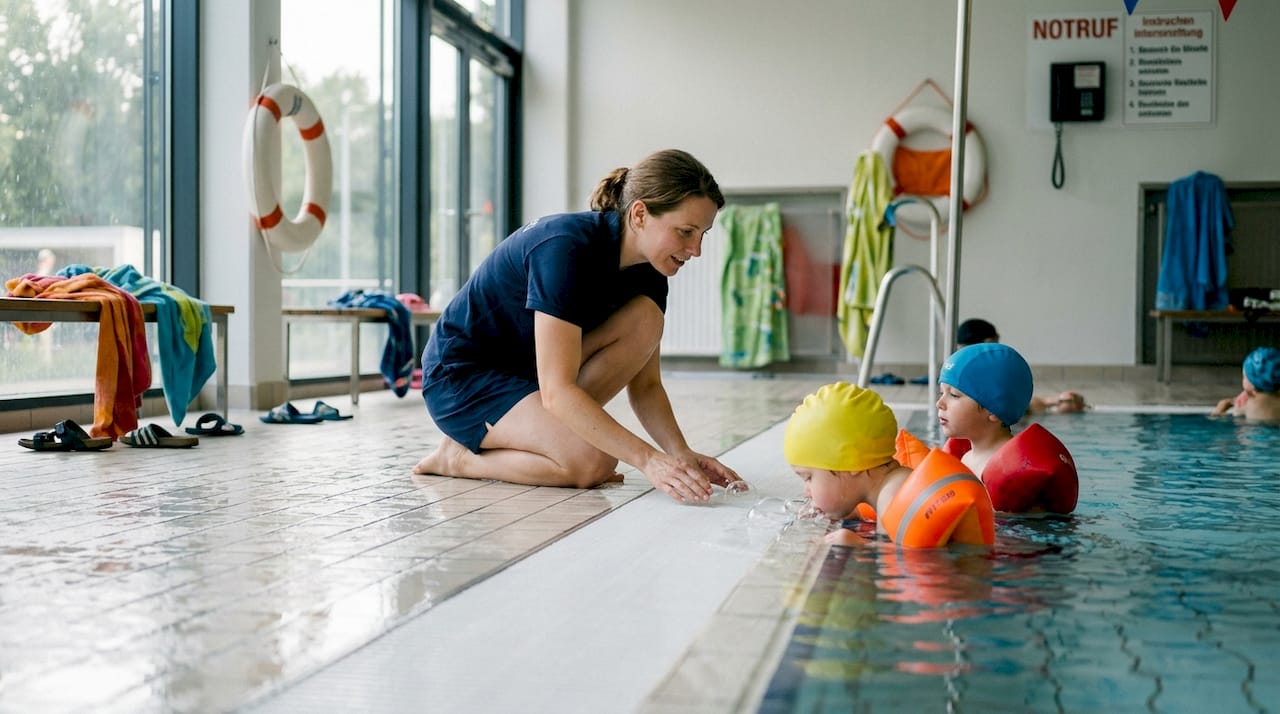
Mastering swimming lessons safely: Parent's Guide 2026
Many parents feel uncertain when it comes to their children's swimming lessons. Questions about safety, suitable learning methods, and the right choice of swimming accessories occupy them daily. This guide will help you make informed decisions and facilitate your child's journey to safe swimming skills. You will learn what matters when choosing a swimming course, which learning approaches have proven effective, and how you can best support your child.
Table of Contents
- Central overview: What parents should know about swimming lessons
- Important safety criteria for swimming lessons
- Proven learning methods for child-friendly swimming lessons
- Practical swimming accessories: What really helps children?
- Comparison: Swimming lesson offers for different needs
- How we support parents and children in learning to swim
- Frequent questions from parents about swimming lessons
Key Insights
| Point | Details |
|---|---|
| Safety criteria in lessons | Swimming lessons should ensure trained lifeguards, current certifications, and manageable group sizes for quick action in emergencies. |
| Child-friendly learning methods | Young children learn through play, positive reinforcement, and small, achievable steps, with instructors respecting individual paces. |
| Suitable learning aids and accessories | Caution is advised with learning aids; armbands promote incorrect water posture, swim vests distribute buoyancy, noodles are suitable for targeted exercises, kickboards support leg movement, and aids do not replace supervision. |
| Parental involvement and transparency | A reputable swim school transparently answers safety standards, offers trial visits, and clarifies questions about emergency plans, rescue equipment, and supervisors. |
Important Safety Criteria for Swimming Lessons
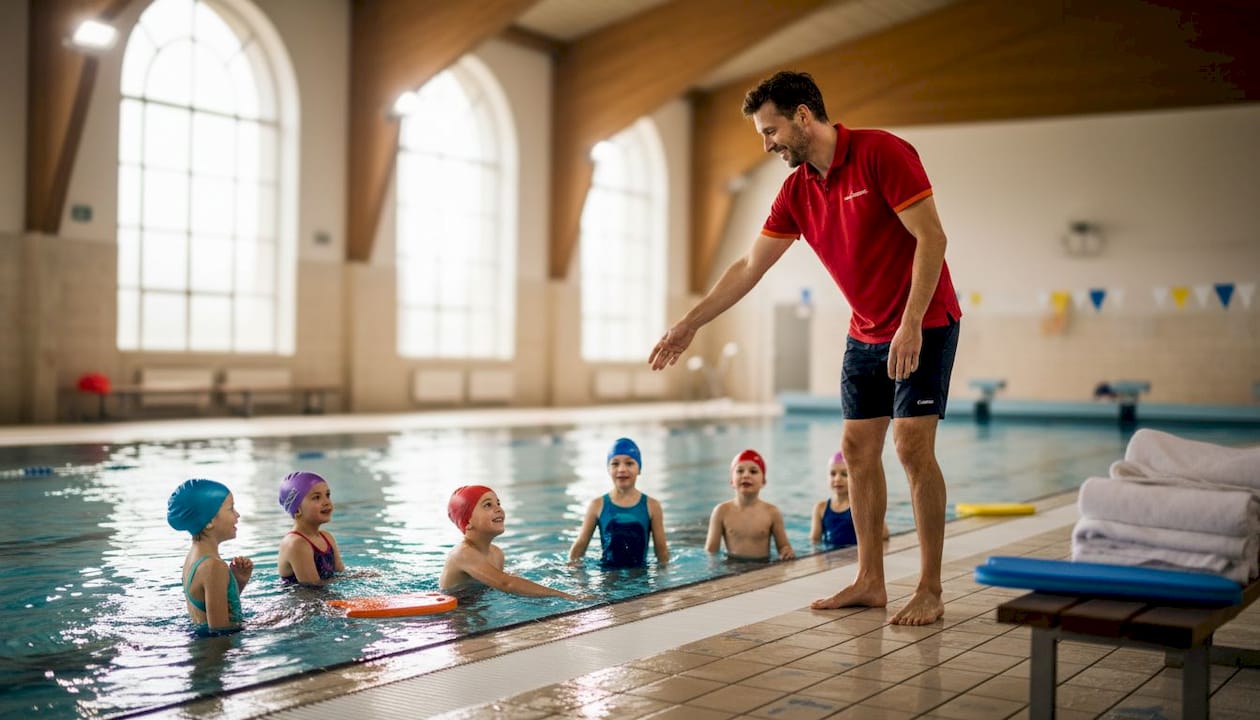
Safety is the highest priority in swimming lessons, especially for young children. Parents should ensure that the swim school or club has trained lifeguards. Qualified instructors with current DLRG or BFS certifications guarantee that action will be taken quickly and competently in an emergency. Make sure that the group size remains manageable so that each child receives sufficient attention.
Many children initially show fear or discomfort in the water. A good swim school addresses these feelings sensitively and builds trust step by step. Instructors should master techniques to calm children and introduce them to the element of water in a playful way. Transparent communication between parents and coaches helps to identify individual fears early on and address them specifically.
Caution is advised when choosing swimming aids. Not all products are equally suitable for the learning process:
- Armbands provide buoyancy but can promote incorrect water posture
- Swim vests distribute buoyancy more evenly and support a more natural position
- Swim noodles are great for targeted exercises under supervision
- Kickboards help with learning leg movement
Pro tip: Never rely solely on swimming aids. They do not replace supervision and serve only as temporary support during the learning process. As soon as your child masters initial swimming movements, the aids should be gradually reduced to encourage independence in the water.
Inform yourself in advance about the safety standards of the facility. Are there clear emergency plans? Is rescue equipment readily available? How many supervisors are planned per child? You should clarify these questions before registering. A reputable swim school answers them transparently and invites you to a trial visit so you can see for yourself.
Proven Learning Methods for Child-Friendly Swimming Lessons
Young children learn best through play and positive reinforcement. Modern swimming courses use playful elements that spark interest and create success experiences. Instead of rigid exercise routines, tasks are broken down into small, achievable steps. Each child develops at their own pace, and good instructors respect these individual differences.
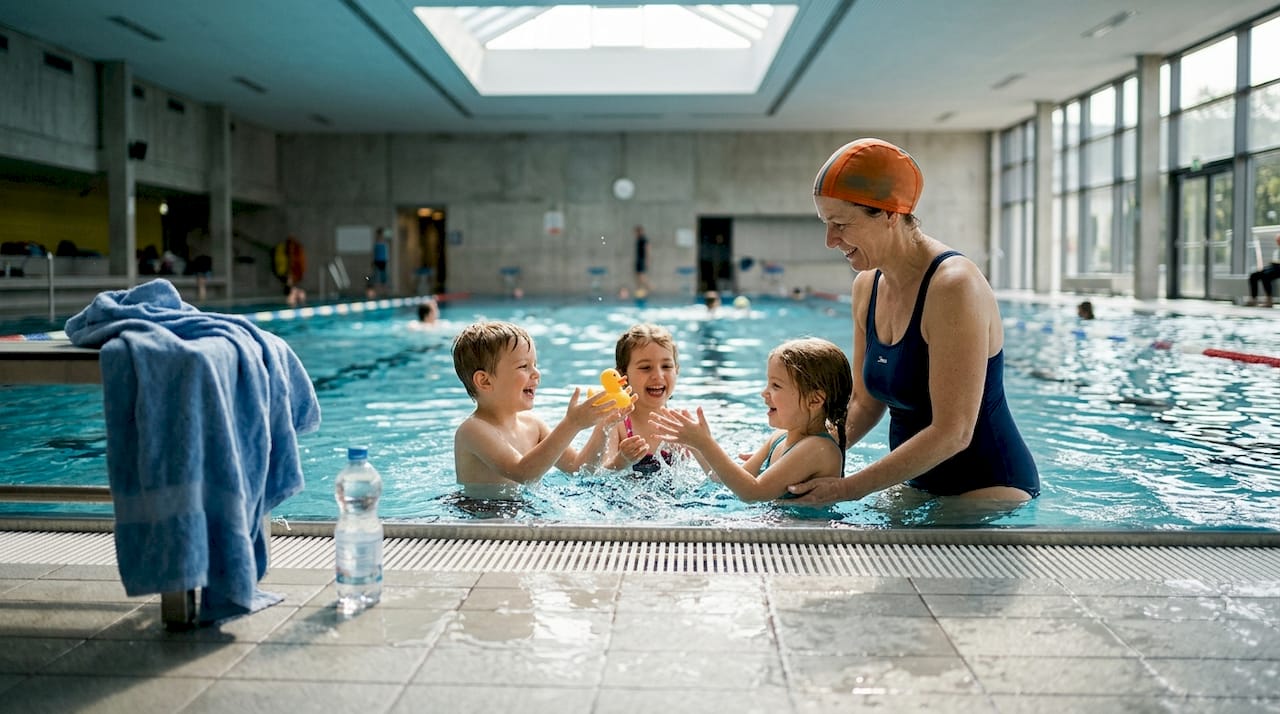
Good communication between instructors and parents significantly promotes children's learning success. Regular feedback helps you understand where your child stands and how you can support them at home. Actively ask about progress and challenges. Open conversations build trust and enable joint solutions to be developed when difficulties arise.
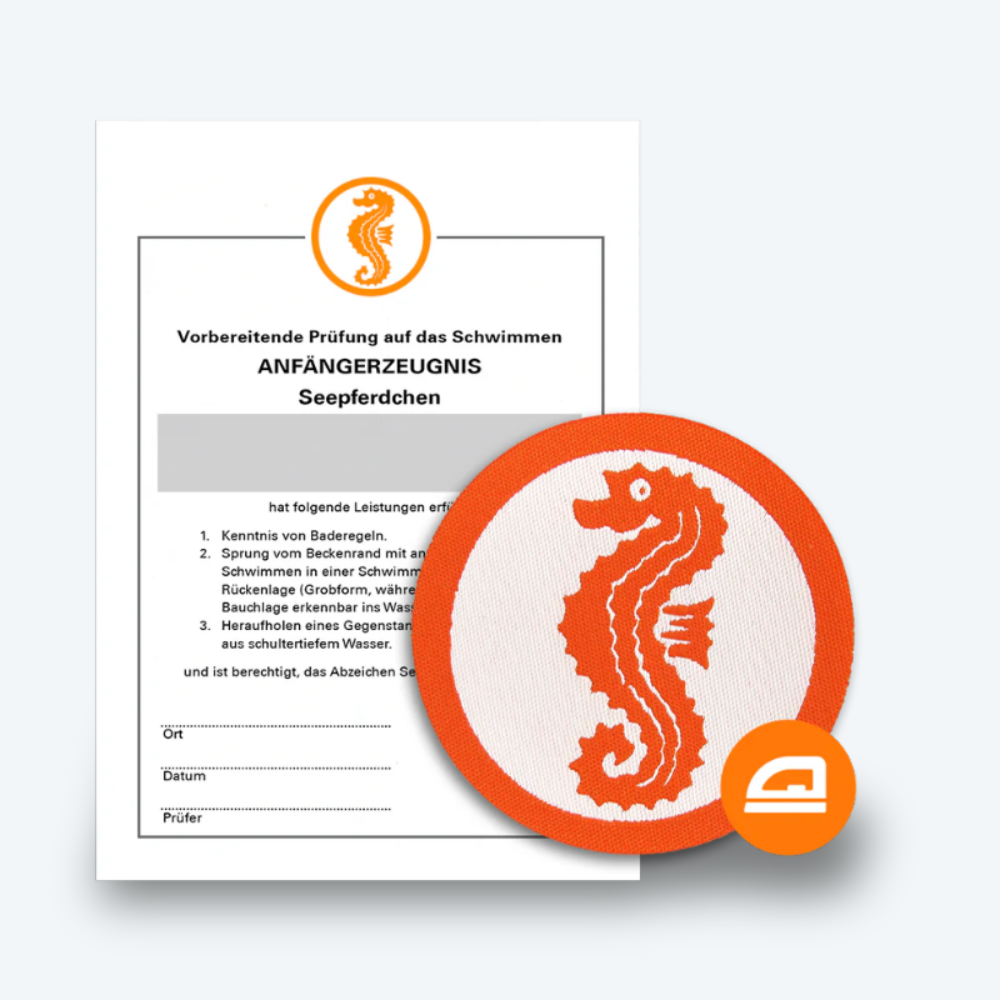
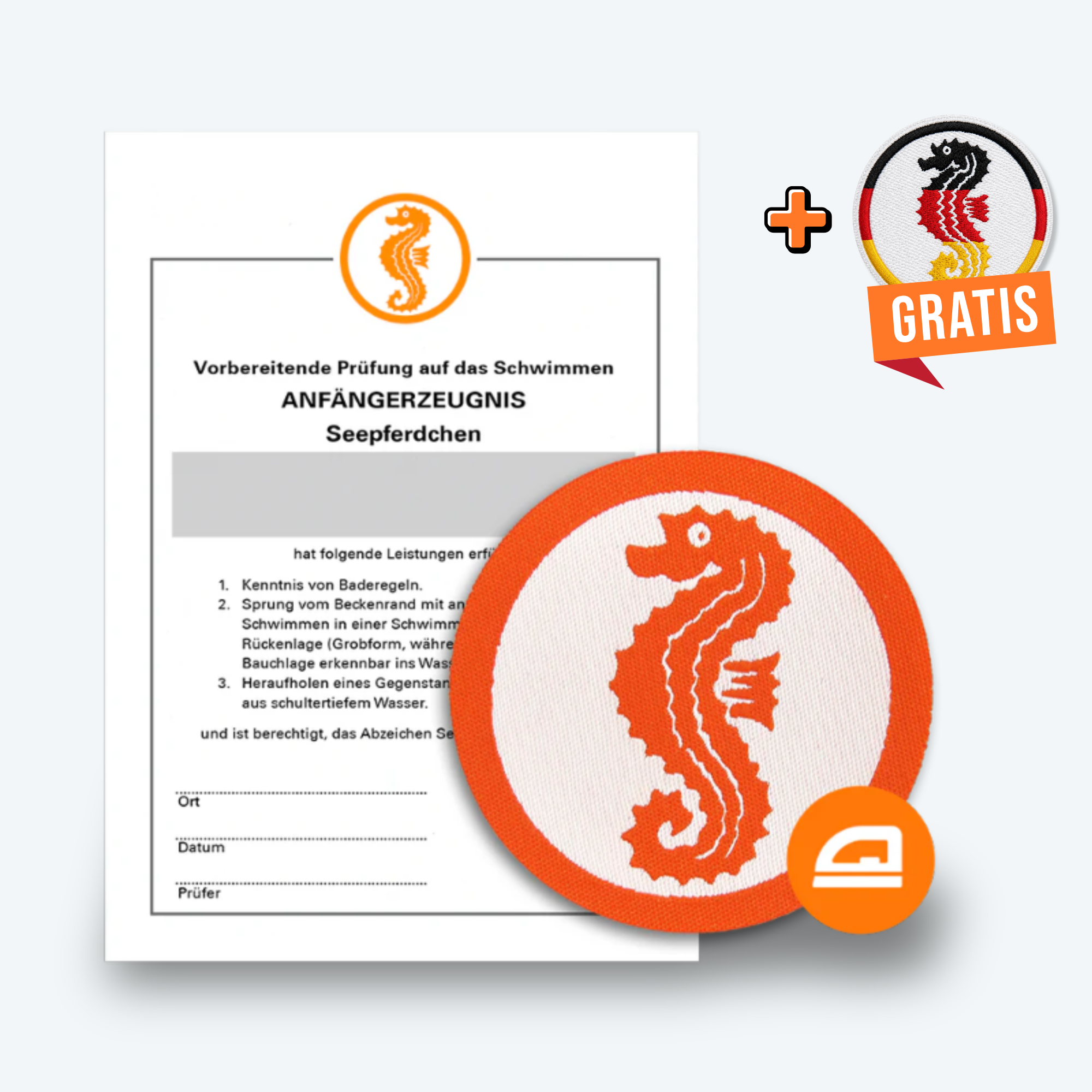
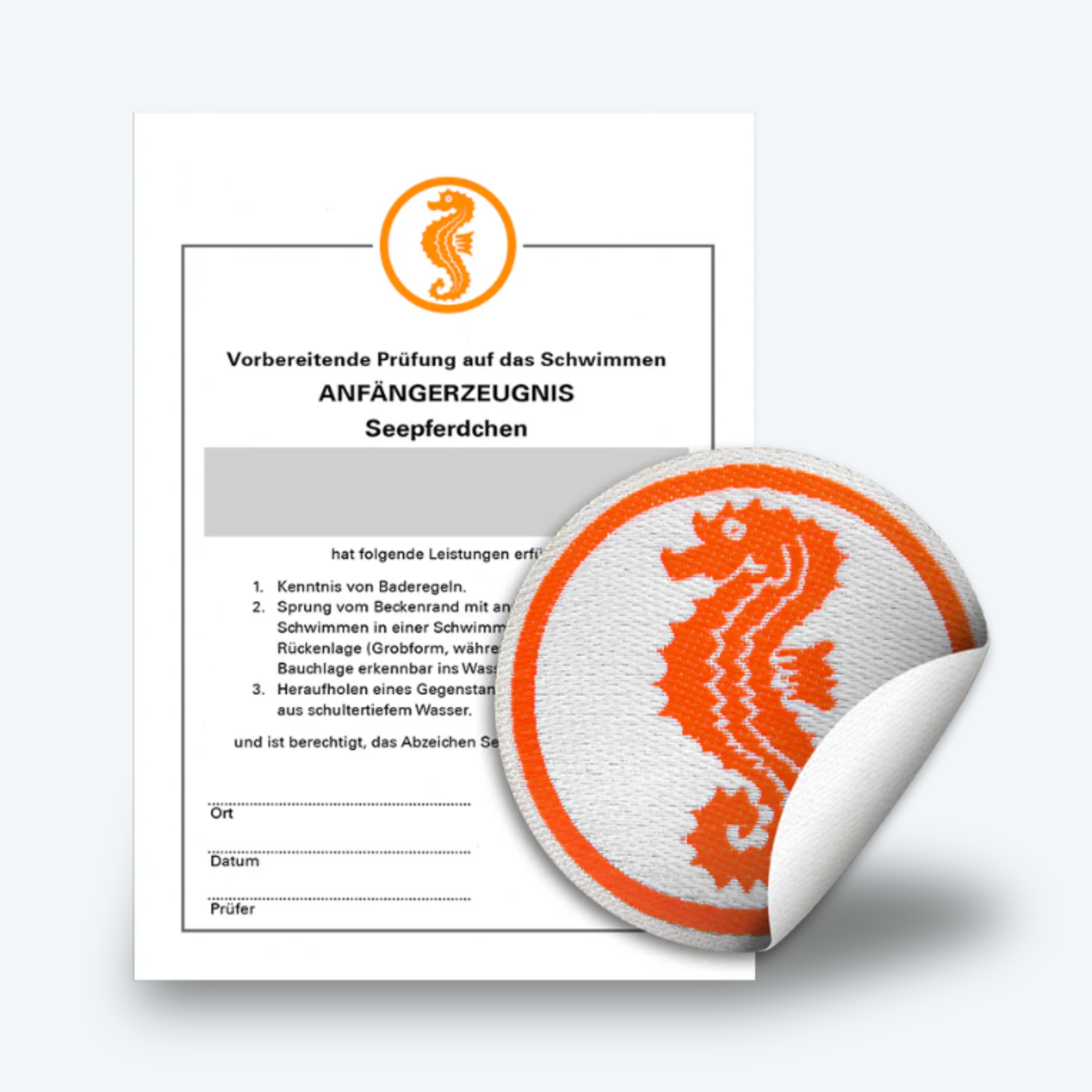
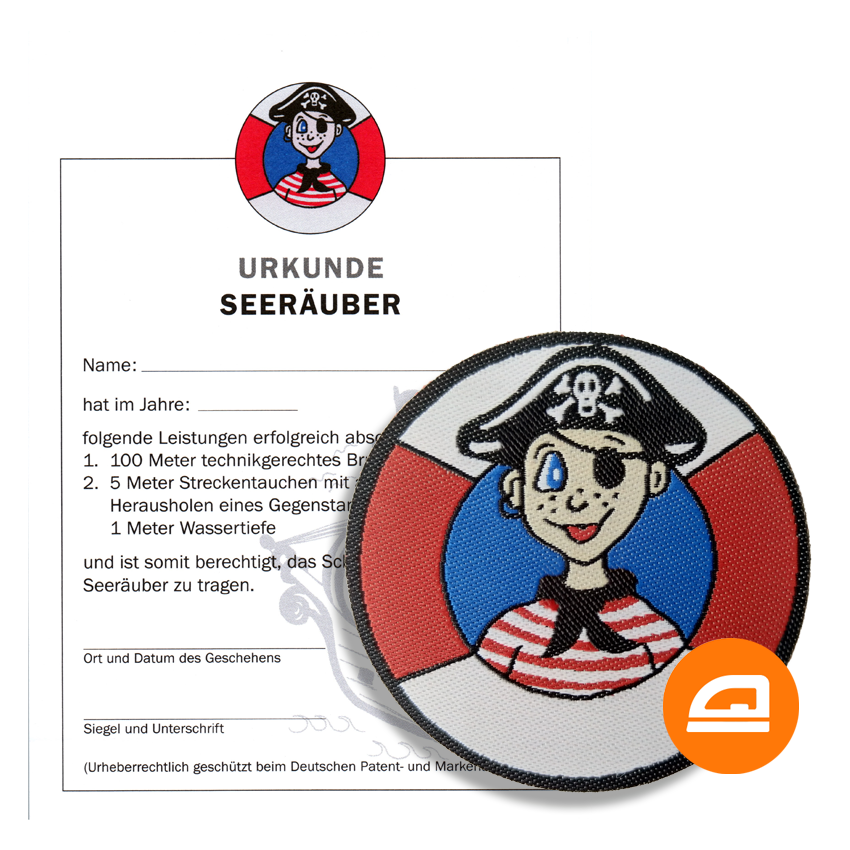
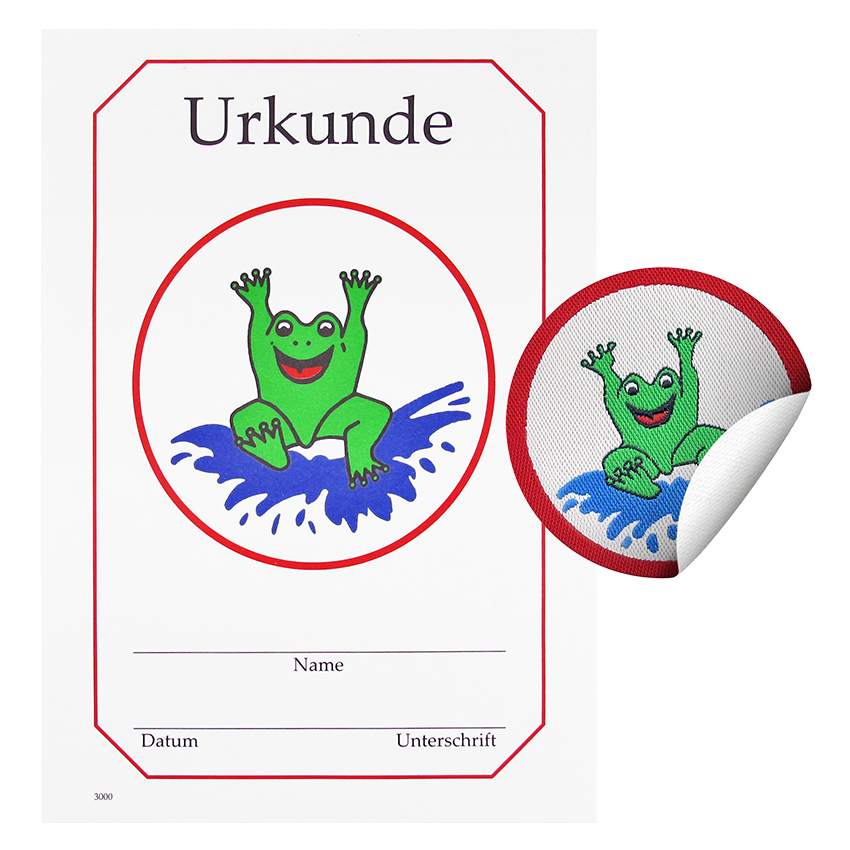
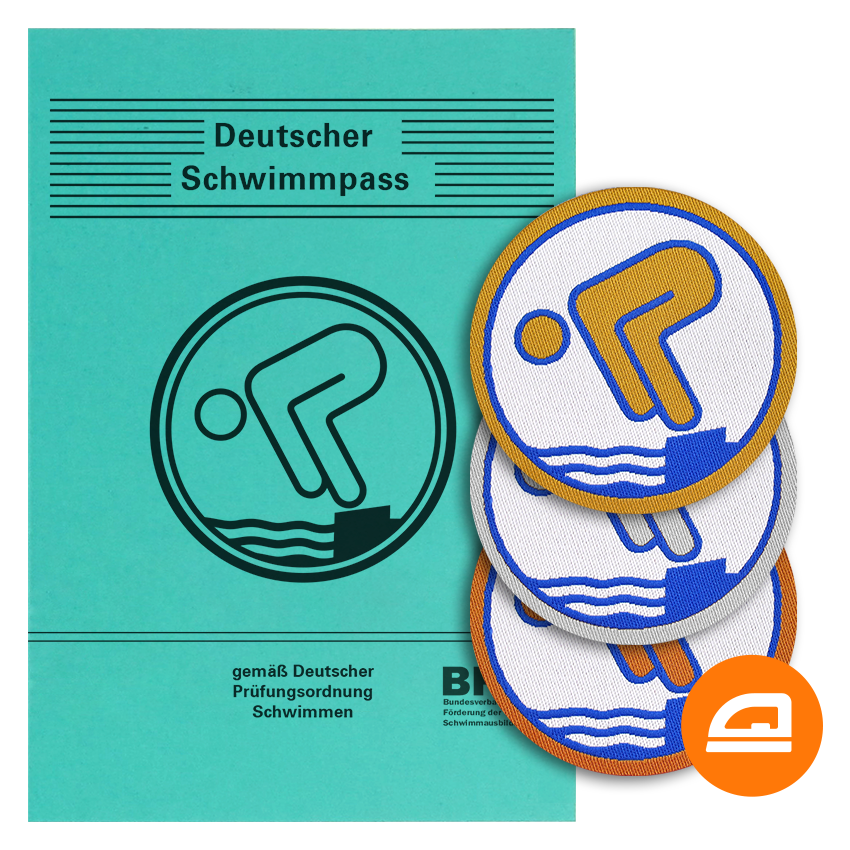
Praise and motivation play a central role. Children who receive recognition for small progress develop more self-confidence and joy in swimming. Swimming badges like the Seepferdchen (seahorse) serve as visible rewards and encourage them to continue. Celebrate every milestone, no matter how small it seems. This positive reinforcement shapes your child's attitude towards swimming in the long term.
Proven learning approaches include:
- Water familiarization through playful activities like splashing, diving for toys
- Practicing breathing techniques before introducing complex movements
- Step-by-step learning of arm and leg movements in shallow water
- Combining movements only when each one is mastered safely
Pro tip: Support what has been learned outside of the course as well. Regularly visit the swimming pool with your child and playfully practice what they have learned. Avoid pressure and let your child set the pace. Your patience and encouragement are just as important as professional guidance in the course.
A structured but flexible approach enables children to build confidence in their abilities. Instructors should be able to adapt their methods to the needs of individual children. Tips for child-friendly swimming lessons help you better understand and actively accompany the learning process.
Practical Swimming Accessories: What Really Helps Children?
The right choice of swimming accessories significantly supports safety and learning success. Not every product is suitable for every age or learning level. Parents should inform themselves before buying which aids are actually useful and which may do more harm than good.
Armbands are among the most well-known aids, but they have pros and cons. They provide quick buoyancy and give children a feeling of security. However, they promote an upright, unnatural water posture, which makes learning the horizontal swimming position difficult. Many experts therefore recommend using armbands only at the beginning and under supervision.
Swim vests distribute buoyancy more evenly over the body and support a flatter position in the water. They are particularly suitable for children who are already practicing initial swimming movements. The vest can gradually be equipped with fewer buoyancy elements so that the child gradually gets used to independent swimming.
| Swimming Aid | Advantages | Disadvantages | Recommended Age |
|---|---|---|---|
| Armbands | Easy to use, quick buoyancy | Unnatural water posture, delays horizontal swimming | 2-4 years |
| Swim Vest | Even buoyancy, adjustable | A little more expensive, requires proper adjustment | 3-6 years |
| Swim Noodle | Flexible to use, promotes self-activity | Requires instruction, not for beginners alone | from 4 years |
| Kickboard | Targeted training of leg movement | Only for advanced beginners | from 5 years |
When selecting, you should pay attention to test seals such as the GS mark or the CE marking. High-quality materials and clean workmanship are crucial for safety. Regularly check the condition of the swimming aids for cracks, holes, or decreasing buoyancy.
Other useful equipment includes:
- Goggles protect the eyes and make it easier to see underwater
- Swim cap keeps hair out of the face and reduces chlorine exposure
- Non-slip swim shoes prevent slipping at the edge of the pool
- Towel and bathrobe provide warmth after swimming
Pro tip: Invest in high-quality swimming aids that grow with your child or are adjustable. This saves money in the long run and ensures that your child is always optimally supported. Get advice from a specialist shop or swim school on which products are best suited for your child's current learning stage.
Comparison: Swimming Lesson Offers for Different Needs
The choice of course significantly influences children's learning success and safety in swimming lessons. Parents face the decision between group lessons and individual lessons, between swimming clubs and private providers. Each option has specific strengths and suits different needs.
Group lessons offer the advantage that children learn from each other and motivate each other. The social component strengthens self-confidence and often makes learning more playful. However, individual children receive less individual attention, and progress depends on the pace of the group. This can be challenging for children with particular fears or learning difficulties.
Individual lessons allow for tailored support. The instructor can fully concentrate on a child's needs and adjust the pace individually. This intensive support often leads to faster progress. The disadvantage lies in the higher costs and the lack of social dynamics that many children find motivating.
| Course Type | Advantages | Disadvantages | Costs | Duration |
|---|---|---|---|---|
| Group lessons (club) | Social learning, affordable, regular appointments | Less individual attention | €80-150 per course | 10-15 sessions |
| Group lessons (private) | Smaller groups, more flexible times | Higher costs than club | €150-250 per course | 8-12 sessions |
| Individual lessons | Maximum individuality, faster progress | Expensive, no group dynamic | €30-50 per session | As needed |
| Intensive course (holiday) | Quick start, concentrated learning | High workload, little repetition | €200-350 per week | 5-10 days |
Swimming clubs often work according to proven curricula and have access to qualified trainers. Membership offers long-term support and the opportunity to continue after the beginner's course. Private providers score with flexibility and modern approaches but can be more expensive. Effective communication with parents is important in both structures for learning success.
Checklist for your course decision:
- Check instructor qualifications (DLRG, BFS, or comparable certificates)
- Inquire about group size (ideal: maximum 8 children per trainer)
- Clarify course duration and frequency of sessions
- Transparently compare costs, including materials and examination fees
- Clarify flexibility for schedule changes or illness
- Obtain references and reviews from other parents
- Take a trial lesson or taster session
Pro tip: Visit several providers before making a decision. Observe how instructors interact with children, what the atmosphere is like, and whether your child feels comfortable. Gut feeling is often a good guide. A child who feels safe and welcome learns faster and with more joy.
How We Support Parents and Children in Learning to Swim
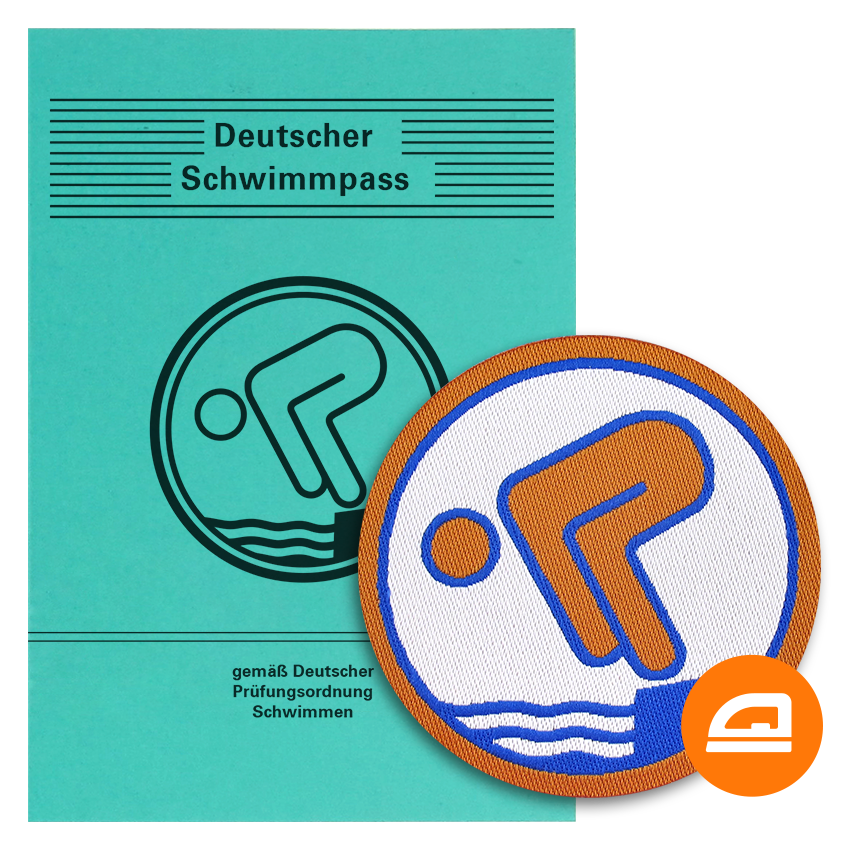
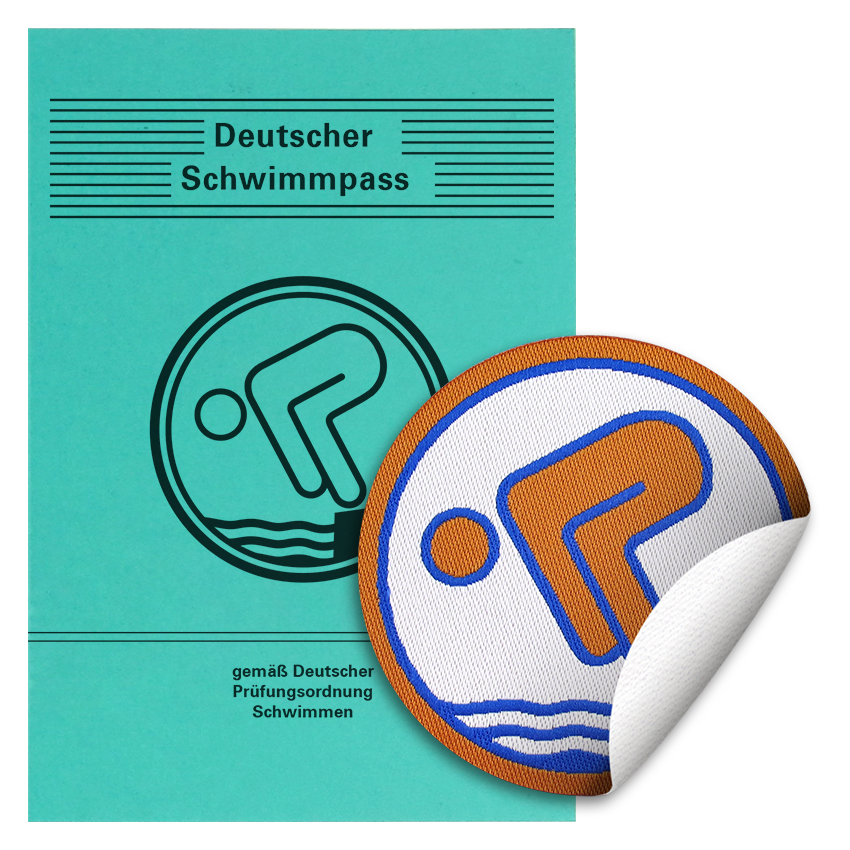
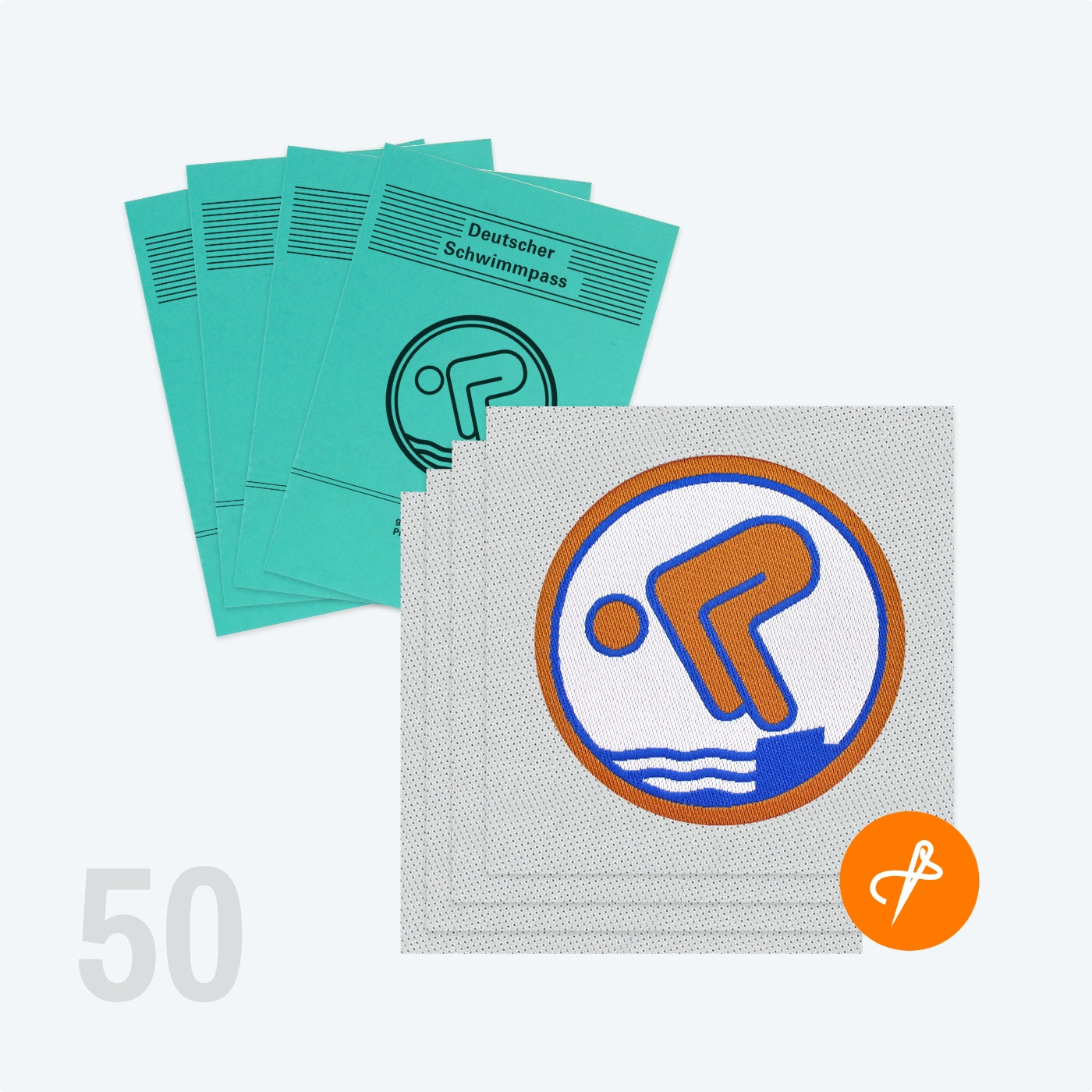
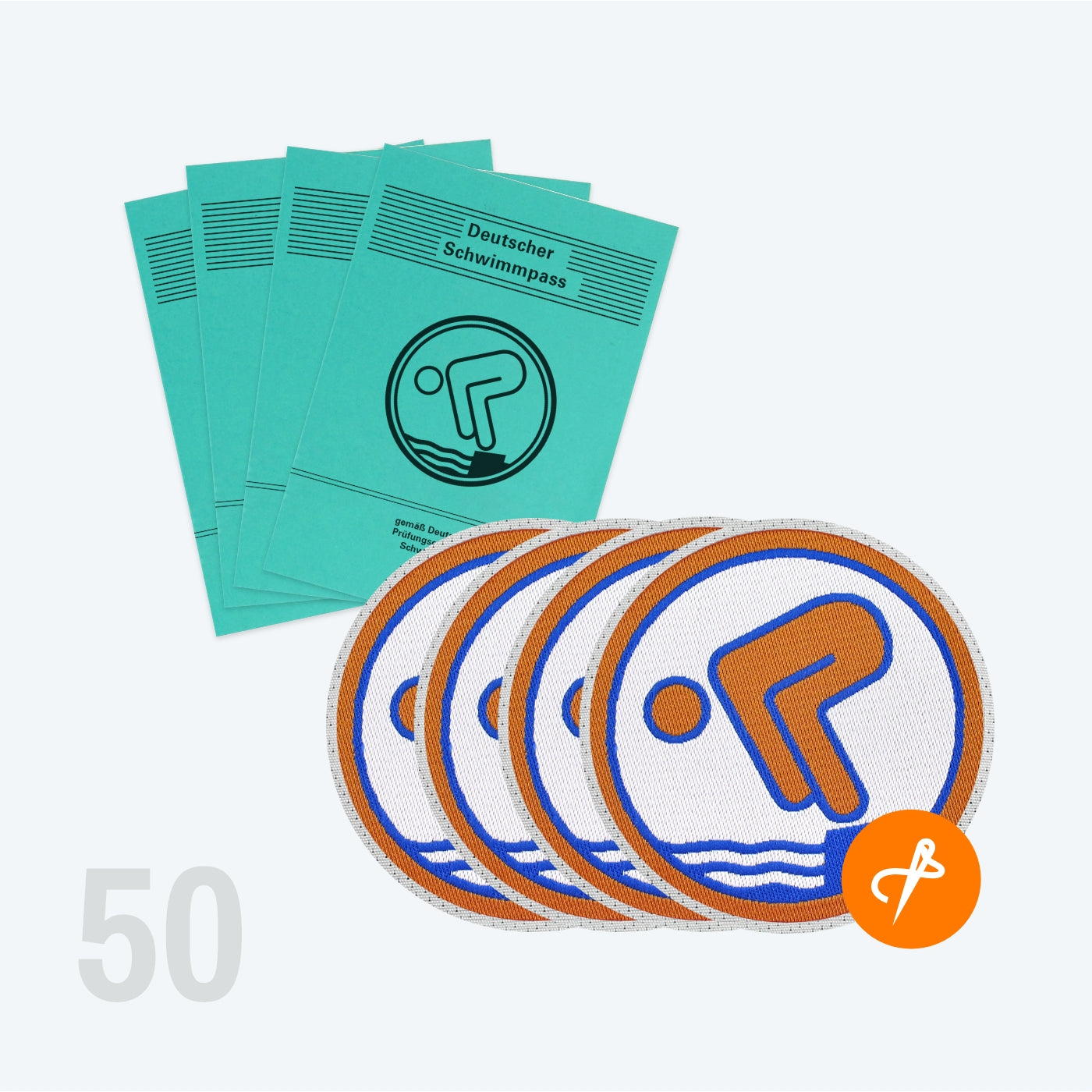
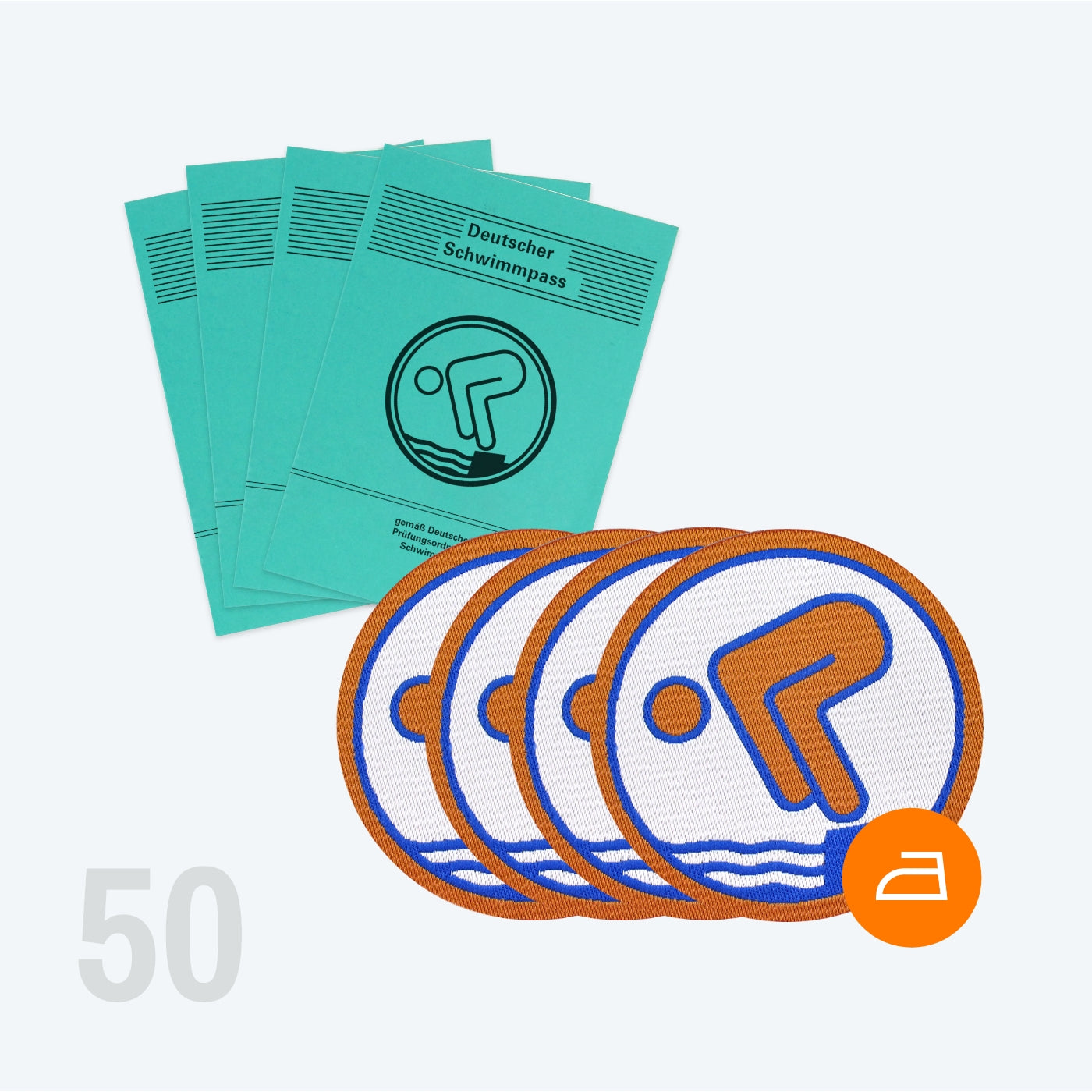
At Pimpertz, we understand how important motivation and recognition are for children. Our range of swimming badges offers original certified badges from Seepferdchen (seahorse) to performance swimming plaques, making every progress visible. High-quality certificates and swim passes document your child's achievements and create lasting memories.
Our swimming accessories include waterproof badge cases, collection albums, and collector cards that make collecting and pride an experience. As an official partner of DLRG and BFS, we guarantee the highest quality and officially recognized seals of approval. With over 38 years of experience and lightning-fast shipping within 1-2 business days, we are your reliable partner on the way to safe swimming skills.
Frequent Questions from Parents About Swimming Lessons
How can I reduce my child's fear of water?
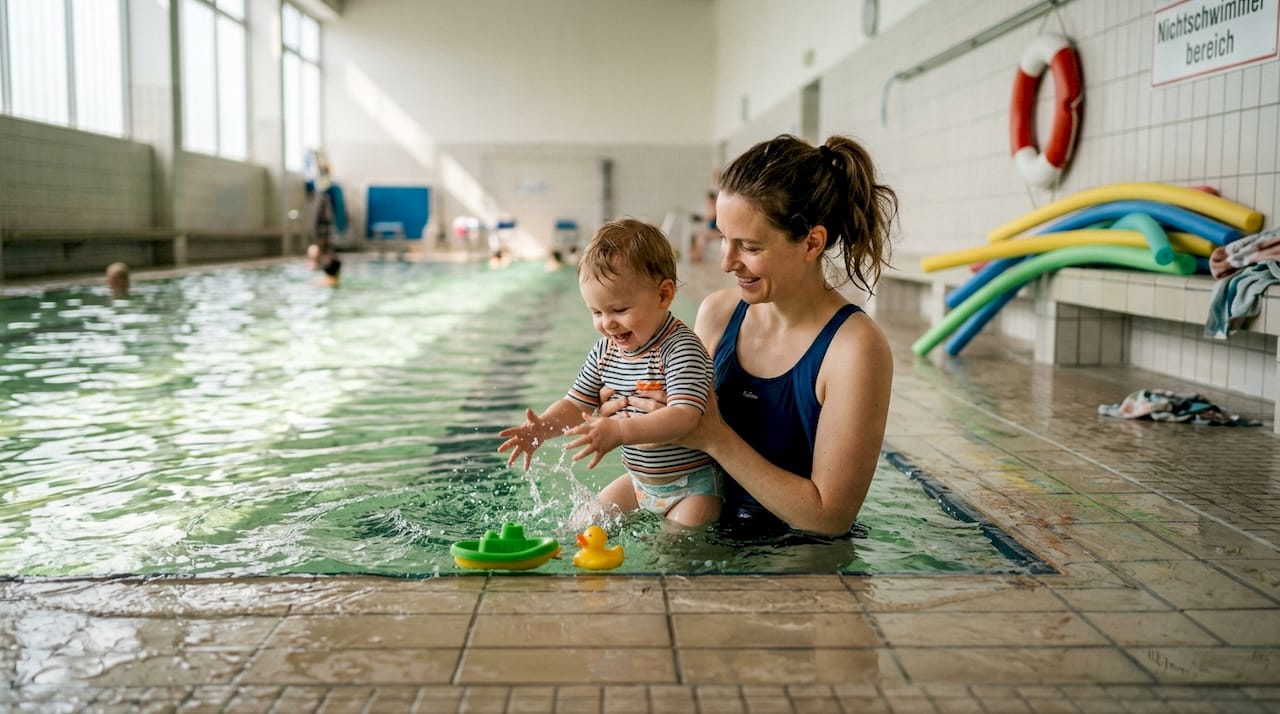
Start with playful activities at home, such as bathing with toys in shallow water. Never force your child, but let them build confidence at their own pace. Positive experiences and patience are key. A sensitive instructor recognizes fears and addresses them specifically.
Which swimming aids are recommended for beginners?
For the first steps, armbands or swim vests are suitable, depending on age and developmental stage. It is important that the aids are tested and safe. Let the swim school advise you on which products match the current learning level. Gradually reduce the aids as soon as your child masters initial swimming movements.
How can I communicate clearly and constructively with swimming instructors as a parent?
Open communication between parents and instructors is crucial. Regularly ask about progress and share observations from everyday life. Be respectful and solution-oriented when problems arise. Joint discussions build trust and help find individual solutions.
When is the best time to start swimming lessons?
Most children are motorically and emotionally ready for structured swimming lessons from the age of four. Some children also benefit from water familiarization courses earlier. Learning to swim safely from 4 years gives you concrete tips on the optimal starting time. Observe your child's readiness and do not let external expectations pressure you.
How do I recognize the right swimming course for my child?
Look for qualified instructors, manageable group sizes, and a positive, empathetic atmosphere. Use trial lessons to get your own impression. Your child should feel comfortable and show joy. Compare several providers and listen to recommendations from other parents, but ultimately decide based on your child's individual needs.