
Seahorse Badge: The perfect start to swimming for children
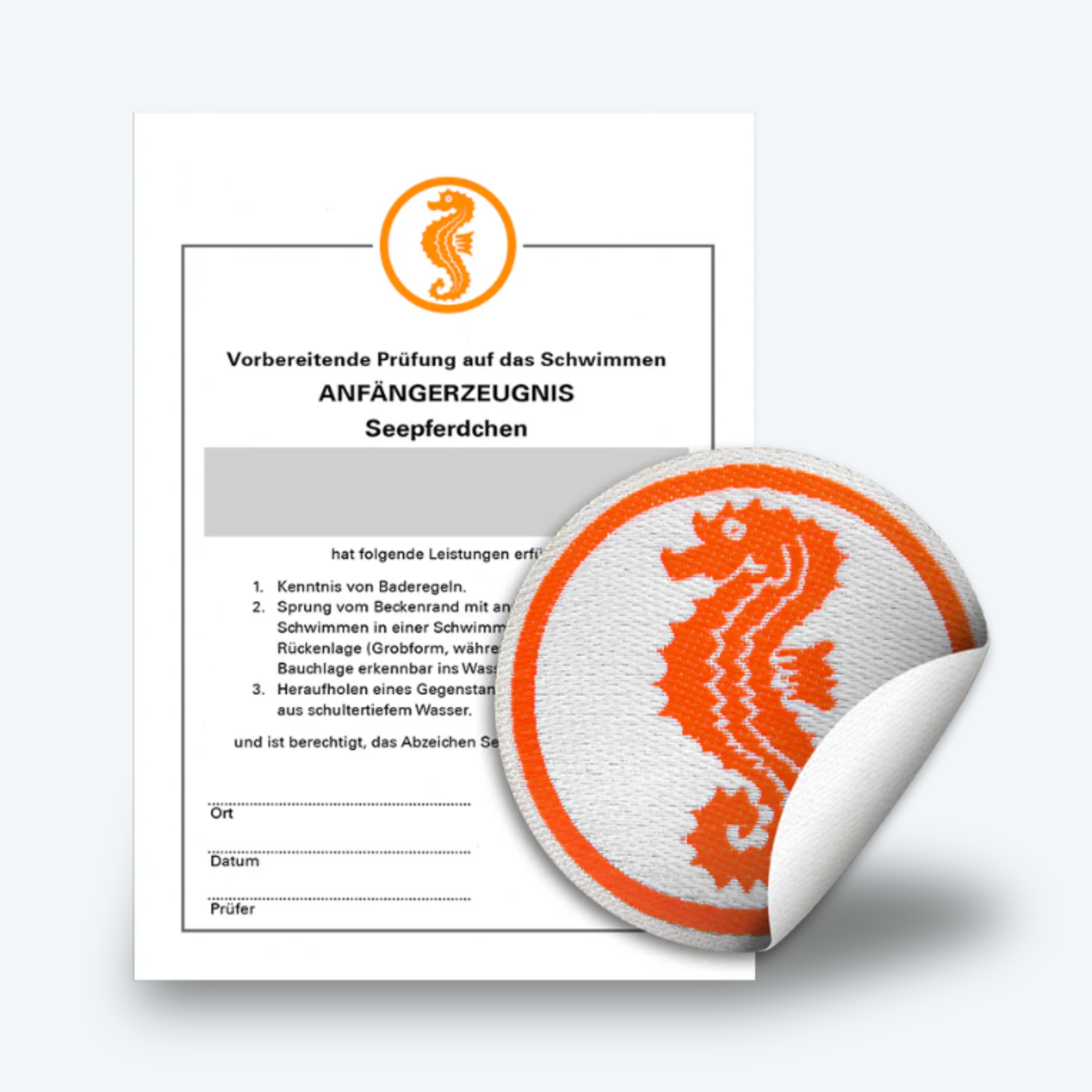
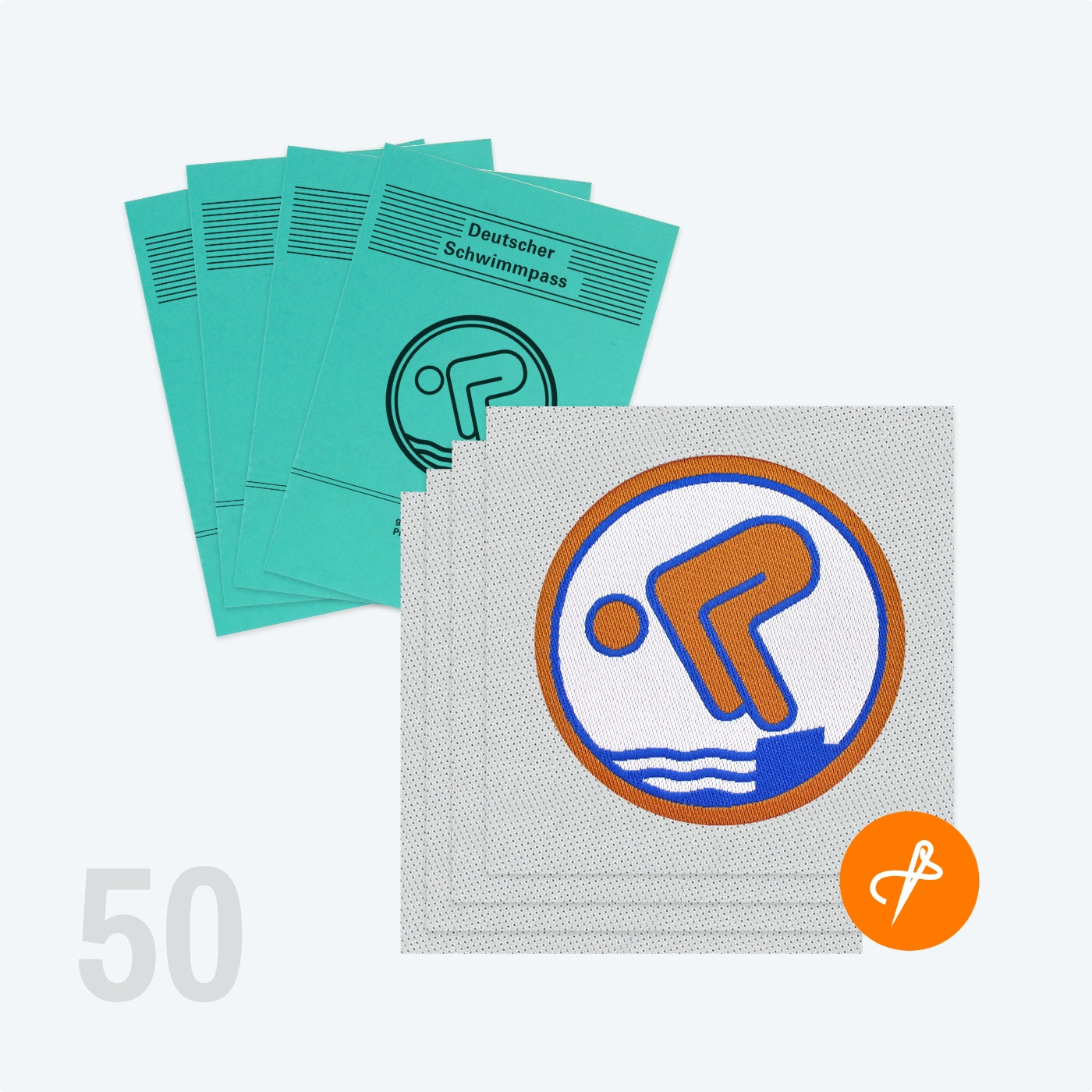
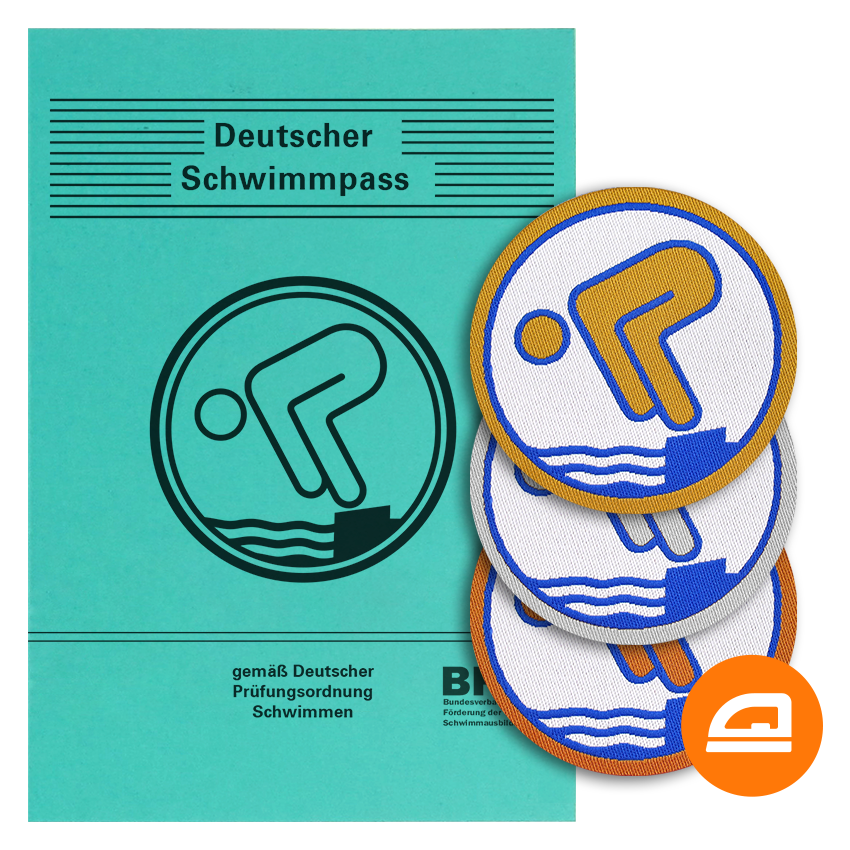
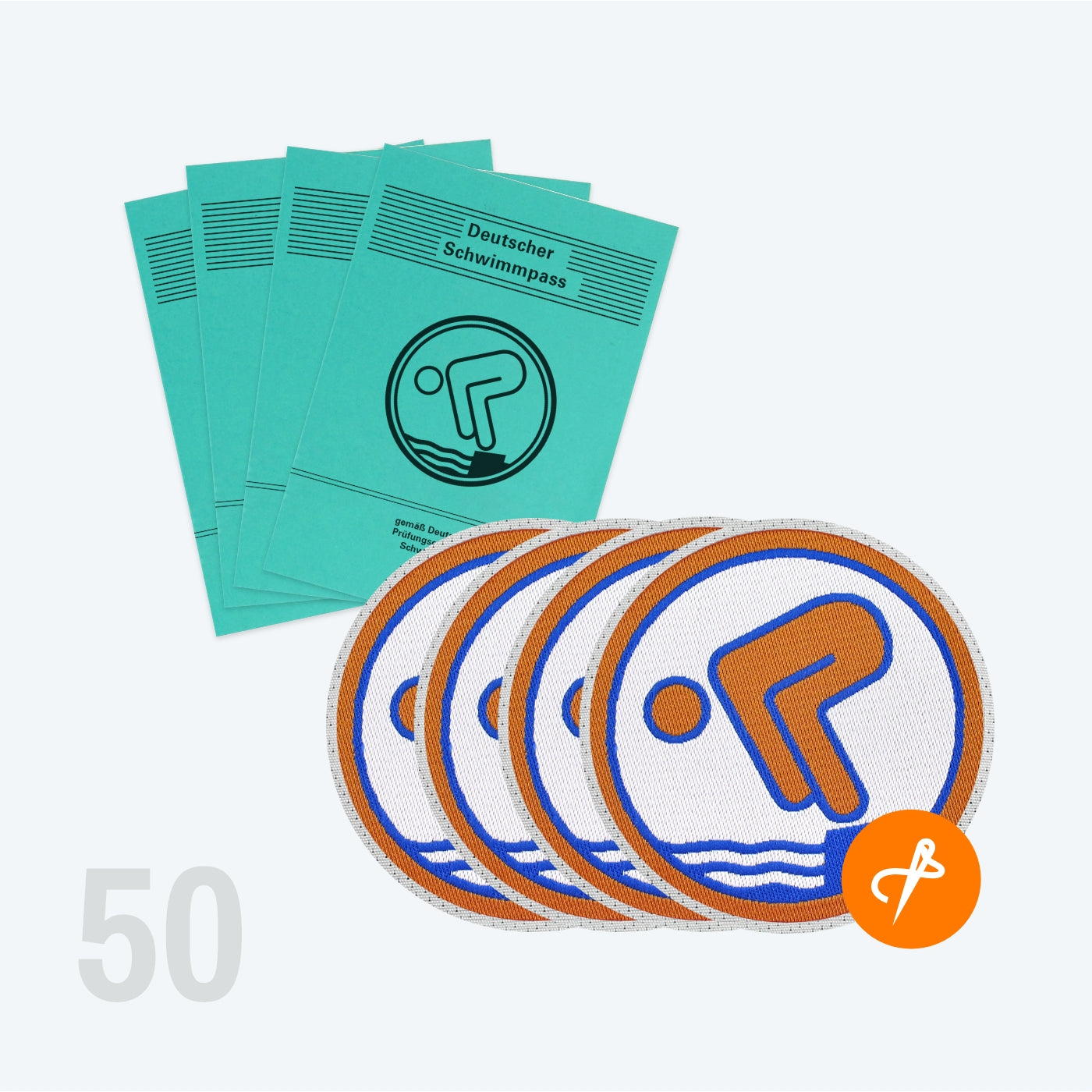
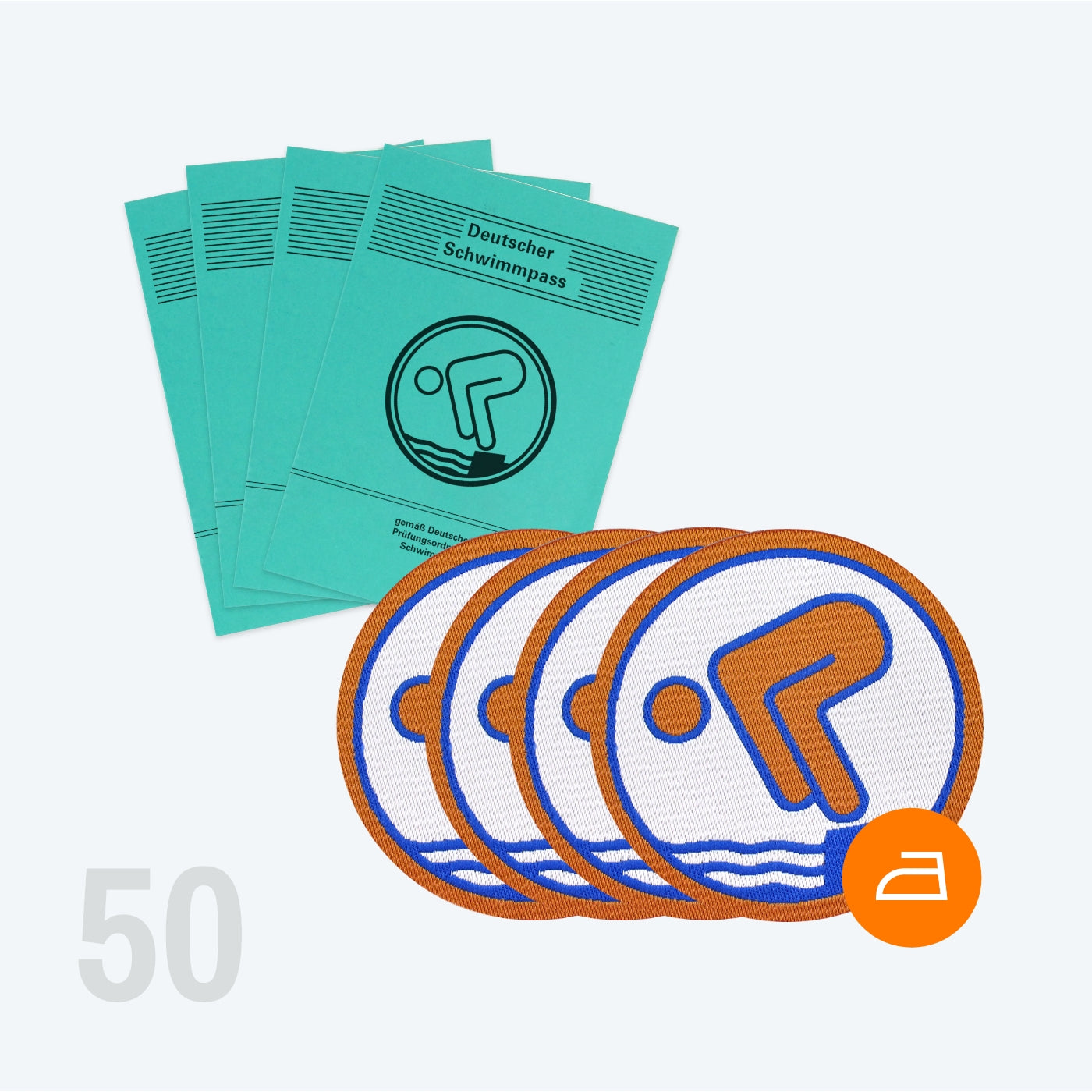
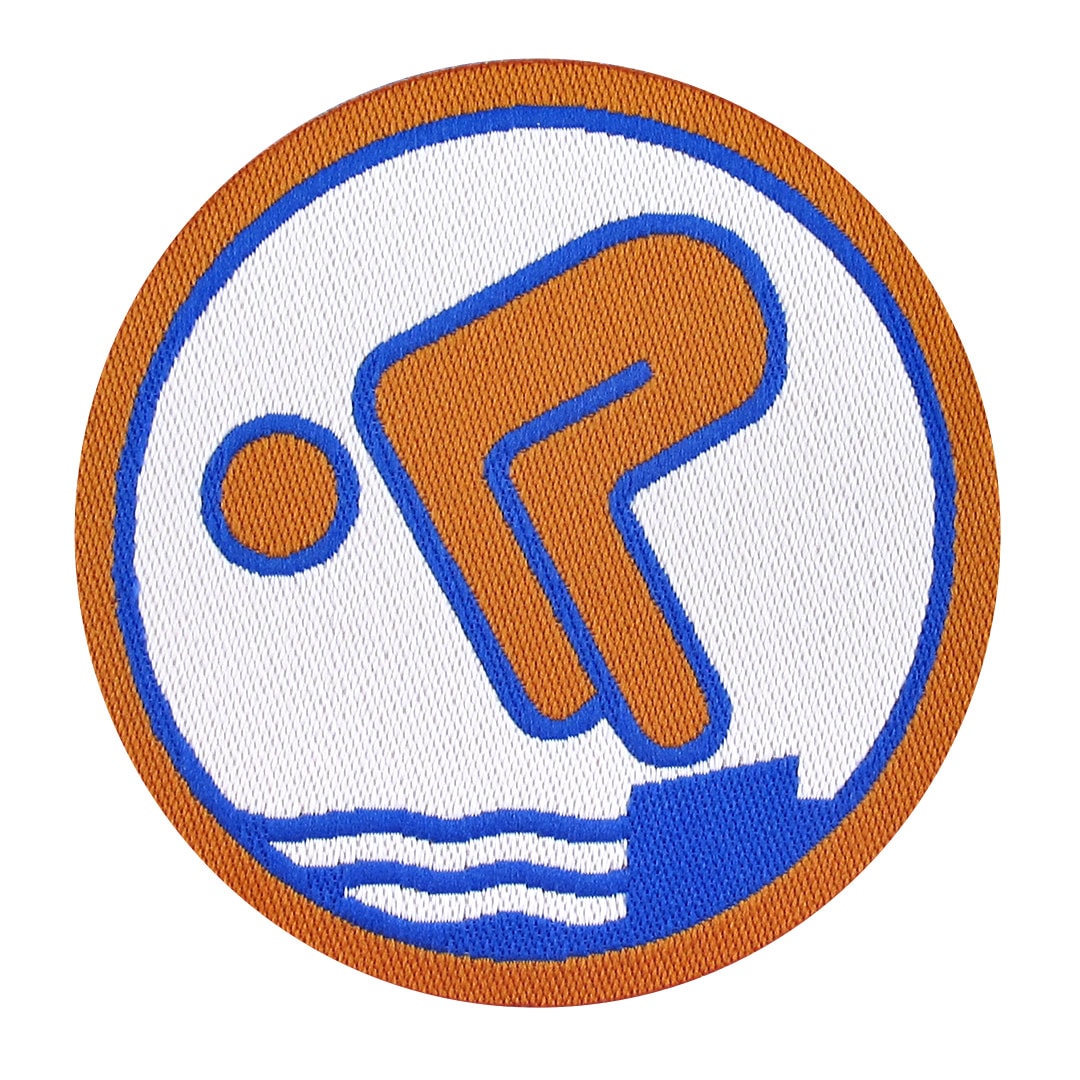
For many children in Germany, the Seahorse badge is the first major success in the water and an important milestone on the way to safe swimming. Officially known as the early swimmer badge, it is recognized by the German Life Saving Society (DLRG) and other associations united in the Federal Association for the Promotion of Swimming Education. The Seahorse swimming badge is considered an official early swimmer badge and is the first proof for many children of being a beginner swimmer. It marks the beginning of a swimming career that ideally leads through further swimming badges such as Bronze, Silver, and Gold. Frequently, the Seahorse badge is sewn as a motivational symbol on swimsuits, swimming trunks, or towels.
Despite its significance as a first milestone, it is important to understand: the Seahorse is not yet proof of safe swimming. It merely shows that a child has become accustomed to the water and has acquired initial basic swimming skills. Children who receive the Seahorse badge are often celebrated as little heroes.
In this article, you will learn everything you need to know about the Seahorse badge – from the requirements to preparation and its significance for your child's swimming safety.
Requirements for the Seahorse Badge
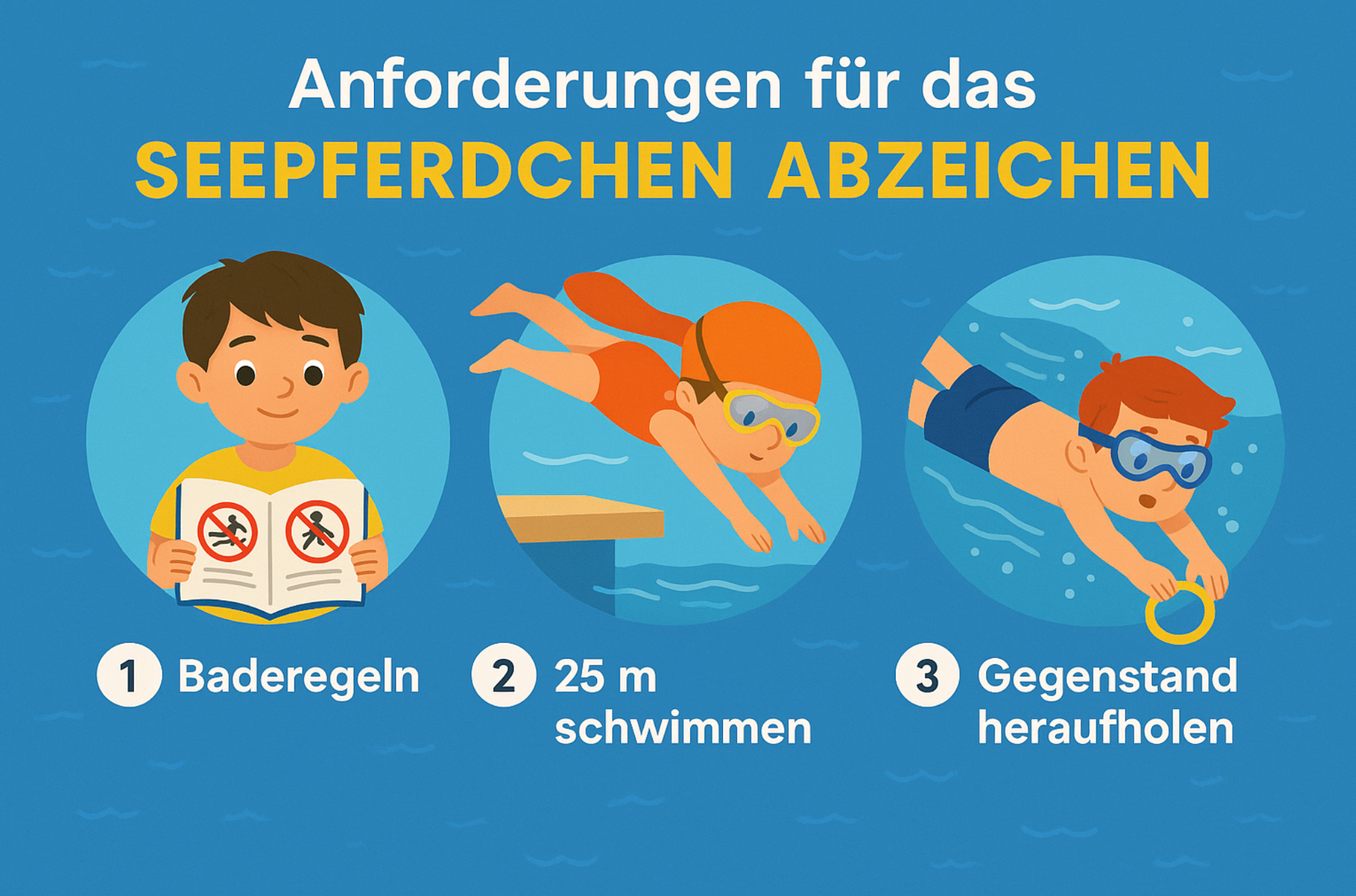
To acquire the Seahorse badge, children must fulfill three basic examination requirements. These are laid down in the "German Swimming Examination Regulations" and have been in force since January 1, 2020:
-
Knowledge of bathing rules: The child must know the most important rules for safe handling of water.
-
Jump from the edge of the pool followed by 25 m swimming in a prone or supine swimming style. The jump also serves to simulate a fall into the water to test the ability to swim independently to the edge of the pool after an unintentional fall. The child must perform the swimming style in a recognizable rough form and visibly exhale into the water while swimming on their stomach.
-
Retrieving an object with the hands from shoulder-deep water (shoulder-depth relative to the examinee). Retrieving an object is an important safety exercise that promotes swimming competence and the ability to act in an emergency.
During the examination, it is not crucial which swimming style the child uses to cover the distance. The important thing is that they complete the 25 meters without a break or help and reach the edge of the pool. The swimming style only needs to be performed in a recognizable rough form.
It should be emphasized that the performance requirements are identical for adults and children. Up to the age of 17, the early swimmer badge (Seahorse) is awarded; from 18 years, the beginner's certificate for adults is given, although the achievements to be made are the same.
Preparation for the Exam
The best preparation for the Seahorse exam is participation in a structured swimming course under professional guidance. Swimming schools specifically train children and offer optimal education and preparation for the Seahorse exam. These courses are offered by various organizations, including the DLRG, swimming clubs, municipal swimming pools, and private swimming schools. Here, children receive all the important information they need to successfully acquire the Seahorse badge.
Course Contents of the Swimming Courses
In these courses, children learn:
-
To familiarize themselves with the water and overcome any fear
-
The basic swimming technique in prone or supine position
-
Diving and retrieving objects
-
The most important bathing rules for safety in the water
Suitable Locations for Training
A suitable location, such as a well-equipped swimming pool, is crucial for children to learn to swim safely and effectively and to take the examination.
Optimal Age for Starting Swimming
The optimal age for starting to learn to swim varies individually. Generally, it is recommended that children can begin systematic swimming lessons from about four years of age, provided they have the necessary physical and cognitive maturity.
Parental Support
Parents can support the preparation by regularly taking their children to the swimming pool and playfully carrying out initial exercises:
-
Water acclimatization through games in shallow water
-
Breathing and diving exercises (e.g., blowing objects on the water surface)
-
First gliding exercises with support
-
Exercises for jumping into the water from the edge of the pool
Duration of Preparation
Depending on the child and individual learning progress, preparation for the Seahorse can take several months. It is important that the child learns without pressure and with joy.
Safety in the Water
A common misconception is that children with the early swimmer badge can already swim safely. The DLRG expressly emphasizes: "Regardless of age: The early swimmer badge (Seahorse) is not yet proof of safe swimming."
Statistics show: Before the COVID-19 pandemic, about 77% of German primary school children had the Seahorse badge, but only about 40% of 6- to 10-year-olds could actually swim safely. This discrepancy illustrates that the Seahorse is not considered proof of safe swimming.
For parents, therefore, a watchful eye on their offspring when playing in or near the water remains a duty to prevent bathing accidents. The duty of supervision remains even after acquiring the Seahorse.
In addition to practical skills, it is equally important that children acquire the necessary knowledge of bathing rules and basic safety techniques to protect themselves and others in the water.
Important safety aspects include:
-
Continuous supervision of children in the water
-
Continuation of swimming training beyond the Seahorse
-
Regular practice and consolidation of swimming skills
-
Observance of bathing rules and safety instructions at bodies of water
The Role of Parents
Parents play an important role in their child's swimming education – from getting used to the wet environment to well beyond the Seahorse badge. Even before the first swimming lesson, children should be playfully introduced to water to reduce fears. A positive attitude towards water and no pressure are crucial.
Choose qualified swimming courses with trained teachers and appropriate group sizes. Support your child by regularly practicing with them in addition to the course, strengthening their motivation, and explaining the bathing rules.
After acquiring the Seahorse, supervision is still necessary. The swimming badge is the first milestone, not proof of safe swimming. Encourage your child to acquire further swimming badges such as Bronze, Silver, and Gold and to improve their swimming skills.
Many parents overestimate the significance of the Seahorse and their child's swimming competence. This misjudgment can lead to dangerous situations in boating and ice accidents if children are not adequately supervised.
The Different Age Groups
The Seahorse badge introduces children to swimming early. The DLRG recommends starting water familiarization at around 4 years of age and attending targeted swimming courses from about 5 years of age.
Every child learns at their own pace: Younger children benefit from playful water familiarization, older children practice specific techniques and requirements. This makes the entry into swimming positive and motivating.
An age-appropriate swimming course lays the foundation for a successful swimming career and makes the Seahorse badge an important milestone.
The Different Swimming Techniques
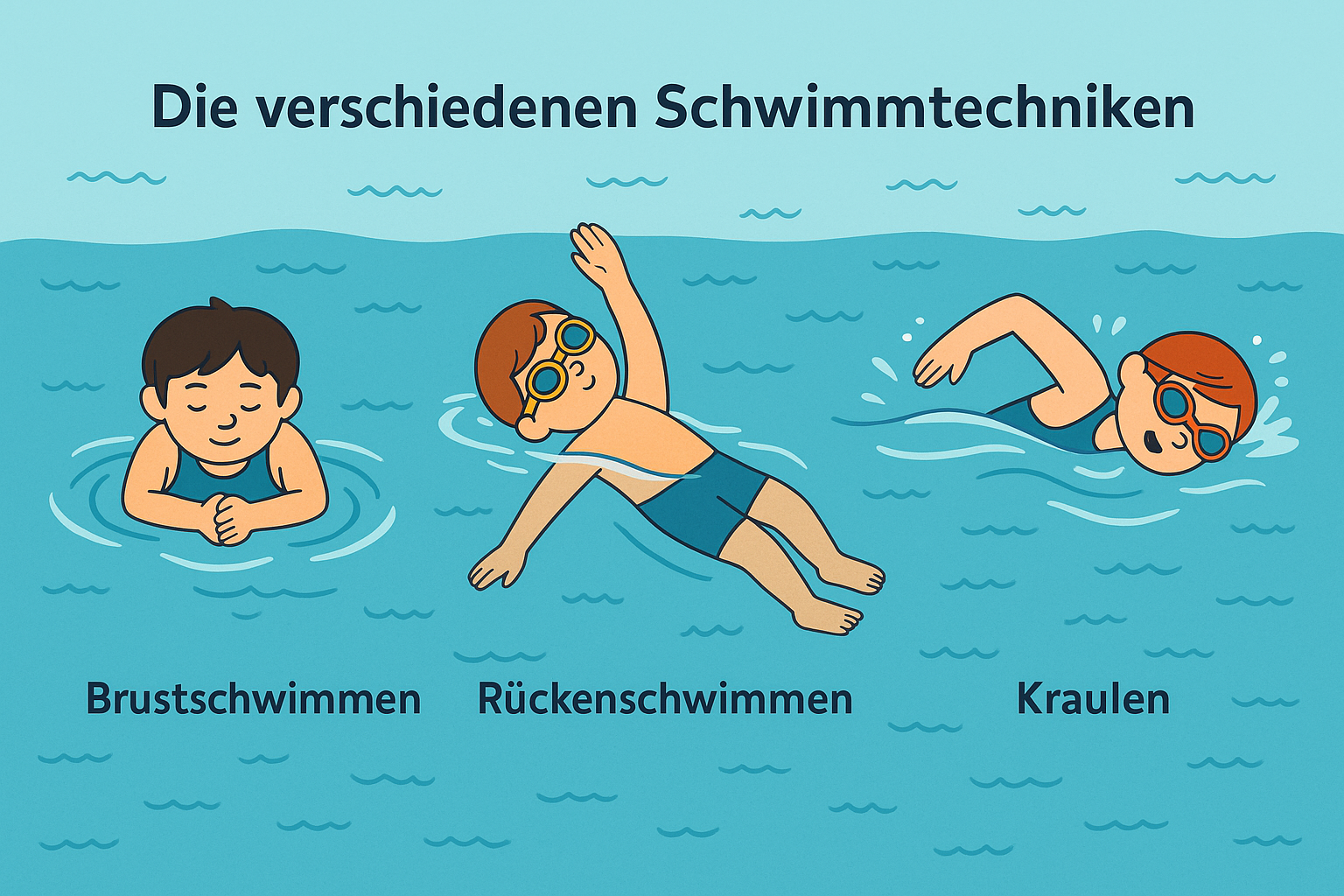
To learn to swim safely, it is important to master various swimming techniques. Already with the Seahorse badge, children learn the basics of swimming in the prone or supine position. The best-known swimming techniques taught later are breaststroke, backstroke, and crawl. Each technique places its own demands on coordination, breathing, and movement sequences.
Breaststroke is often the first swimming style children learn in a course, as it offers a good overview and is relatively easy to learn. Backstroke promotes body position and confidence, while crawl provides speed and endurance for the examinee. The Seahorse badge forms the basis on which children build these techniques.
By learning various swimming techniques, children develop versatile skills and become safe swimmers. The variety ensures change and motivates them to continuously improve their abilities.
The Importance of Practice and Training
Regular practice and targeted training are a crucial reason for children to become safe swimmers. The DLRG recommends that children not only practice regularly during swimming lessons but also beyond, in the water, to consolidate their skills and knowledge. Continuous training automates movement sequences, strengthens self-confidence in the water, and ensures that the requirements for the early swimmer badge are met safely.
Practice, training, and practical experience help children optimally prepare for the tests and performances required for the Seahorse. These include swimming in the prone or supine position, retrieving an object from shoulder-deep water, and safely performing a jump from the edge of the pool.
Beyond Swimming Badges
The System of Swimming Badges in Germany
The system of swimming badges in Germany is hierarchically structured and offers a clear progression from beginner to advanced swimmer. After the Seahorse, Bronze, Silver, and Gold as early swimmer badges, the Bronze, Silver, and Gold swimming badges follow, each with increasing requirements. Since January 1, 2020, there is no longer a distinction between youth swimming badges and general swimming badges – the categories have been merged so that all age groups can acquire the same swimming badges.
The Seahorse: The First Milestone
The Seahorse is the first official early swimmer badge and marks the entry into swimming education. It shows that a child has acquired basic swimming skills and has become accustomed to the element.
Bronze Swimming Badge: Proof of Safe Swimming
Bronze Swimming Badge (formerly also called "Freischwimmer") is the next important step after passing the Seahorse. It places significantly higher demands and is considered the first proof of safe swimming. Requirements typically include:
-
Jump from the edge of the pool and at least 200 m swimming in a maximum of 15 minutes
-
2 meters deep diving from the edge of the pool with retrieving an object
-
Knowledge of bathing rules and behavior in case of bathing accidents
Silver and Gold Swimming Badges: Advanced Skills
The further swimming badges in Silver and Gold build on this and require longer swimming distances, diving abilities, and additional knowledge and skills in self-rescue and rescue of others.
Motivation through the Continuous Acquisition of Swimming Badges
The continuous acquisition of the various swimming badges motivates children to constantly improve their swimming skills and at the same time offers measurable progress. Each badge marks a milestone in swimming education and recognizes the achievements made.
Regular Swimming as a Lifelong Activity
Beyond the badges, regular swimming is an important step to maintain and improve acquired skills. Swimming should ideally become a lifelong activity that serves both safety and health and well-being.
Conclusion
The Seahorse badge is an important first step towards safe swimming, but it should not be seen as an endpoint, but rather as motivation for further swimming education and obtaining additional swimming badges. It shows that a child has overcome the first hurdles and is ready to further develop their skills in the water.
It is important for parents to understand the meaning and limitations of the Seahorse. Despite receiving the swimming badge, children still require supervision in the water and continuous support in improving their swimming skills.
Inform yourself about swimming courses and camps in your area and register your child early to lay the foundation for successful swimming development. Regularly visit the swimming pool with your child to consolidate the learned skills and promote the joy of swimming. Also, pay attention to the correct address of the swimming school or swimming pool to ensure good accessibility and suitable training conditions.
With the acquisition of the Seahorse badge, children have reached a first important milestone – support them in continuously improving their swimming skills and becoming real, safe swimmers.
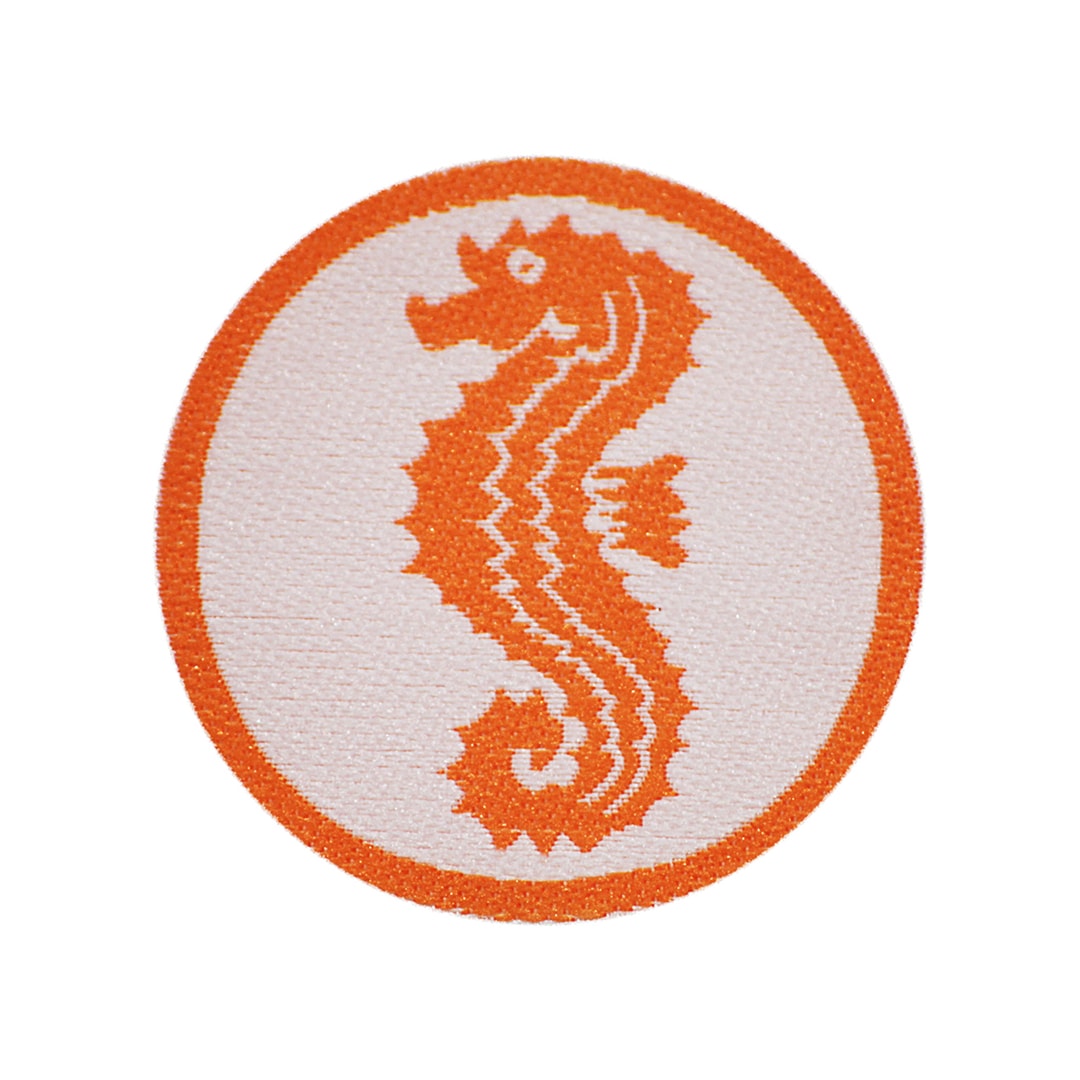
Seahorse Swimming Badge
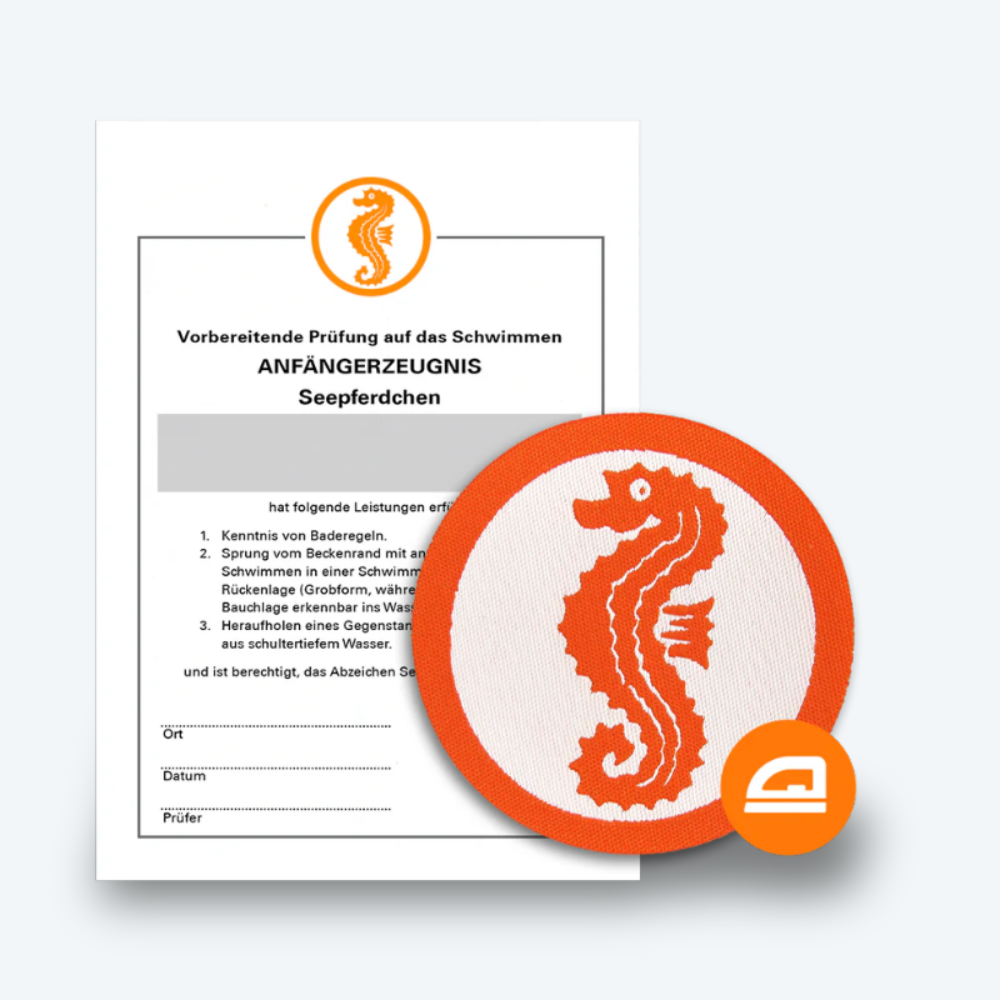
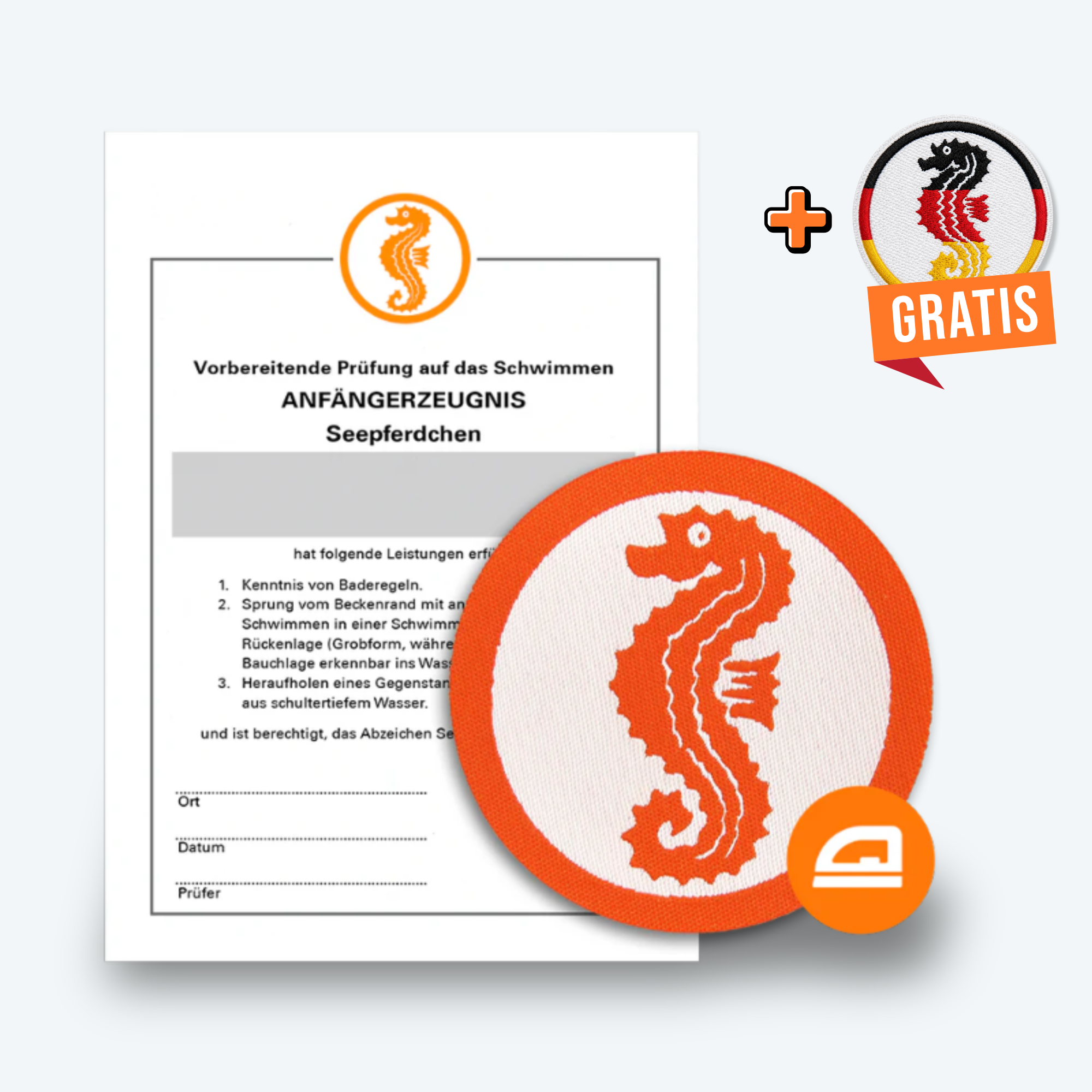
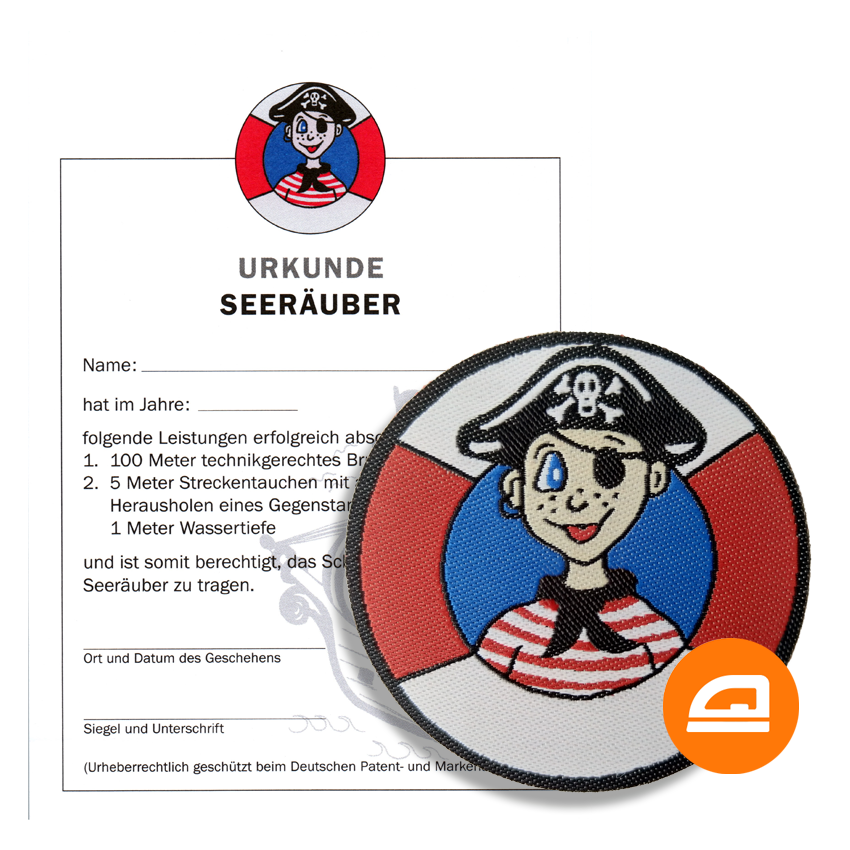
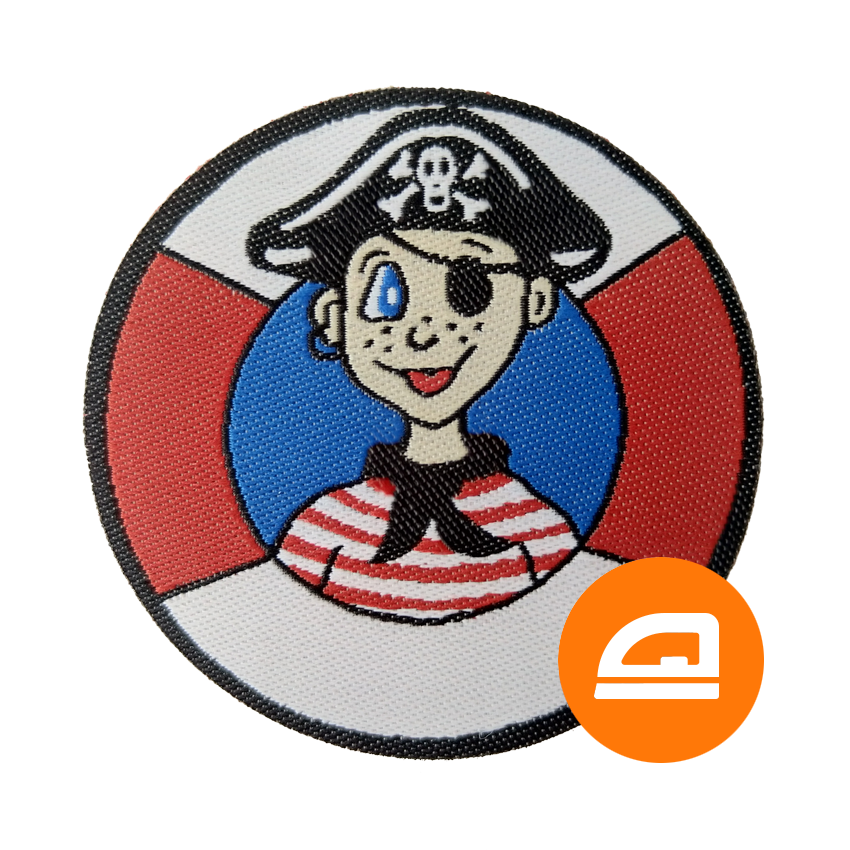
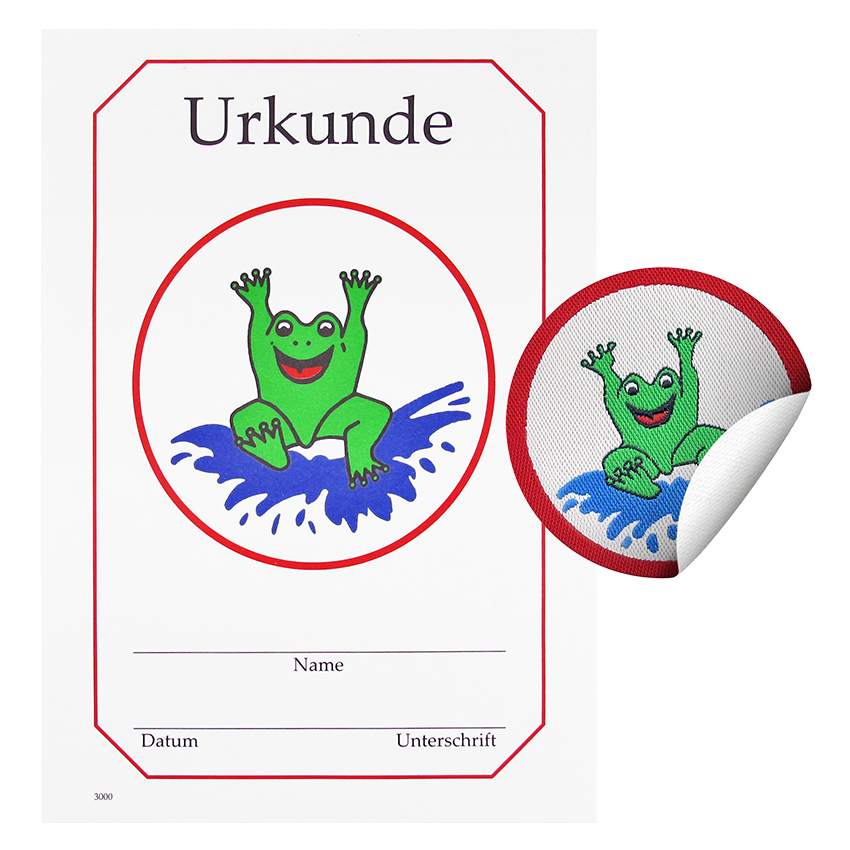
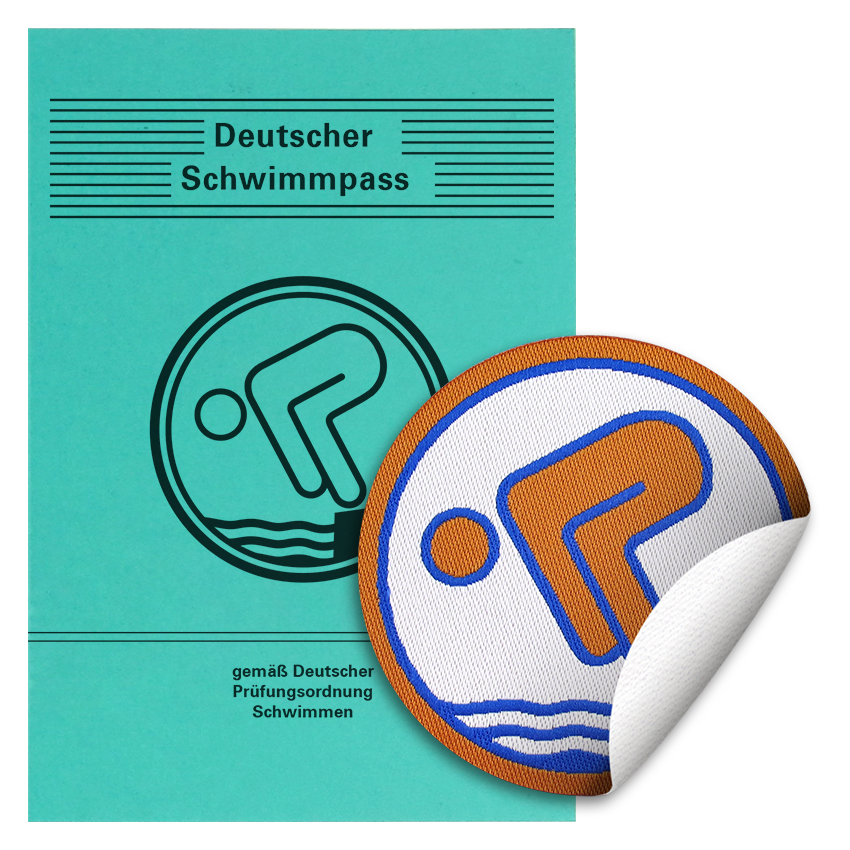
The Seahorse badge is the first official swimming badge for early swimmers. It motivates children to master the basics of safe swimming and visibly rewards them with a colorful badge that can be sewn on, glued on, or ironed on.
Bronze Swimming Badge
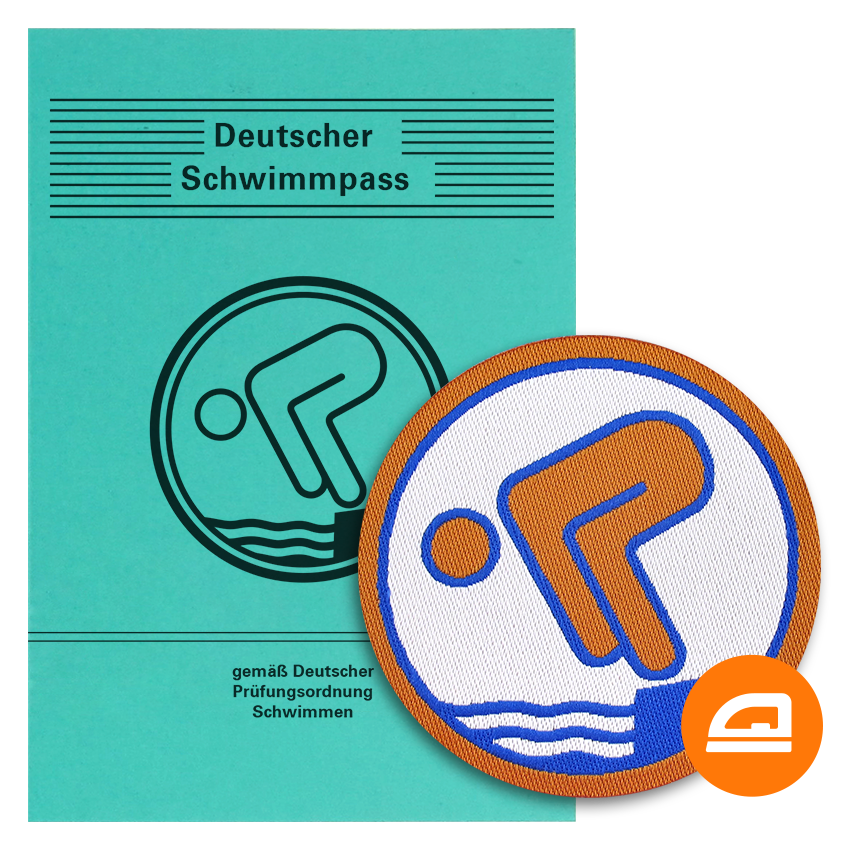
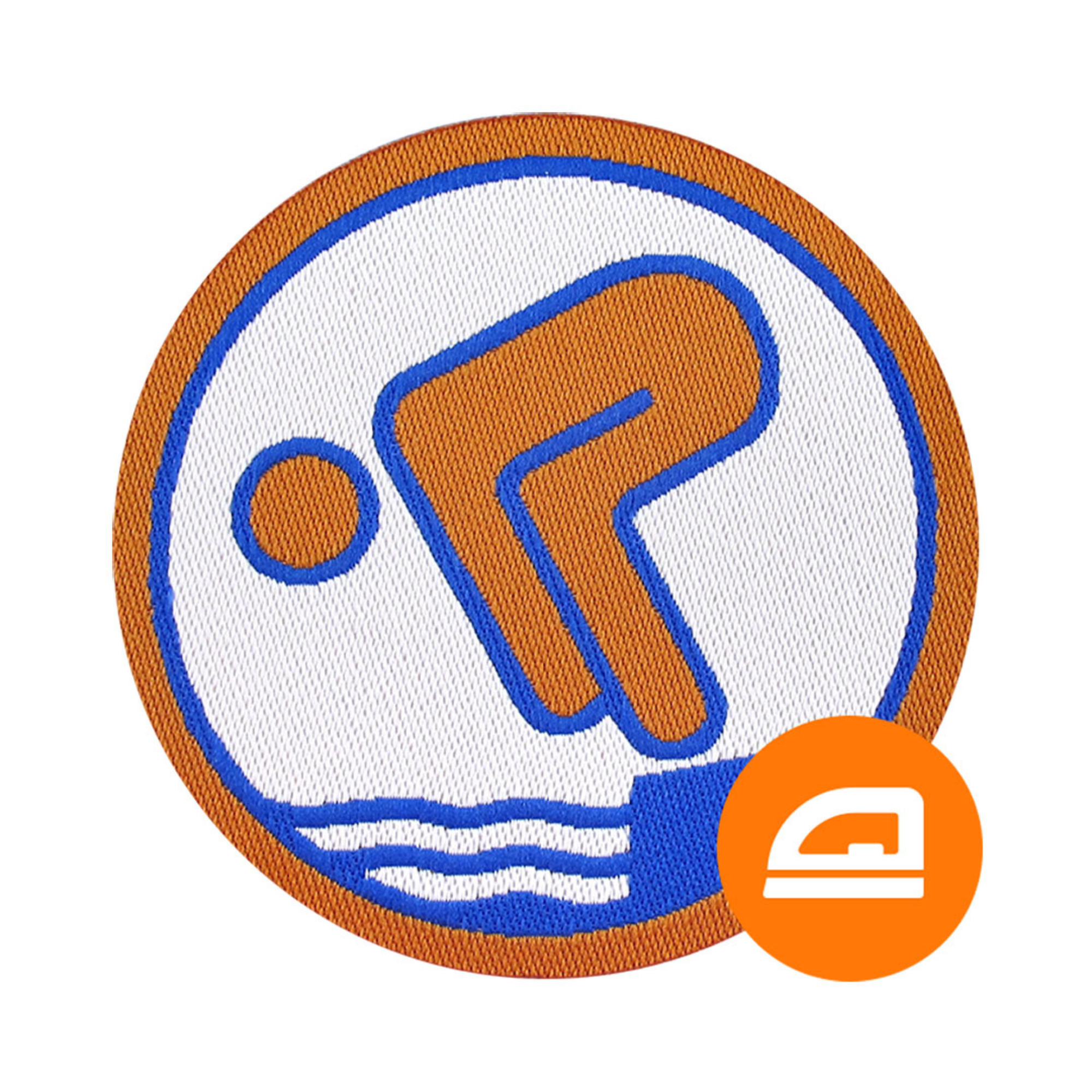
The Bronze Swimming Badge is the first major qualification after the Seahorse. It shows that a child can swim safely and independently – including deep diving, jumping from the edge of the pool, and observing the bathing rules. The Bronze badge is considered official proof of safe swimming skills.
Silver and Gold
The Silver and Gold swimming badges build on Bronze and require higher demands in endurance, technique, and rescue competence. While Silver demands underwater swimming and backstroke, Gold additionally requires rescue elements for others and extensive knowledge of bathing rules.