
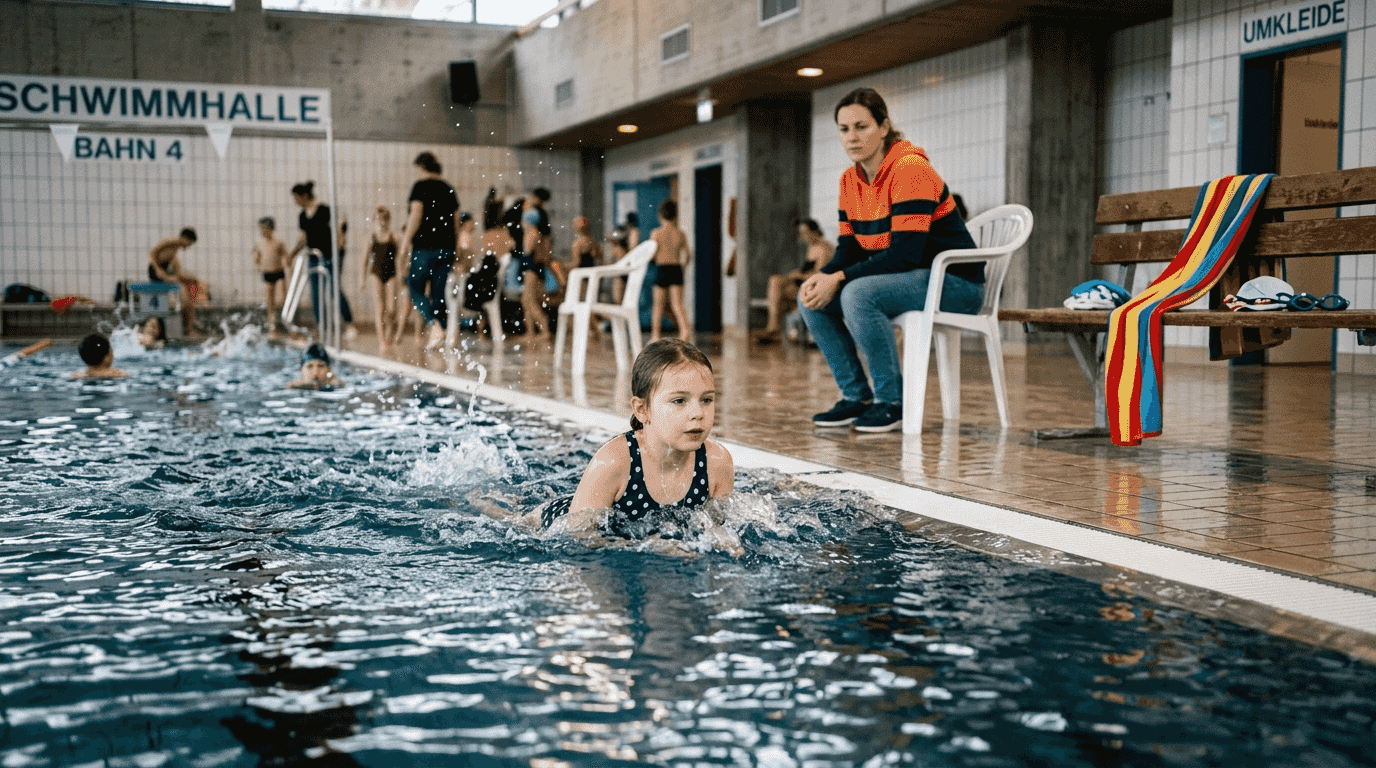
Why Learn to Swim? Safety for Children 2026
In Germany, over 20% of children cannot swim, an alarming figure that should concern parents and teachers alike. The reasons are diverse: pool closures, pandemic consequences, and social inequality make access to swimming lessons difficult. This article shows when and how children can best learn to swim, what challenges exist, and how you can best support your child.
Table of Contents
- Key Findings at a Glance
- The Current Situation: Swimming Abilities and Challenges
- When is the Right Time for Children to Learn to Swim?
- How Many Swimming Lessons are Needed and What Learning Content is Essential?
- The Importance of Social Background and Funding in Learning to Swim
- Practical Tips for Learning to Swim and Promoting Swimming
- Swimming Badges and Swimming Accessories at Pimpertz
- Frequently Asked Questions about Learning to Swim
Key findings at a glance
| Point | Details | |-------|---------|| | Non-swimmer rate | Approximately a quarter of children in Germany cannot swim safely. | | Ideal learning age | Experts recommend starting at five years, when motor and cognitive skills are sufficiently developed. | | Minimum duration | At least 30 lessons are required to acquire safe swimming skills. | | Social factors | Income and educational background significantly influence access to swimming lessons. | | Early prevention | Early swimming training significantly reduces the risk of drowning in toddlers. |
The current situation: swimming abilities and challenges
The numbers speak for themselves. Over 20% of children in Germany cannot swim, despite years of warnings from rescue organizations. This development has serious consequences for the safety of our children.
A central problem is the so-called pool closures. Between 2000 and 2019, up to 43% of swimming pools disappeared, which severely restricts access to swimming lessons. Municipalities close pools for cost reasons, while private providers are often expensive.
The COVID-19 pandemic exacerbated the situation. Months of closures and reduced course offerings meant that entire age cohorts received no or insufficient swimming training. Waiting lists for swimming lessons are booked for years in many places.
Social and financial differences play a decisive role. Children from low-income families have significantly less access to swimming lessons than their peers from better-off households. This inequality not only endangers individual children but also reinforces social divisions.
The dangers are real and measurable:
- Drowning remains one of the leading causes of death in toddlers
- Non-swimmers are excluded from many recreational activities
- Learning later becomes more difficult and time-consuming
- Fear of water can manifest and persist throughout life
Learning to swim early therefore not only provides safety but also opens up diverse opportunities for sports and recreation for children.
When is the right time for children to learn to swim?
The optimal age for starting swimming is around five years, when children are motorically and cognitively mature enough. At this age, children can better understand and implement instructions, which significantly accelerates the learning process.
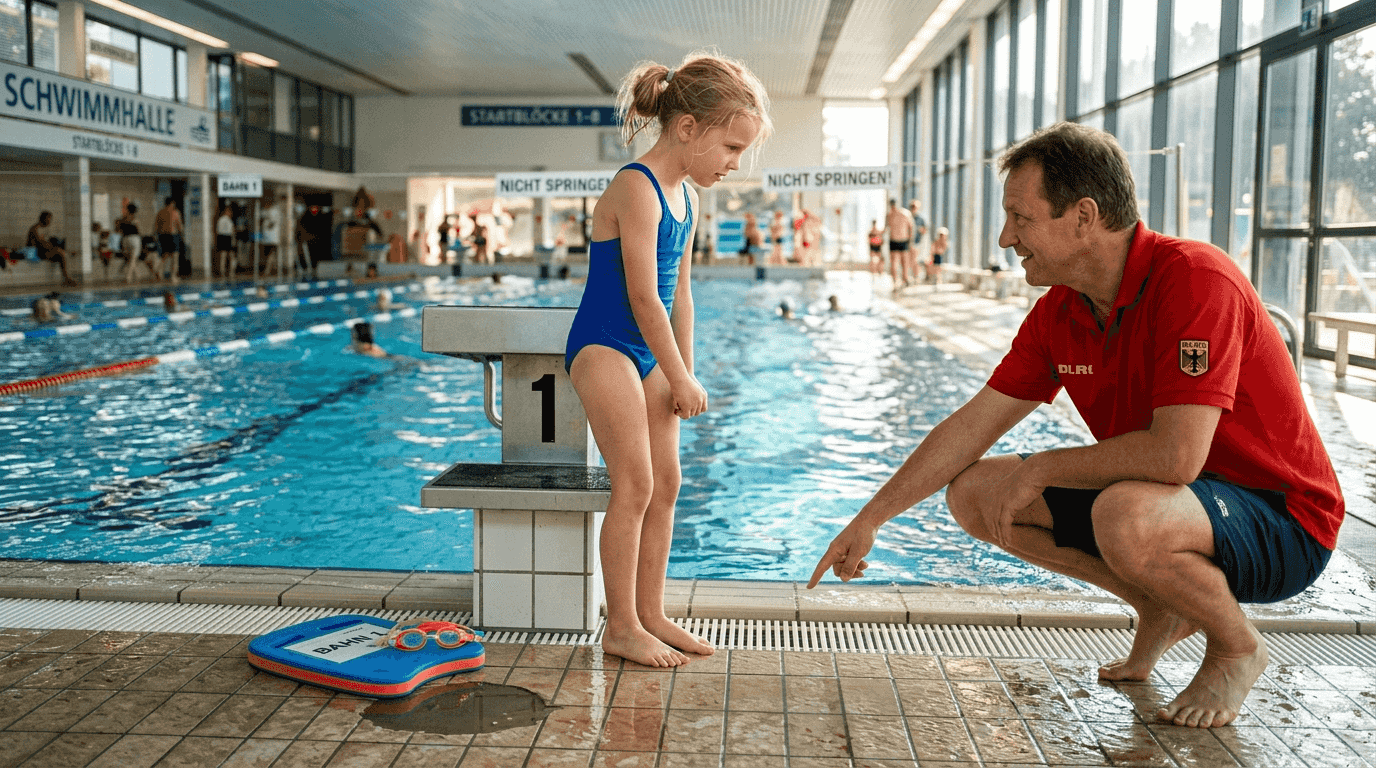
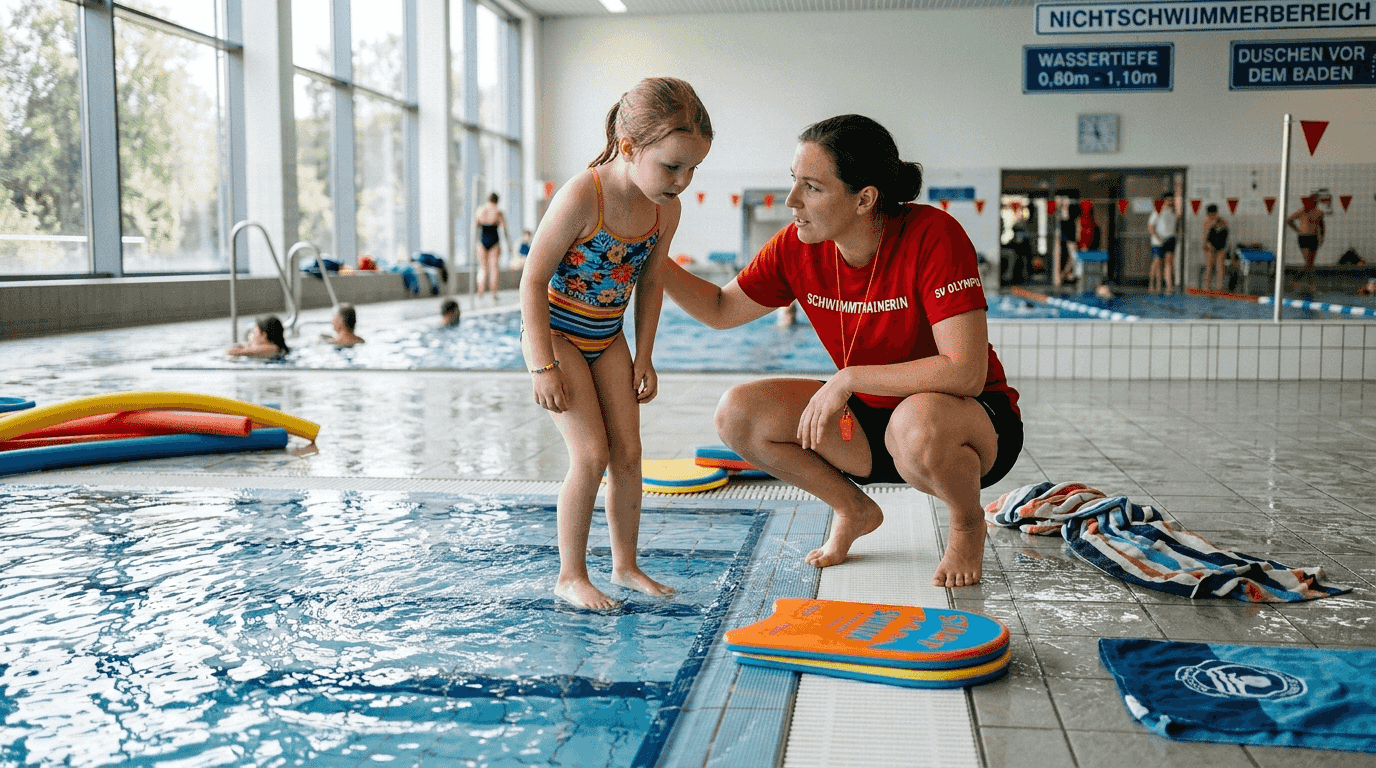
The DLRG emphasizes that earlier courses are possible, but should be designed differently. Baby swimming courses from six months primarily serve water familiarization and strengthen the parent-child bond. They do not teach swimming technique, but reduce anxieties and build confidence in the water.
The benefits of an early start are scientifically proven. Early swimming lessons reduce the risk of drowning by up to 88%, an impressive protective factor. Children who learn to swim early also develop better coordination and body awareness.
Motor requirements are crucial:
- Coordination of arms and legs simultaneously
- Controlled breathing and synchronization with movements
- Maintaining balance in water without a fixed base
- Maintaining concentration for several minutes
Cognitive abilities such as understanding instructions, awareness of danger, and the ability to self-assess develop sufficiently from around four to five years of age. Before that, formal swimming lessons overwhelm most children.
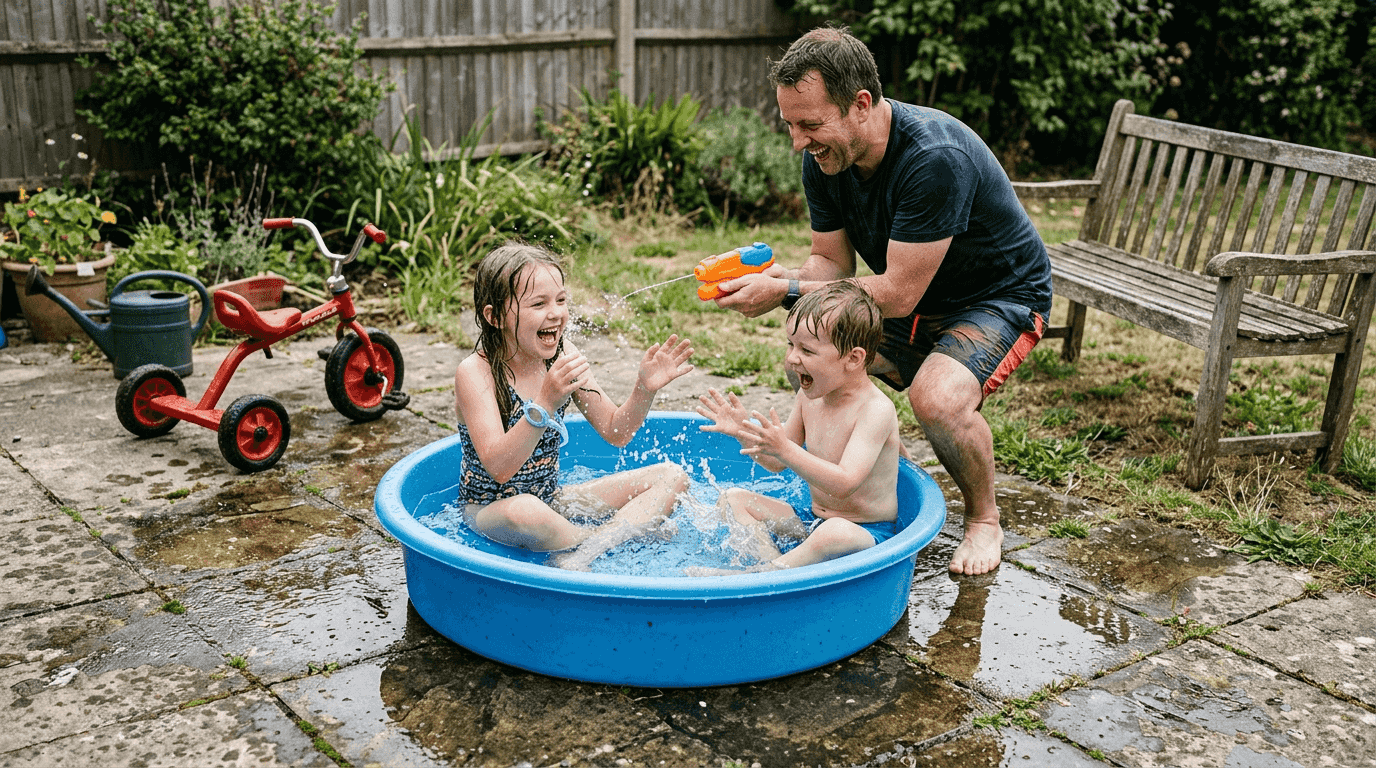
Pro Tip: Start with playful water familiarization at home or in a paddling pool before enrolling your child in a formal swimming course. Splashing games, diving for toys, and simple splashing build confidence and significantly facilitate later instruction.
The right age to learn to swim also depends on individual developmental stages. Some children are ready at four, others need until six. Observe your child's signals and do not push them.
How many swimming lessons are needed and what learning content is essential?
For safe swimming ability, at least 30 lessons of 45 minutes each are required. This time frame allows children to internalize basic techniques and develop confidence in the water.
The progression follows clear stages:
- Water familiarization: Building confidence, putting face in water, first gliding exercises
- Basic techniques: Learning breaststroke, coordinating breathing, swimming the first meters
- Consolidation: Increasing endurance, refining technique, introducing backstroke
- Safety: Practicing self-rescue, jumping into water, combining different swimming styles
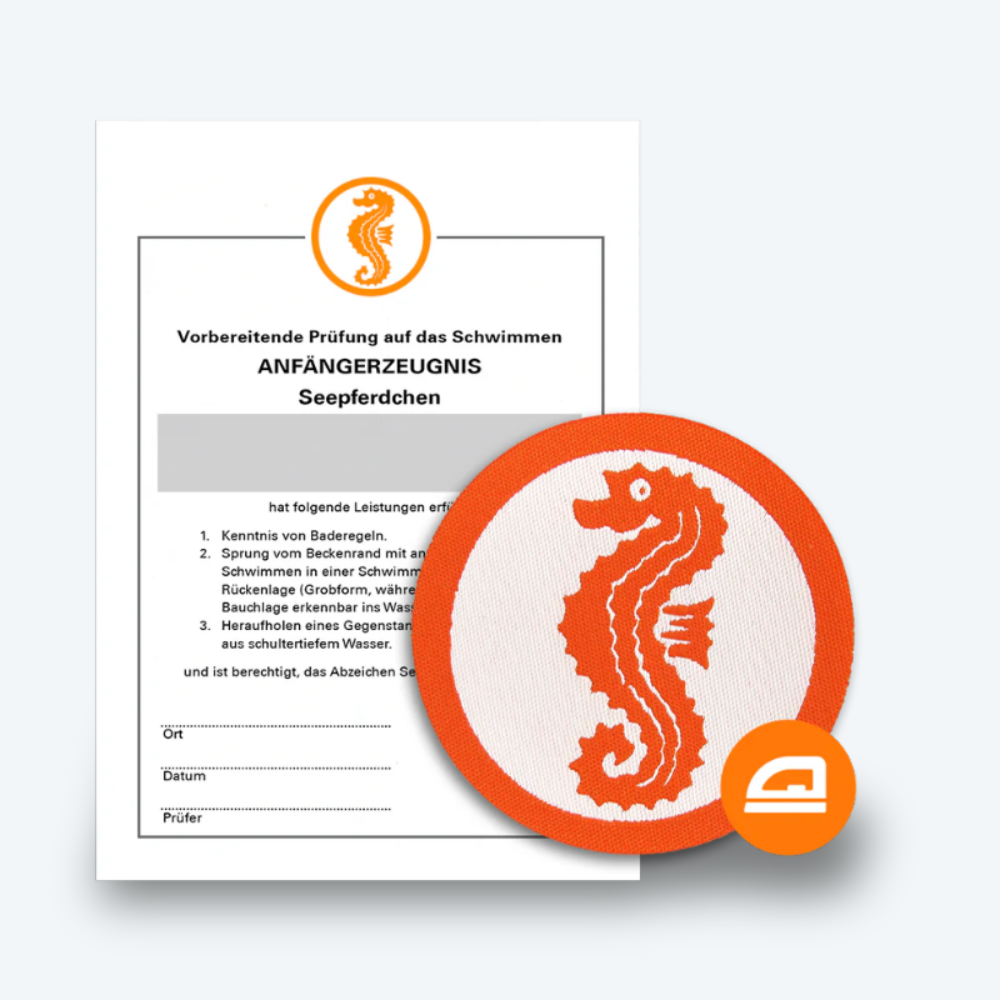
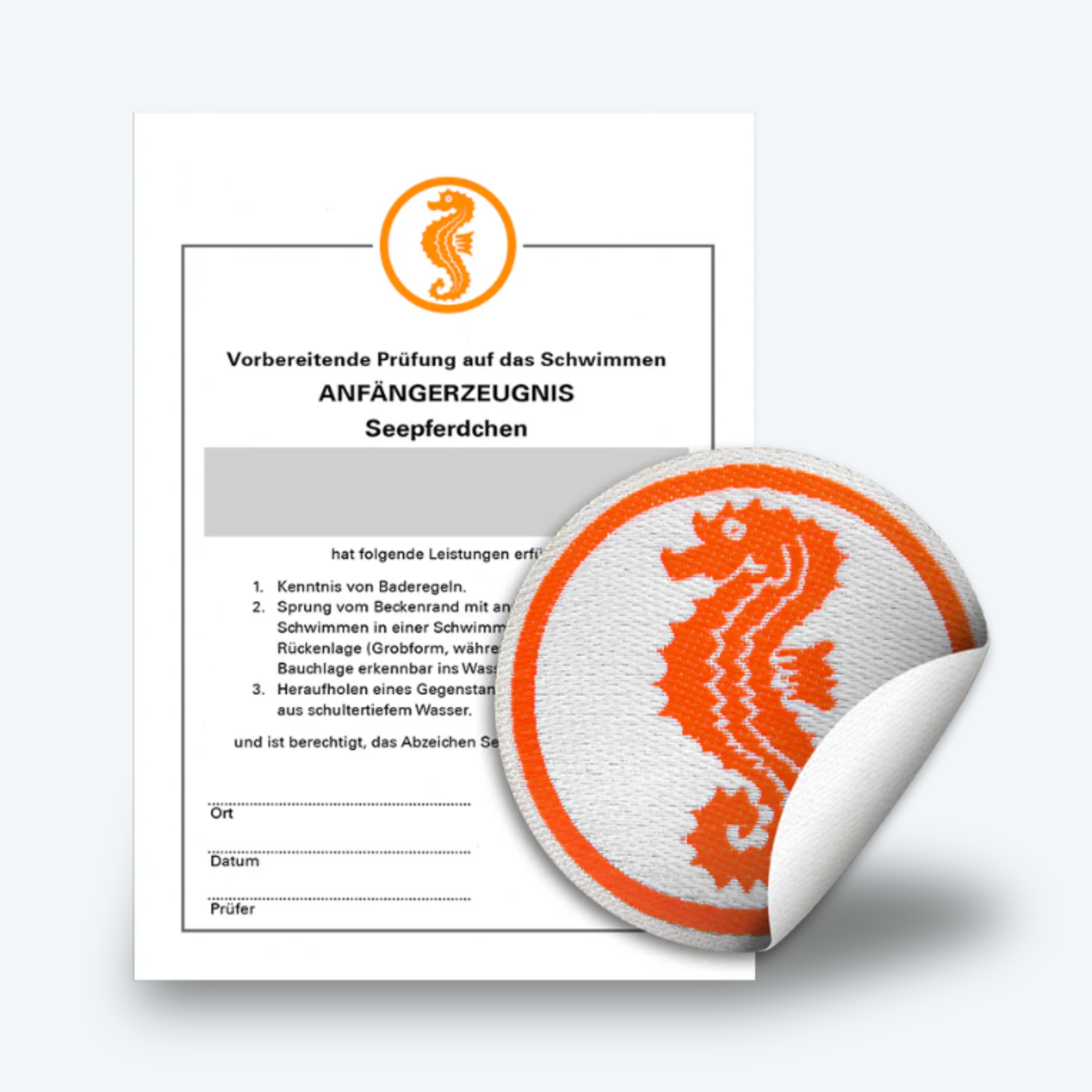
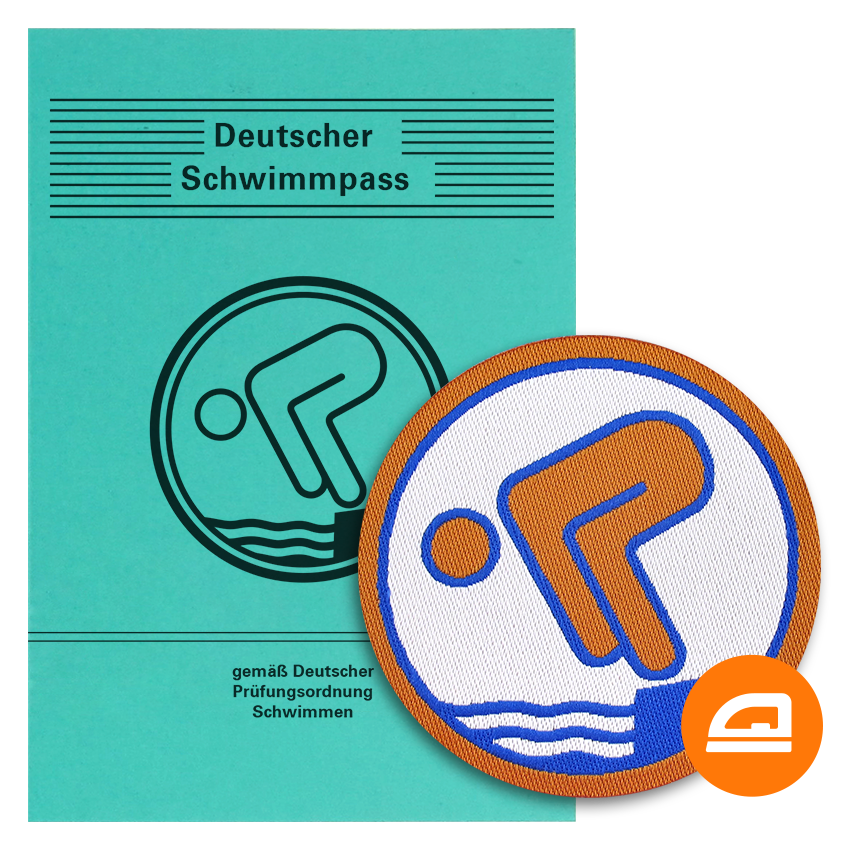
- Badges: Seepferdchen (Seahorse), Bronze, Silver, Gold depending on performance level
The most important swimming techniques include breaststroke as a basis, backstroke for endurance and recovery, and freestyle for speed. Each technique trains different muscle groups and promotes various skills.
| Badge | Minimum Duration | Main Requirements |
|---|---|---|
| Seepferdchen | 15-20 hours | Swim 25m, jump from the edge of the pool, retrieve object from shoulder-deep water |
| Bronze | 25-30 hours | 200m in 15 min., jump from the edge of the pool, knowledge of swimming rules |
| Silver | 35-40 hours | 400m in 25 min., dive twice 2m deep, 10m underwater swimming |
| Gold | 45-50 hours | 600m in 24 min., racing dive, 50m backstroke |
Safety techniques are indispensable. Children must learn how to stay above water in an emergency, how to get out of the water, and how to call for help. The DLRG swimming rules form the foundation for safe behavior at and in the water.
Pro Tip: Regularity beats intensity. Two short sessions per week are more effective than one long monthly lesson, as children otherwise forget too much between appointments. Also plan for free play in the water to apply what they have learned without pressure.
The importance of social background and funding in learning to swim
Swimming ability is unevenly distributed in Germany. Almost 50% of children from households with less than €2500 net income cannot swim, while among higher incomes, the number is significantly lower. This gap endangers equal opportunities and safety.
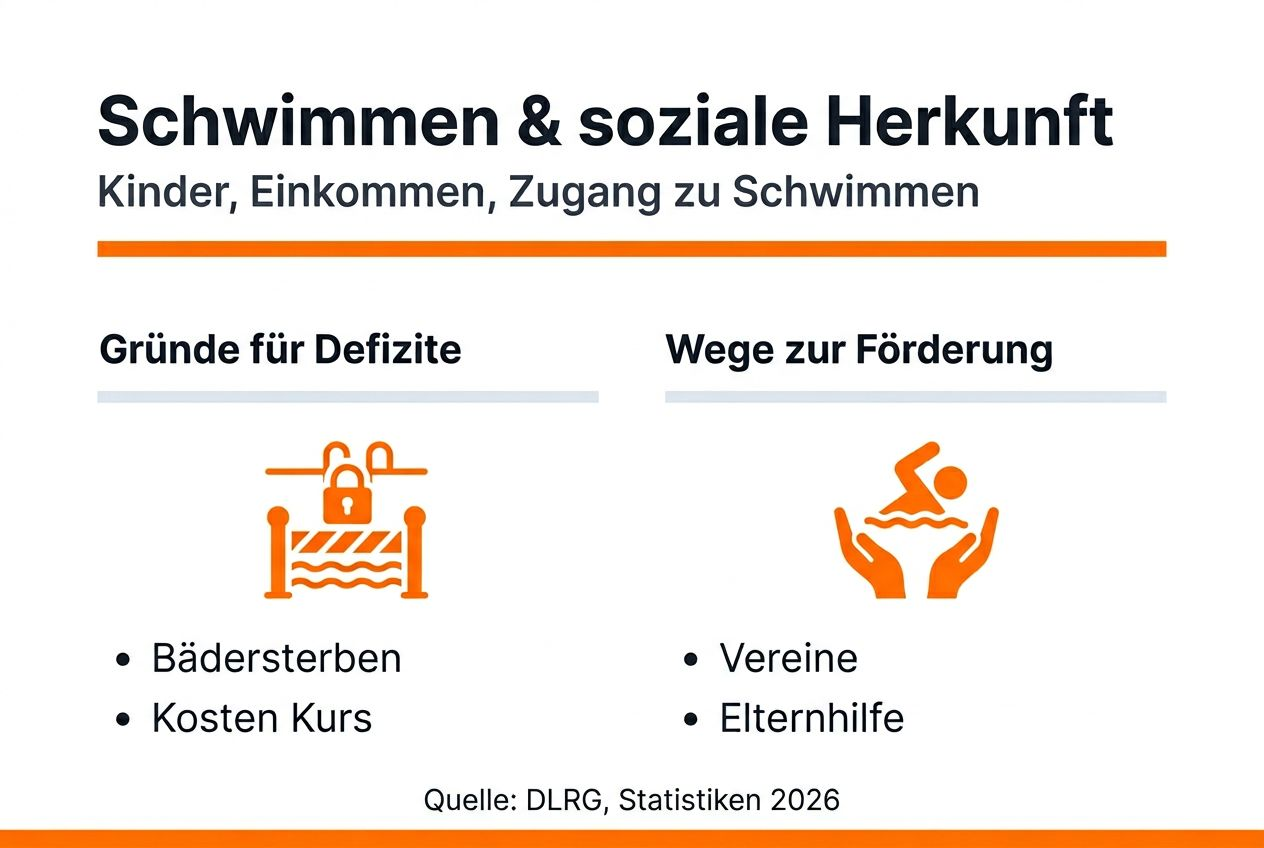
The costs for swimming lessons vary greatly. Private providers often charge 150 to 300 euros for a beginner's course, plus costs for pool admission, equipment, and possibly travel expenses. For families with several children, this quickly adds up to over a thousand euros annually.
School programs could help, but are often insufficient. Many primary schools have no access to swimming pools or can only offer a few hours per school year. Lessons often only start in the third grade, which is too late for real swimming safety.
Funding programs exist, but are little known:
- Municipal subsidies for low-income families
- Club offers with reduced fees
- Education and Participation Package (BuT) for courses and equipment
- Sponsorship by local companies or foundations
Families with less education often also have less knowledge about the importance of swimming ability or shy away from bureaucratic hurdles. Language barriers make it difficult to register for courses or communicate with trainers.
Parents and teachers can take active steps by teaching children to swim and looking for free or inexpensive options. Many DLRG local groups offer courses at fair prices. It's always worth asking.
Practical tips for learning to swim and promoting swimming
Successful swimming training begins long before the first course. Water familiarization in everyday life, during bathing or on vacation, lays the foundation for later learning. Children who experience water as pleasant and familiar learn significantly faster.
Regular practice outside of courses is crucial. Visit the swimming pool with your child weekly for free practice. Let them repeat and consolidate what they learned in the course. Without regular practice, children quickly forget what they painstakingly learned.
Positive motivation through swimming badges works wonders. Children are proud of visible achievements and strive for the next goal. The Seepferdchen (Seahorse) is often the first major milestone that awakens self-confidence and ambition.
Concrete implementation steps:
- Inform yourself early: Register your child in time, waiting lists are long
- Check quality: Look for trained instructors with DLRG or BFS certification
- Prefer small groups: A maximum of eight children per instructor guarantees individual attention
- Get equipment: Suitable swimwear, swimming goggles, and a swim cap facilitate learning
- Be patient: Every child learns at their own pace, pressure is counterproductive
Safety rules must be clear from the beginning. Never enter the water unsupervised, do not jump into unknown waters, pay attention to currents and water temperature. These rules also apply to advanced swimmers and can be life-saving.
Pro Tip: Lead by example by swimming yourself. Children learn by imitation. If you act with joy and confidence in the water, it will transfer to your child. Joint swimming also strengthens the bond and makes the sport a family experience.
Collaboration with swimming clubs and qualified instructors pays off. Safe swimming promotion requires expertise and experience. Clubs often offer not only courses but also competitions, training camps, and a community of like-minded people.
An important note: Most federal states only start school swimming in third grade, which is often too late. Do not rely solely on school offerings, but become active yourself.
Swimming badges and swimming accessories at Pimpertz
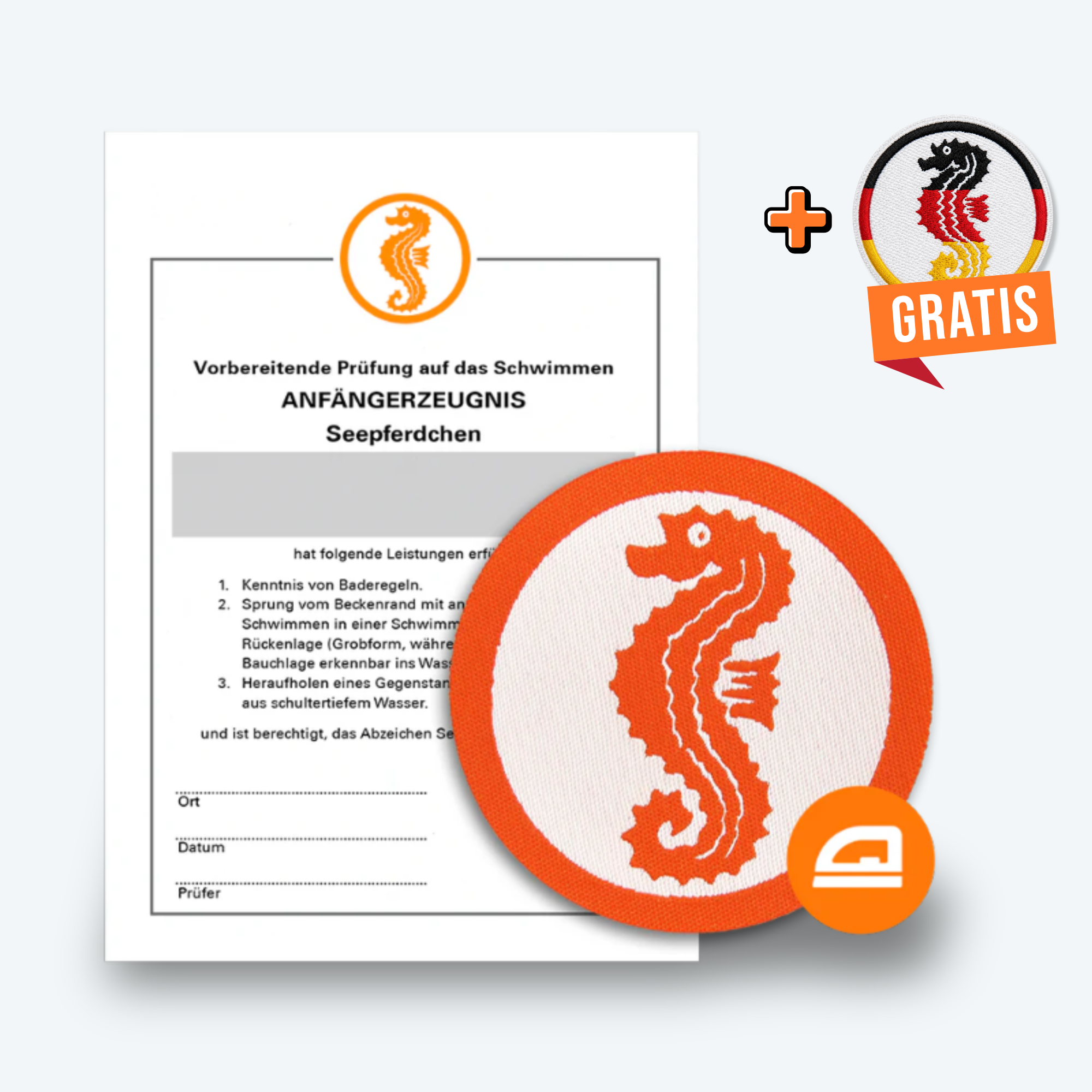
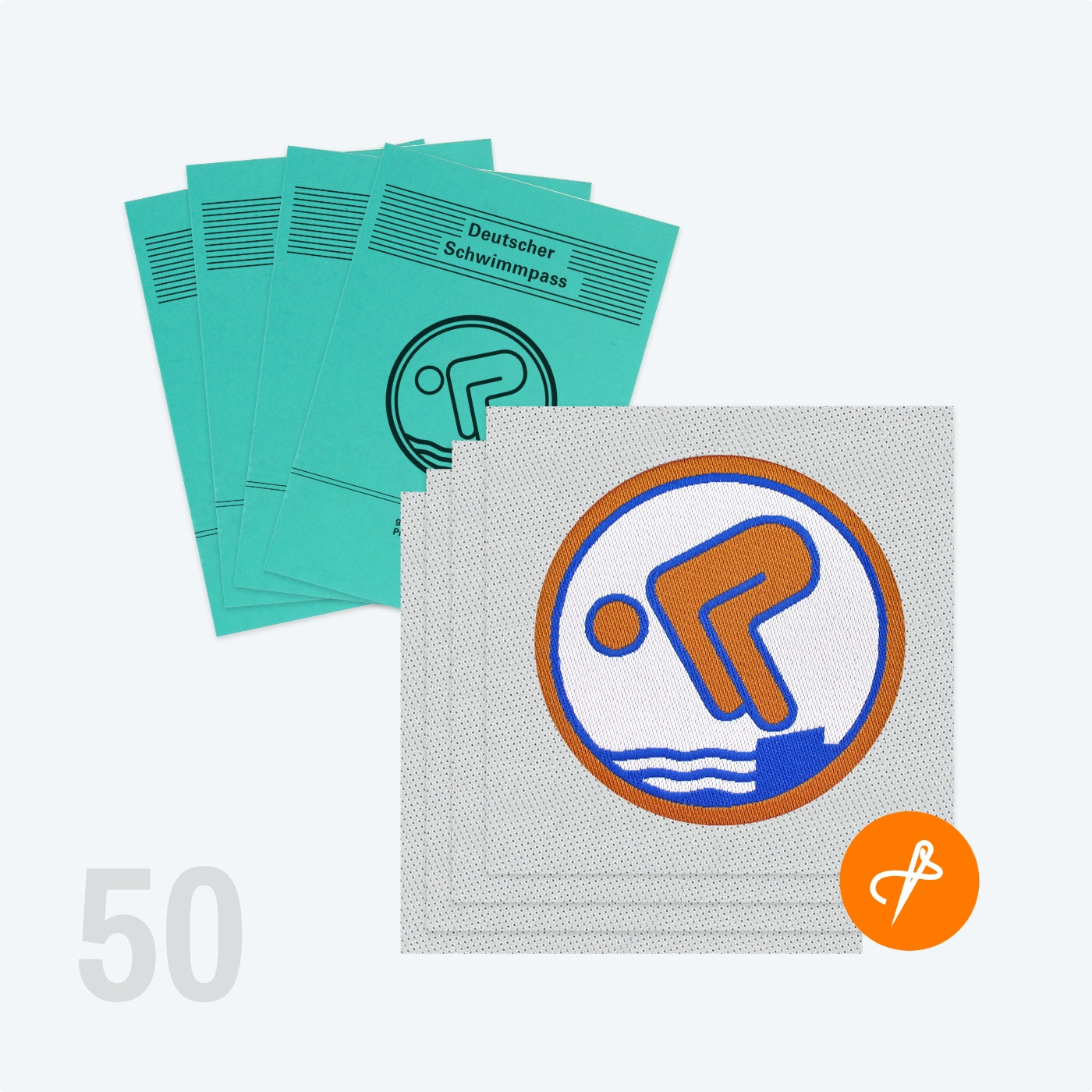
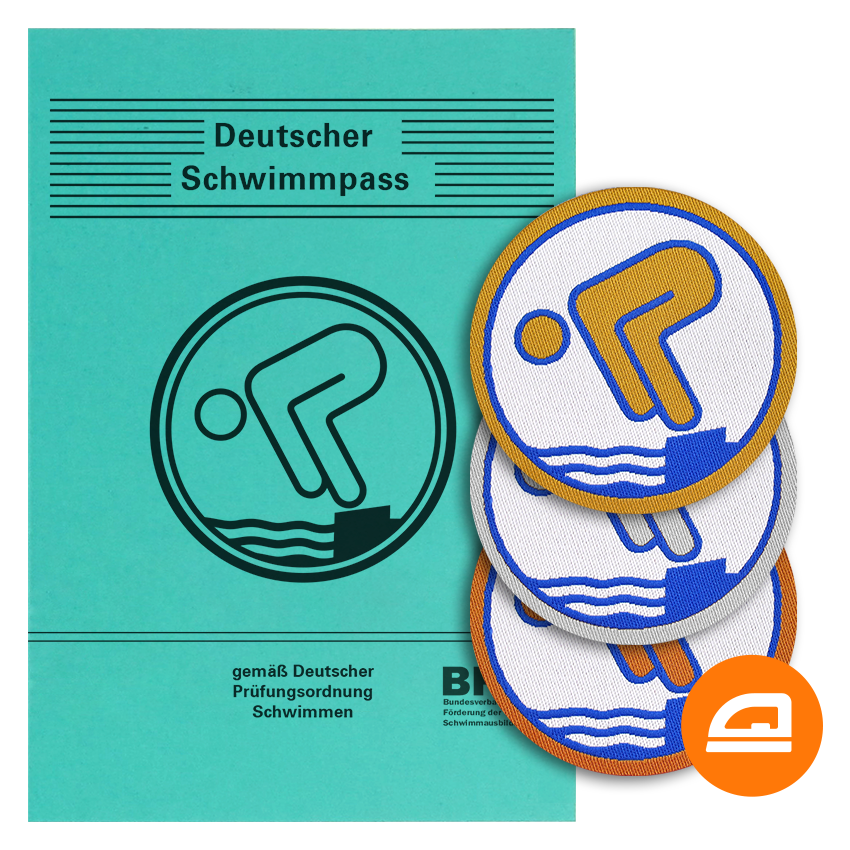
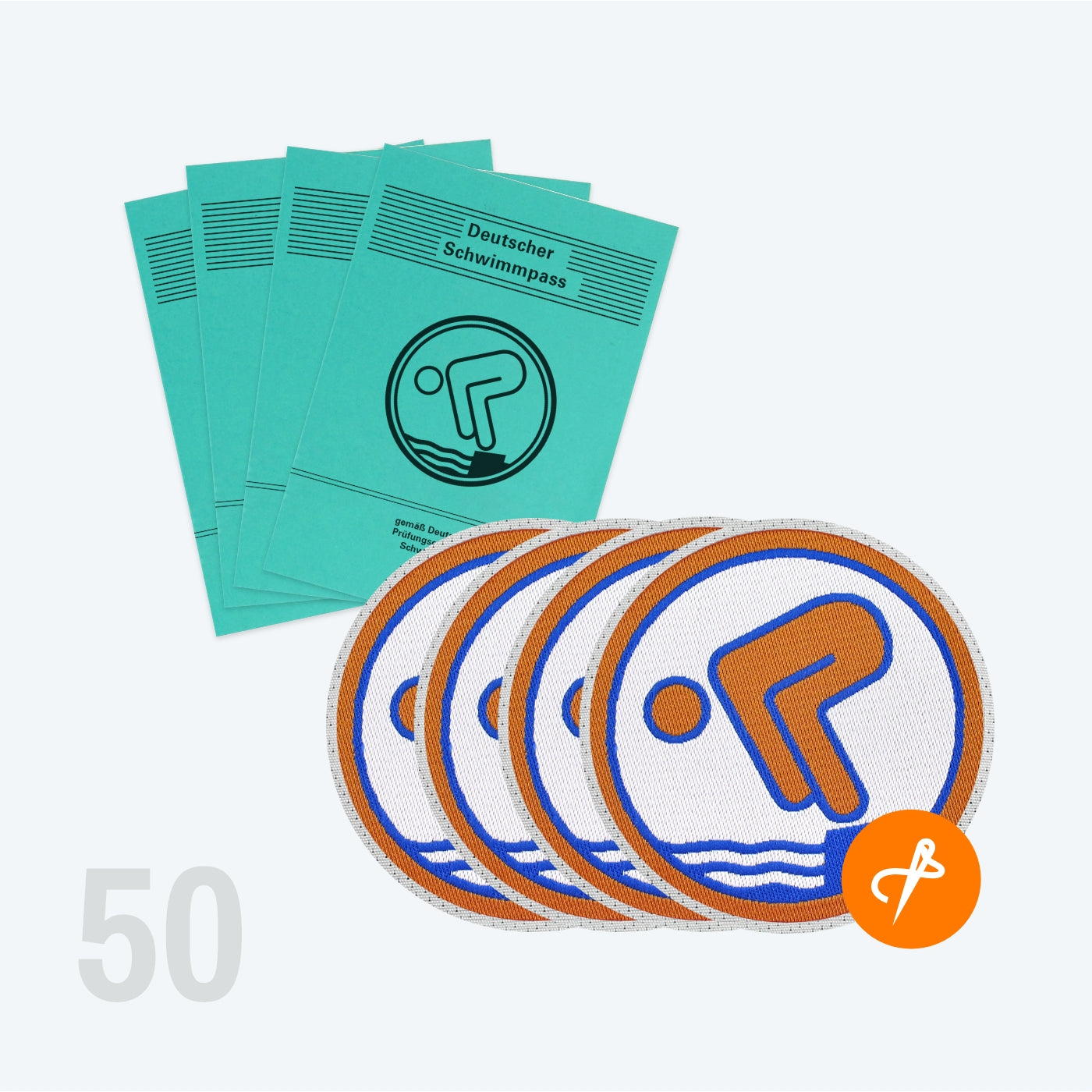
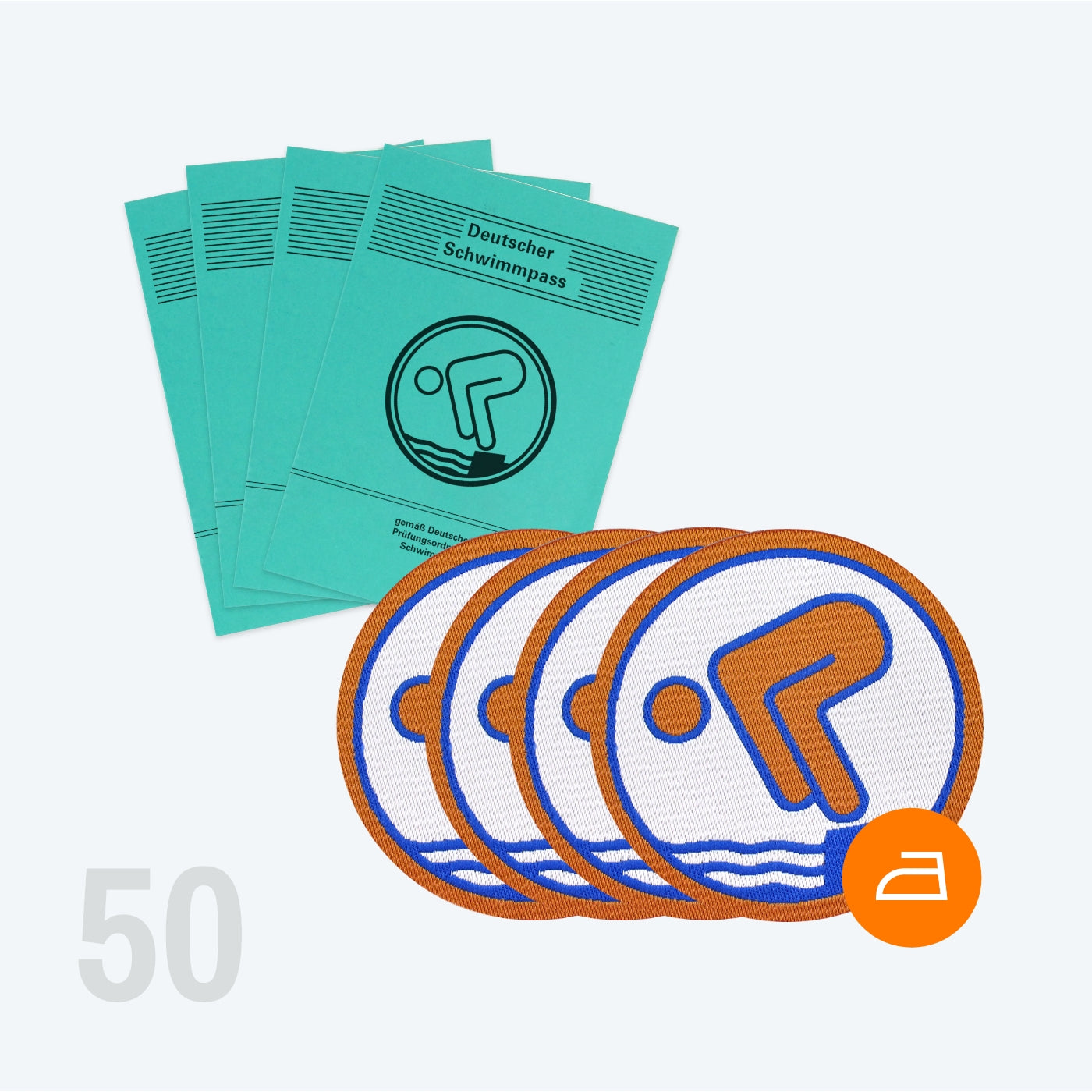
After a successful swimming course, children deserve recognition. At Pimpertz, you will find high-quality swimming badges from Seepferdchen (Seahorse) to Gold, officially certified by DLRG and BFS. These badges motivate children to continue and strive for new goals.
Our swimming accessory assortment includes everything parents and trainers need: waterproof cases to protect badges, collection albums to document achievements, and practical sets for swimming courses. For over 38 years, we have been supporting families and clubs in promoting swimming.
Order official swimming certificates today to celebrate your child's success appropriately. Our certificates are designed in child-friendly designs and are delivered quickly and reliably. Individual embossing for clubs and schools is also possible.
Frequently asked questions about learning to swim
How do I know if my child is ready for swimming lessons?
Your child is ready if they can follow instructions, do not show panic fear of water, and are motorically coordinated enough to move their arms and legs simultaneously. Most children reach this maturity between four and six years of age. Observe whether your child enjoys bathing and is curious about deeper water.
What to do if the child is afraid of water?
Proceed carefully and never force them. Start with shallow water, splashing games, and positive experiences. Let your child set the pace and celebrate small progress. Sometimes a change of instructor to a more empathetic one or a break helps to relieve pressure.
How can I improve swimming ability outside of the course?
Regular visits to the swimming pool for free practice are ideal. Let your child repeat what they learned in the course, without performance pressure. Play games like races, diving for rings, or balancing on swim noodles. Every additional time in the water strengthens skills and builds confidence.
Which swimming badges can children earn?
Children start with the Seepferdchen (Seahorse), which confirms basic skills. This is followed by the youth swimming badges Bronze, Silver, and Gold with increasing requirements. Advanced swimmers can earn lifeguard badges or performance badges. Each badge motivates them to continue and documents their progress.
How important are swimming badges for motivation and safety?
Swimming badges are extremely important. They give children visible recognition for their performance and set clear goals for further development. At the same time, they signal to parents and caregivers what level of safety a child has reached. The Seepferdchen alone does not make a safe swimmer; Bronze should be the minimum goal.
When can my child go swimming alone?
Even with a swimming badge, children under ten years old should never swim unsupervised. From about ten to twelve years old, you can gradually allow more independence for very safe swimmers in known, supervised pools. Discuss clear rules and regularly check your child's abilities.