

Overview of Swimming Sports: Techniques & Badges 2026
Which swimming technique is right for your preschooler? Parents and swimming instructors alike ask this question when it comes to learning to swim. The choice of the first swimming technique not only shapes water safety but also motor development and future enjoyment of swimming. Breaststroke, front crawl, or backstroke offer different advantages for beginners. Swimming badges structure the learning process and motivate children to continuously improve their skills. This overview will help you find the right technique for your child and successfully achieve their first swimming badges.
Table of Contents
- Key Insights at a Glance
- Criteria for Choosing a Swimming Style
- The Most Important Swimming Techniques Compared
- Structure and Significance of Swimming Badges in Germany
- Practical Recommendations for Parents and Swimming Instructors
- Our Recommendation: Swimming Badges and Accessories at Pimpertz
- Frequently Asked Questions about Swimming Styles and Swimming Badges
Key Insights at a Glance
| Point | Details |
|---|---|
| Early swimming lessons | Promotes water safety and motor development in preschoolers sustainably. |
| Breaststroke as a classic | Traditionally considered a beginner technique, but requires complex coordination of arms and legs. |
| Front crawl as a modern alternative | Uses natural movements, is more efficient and often easier to learn than breaststroke. |
| Backstroke for the anxious | Allows free breathing without water contact on the face, ideal for cautious children. |
| Swimming badges motivate | Visibly structure learning progress and create a sense of achievement for young swimmers. |
Criteria for Choosing a Swimming Style
The choice of the first swimming style for preschoolers depends on several factors. The child's age and developmental stage play a central role, as each technique places different demands on coordination and strength. The choice of the first swimming technique depends on age, water safety, and physical conditions, which is why an individual assessment by experienced swimming instructors is essential. Children with existing water movement experience often show more eagerness to learn and self-confidence when learning more complex techniques.
Physical development significantly influences which technique a child can successfully master. Coordination of arms, legs, and breathing requires a certain level of motor maturity. Motivation and water affinity are just as important as technical prerequisites. Children who enjoy splashing learn faster than those who first have to overcome fears.
Water safety is the top priority when choosing a technique. The first swimming technique should enable the child to stay safely above water and, if necessary, to reach the edge of the pool independently. Swimming instructors also consider the child's personality: cautious children benefit from techniques with free breathing, while brave water lovers quickly adopt more challenging movements.
Pro Tip: Collaboration between parents, educators, and swimming instructors significantly enhances learning success. Regular feedback on progress and challenges allows for targeted adaptation of training to each child's individual needs.
The decision for a swimming technique should never be made in isolation. Consider the swimming instructor's recommendations, observe your child's reactions in the water, and adjust the choice if necessary. The right age to learn to swim is typically between four and six years, although individual differences must be considered. Flexibility and patience lead to the best results.
The Most Important Swimming Techniques Compared
Breaststroke is traditionally considered the classic beginner's technique in Germany, although breaststroke is the most complex and slowest technique among the basic swimming strokes. The symmetrical movement of arms and legs requires precise coordination, which many preschoolers only master after a longer period of practice. The advantage lies in the ability to keep the head above water and keep an eye on the surroundings. Nevertheless, many swim schools still use breaststroke as an introduction, as parents often know and can support this technique themselves.
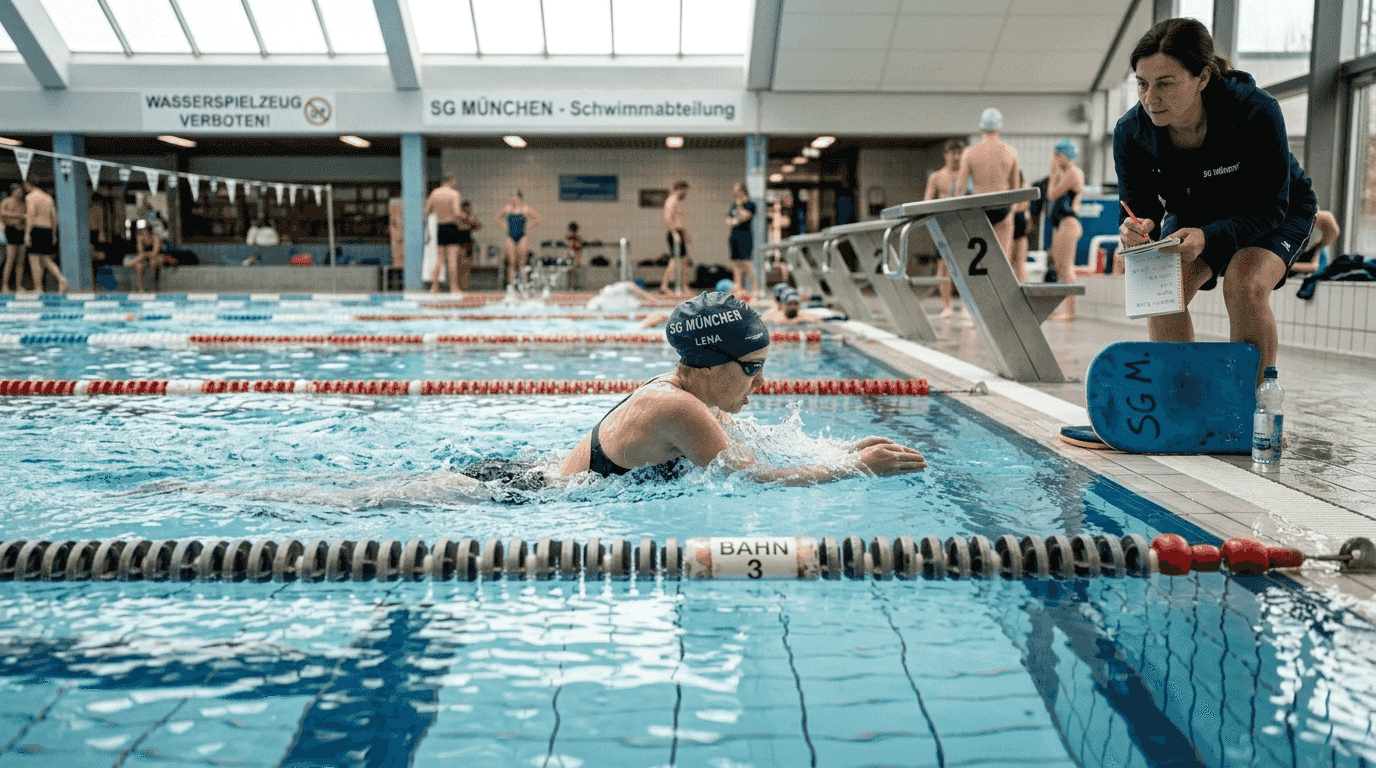
Front crawl is increasingly gaining importance as a modern beginner's technique. Front crawl uses natural movements and is more efficient than breaststroke, as the alternating movement of arms and legs corresponds to children's natural movement patterns. The technique saves energy and allows for faster progress in the water. The biggest challenge lies in side breathing, which must be coordinated with the arm stroke. Children who overcome this hurdle often develop a special joy in front crawl.
Backstroke offers a relaxed alternative. Backstroke is a relaxed and easy-to-learn technique, particularly suitable for children with breathing difficulties or fear of water. Free breathing without water contact on the face reduces stress and allows for a calm learning pace. However, the back position requires trust in the water and good body tension. Many swimming instructors combine backstroke with other techniques to build versatile skills.
| Technique | Difficulty | Advantages for Beginners | Challenges |
|---|---|---|---|
| Breaststroke | Medium to high | Head above water, good orientation | Complex coordination, slow propulsion |
| Front Crawl | Medium | Efficient, natural movement, fast | Side breathing requires practice |
| Backstroke | Low to medium | Free breathing, relaxed, less fear | Back position, restricted view |
| Butterfly | High | Powerful, spectacular | Very demanding, only for advanced swimmers |
Butterfly is the most demanding technique and is not suitable for beginners. The undulating full-body movement requires considerable strength, coordination, and body tension. Preschoolers should only be introduced to butterfly after safely mastering other techniques. The technique is primarily used in competitive swimming.
Pro Tip: Combine different swimming techniques depending on your child's developmental stage and daily form. A versatile approach promotes motor development and prevents unilateral strain. Use the Swimming Badge Overview to structuredly document learning progress and create motivation through visible successes.
The path to swimming badges usually begins with a basic technique that is gradually refined. Each technique offers specific learning opportunities and should be chosen according to the child's individual strengths.
Structure and Significance of Swimming Badges in Germany
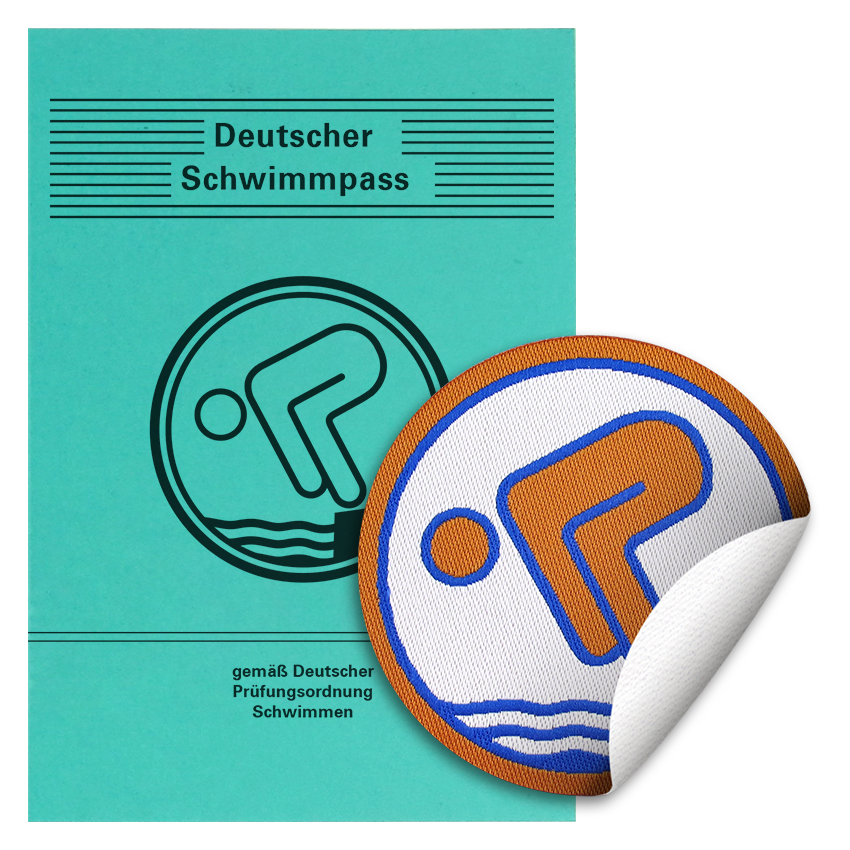
Swimming badges serve as important motivational tools and document the swimming abilities of children and adults. They structure the learning process into clear stages and create a sense of achievement that encourages further progress. DSV and BFS are the main organizations for swimming badges in Germany, with both associations awarding different types of badges with specific requirements. The most well-known badges for children are Seepferdchen (Seahorse), Bronze, Silver, and Gold.
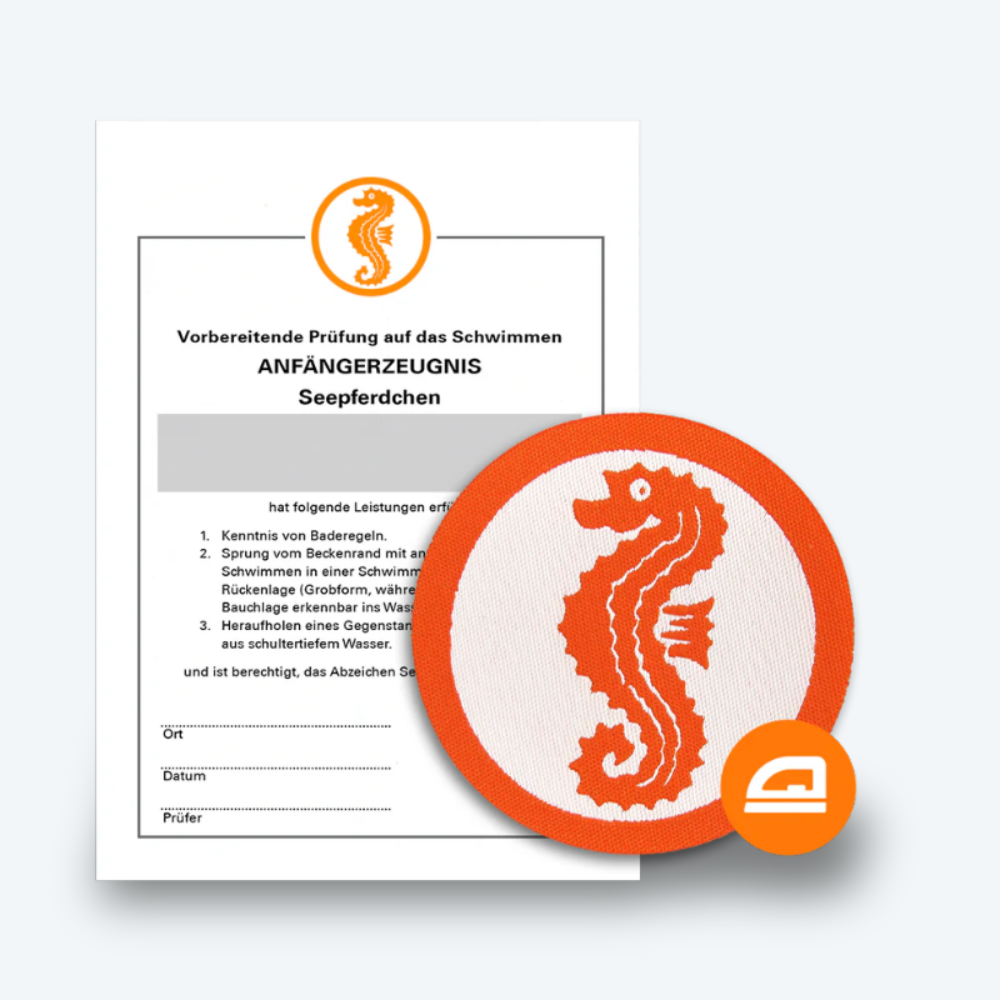
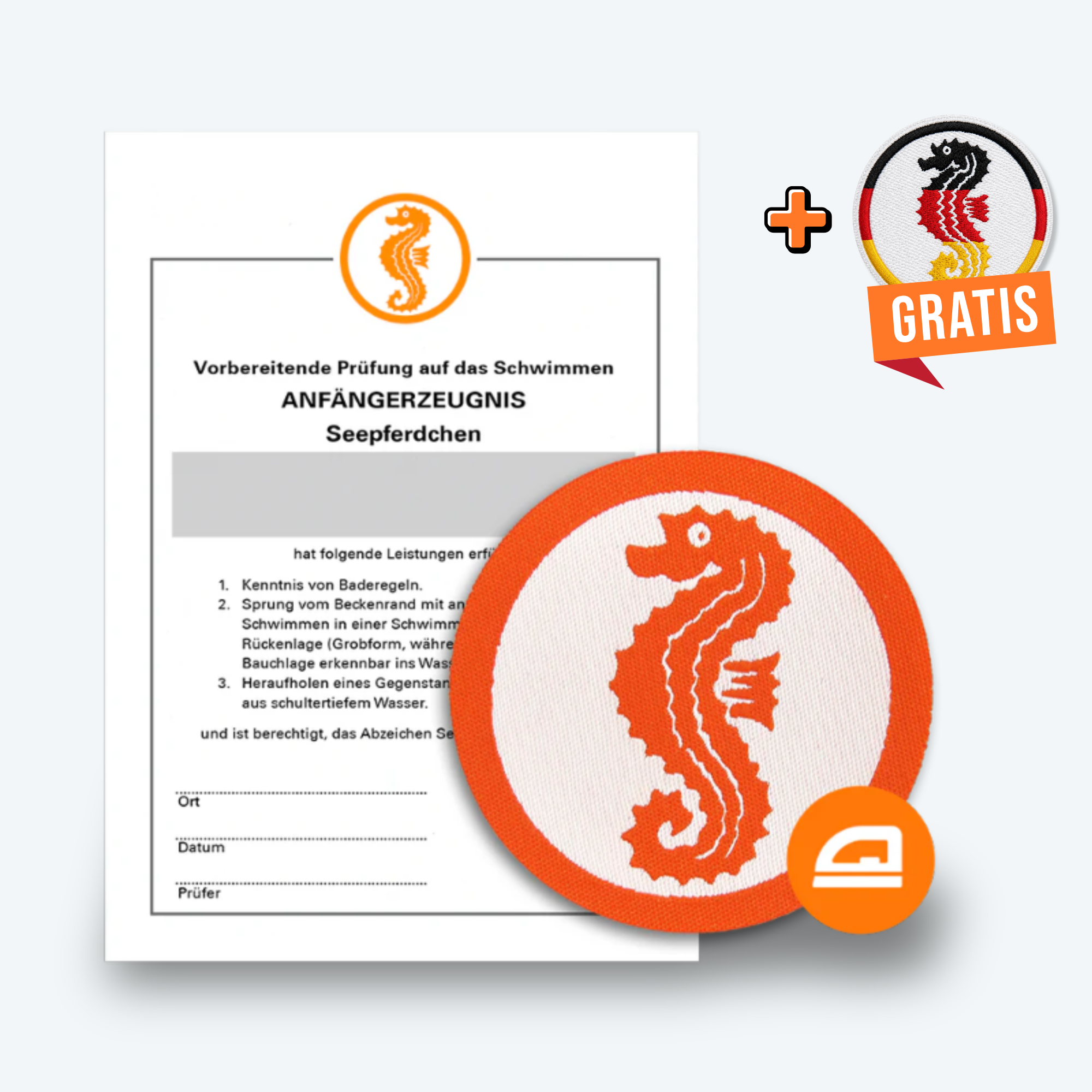
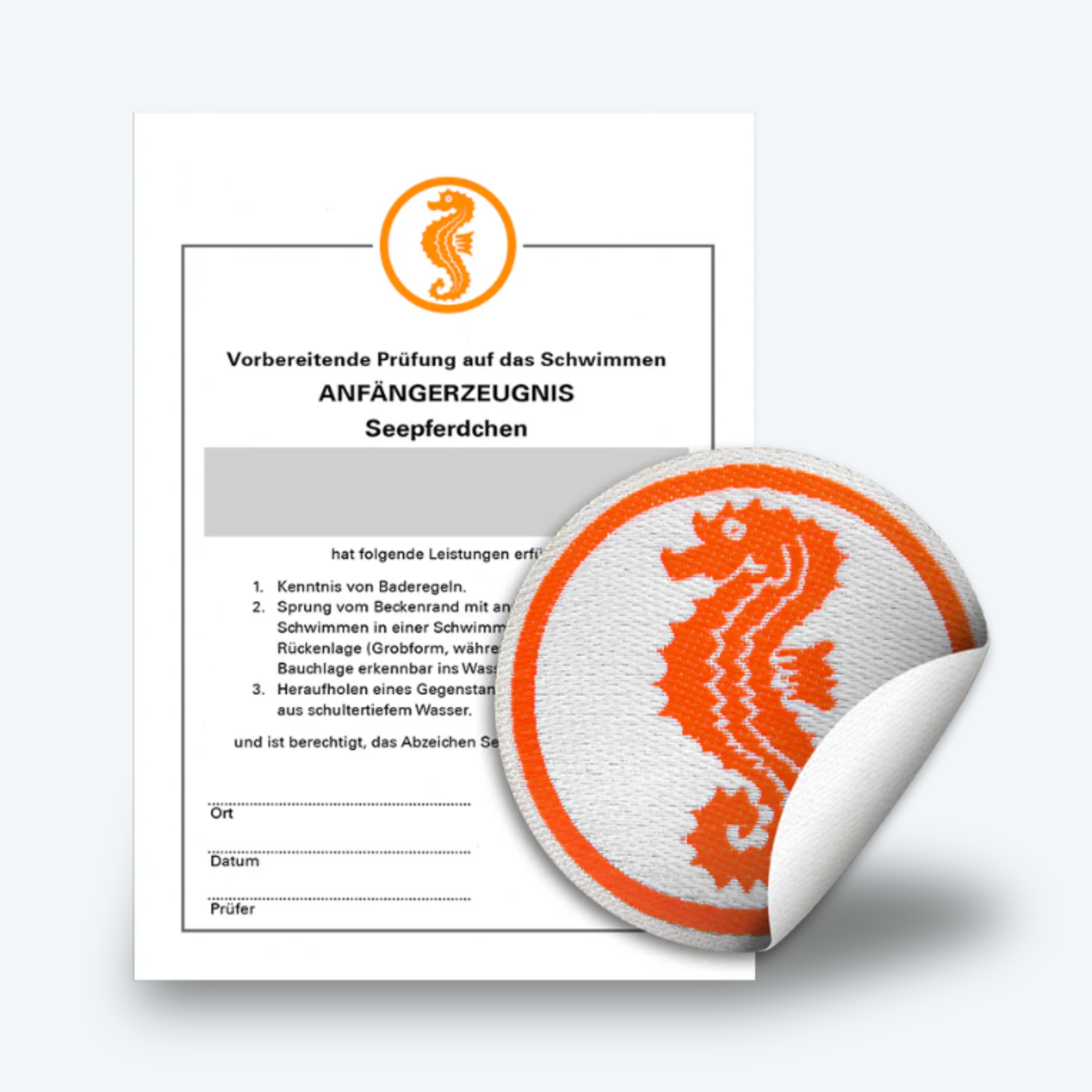
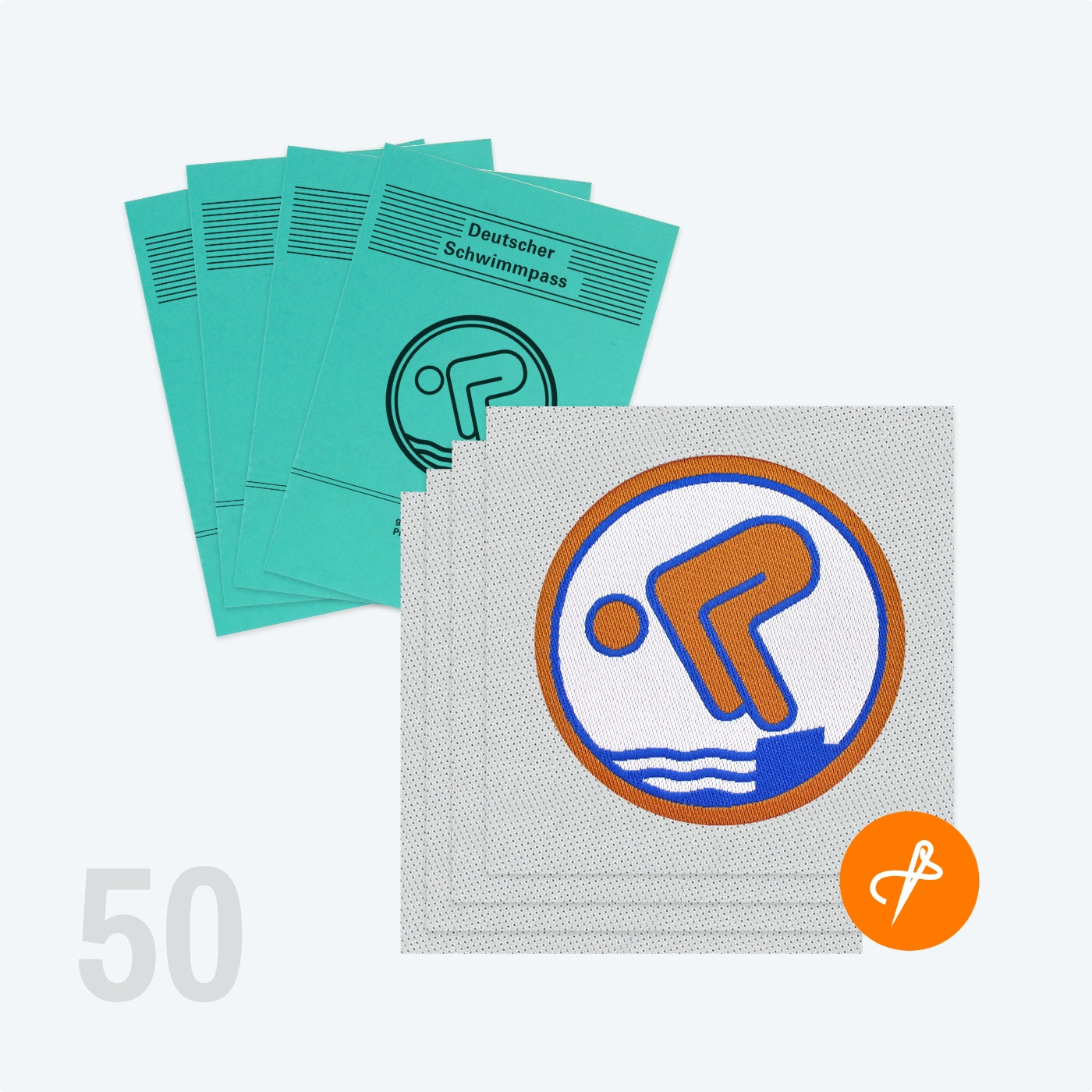
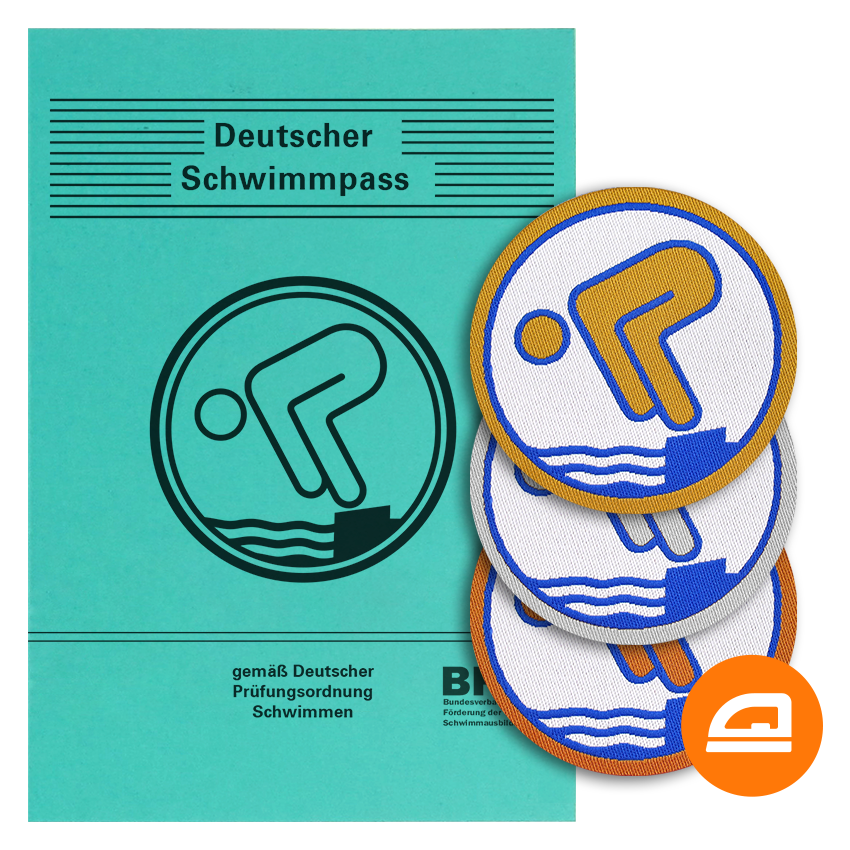
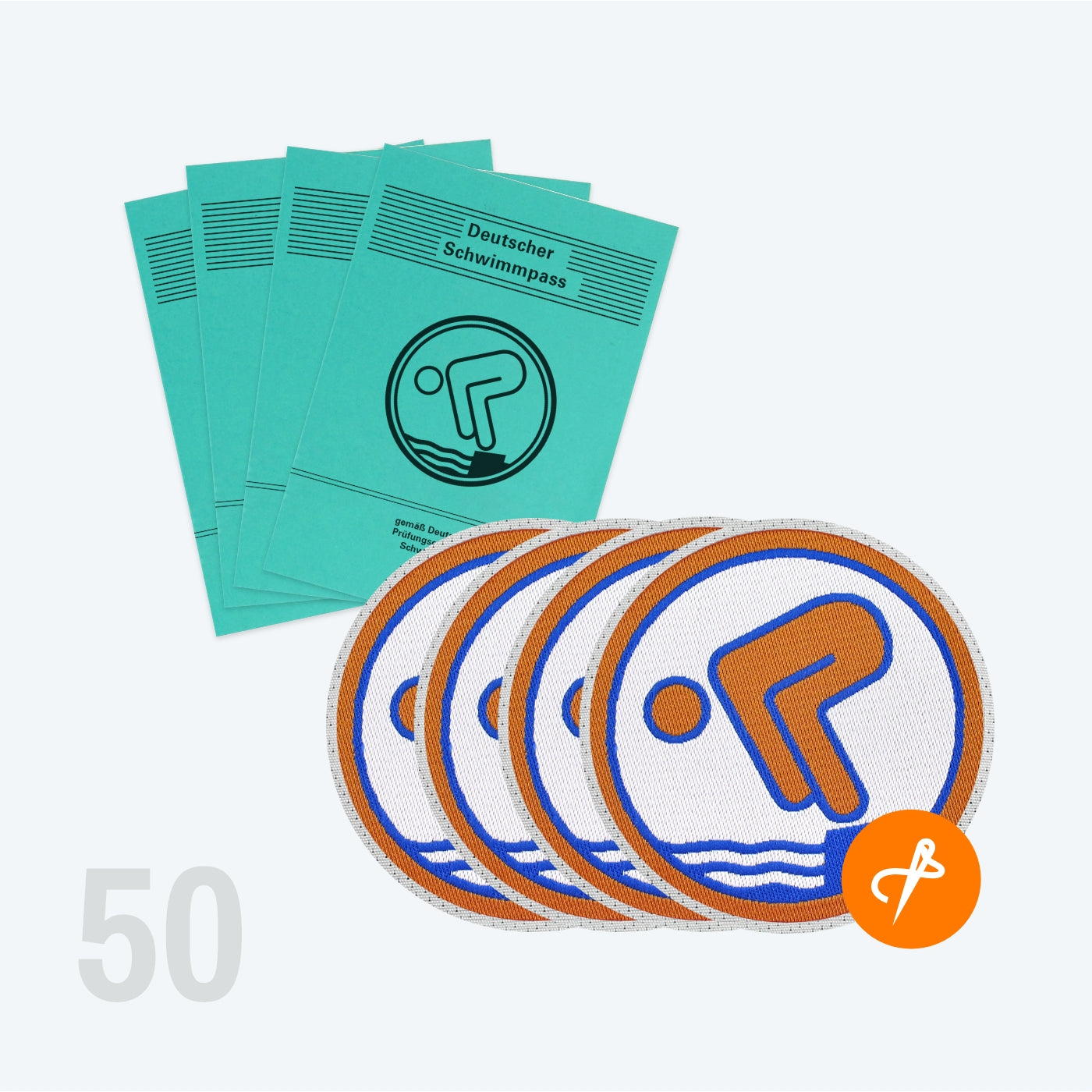
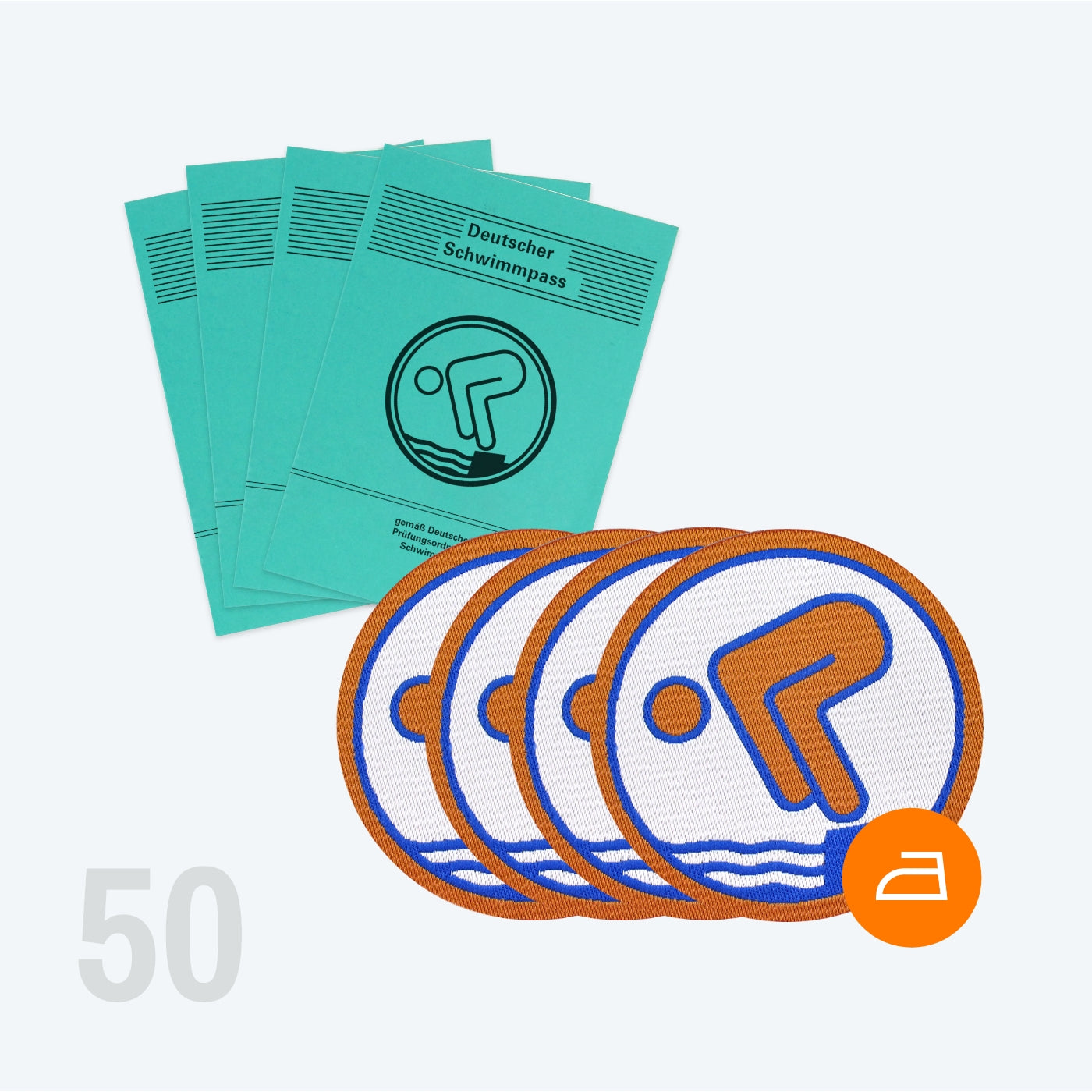
The Seepferdchen marks the first milestone in learning to swim. Children must swim 25 meters, retrieve an object from shoulder-deep water, and jump from the edge of the pool. These requirements ensure that children have acquired basic water safety. However, the Seepferdchen is not proof of being a confident swimmer, but rather marks the entry into systematic swimming training.
The Youth Swimming Badges Bronze, Silver, and Gold build upon each other:
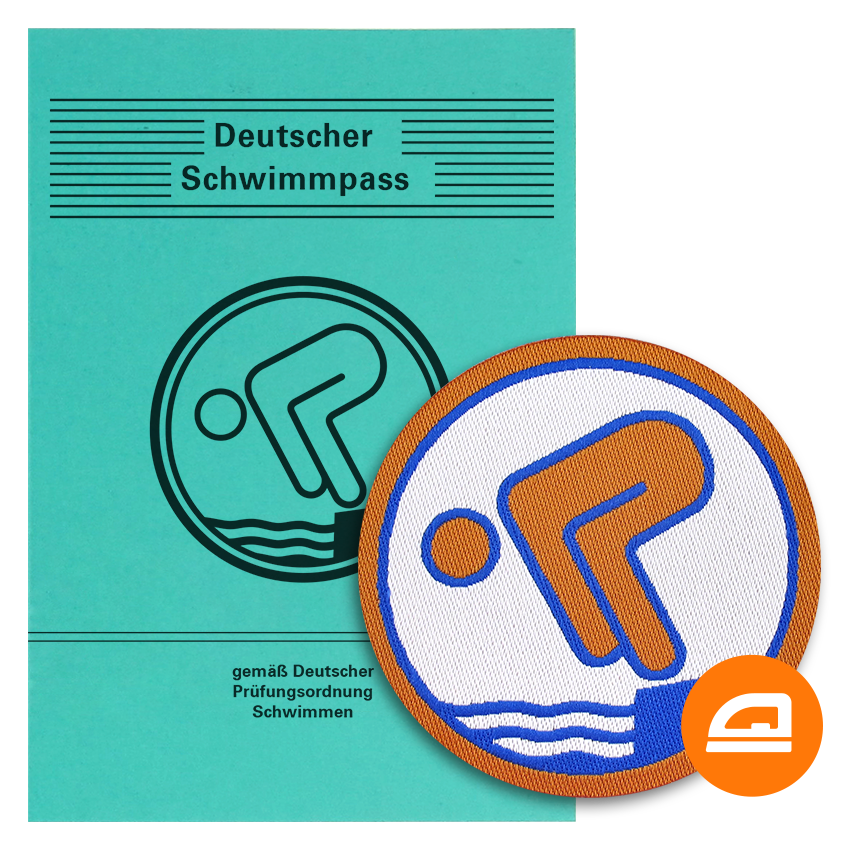
- Bronze requires swimming 200 meters in a maximum of 15 minutes, a jump from the edge of the pool, and knowledge of swimming rules.
- Silver requires swimming 400 meters in a maximum of 25 minutes, including 300 meters on the stomach and 100 meters on the back, as well as diving and knowledge of self-rescue.
- Gold requires swimming 600 meters in a maximum of 24 minutes, including 400 meters on the stomach and 200 meters on the back, plus diving and a starting jump.
The structured progression leads from basic skills to demanding achievements. Swimming badges create transparency about the level of training and facilitate lesson planning for swimming instructors. For parents, they provide orientation and show what skills their child has already mastered.
Pro Tip: Use the Swimming Badge Overview to learn about the different types of badges and their requirements. The Seepferdchen Badge provides the perfect foundation for further swimming training and should be pursued promptly after the first successful swim.
Practical Recommendations for Parents and Swimming Instructors
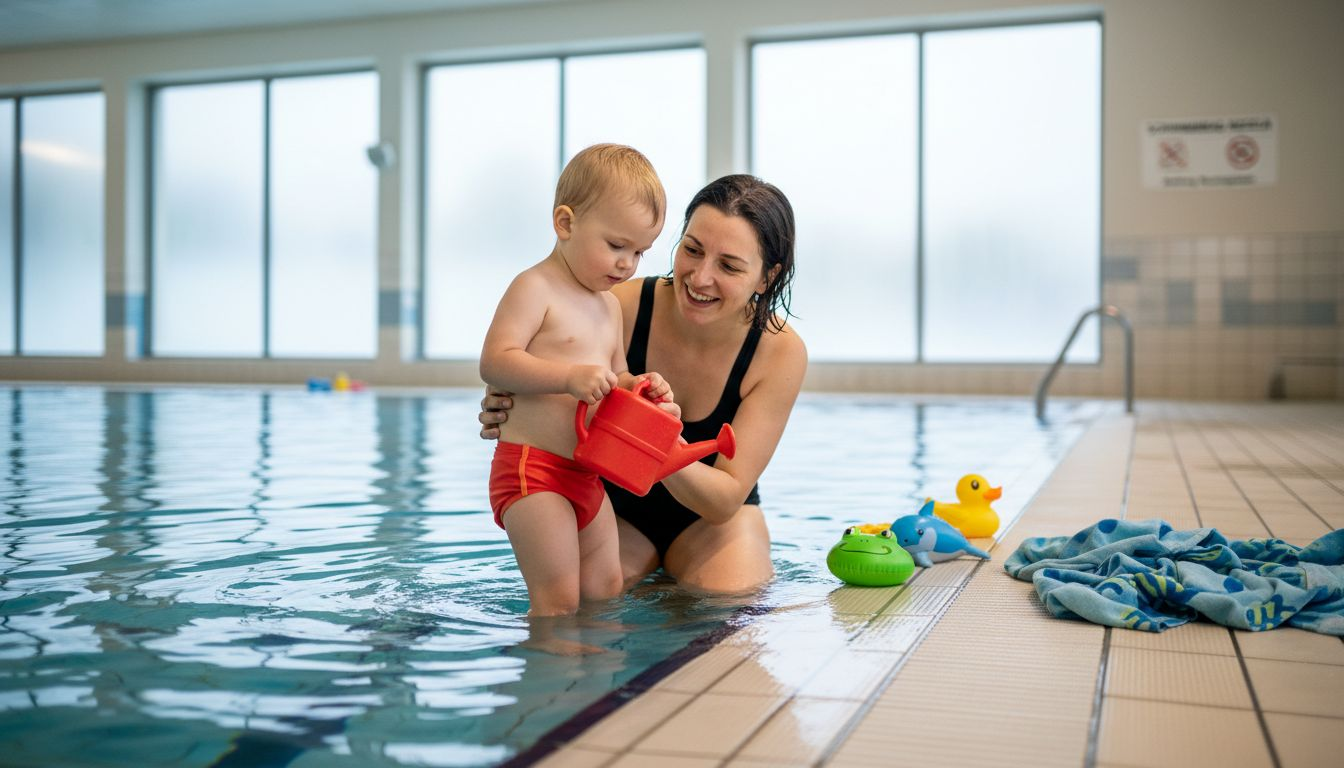
Early swimming lessons significantly reduce the risk of accidents. Learning to swim early reduces drowning risk and promotes motor skills sustainably, which is why experts recommend starting water acclimatization in preschool age. Children develop self-confidence through regular water contact and learn to assess dangers correctly. Parents should book swimming courses with qualified providers and actively monitor learning progress.
Individual support tailored to the child's type and ability leads to the best results. Every child learns at their own pace, and pressure can be counterproductive. Swimming instructors should use various teaching methods and respond flexibly to the needs of individual children. Playful elements lighten the lesson and increase motivation.
Repeated practice solidifies learned techniques. Regular pool visits outside of class deepen skills and create routine in the water. Parents can provide security through joint swimming and foster enjoyment of the water. Repetition is the key to lasting success.
Using swimming badges as a visible achievement boosts learning motivation. Children are proud of their badges and like to show them to friends and family. The prospect of the next badge encourages practice. Swimming instructors should present exams as a positive challenge, not as a stressful situation.
Pro Tip: Positive reinforcement and patience are key to motivation. Praise small progress and celebrate every success. Avoid comparisons with other children, as these can create pressure and diminish the joy of learning. Every child has their own learning pace.
Make the most of the benefits of learning to swim early by starting water acclimatization early. High-quality swimming badges can be purchased from specialized providers who offer official badges of the best quality.
Our Recommendation: Swimming Badges and Accessories at Pimpertz
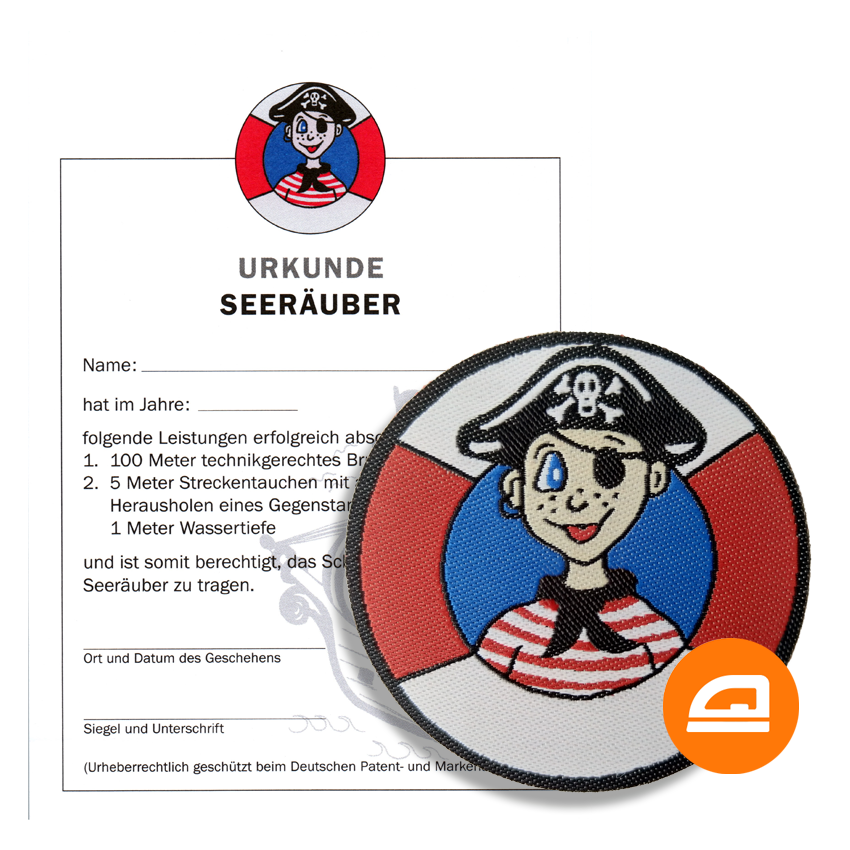
After successful swimming exams, children need high-quality badges that acknowledge their achievements. As an official partner of DLRG and BFS, Pimpertz offers a wide selection of swimming badges that meet the highest quality standards. From Seepferdchen to Gold, you will find all common badges in child-friendly designs that promote pride and motivation.
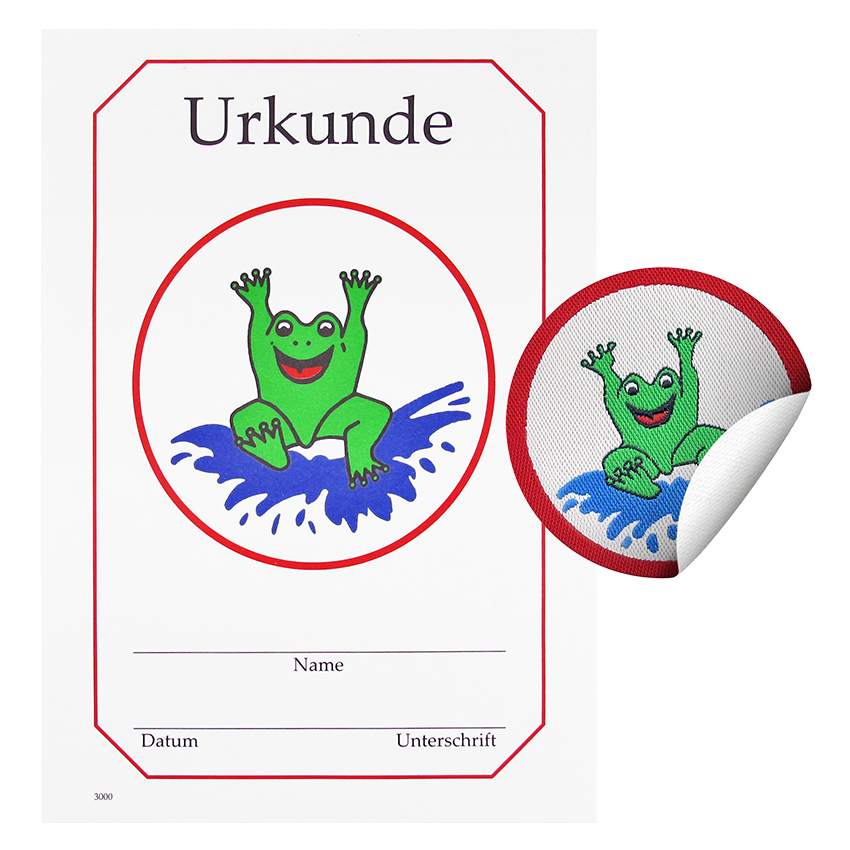
Tailored awards for beginners and advanced swimmers visibly structure the learning path. The Bronze, Silver, and Gold swimming badges document progress and create incentives for continuous practice. In addition, Seepferdchen certificates offer a festive way to honor the first major success.
Helpful accessories for swimming clubs and private use facilitate organization and storage. Waterproof cases protect badges, while collector albums document the entire swimming career. For over 38 years, Pimpertz has stood for lightning-fast shipping and first-class service that convinces parents, swimming instructors, and clubs alike.
Frequently Asked Questions about Swimming Styles and Swimming Badges
At what age should children learn to swim?
Experts recommend starting swimming lessons between the ages of four and six. At this age, children have sufficient motor skills and concentration. Earlier water acclimatization from about three years of age can support later learning success.
Which swimming technique is best for beginners?
Front crawl and backstroke are now considered more beginner-friendly than breaststroke. They use natural movement patterns and are more efficient. However, the choice depends on the individual child, especially their fear of water and coordination skills.
How do swimming badges motivate children to learn?
Badges create visible achievements and structure the learning path into clear stages. Children are proud of their awards and like to show them off. The prospect of the next badge encourages regular practice.
What are the requirements for the Seahorse (Seepferdchen) badge?
Children must swim 25 meters, retrieve an object from shoulder-deep water, and jump from the edge of the pool. This test confirms basic water safety but does not yet make the child a confident swimmer.
What role do DSV and BFS play in swimming badges?
Both associations issue official swimming badges with set examination requirements. The DSV focuses on popular sports, while the BFS offers competition-oriented badges. Both organizations guarantee nationally recognized standards.
How can parents best support the swimming learning process?
Regular pool visits outside of class consolidate skills. Positive reinforcement and patience promote motivation. Avoid pressure and comparisons with other children. Use the Swimming Badge Guide to structuredly accompany learning progress and plan the next steps.